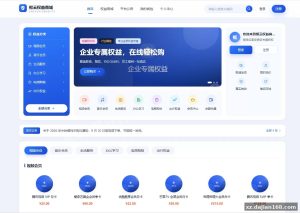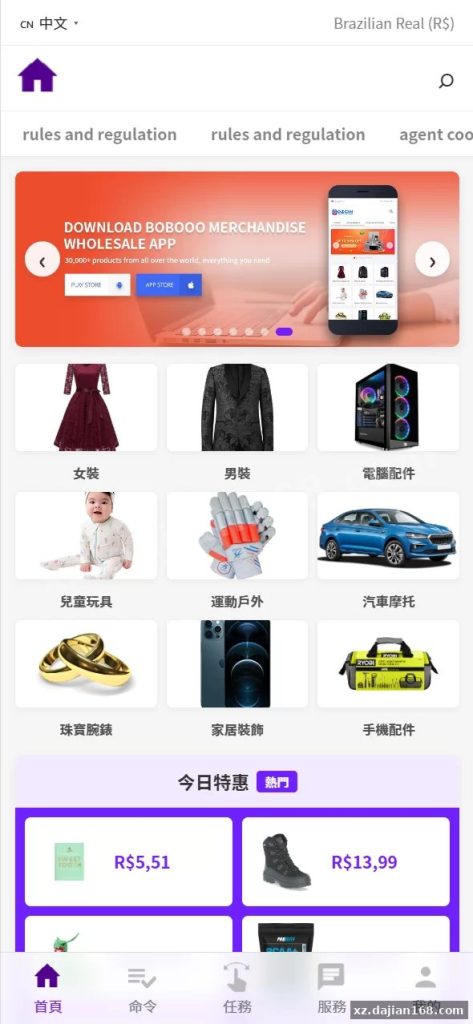
dajian168 Multi-Language Mall System Source Code Download & PHP Review
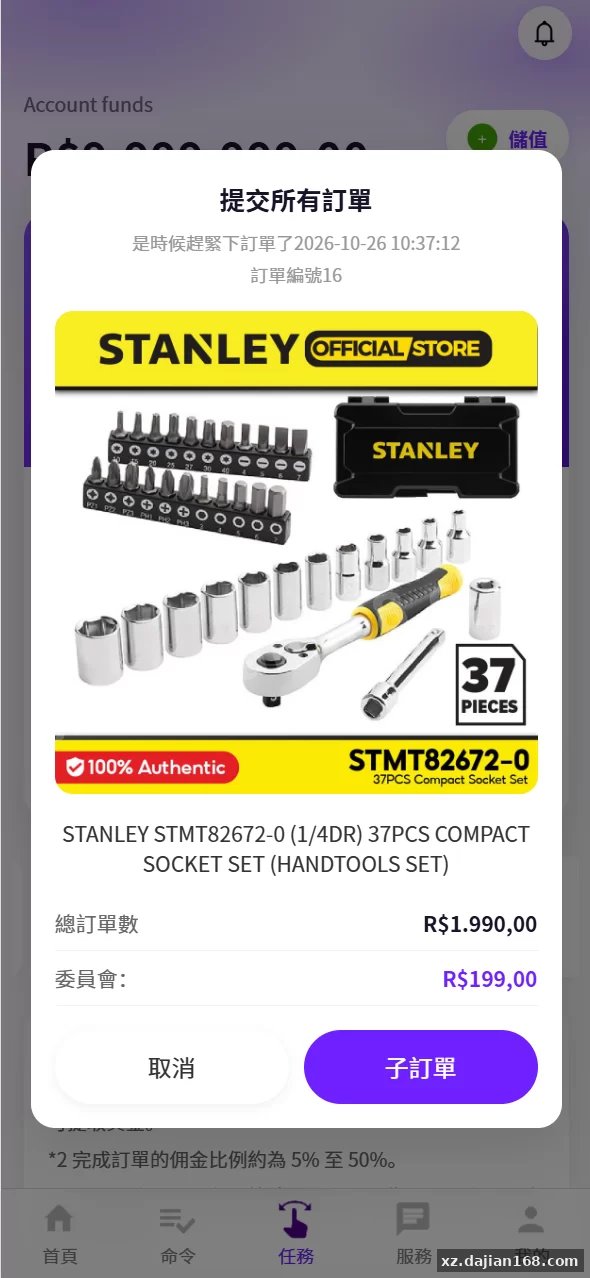
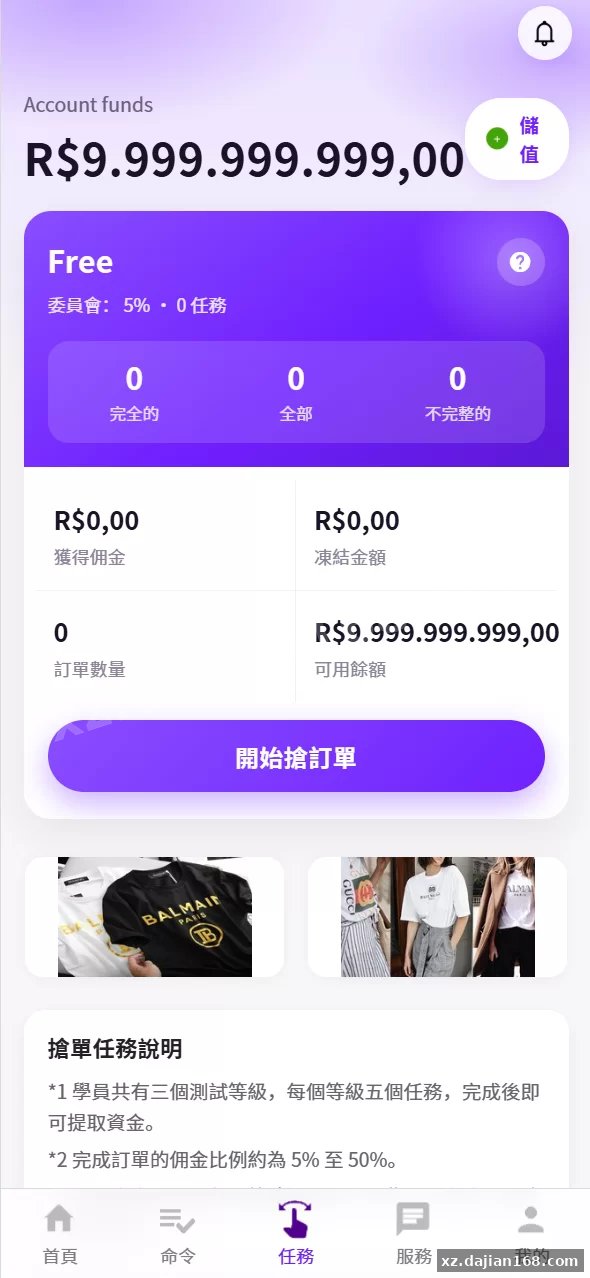
This 243MB mall system package is described as a uni-app multilingual storefront paired with a PHP backend and an included setup tutorial. The dajian168 listing focuses on order workflows, credit-score management, and role-based agent access, so the most practical way to review the source code download is module by module.
Because order-reset and credit functions can also be abused to imitate simulated marketplace activity, treat the bundle as a QA and audit build until licensing, permissions, and audit logs are verified.
Five modules to inspect in this uni-app and PHP package
Key takeaway: inspect 5 functional areas before judging whether the package is usable.
| Module | What to inspect |
|---|---|
| Storefront UI | Locale files, currency formats, date formats, and page routing |
| Order workflow | Status transitions, reason codes, and duplicate-submit protection |
| Order reset | Role checks, confirmation prompts, and idempotency handling |
| Credit score | Ledger tables, change history, and manual adjustment rules |
| Agent permissions | RBAC tables, admin roles, and route-level authorization |
When deploying comparable uni-app builds, hardcoded Chinese strings are a common issue; they usually indicate a screen was not wired into the language map. Check 4 artifacts first: pages.json, locale JSON files, backend route definitions, and the SQL schema. That takes less than 30 minutes and quickly reveals how complete the multilingual and permission logic really is.
Seven local deployment steps for the uni-app and PHP stack
Key takeaway: use these versions as a validation baseline, not a compatibility guarantee.
| Component | Recommended test version |
|---|---|
| OS | Ubuntu 22.04 LTS |
| PHP runtime | PHP 7.4 or 8.x, based on the package files |
| Database | MySQL 5.7+ / MariaDB 10.6+ |
| Web server | Nginx 1.24+ or Apache 2.4+ |
| Frontend build | Node.js 16/18 with uni-app CLI, or HBuilderX 3.9+ |
- Extract the 243MB package and scan the supplied tutorial, SQL files, and configuration samples.
- Import the database schema and confirm table counts, collation, and seed data.
- Create a database account with the minimum required privileges; avoid reusing the root user.
- Configure the PHP environment, database connection, session storage, and file-upload directory.
- Enable URL rewrite rules, then verify the storefront and admin panel separately.
- Run the frontend build and check that language switching works on at least 3 pages.
- Perform 3 smoke tests: admin login, restricted action denial, and one full order-state transition.
When I deployed comparable uni-app/PHP bundles, missing write permissions on runtime or upload directories caused generic 500 errors. Set permissions narrowly, enable PHP error logging, and keep the database credentials outside the web root.
Six launch checks and 3 suitable project uses
Key takeaway: complete these 6 checks before exposing the admin panel to real users.
- License check: confirm whether the PHP backend is genuinely open source or only supplied with editable code.
- Access control: test that agent, operator, and administrator roles cannot call each other’s endpoints.
- Audit trail: make sure order resets and credit-score changes store actor, timestamp, and reason.
- Race-condition review: order-reset endpoints should use transactions or optimistic locking to prevent duplicate inventory or credit updates.
- Backup plan: schedule database exports before any schema change or production migration.
- Performance target: benchmark read-only storefront pages and aim for p95 below 500 ms in your own test environment.
Suitable lawful uses include a multilingual catalog demo, an RBAC learning project, or a controlled QA sandbox. Do not deploy order-simulation features to manipulate ratings, traffic, or transactions; that can create legal and platform-compliance risk.
FAQ
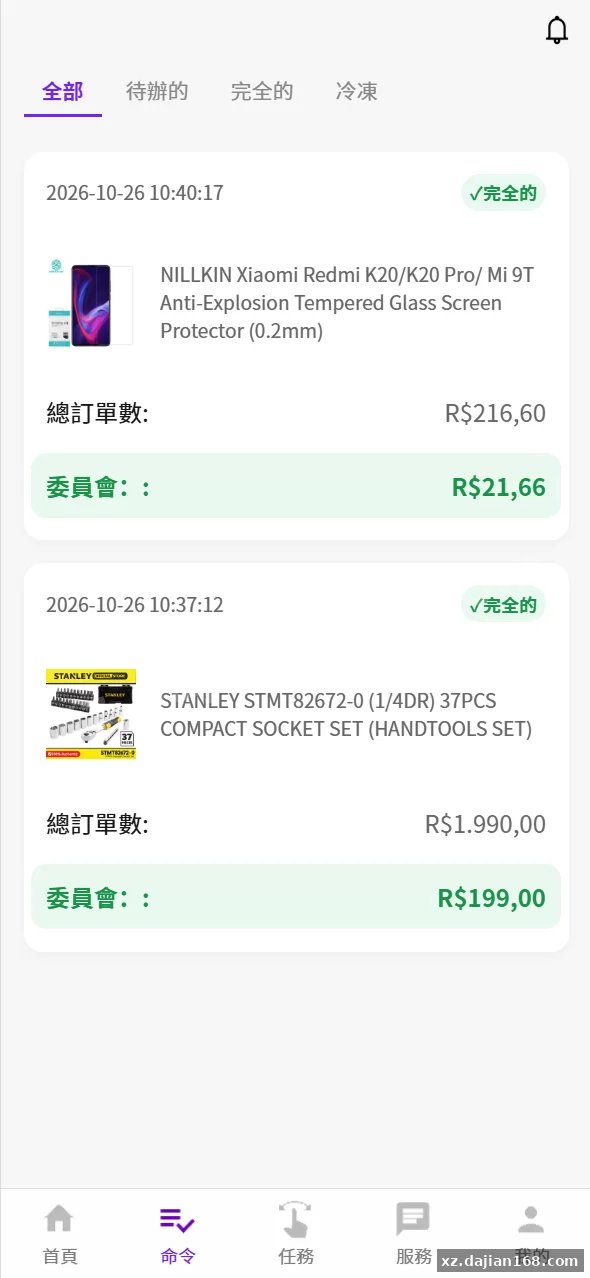
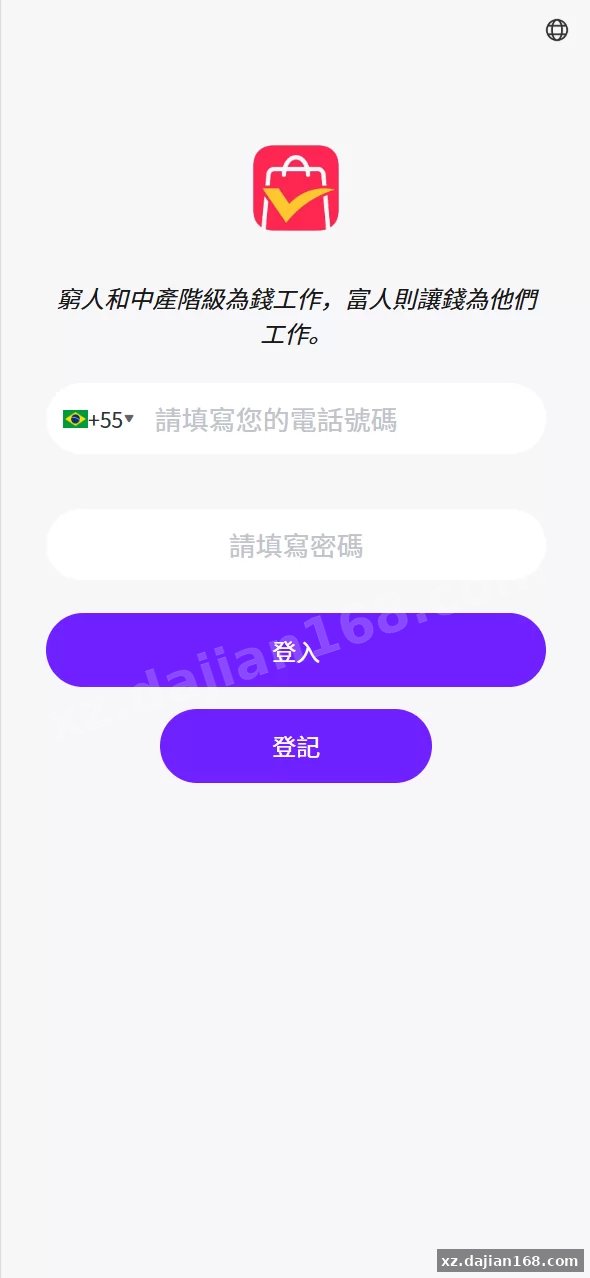
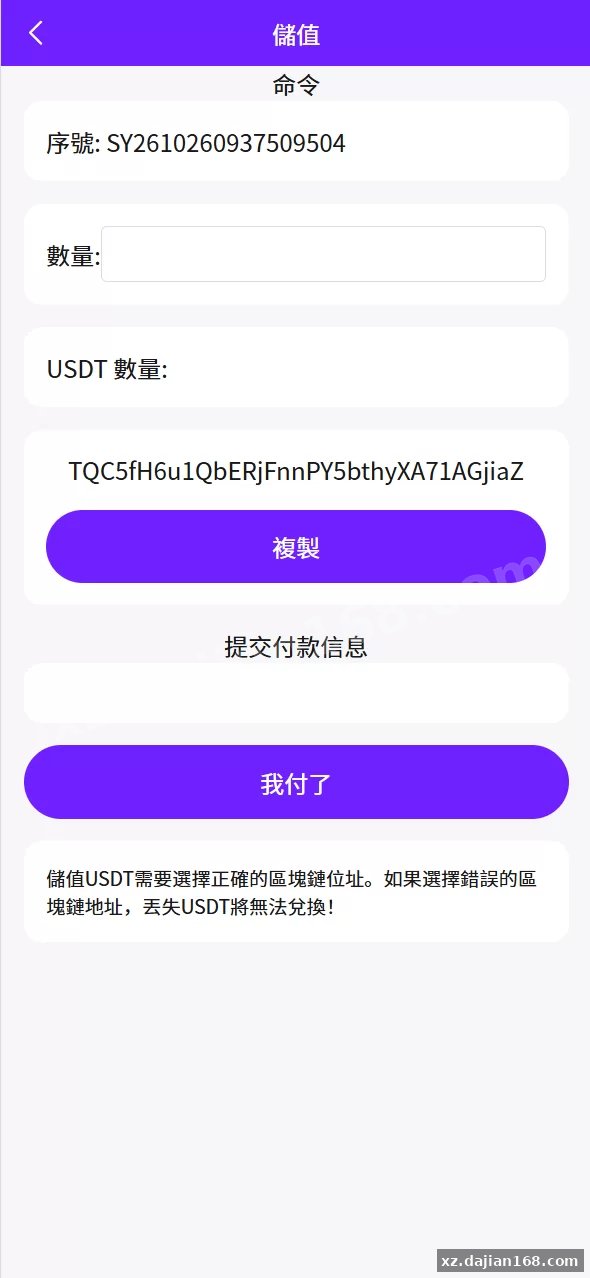
System Screenshots
Original screenshots:


Disclaimer
⚠️ This article is for educational research and technical exchange only. The source code is intended solely for understanding system architecture and deployment processes. Do not use it for illegal purposes. Any commercial operation is unrelated to the author.