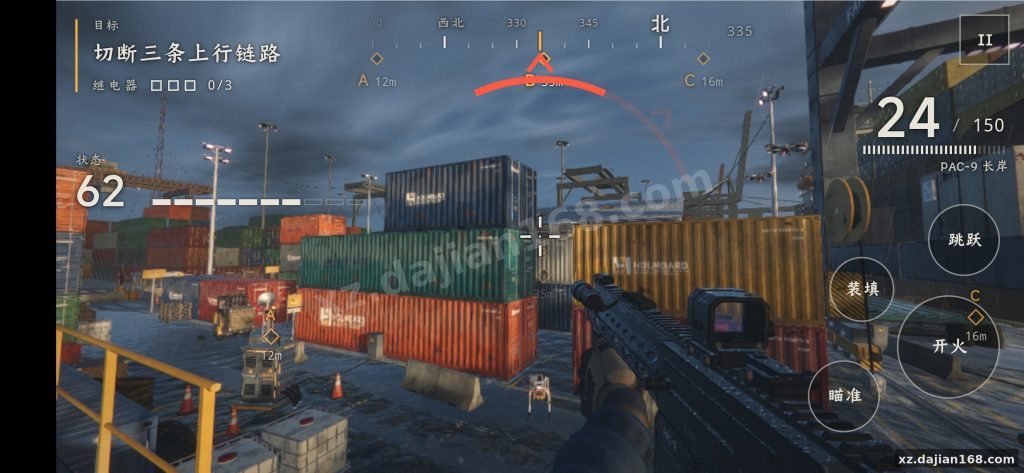
Browser-Based 3D FPS Game Source Code Download — 4-Player Co-op, Zero Asset Loading
This is a modified open-source 3D first-person shooter that runs entirely in the browser with no downloads and no asset server. Built on the Three.js/WebGL stack with all visuals and audio generated procedurally by code, it supports 4-player room-based co-op multiplayer, a world-channel lobby chat, and a backend user management panel. It suits indie developers, front-end engineers studying real-time 3D rendering, and anyone running a game demo or communication-system prototype on dajian168.
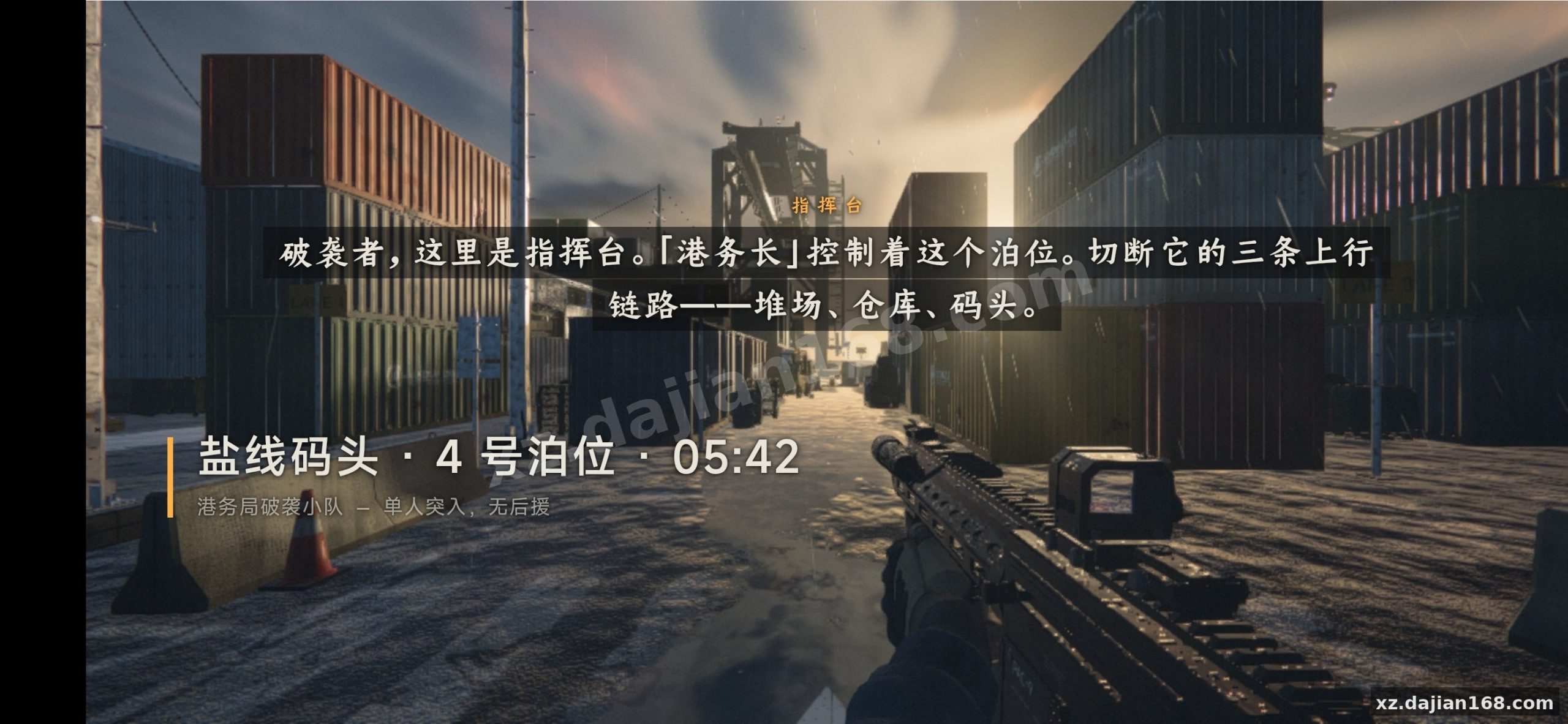
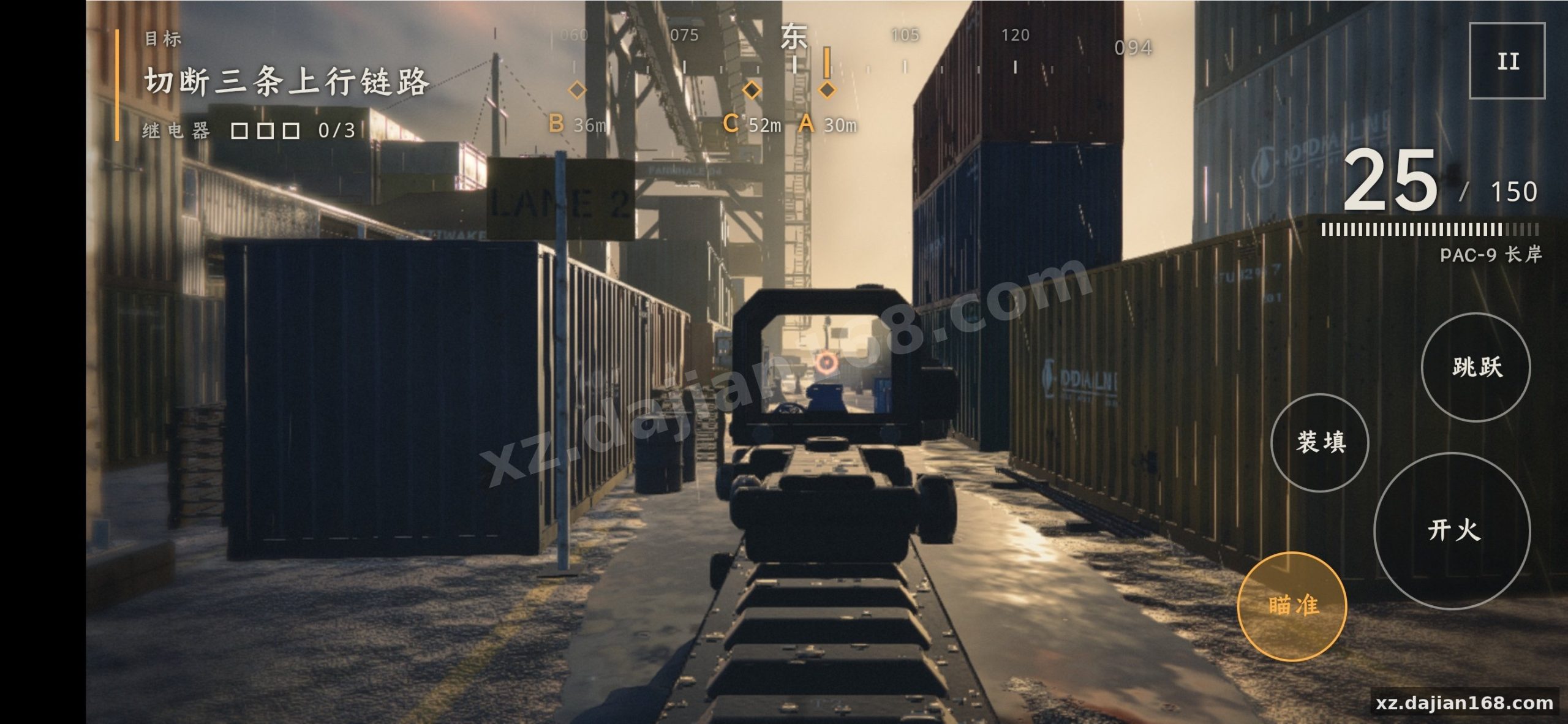
Everything you see on screen — sky, ocean, shipping containers, weapon models, even gunshot sound effects — is synthesized at runtime. In testing I found the whole project ships as essentially one copyable file: copy it to any static host and it runs.
What the Second Modification Adds: 4 Maps, 4-Player Rooms, and a User Admin Panel
The modified build ships with 4 distinct maps, 4-player co-op rooms, and 3 core new modules over the original foreign open-source project.
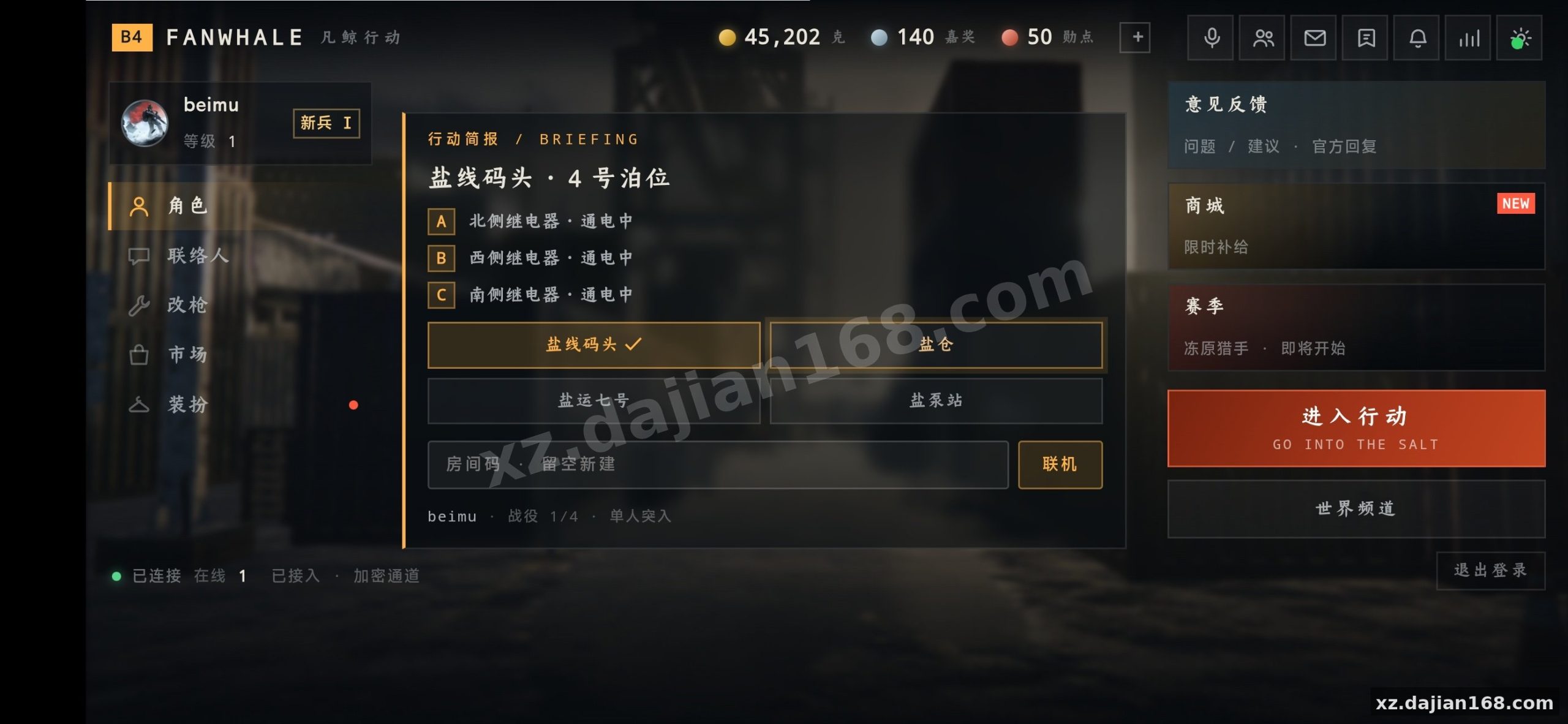
- 4 hand-tuned maps: a salt-line dock, a salt warehouse, cargo ship No.7, and a salt pump station — each with different layout flow and enemy spawn configurations, so level design is a real study resource, not reskinned geometry.
- Co-op networking: create a room, invite up to 4 players, and use the lobby world channel for real-time chat. The chat layer doubles as a lightweight communication module you can repurpose.
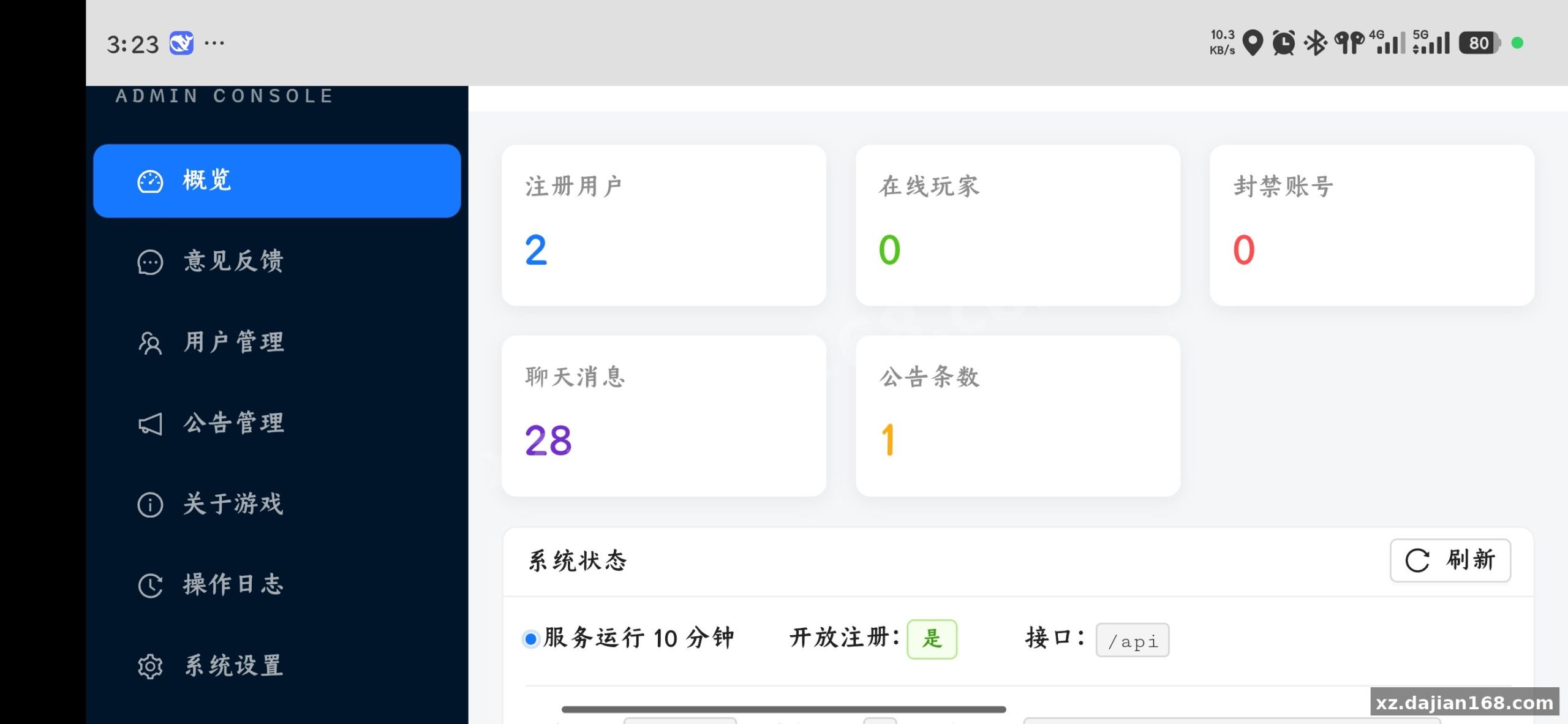
- Backend user management: an admin panel for account handling, useful if you plan to gate rooms or track players.
Actionable takeaway: when evaluating co-op code, check whether room state is authoritative on the server or peer-synced — here the room model is simple enough to audit in an afternoon, which is exactly why it works well as a learning base.
Zero-Asset Architecture: Why One File Is Enough to Run It
Every texture, model, and sound is code-generated, so deployment is a 3-step, 5-minute job.
- Get the source code download package from dajian168 and unzip it.
- Upload the files to any static host (Nginx, Apache, or even a CDN static bucket) — no PHP, no MySQL required for the client.
- Open the URL in a modern browser; on mobile, the page auto-prompts landscape fullscreen mode.
One pitfall I hit during deployment: WebSocket-based multiplayer needs a running socket service, not just static hosting. If rooms fail to join, check that your server supports persistent connections and that the port isn’t blocked by the host firewall. Desktop uses keyboard-and-mouse; mobile splits the screen — left half drags to move, right half swipes to aim.
Use Cases and Technical Specs at a Glance
Best fit: learning projects, portfolio demos, and lightweight multiplayer prototypes — not commercial-grade production.
| Item | Requirement / Detail |
|---|---|
| Rendering | WebGL / Three.js, procedural generation |
| Client assets | 0 image files, 0 audio files loaded |
| Maps | 4 unique layouts |
| Multiplayer | Up to 4 players per co-op room |
| Hosting | Any static web server + socket service |
| Devices | Desktop (keyboard/mouse), mobile touch with auto-landscape |
Typical use cases: a front-end course demo on real-time 3D, a communication-system experiment using the built-in chat channel, or a studio portfolio piece. Judging criterion: if your goal is studying procedural generation or netcode basics, this is a strong pick; if you need AAA-scale content pipelines, look elsewhere.
FAQ
Q: Does the game really run without downloading any assets?
Yes. Sky, water, containers, weapons, and sound effects are all generated by code at runtime, so there is no resource server dependency — copying the file set is enough.
Q: How many players can join one co-op room?
Up to 4 players per room, with a world channel in the lobby for real-time text chat across all users.
Q: Can I run it on a phone?
Yes. Touch controls are split-screen (left = movement, right = camera), and the page automatically prompts fullscreen landscape mode on mobile devices.
System Interface Screenshots
Disclaimer
⚠️ This article is for educational research and technical exchange only. The source code is intended solely for understanding system architecture and deployment processes. Do not use it for illegal purposes. Any commercial operation is unrelated to the author.