Overseas Exchange System Development: Perpetual Contracts + Delivery Contracts + K-line Control
Project Background
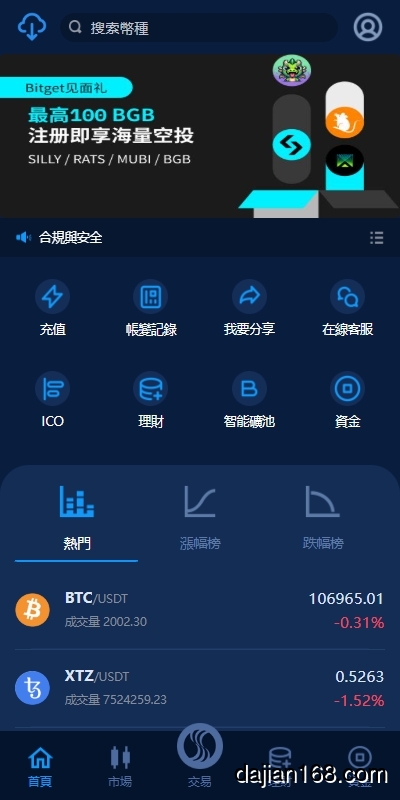
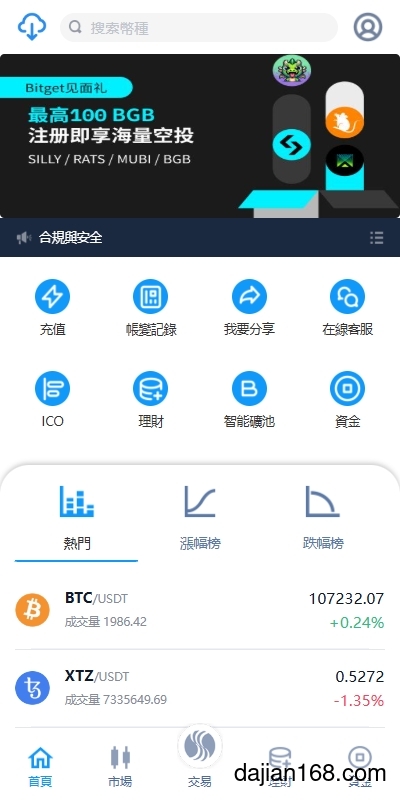
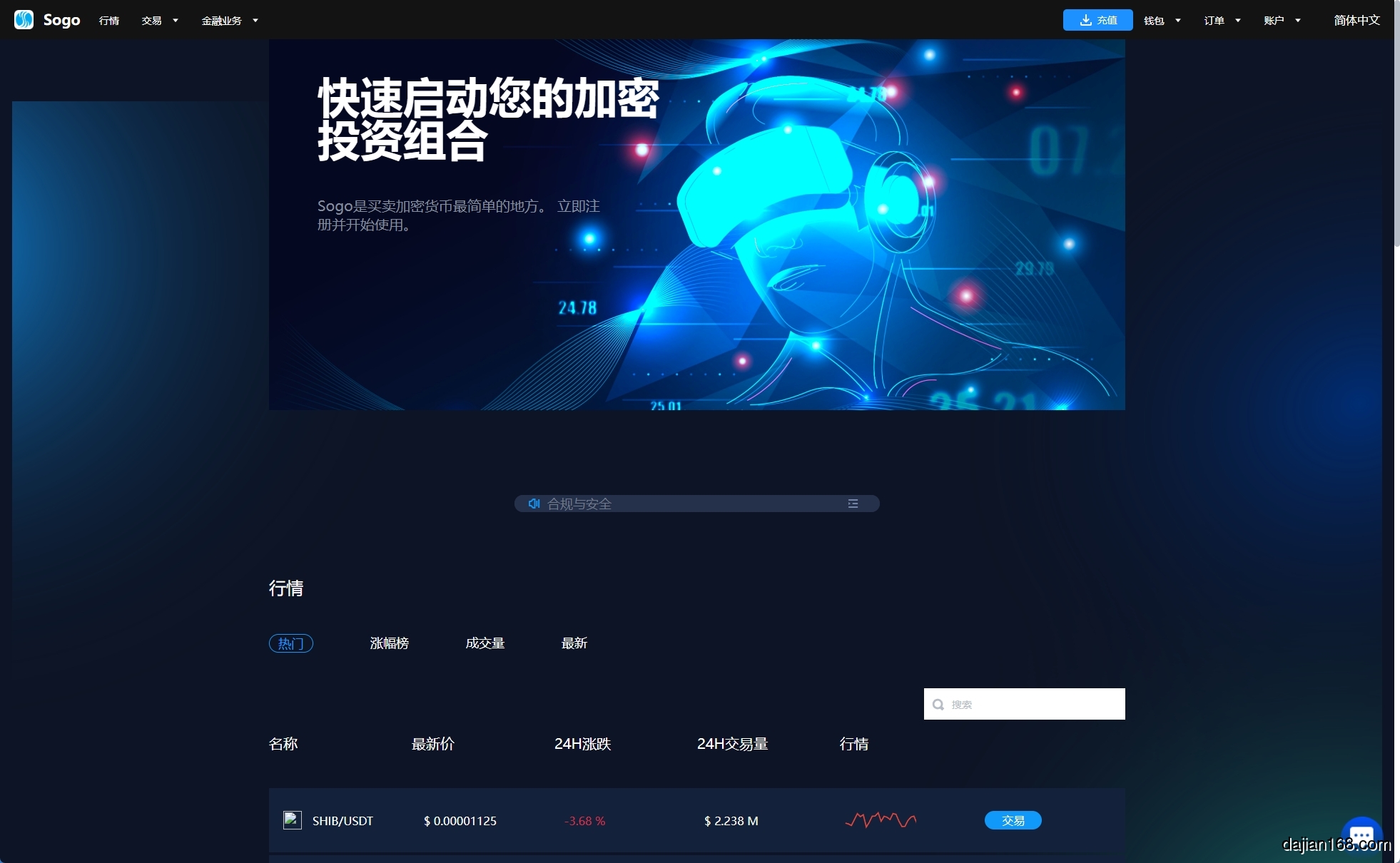
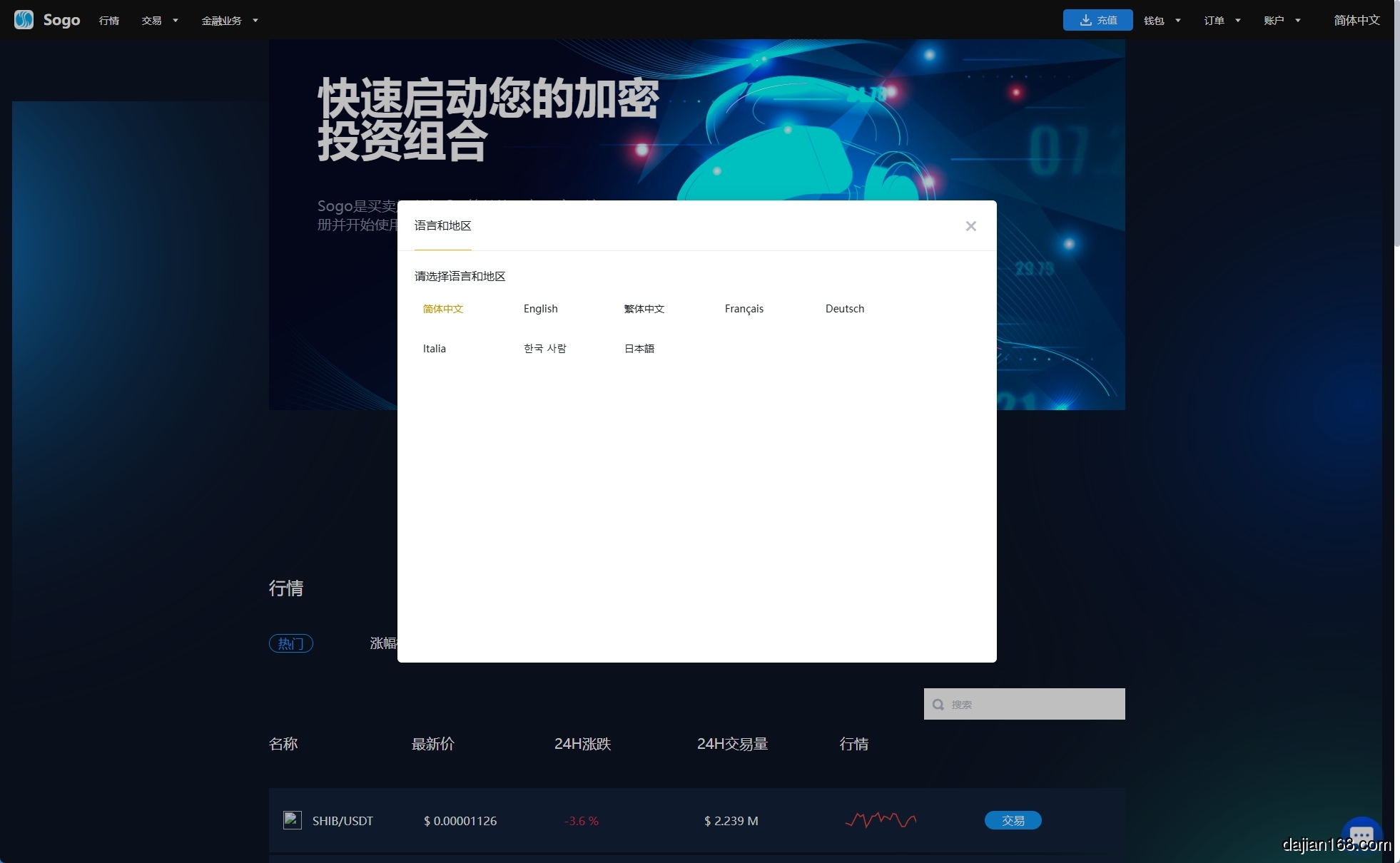
Recently worked on an overseas exchange system, with client requirements including perpetual contracts, delivery contracts, and K-line control features. The tech stack is Vue + Java, and I’m documenting the development process here.
Technical Solution
Frontend: Vue 3 + Vue 2 (both ends)
Backend: Java Spring Boot
Database: MySQL + Redis
Vue was chosen because of its excellent ecosystem and rich component library, which is well-suited for building complex interfaces like exchanges.
Core Features
1. Contract Trading Types
This system supports three types of contract trading:
– Perpetual Contract: No expiration date, can be held indefinitely
– Delivery Contract: Has an expiration date, settles upon expiration
– Spot Trading: Buying and selling digital currencies
// Contract Service
@Service
public class ContractService {
// Open Position
public OpenResult openPosition(OpenRequest request) {
// Check if position exceeds limit
if (checkPositionLimit(request)) {
throw new BusinessException(“Position exceeds limit”);
}
// Calculate margin
BigDecimal margin = calculateMargin(request);
// Create position record
Position position = new Position();
position.setSymbol(request.getSymbol());
position.setType(request.getType());
position.setDirection(request.getDirection());
position.setAmount(request.getAmount());
position.setLeverage(request.getLeverage());
position.setMargin(margin);
positionMapper.insert(position);
return new OpenResult(position.getId());
}
}
2. K-line Control
This is a essential feature for overseas exchanges. Sometimes manual intervention in K-line trends is needed, such as pumping or dumping the price.
Implementation approach:
– Store preset K-line data in the database
– API returns preset data instead of real exchange data
@Service
public class KLineService {
// Get K-line data
public List
// Check if control mode is enabled
if (isControlEnabled(symbol)) {
return getPresetKLines(symbol, interval);
}
return getRealKLines(symbol, interval);
}
// Set K-line control
public void setKLineControl(String symbol, List
redis.set(“kline:” + symbol, JSON.toJSONString(presetData));
}
}
This feature should be used cautiously, mainly for market makers to maintain the market.
3. Staking Financial Products
Supports holding coins to earn interest, a standard feature for exchanges.
Risk Control
Risk control is the top priority for exchange systems:
– Position Limit: Total positions for a single user cannot exceed a certain amount
– Withdrawal Limit: Daily withdrawal frequency and amount limits
– Anomaly Detection: High-frequency large transactions should trigger risk control
– Liquidation Handling: Losses exceeding margin should trigger forced liquidation
UI Design
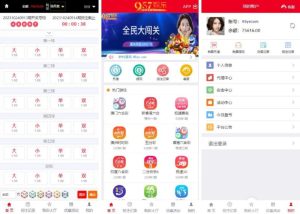
Exchange UI should be professional, referencing the layout of major exchanges like Binance and Huobi. Dark color schemes look professional and are easier on the eyes.
Summary
The main challenges in exchange system development are:
– Performance: High-frequency trading requires high performance
– Risk Control: Must handle various edge cases properly
– Capital Security: Involves real money, and safety cannot be emphasized enough
-
 Alipay QR Code Scan
-
 WeChat Scan Pay