Order Grabbing and Order Brushing System Setup Guide: Functional Module Details and Operation Key Points
1. What is an Order Grabbing and Brush Order System?
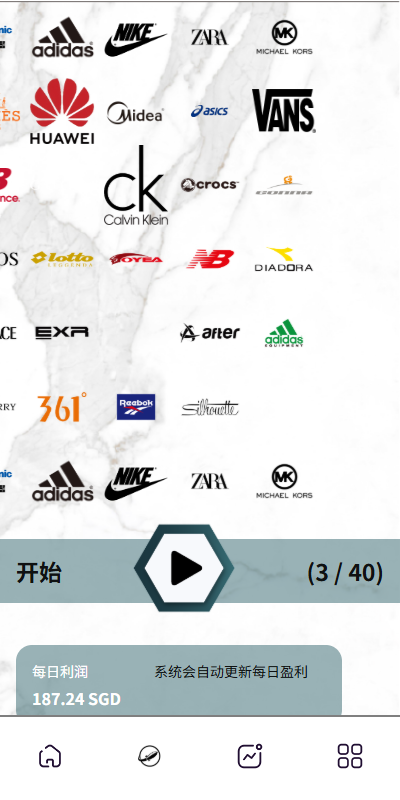
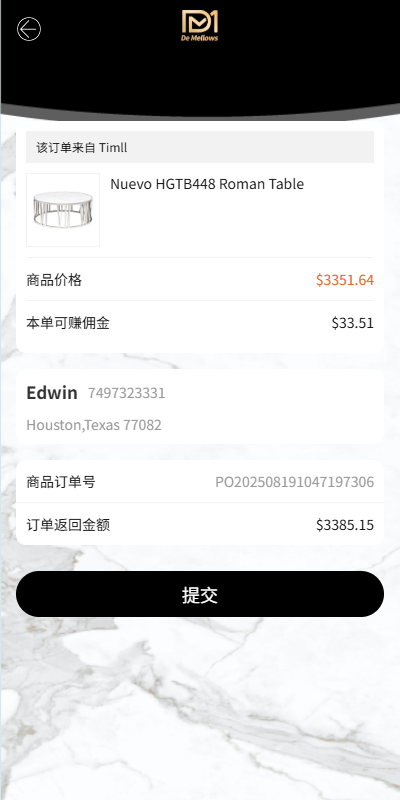
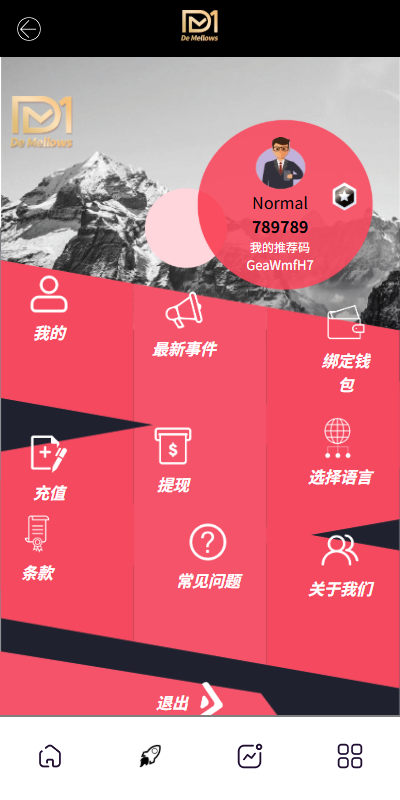
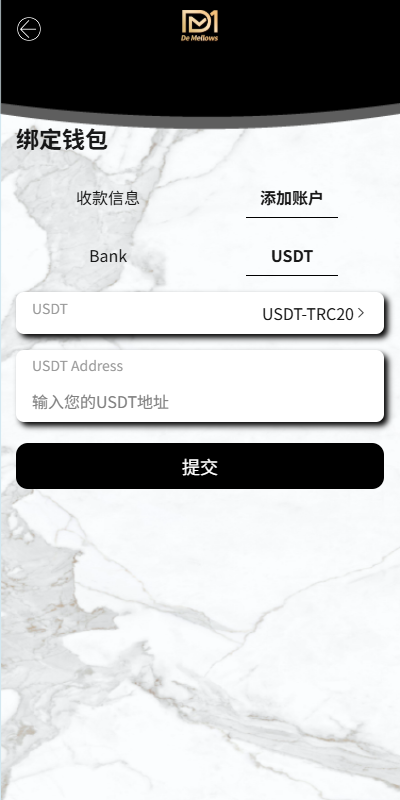
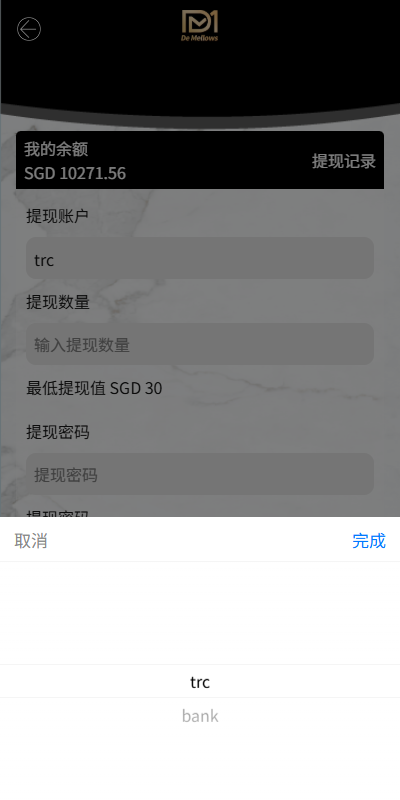
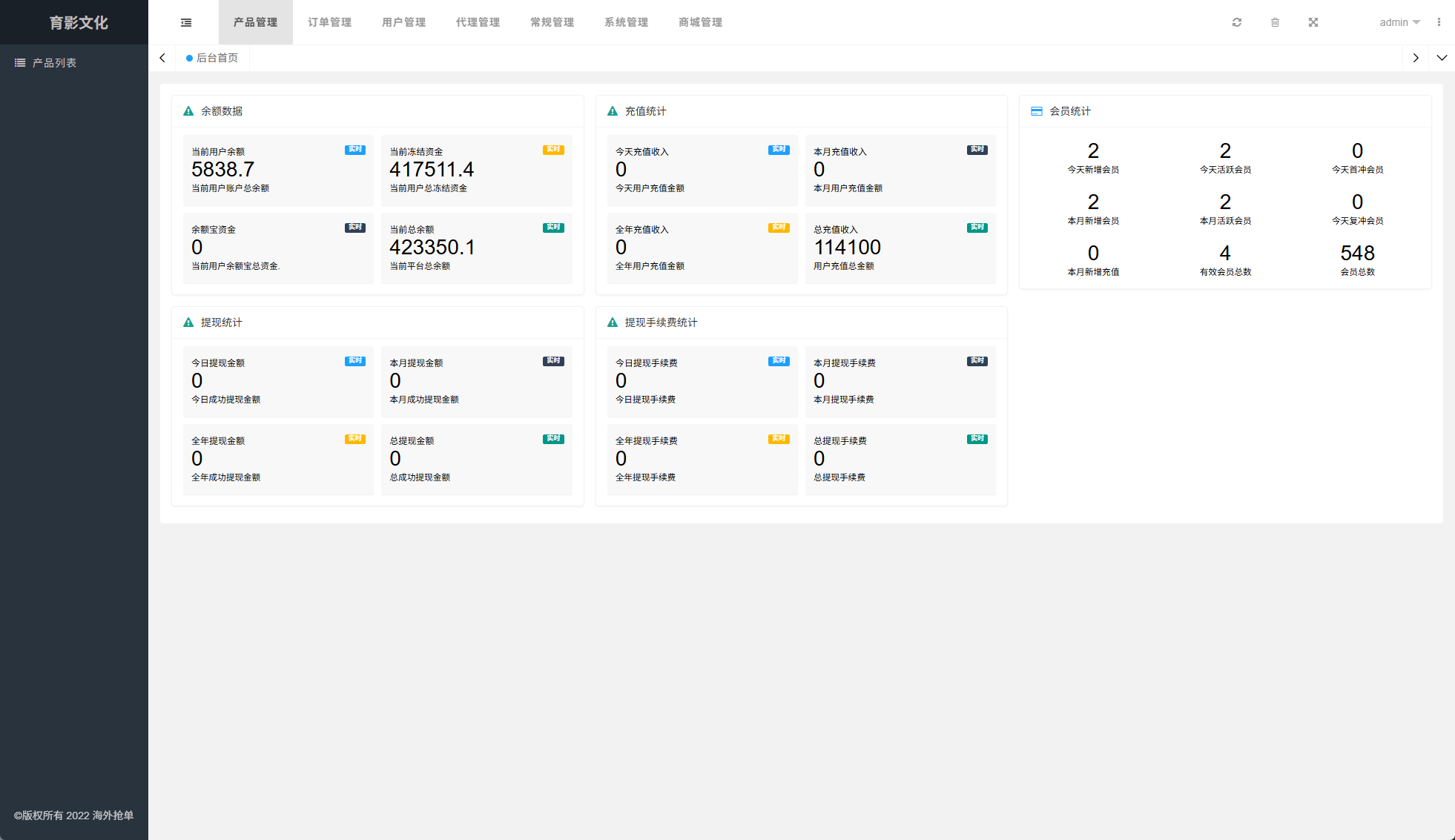
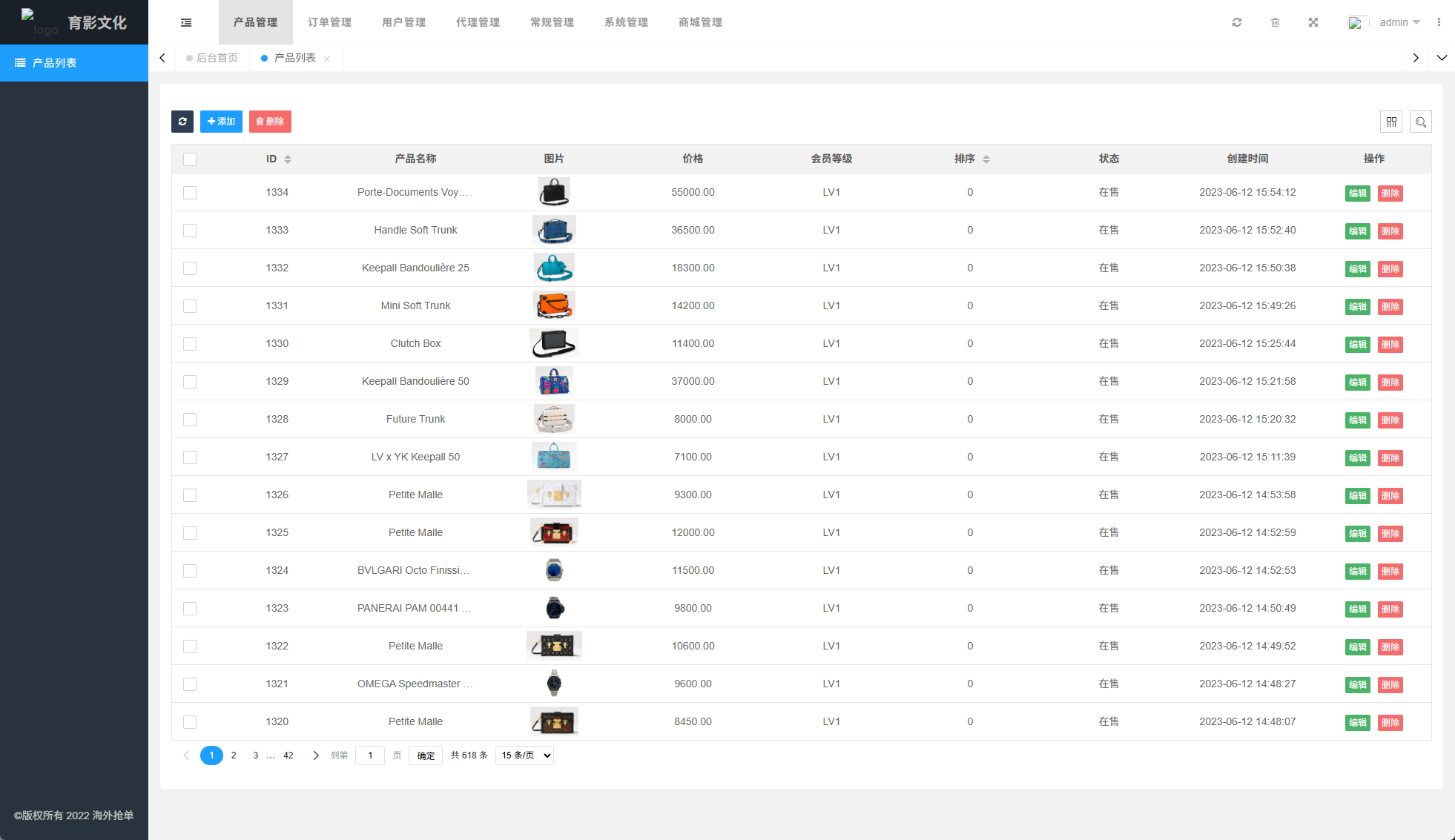
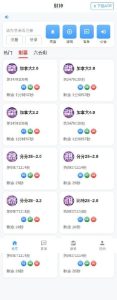
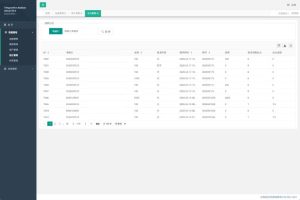
In the rapidly evolving internet marketing landscape, order grabbing and brush order platforms have become important tools for traffic monetization. Simply put, these systems simulate real user behavior to help merchants improve metrics such as order volume and review data, thereby achieving higher search rankings and visibility on major e-commerce platforms.
2. Core Functional Modules of Mainstream Brush Order Systems
2.1 Order Task Management
A mature order grabbing system typically includes the following settings in the order module:
Manual Order Grabbing Mode: Users browse the task list independently and manually select orders that suit them, offering high flexibility
Auto Order Grabbing Mode: The system automatically matches and assigns tasks based on user level and configuration at the moment tasks are released
Stacked Group Tasks: Multiple small orders are combined into a packaged task to increase single-task earnings, suitable for premium members
Task Injection: A special task type built into the system, supporting backend customization of commission ratios and completion conditions
2.2 User Tier System
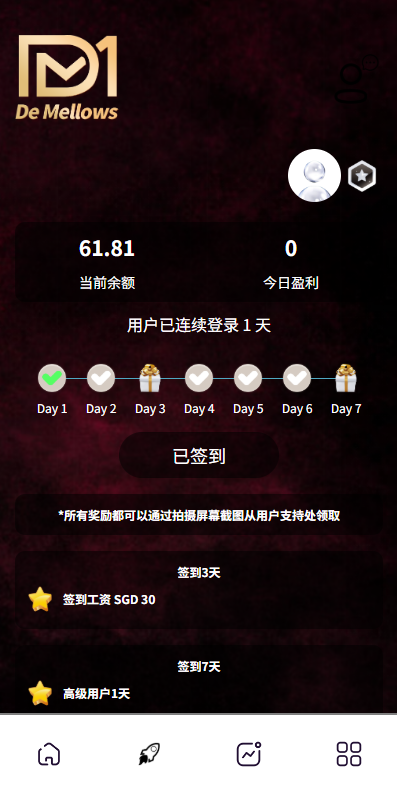
A comprehensive membership tier system is the key mechanism to drive platform user engagement:
2.3 Fund Settlement System
Real-time or delayed settlement options are both supported
Multiple deposit/withdrawal methods including USDT, Alipay, and WeChat are supported
The backend allows customization of withdrawal fees and minimum withdrawal amounts
2.4 Promotion Commission Mechanism
Multi-level distribution is the core driver for brush order platforms to achieve explosive growth. It typically supports:
Level 1 Promotion Commission (commission returned when direct subordinates complete tasks)
Level 2 Indirect Commission (subordinates’ subordinates generate earnings with share)
Team Performance Rewards (monthly team ranking incentives)
3. Technical Architecture Selection
From a technical architecture perspective, mainstream brush order systems on the market are generally divided into two approaches:
Approach A: Traditional PHP Backend
Backend Framework: ThinkPHP 6.x
Frontend: HTML5 + UniApp (multi-platform adaptation)
Database: MySQL 8.0
Advantages: Low development cost, easy to find maintenance personnel
Approach B: Frontend-Backend Separation
Backend: ThinkPHP or Laravel API
Frontend: Vue3 + Element Plus
Mobile: UniApp compiled to H5/App
Advantages: Better user experience, stronger scalability
4. Importance of Multi-Language Support
If your target market includes regions such as Southeast Asia and the Middle East, multi-language functionality is a standard requirement. Mature brush order system source code typically supports:
Simplified Chinese, Traditional Chinese
English
Vietnamese, Thai, Indonesian
Arabic (requires RTL layout support)
5. Operational Considerations
Building the system is just the first step; stable operations are the key to long-term success:
Server Selection: It is recommended to select overseas servers (Hong Kong, Singapore, USA) to ensure access stability
DDoS Protection: Configure CDN acceleration and traffic cleaning to prevent malicious attacks from competitors
Fund Security: Use third-party collection and payment services to reduce direct fund risks
User Agreement: Complete platform terms of use to clarify rights and responsibilities of both parties
Conclusion: A fully functional order grabbing and brush order system source code needs to have four core modules: task management, user tier system, settlement system, and promotion commission mechanism. It should also be configured with corresponding language packs and payment interfaces based on the target market. Choosing a technical team with over 18 years of industry experience for custom development or finished product setup can effectively shorten the launch cycle and reduce operational risks.
-
 Alipay QR Code Scan
-
 WeChat Scan Pay