Overseas Order-Grabbing Task System Deployment: Manual Dispatch, Group Mode, and Multi-Level Agent Architecture Source Code Review
Overseas Order-Grabbing Task System Deployment: Manual Dispatch, Group Mode, and Multi-Level Agent Architecture Source Code Review
A while ago I helped a team targeting overseas markets deploy an order-grabbing task system. The client required manual dispatch and group mode support, plus a YuE Bao module for fund retention. What impressed me most about this source code is that all four panels are built with Vue, the API runs on PHP, and it is fully open source with zero encryption obstacles for customization. Deployment plus customization took five days; here is the full record.
1. System Architecture and Core Features

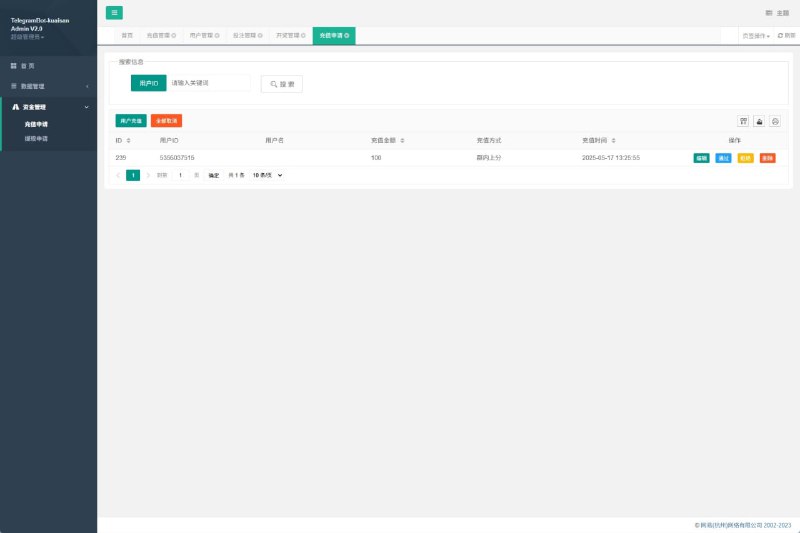
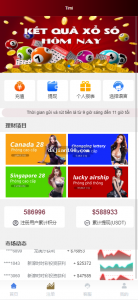
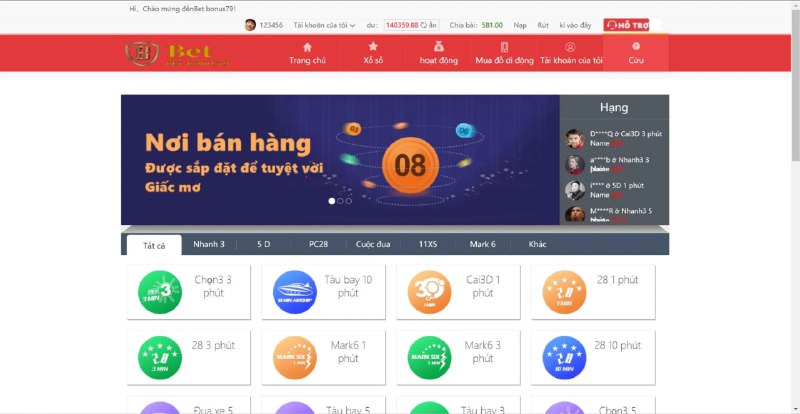
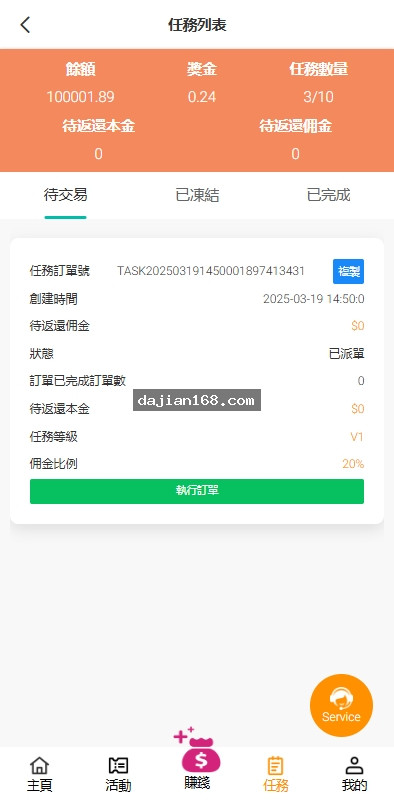
This system has a multi-panel structure: user frontend, agent panel, general-agent panel, and master admin. All four are Vue-compiled static pages talking to a unified PHP API. The core logic of the order-grabbing model: users deposit funds, freeze a certain amount to qualify for grabbing orders, complete tasks, then unfreeze and receive principal plus commission. Key features of this version:
- Manual Dispatch Mode: Orders are not randomly assigned by the system; agents manually dispatch them to specific users, giving teams control over pacing
- Group Mode: Users are managed in groups, each with its own order amount range, commission ratio, and daily order quota
- YuE Bao Module: Idle user funds can be transferred into YuE Bao to earn daily interest, improving fund retention
- General-Agent/Agent Hierarchy: The general-agent panel shows line-wide data and funds, while agents manage their direct downlines; dispatch permission belongs only to the agent panel
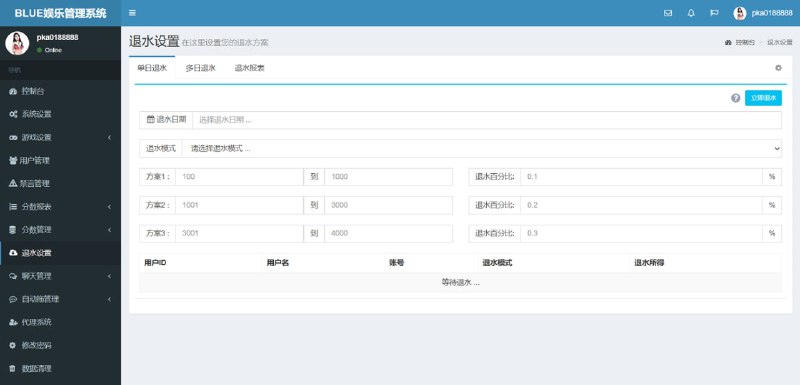
- Multi-Level Commissions: Commission ratios per level, visually adjustable in the backend
Tech-wise, the combination of multiple Vue panels and a PHP API keeps maintenance costs low: frontend UI changes do not touch the backend, and the API documentation is reasonably standardized. The source code is fully open, making it customization-friendly; the client later added features with their own team.
2. Deployment Preparation and Configuration Checklist
This type of system does not demand extreme concurrency, but it demands high accuracy for fund data. My deployment checklist:
- Server: 2 cores 4GB minimum, 4 cores 8GB recommended in operation, with a database backup strategy defined upfront
- Standard PHP + MySQL + Nginx stack; Redis recommended for sessions and queue caching
- SSL certificate required; deposit and withdrawal interfaces must run over HTTPS
- The four static panels can be deployed on the same server in separate directories, distributed by Nginx via domains or paths
- Crontab entries: YuE Bao interest distribution, order timeout handling, and statistics jobs
- Payment channel: overseas operations typically integrate USDT or third-party collection services, with merchant details entered in the admin panel
Recommended deployment order: start the API backend and database first, verify connectivity, then deploy the master admin, general-agent panel, agent panel, and user frontend in sequence. After each panel goes up, run the core flows with a test account immediately; do not wait until everything is installed, or problems will tangle together.
3. Pitfalls and Solutions

3.1 Dispatch Permission Confusion
During initial testing I found the general-agent panel could also see the dispatch button, while the client explicitly required dispatch to be agent-only. The code only checked for an agent-level role without distinguishing general agents from agents. I added a role check in the dispatch API and removed the general-agent dispatch entry on both frontend and backend. Permission issues like this must be verified per endpoint; frontend button visibility alone proves nothing.
3.2 Group Commission Miscalculation
In the first week after launch, an agent found a small discrepancy during reconciliation. The cause: after a user changed groups, historical orders were recalculated using the new group ratio. The correct approach is to snapshot the commission ratio into the order record at creation time and settle only against the snapshot. After the fix I manually corrected historical data, and reconciliation issues never recurred.
3.3 YuE Bao Interest Job Running Repeatedly
A crontab misconfiguration once made the interest job run every minute, and some users received duplicate interest. The amounts were small and I rolled them back manually. The lesson: every fund-related scheduled job must carry an execution lock (Redis lock or database table lock) and log a batch number per run for auditing and rollback.
4. Customization Directions
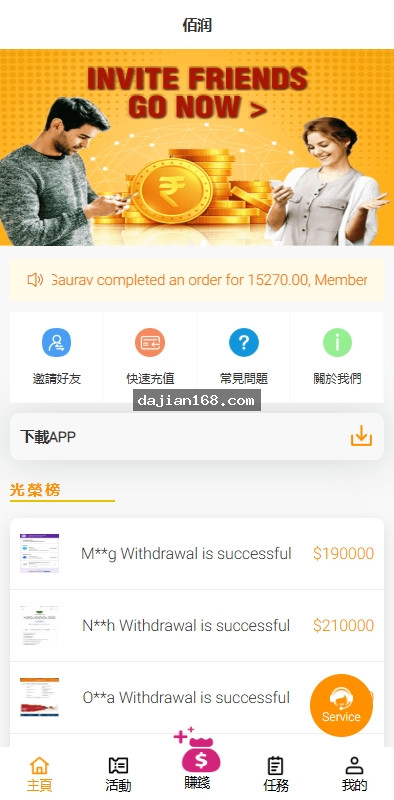
The codebase is cleanly structured, and customization concentrates in three directions. First, payment channel expansion: clone the existing deposit module for new channels. Second, gameplay extensions: adding operational mechanics like streak rewards or star-level tasks on top of order grabbing mainly involves changing the order generation logic. Third, data reporting: the general-agent panel offers coarse dimensions, and the client later added daily and per-group commission detail exports themselves. Overall, this system offers excellent value as a customization base.
Important Notice: Order-grabbing and task-based models are legally contested in many countries and regions, and some variants may be classified as fraud or illegal fundraising. Consult legal counsel for your target market before operating. Technical implementation does not equal business compliance. All fund-related features (deposits, withdrawals, interest) must pass full-process stress and reconciliation testing before launch.
5. FAQ
Q1: Can manual and automatic dispatch be switched?
This version defaults to manual dispatch, with agents assigning orders to specific users. Adding automatic dispatch requires a matching routine in the order module that assigns by group and balance, which is a medium-effort customization.
Q2: Is there a limit to how many groups can be created?
No hard technical limit, but I recommend keeping it under 20. Too many groups make commission rules hard to maintain and increase the chance agents pick the wrong group. Each group independently configures its order amount range, commission ratio, and daily quota.
Q3: Where is the YuE Bao rate configured?
In the YuE Bao settings of the admin panel, as a daily interest rate, distributed by a scheduled job around midnight. Keep the rate modest, and make sure the interest job has an execution lock to prevent duplicate distribution from repeated triggers.
Q4: Must the four panels be deployed separately?
No. All four are static files and can live on one server, separated by Nginx via domains or paths. However, the master admin should use its own domain with an IP whitelist to reduce exposure to scanners.
Q5: Is this source code suitable for beginners to customize?
Yes. It is fully open source with no encryption, and the Vue-plus-PHP combination has abundant documentation and hiring pools. The one caution: always write test cases before changing fund-related logic (commissions, interest, freeze/unfreeze), because those bugs carry the highest cost.
Source Reference
This content is based on the demo system at yanshigw.top/17699.html, reorganized and rewritten for reference purposes.
#OrderGrabbingSourceCode #TaskSystemDeployment #ManualDispatchSystem #YuEBaoWealthManagement #MultiLevelAgentSystem
-
 Alipay QR Code Scan
-
 WeChat Scan Pay