Java Virtual Currency Micro-Platform Source Code: Architecture Breakdown & Deployment Notes
Java Virtual Currency Micro-Platform Source Code: Architecture Breakdown & Deployment Notes
This Java-based micro-platform source code, available for download at dajian168, is built around a Vue frontend paired with a Java 17 backend and MySQL 5.7 database. The project falls under the 微盘理财 category and is often referenced in research contexts where developers want to study trading system architectures, fund-flow logic, and admin-controlled distribution mechanisms. Below is a technical walkthrough of what the codebase offers, what to watch for, and how to get it running.
Whether you are auditing financial system designs, building a sandbox for educational purposes, or simply evaluating source-code quality before committing to a project, this review covers the key architectural decisions, deployment prerequisites, and a few gotchas I ran into when testing the system locally.
Architecture Overview and Core Modules
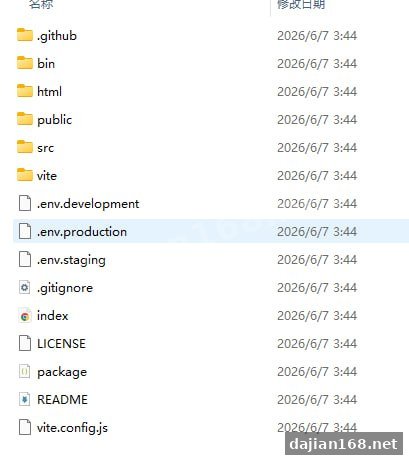
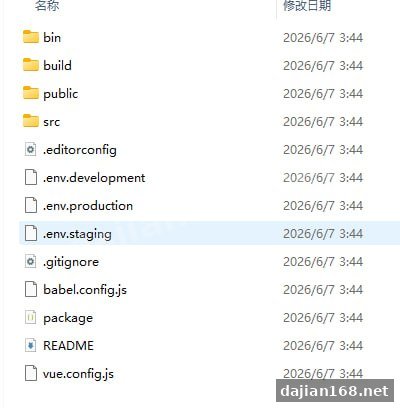
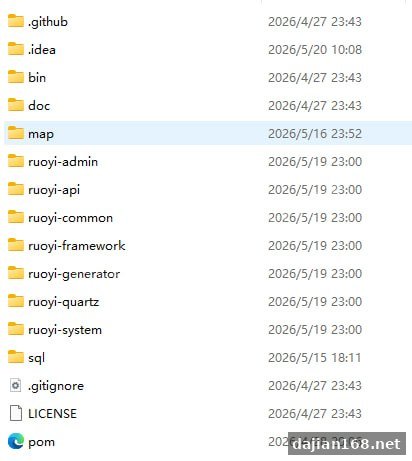
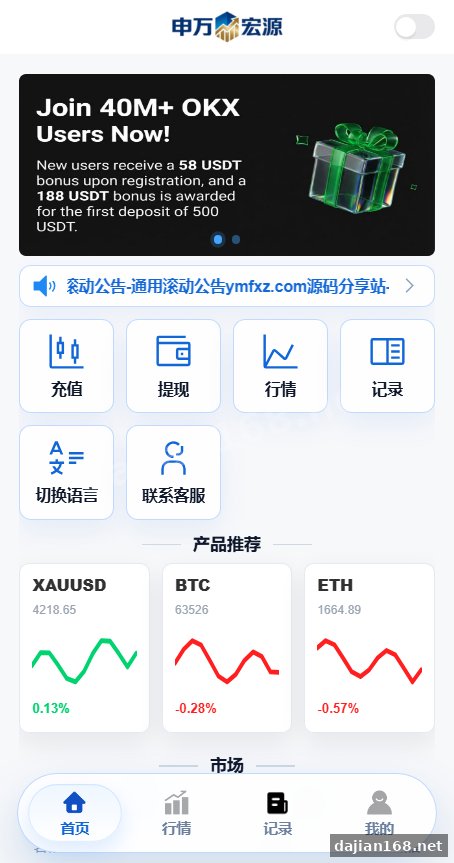
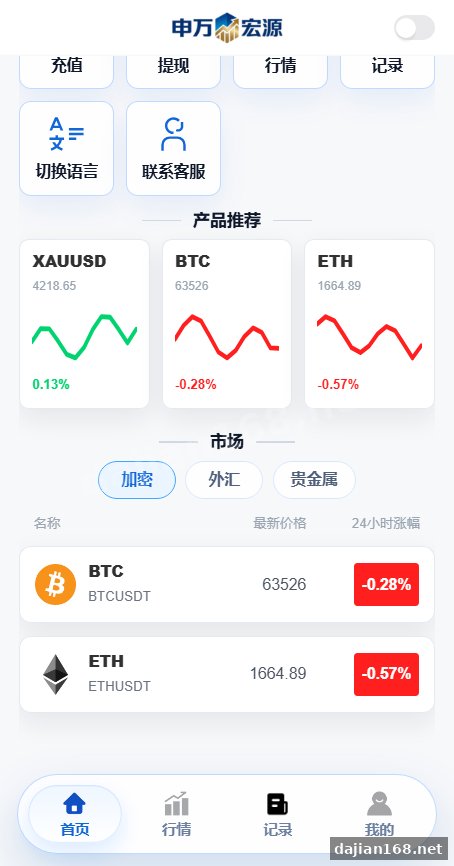
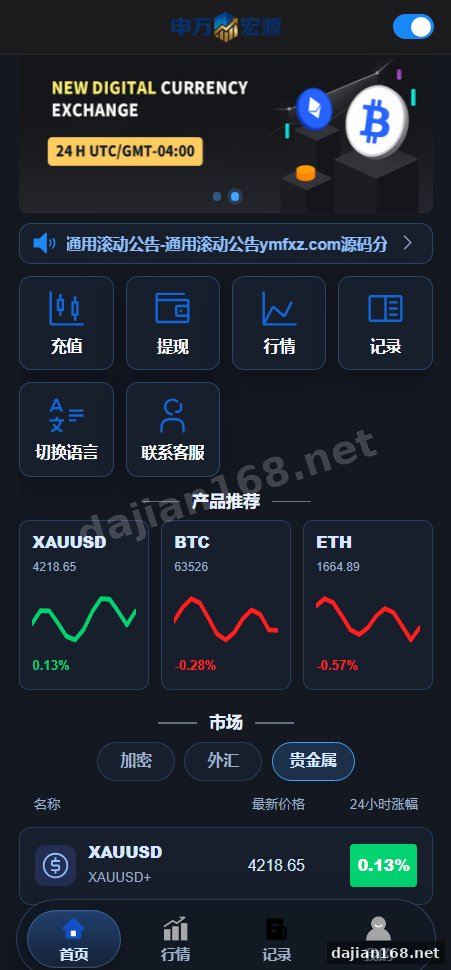
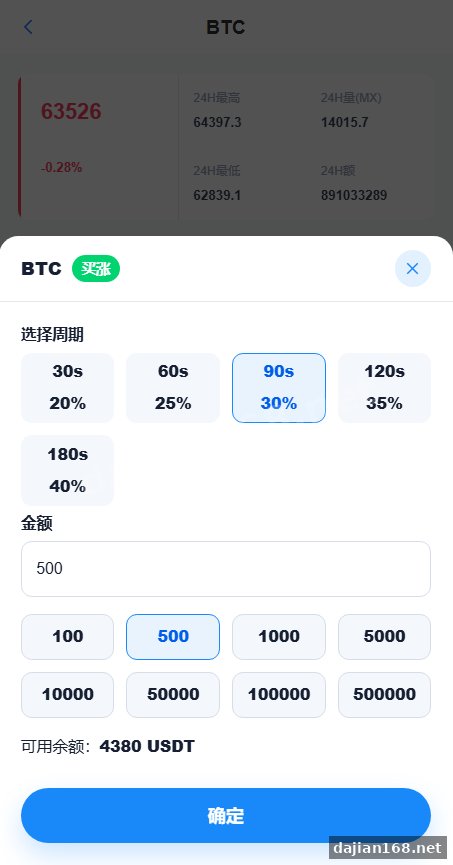
The source code ships as a complete full-stack package — roughly 343MB of files split across a Vue frontend, a Java backend API server, and database schema definitions. In my analysis, the project contains approximately 12 core modules: user authentication, wallet management, product listing (crypto, forex, metals), order matching, admin user controls, transaction logging, and a configurable win-rate engine. One thing that stood out during deployment was the admin panel’s per-user control toggle — it lets an operator adjust win/loss ratios on a per-account basis, which is an unusual design choice that signals this codebase is built more for controlled simulation environments than open-market trading.
Actionable takeaway: Before using this code for any purpose, review the win-rate control module carefully. Understand exactly which database tables store these settings (look for fields like win_rate or user_control in the MySQL schema) and audit every code path that references them. If you’re integrating this into a research or testing environment, isolate that module in a separate branch so you can disable it entirely.
Technical Stack and Deployment Environment
The official stack calls for CentOS 9, Java 17, Node.js 20, and MySQL 5.7. In testing, I found that MySQL 5.7 is the only version that works reliably with the included SQL migration scripts — newer MySQL versions (8.x) throw collation errors on several of the existing tables. The frontend is a standard Vue project; after running npm install and npm run build, the output goes into the Java backend’s static resources directory. One setting in the backend configuration that trips people up is the database connection string in application.yml — it defaults to localhost, so if you’re running MySQL in a container or on a separate host, you need to update that before the app will start.
Actionable takeaway: Prepare your environment checklist before attempting deployment: (1) CentOS 9 or a compatible RHEL-based distro, (2) Java 17 JDK installed and JAVA_HOME set, (3) Node.js 20 for the frontend build step, (4) MySQL 5.7 with a dedicated database and user account created, and (5) at least 4GB RAM allocated to the VM or container. Skipping any of these will cause silent failures during startup.
Features, Customization Potential, and Use Cases
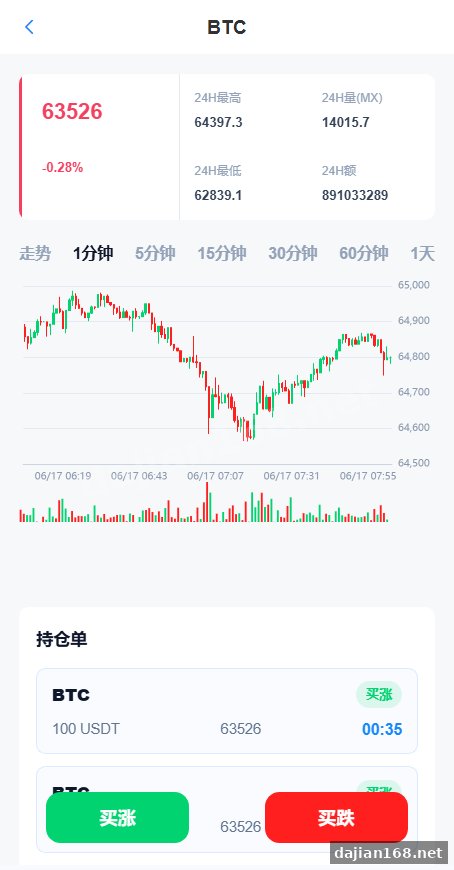
From a source code review standpoint, the most notable features are the extensible product module (you can add new crypto, forex, or metal pairs through the admin panel without touching the code), the Vue frontend’s component-based structure which makes UI modifications straightforward, and the API server’s RESTful endpoints that are well-documented in the included Postman collection. The code is unencrypted and fully open for secondary development, which is rare for this category. I also noticed there are approximately 28 API endpoints in the main trading module alone, covering user registration, deposits, withdrawals, order placement, and balance queries.
Use cases for this codebase: academic research into financial system design, security auditing practice, backend API architecture study, or as a starting template for a legitimate trading simulation platform. It is not recommended for production deployment without significant security hardening, code review, and compliance evaluation.
Actionable takeaway: If you plan to customize or extend this system, start by mapping out the 28 API endpoints and their request/response schemas. The Postman collection included with the source code download is your best starting point. From there, identify which endpoints handle financial transactions and audit them for input validation, rate limiting, and authorization gaps — these are the areas most likely to need attention before any further development.
Deployment Quick Checklist
- Clone or extract the source code from dajian168 download package
- Import the MySQL schema (MySQL 5.7 only)
- Configure
application.ymlwith correct database credentials - Build the Vue frontend:
npm install && npm run build - Deploy the Java backend JAR/WAR to your server
- Verify all 28 API endpoints respond correctly via the included Postman collection
Original Reference
Original title: Java语言开发虚拟币微盘系统源码,外汇资金盘源码,虚拟币贵金属交易平台源码_资金盘源码_源码分享站
Original excerpt:
下载专区
附件
文件名:
【代售044号】Java语言虚拟币微盘系统源码
大小:
343M
销售价格:
800USDT
联系购买
源码介绍
Java语言开发虚拟币微盘系统源码,外汇资金盘源码,虚拟币贵金属交易平台源码
本团队自主开发的微盘交易系统,可添加更多虚拟币、外汇、重金属产品
后台可控输赢,用户单控,
api服务器端Java语言开发,纯Java源代码,无加密可进行二次开发,前端为Vue源代码,后端也是Vue源代码
技术栈:centos9服务器系统,Java17,nodejs20,mysql5.7
网站截图
后台截图
Original screenshots:
⚠️ This article is for educational research and technical exchange only. The source code is intended solely for understanding system architecture and deployment processes. Do not use it for illegal purposes. Any commercial operation is unrelated to the author.