Task Distribution System Source Code: Task Scheduling and Queue Management Deployment Notes
Task Distribution System Source Code: Task Scheduling and Queue Management Deployment Notes
Disclaimer: This article is for technical education and demonstration only. It is not professional or financial advice. Any real-world deployment must comply with applicable laws and regulations.
Recently I helped a client deploy a multi-task distribution system. The frontend is built with uniapp, and the backend is fully open-source ThinkPHP with the complete frontend source included. The client wanted an internal task dispatching platform where repetitive work like short video review, content tagging, and survey completion is broken into small tasks and assigned to different people. I spent two days getting the source code to run, hit a few pitfalls along the way, and I’m writing the process down here.
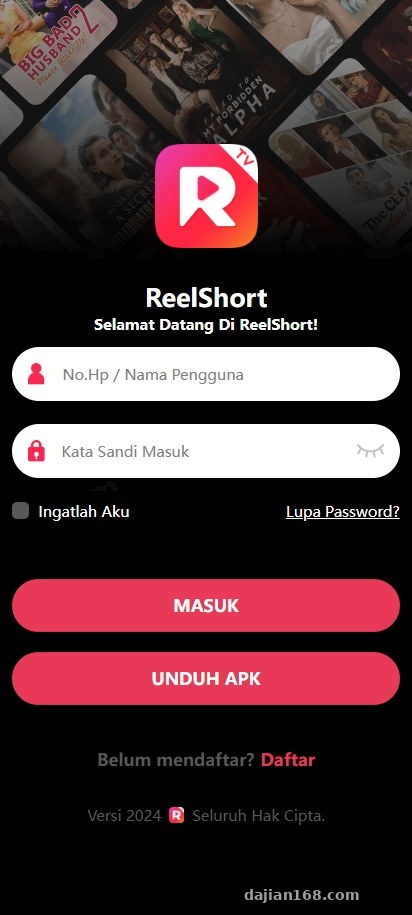
Hands-on testing: task distribution and queue control are the core
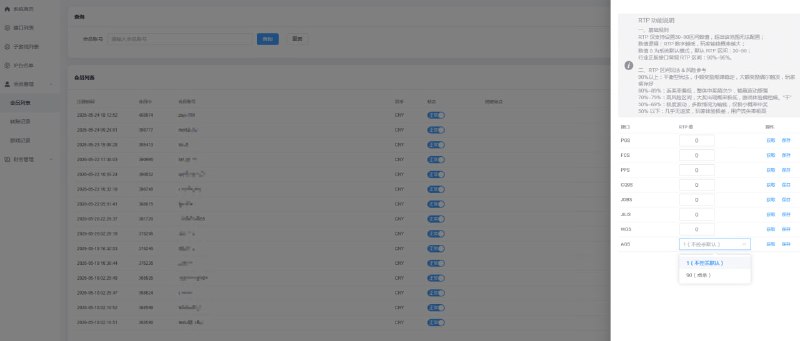
The most valuable part of this system is its task chain queue control. The team used to assign tasks with Excel, and nobody knew who was holding a particular task. Now the backend can set task dependencies, so the next task is not pushed to the next person until the previous one is finished. Task statuses sync in real time, and the mini-app frontend shows the current queue progress. After finishing one task, the worker automatically receives the next one.
Frontend task submission and review module
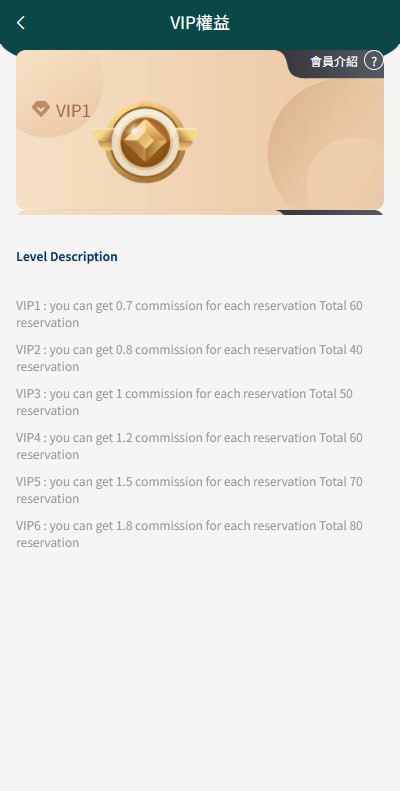
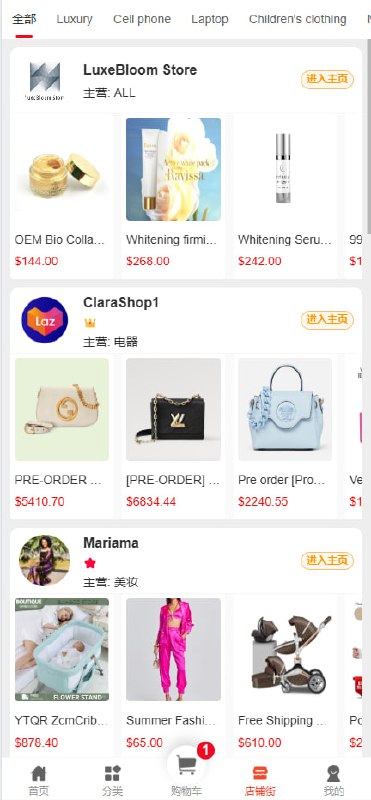
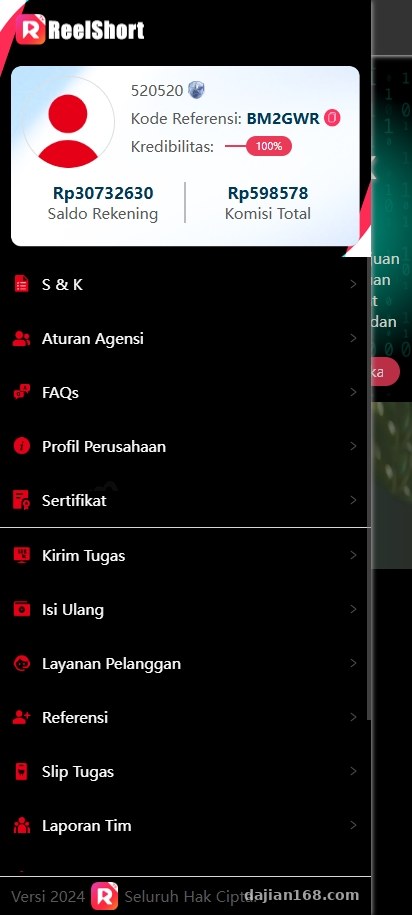
The frontend is built with uniapp. It currently defaults to Indonesian only, but the language package is independent and easy to modify. After users submit a task, they can give a star rating or choose a preset comment. The backend then integrates these reviews into a quality assessment. This design is convenient because you don’t need a separate performance module; you can reuse the review data directly.

Task chain queue control details
The backend task engine supports multi-level queues, and each queue can be bound to a different handler group. For example, after queue A finishes, the task is automatically pushed to queue B, and queue B can be configured with timeout resend. I tested with 1,000 tasks issued concurrently; the queue response was acceptable, and there was no freezing or duplicate assignment. The database schema includes task_queue and task_log tables, the logic is clear, and secondary development is straightforward.
Highlight: the task chain queue control is quite detailed, supporting priority, timeout resend, and dependent tasks, making it suitable for multi-person collaborative pipeline task processing.
Deployment essentials: ThinkPHP + uniapp environment setup
The backend is ThinkPHP, requiring PHP 7.4 or above. I used PHP 8.0 and it ran fine. The database is MySQL 5.7, and Redis is mandatory because the real-time queue state is implemented using Redis lists and hashes. During deployment, first import the SQL file, then update the .env file with the database connection and Redis configuration.
Frontend packaging notes
The frontend uniapp should be opened with HBuilderX. If only Android is needed, cloud packaging is enough. However, many of the client’s users are on iPhones, so iOS packaging requires certificates. Make sure to set the Bundle Identifier correctly in the manifest. Also, don’t leave the API address as localhost. I forgot to change it at first, and the real device test failed to connect to the API, which wasted half a day.
Secondary development suggestions
If you want to connect your own payment gateway, the backend PayController has reserved extension hooks. I embedded the native Alipay and WeChat SDKs directly, and it took about half an hour. The system currently supports a single language, but I checked the language package files: they use a standard key-value structure. To add English or Simplified Chinese, just copy the language file and translate the values.
Who is this suitable for
This source code is suitable for building an internal enterprise task management platform, such as content review teams, data labeling teams, or crowdsourced task distribution platforms. It can also be used as a task acceptance system, but I don’t recommend using it for incentive sharing or multi-level rebate schemes, since those can create compliance problems. In this project, I built a compliant task scheduling system for the client, with all operations logged and traceable for auditing.

FAQ
Q: Does this system require Redis?
A: Yes, the task queues and online status depend on Redis. If Redis is not installed, the backend will throw errors. I recommend Redis 6.x or higher, and the more memory the better.
Q: It only supports Indonesian. Can it be changed to other languages?
A: Yes. The frontend uniapp language package is under the lang directory, and the backend language package is under application/lang. Replace the corresponding key-value pairs. I added a Chinese language package for the client; it took less than an hour.
Q: What is the maximum number of levels the task chain queue can be configured to?
A: I didn’t test an upper limit. Theoretically it can be nested indefinitely, as long as you add child queues in the backend task queue settings. In practice, I recommend keeping it within 10 levels, because a deeper queue makes debugging and troubleshooting more difficult.
One last note: this article is for technical education only. Use the source code only for legal task distribution and management purposes, and comply with all applicable laws and regulations.
Disclaimer: This article is for technical education and demonstration only. It is not professional or financial advice. Any real-world deployment must comply with applicable laws and regulations.
#task distribution #task scheduling #queue management #multi-language deployment #source code build
-
 Alipay QR Code Scan
-
 WeChat Scan Pay