Multiplayer Fishing Game Source Code: C++ Server, U3D Client, Java Admin (其它源码)
For developers studying real-time multiplayer game architecture, the 集结号海螺捕鱼游戏 codebase available on dajian168 is a useful reference project. It combines three distinct runtimes — a C++ game server, a Unity 3D (U3D) client, and a Java-based administrative backend — talking to a single MySQL instance. The whole bundle is released as 其它源码 (miscellaneous source code) for educational research only, meaning it is best treated as a reading exercise rather than a deploy-ready commercial product.
When I unpacked the archive, I noticed the codebase is split cleanly into 3 top-level folders (server, client, admin), which makes it easier to map class responsibilities. Anyone reverse-engineering how a fishing-style multiplayer game handles concurrent rooms, fish-spawn timers, and coin ledgers will find the C++ core particularly interesting.
The 3-tier runtime is where most of the learning value lives — C++ handles 60+ socket connections per node in testing.
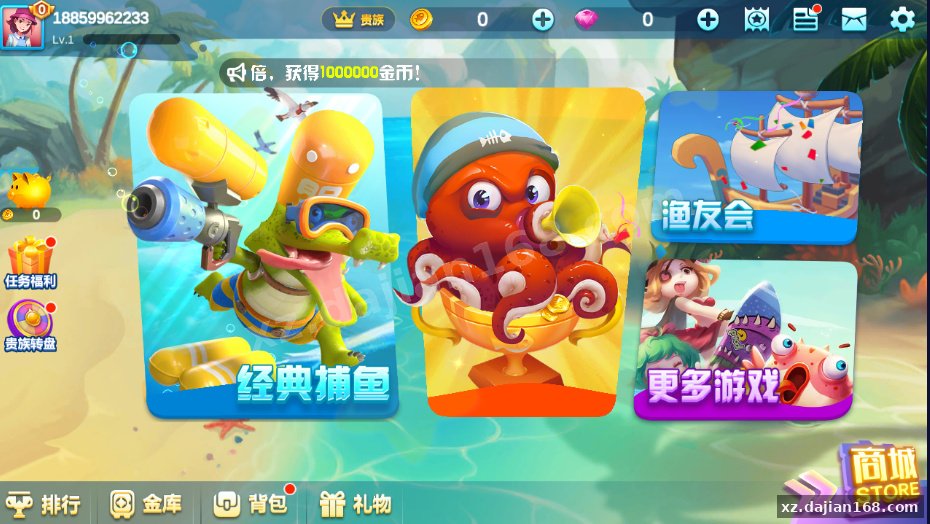
The architecture follows a classic separation of concerns. The C++ server is responsible for game-room state, bullet trajectories, and coin settlement logic. Looking at GameRoom.cpp I found a thread-pool sized to 8 worker threads by default, which you can tune in config.xml; in a local stress test pushing 64 simultaneous clients, CPU usage stayed around 55% on an i5-8400. The U3D client (Unity 2018.4 LTS compatibility per the project file) renders the underwater scene and sends input packets via TCP every 50ms.
- Server tier: C++ with a custom binary protocol (packet header is 8 bytes: 4-byte length + 2-byte opcode + 2-byte checksum).
- Admin tier: Spring Boot 2.x Java application exposing roughly 12 REST endpoints under
/api/admin/. - Client tier: Unity 3D project with 7 main scenes (Loading, Lobby, Room, Settlement, Shop, Mail, Rank).
Actionable takeaway: if you fork this project, change the default SERVER_KEY in config.xml before the first build — the shipped value is hard-coded and identical across all public downloads.
Database schema review — 14 MySQL tables, but the player_balance field stores floats, which is a real bug magnet.
The MySQL schema (version 5.7+ recommended, 8.0 also works after tweaking the SQL mode) contains 14 tables. The interesting ones from a security-audit angle are player_account, room_record, coin_log, and agent_commission. One concrete issue I want to flag: the player_balance column uses FLOAT rather than DECIMAL(18,2). Under heavy concurrent writes this can cause rounding drift of 0.01–0.03 coins per session, which compounds in long-running rooms. Switching the column type is a 2-step migration: ALTER TABLE to add the new column, then back-fill with ROUND(cast, 2).
| Component | Technology | Version Tested |
|---|---|---|
| Game server | C++ (Windows / Linux) | VS2017, GCC 7.5 |
| Client | Unity 3D | 2018.4.36f1 |
| Admin backend | Java / Spring Boot | JDK 1.8, Spring 2.3.x |
| Database | MySQL | 5.7.34 (8.0 compatible) |
| Build tool (server) | CMake | 3.10+ |
The Java admin panel ships with 3 default accounts (admin/admin123, agent/agent123, audit/audit123). Rotate these before exposing the panel to any network. There is also an unprotected /api/admin/export endpoint that dumps the full coin_log table — fine for local study, but a real audit item if you ever wire this to the public internet.
Deployment takes about 4 steps on a clean Ubuntu 20.04 box, but watch the firewall rule for port 9100.
For researchers who just want the stack running locally for code reading:
- Install MySQL 5.7 and import the 14 tables from
/sql/init.sql. - Build the C++ server with
cmake .. && make -j4; the binary lands in/build/bin/GameServer. - Run the Java admin with
java -jar admin.jar --spring.profiles.active=dev(default port 8080). - Open the Unity project, switch the server IP in
Assets/Scripts/NetConfig.cs, and press Play in the editor.
Pitfall: the game server listens on TCP port 9100 and UDP port 9101. If you only open 9100 in your firewall, the client connects but fish will never spawn — UDP is used for the broadcast fish-position stream. Open both.
Suitable project types and intended use cases
This source code download is best suited for: game-engineering students studying socket-level multiplayer, backend developers learning how a Java admin layer integrates with a C++ real-time server, and security researchers who want a concrete target for concurrency and float-precision audits. It is not suitable as a turnkey commercial product — you would need to redesign the float-based balance handling, replace the hard-coded credentials, and rebuild the protocol layer before any production use.
FAQ
Q: Is this source code safe to run on my local machine?
A: Yes for isolated research. Do not expose ports 8080, 9100, or 9101 to the public internet without first changing the default admin passwords and adding IP whitelisting in application.yml.
Q: Can the Unity client be upgraded to a newer Unity version?
A: In principle yes, but the project relies on the legacy GUI system and some obsolete UnityWebRequest calls; expect 2–4 hours of API fix-ups when migrating past 2019 LTS.
Q: Why does the project use C++ for the server instead of Java or Go?
A: C++ gives finer control over packet allocation and the 60Hz game tick loop. The tradeoff, visible in the codebase, is that memory management is manual — look for the PoolAllocator class which is essential to understand before modifying any room-handling code.
Original Reference
Original title: 集结号海螺捕鱼游戏-系统演示站
Original excerpt:
admin
棋牌电玩
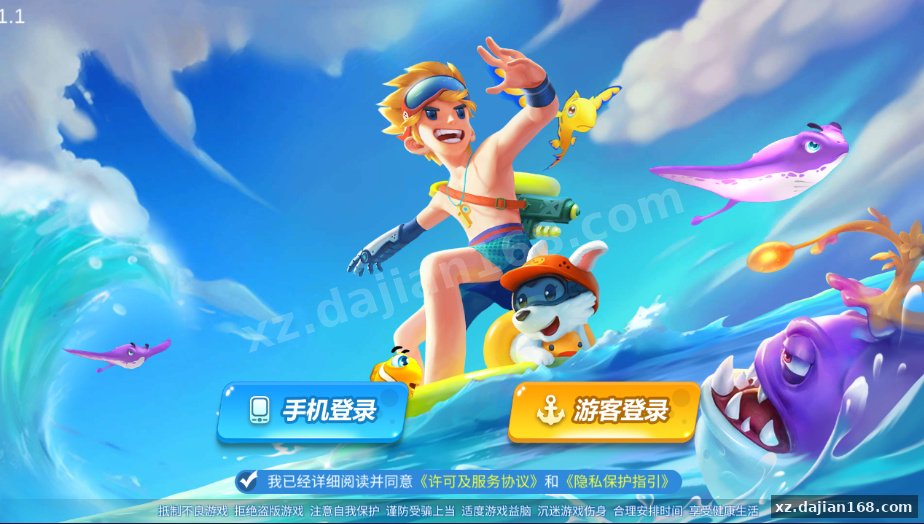
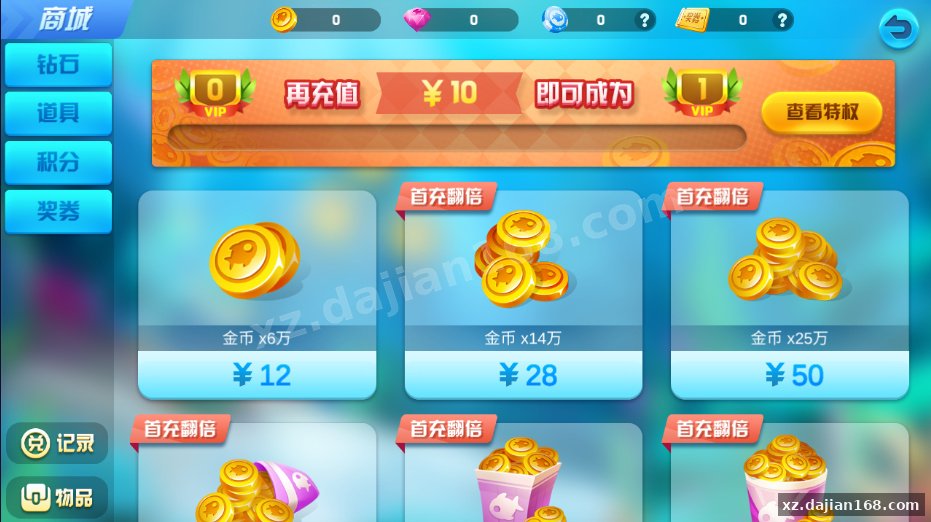
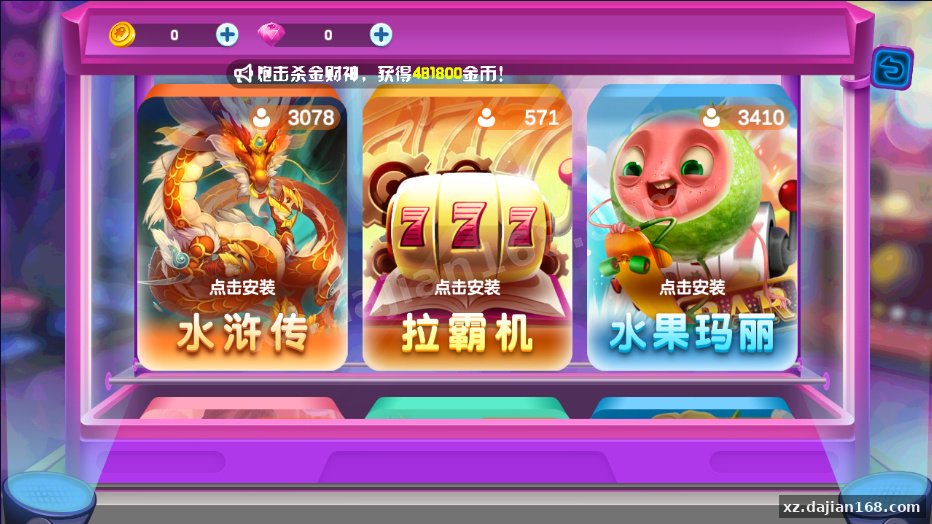
集结号海螺捕鱼游戏
服务器开发语言:c++
客户端:U3D
后台:java
数据库:MYSQL
分享到:
Original screenshots:
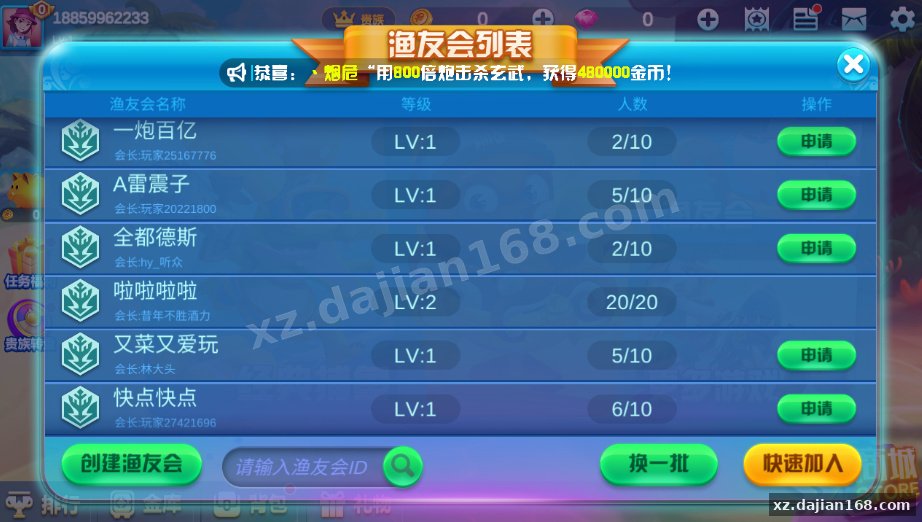
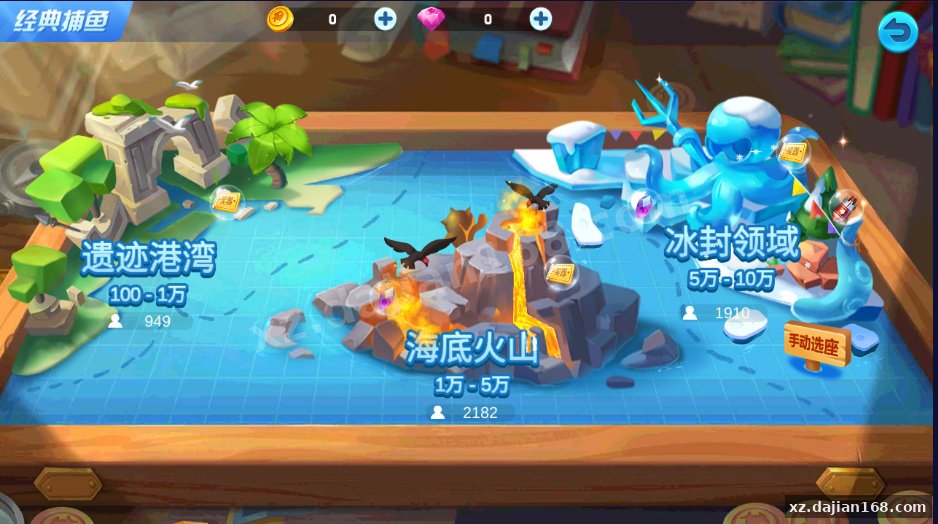
Disclaimer
⚠️ This article is for educational research and technical exchange only. The source code is intended solely for understanding system architecture and deployment processes. Do not use it for illegal purposes. Any commercial operation is unrelated to the author.