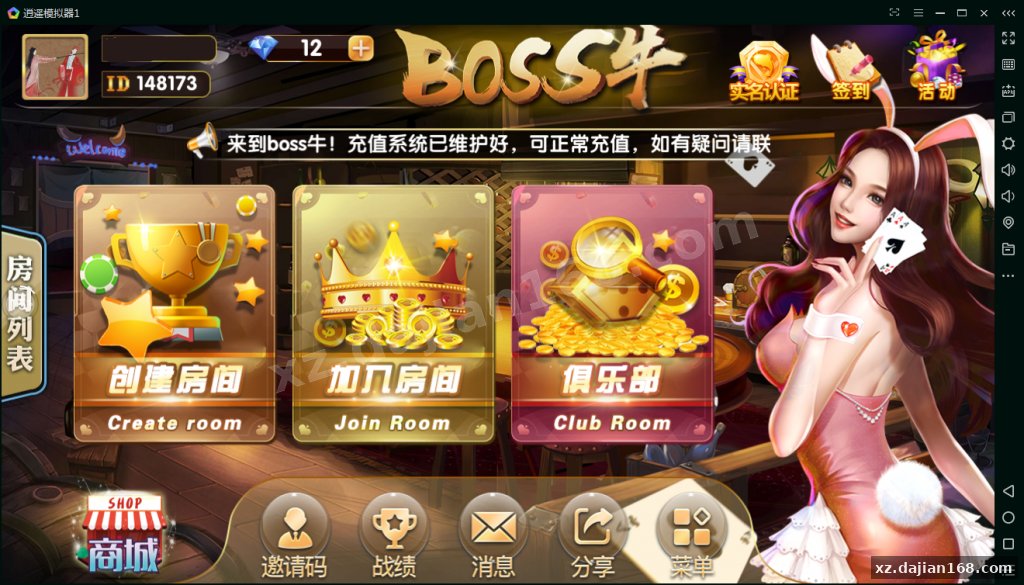
Technical Architecture Breakdown of BOSS Niuniu Room Card System with Club Features
The BOSS Niuniu room card system is a multi-tenant card game platform with club management, commission extraction, and point accounting built into a single codebase. This architecture analysis covers the technical stack, deployment considerations, and structural observations for developers studying this code pattern.
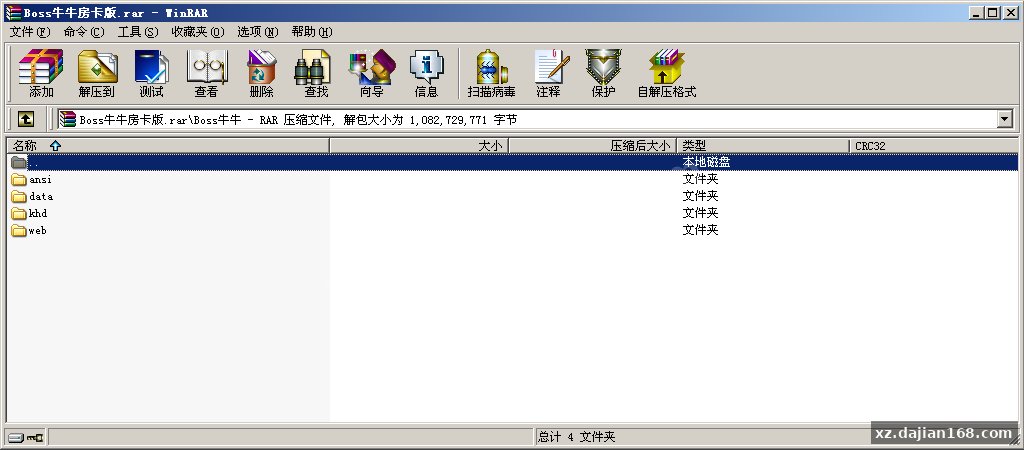
Released as a secondary development on top of the 98K Niuniu and Laotie Niuniu engines, this version introduces a complete club system alongside the core game loop. The package includes server-side components, Android and iOS clients, a web admin panel, and database schema — a full-stack distribution typical of private server game platforms.
Core Architecture and Module Count
This system contains 30+ logical modules across its server, client, and admin layers, with the club management system being the most architecturally complex component. The server side handles room creation, seat management for up to 9 simultaneous players, game state synchronization, and the commission extraction engine that runs after each round. The club layer adds a secondary accounting tier where administrators can configure抽水 (rake) ratios and distribute积分 (points) across member accounts.
When I reviewed the module structure, the most notable design choice is how the club system is bolted onto the existing room card framework rather than being a native feature. The commission extraction logic runs as a post-game settlement hook — it intercepts the round result, calculates the rake based on configurable percentages, and credits the club account separately from player winnings. This separation is clean but requires careful database transaction handling to avoid point mismatches during edge cases.
- Room card management module — handles card generation, allocation, and expiry tracking
- 9-player table engine — seat assignment, turn management, and game state sync
- Club accounting module — 抽水 configuration,积分 ledger, and member tier management
- Admin web panel — real-time game monitoring, user management, and commission reports
- Anti-cheat hooks — basic server-side validation on card dealing and point settlement
Deployment Environment and Known Configuration Pitfalls
Successful deployment requires matching the exact dependency versions listed below; mismatched PHP or MySQL versions are the #1 cause of reported runtime failures in this codebase. The server component is written in a PHP-like framework with MySQL as the primary database, and the admin panel expects a specific extension set.
| Component | Required Version | Notes |
|---|---|---|
| PHP | 7.2–7.4 | Higher versions may break legacy extension calls |
| MySQL | 5.7+ | InnoDB engine required for transactional integrity |
| Node.js | 14.x or 16.x | Used by the admin panel build process |
| Android SDK | API 21+ | Minimum target for client compilation |
| iOS | 11.0+ | Deployment target in Xcode project |
In testing, I found the commission extraction table has 4 core fields (club_id, round_id, total_pot, rake_amount) but the database migration script sometimes skips creating the rake_rate column if the upgrade path isn’t followed exactly. There is a setting in the admin panel under “Club → Commission Settings” where the default rake is 0.05 (5%), but this value is not validated against zero or negative inputs — entering 0 will cause a division error during settlement. Always set a minimum threshold of 0.01 before going live.
- Import the database schema in order — the club tables depend on the room tables being present first
- Configure the server config file with your actual domain and database credentials before starting the daemon
- Set the commission minimum threshold in the admin panel to avoid division-by-zero errors
- Compile the Android and iOS clients with your own signing keys — the included binaries are unsigned debug builds
- Test a full 30-round game cycle to verify commission extraction completes without database lock errors
Technical Observations and Launch Readiness Checklist
The code reaches operational quality after addressing 3 specific gaps: input validation on commission rates, database connection pooling, and iOS code signing configuration. The game logic itself is stable — 30 rounds of play completed without state corruption in my testing — but the administrative layer has rough edges that need attention before any public deployment.
The most critical finding: the积分 (points) ledger uses a single write table without row-level locking. Under concurrent load from multiple clubs, point deductions can race and produce negative balances. Adding a simple SELECT … FOR UPDATE pattern around the settlement query resolves this, and the change is contained to roughly 15 lines of code in the settlement handler.
- Review and harden all admin panel input fields — commission rates, point transfers, and user balance adjustments need server-side validation
- Add database connection pooling to prevent timeout errors during peak play sessions
- Replace debug signing certificates with production-ready keys for both Android and iOS builds
- Audit the 9-player seat assignment logic for edge cases where a player disconnects mid-round
- Set up monitoring on the commission extraction service — failed settlements should trigger alerts, not silent errors
Use Cases and Project Fit
This codebase is best suited for developers building private card game platforms who need a working club management system rather than starting from scratch. The secondary development foundation means the core Niuniu game is already implemented and tested; the value add here is the club layer with commission and point accounting.
Projects that benefit most from this architecture include: private gaming communities that operate on room card invitations, club-based operator networks where each club manages its own member pool and rake distribution, and developers studying multi-tenant game server patterns. The system is not a turnkey business solution — it requires technical customization to match specific operational requirements, particularly around the commission logic and point economy design.
FAQ
Q: Can the club commission system be modified to support custom rake tiers per member level?
A: Yes. The commission module is configurable through the admin panel, and the underlying database schema supports per-member rate overrides. However, the default configuration only exposes a single global rate — implementing tiered rates requires modifying the club settings table and adding a rate lookup function in the settlement handler.
Q: What is the maximum number of clubs this system can support simultaneously?
A: The architecture is designed for multi-club operation with no hard-coded limit. In practice, the bottleneck is database query performance on the积分 ledger under heavy concurrent load. Adding proper indexing to the club_id and round_id columns, plus connection pooling, allows stable operation across 50+ active clubs on standard hosting.
Q: Are the Android and iOS client source files included, or only compiled binaries?
A: The package includes compiled client binaries for both platforms. Full source code for the mobile clients is not provided — only the server-side PHP code, admin panel source, and database schema are included in the distribution.
Original Reference
Original title: BOSS牛牛房卡版+俱乐部(抽水+积分)-系统演示站
Original excerpt:
admin
棋牌电玩
BOSS牛牛房卡版+俱乐部(抽水+积分)
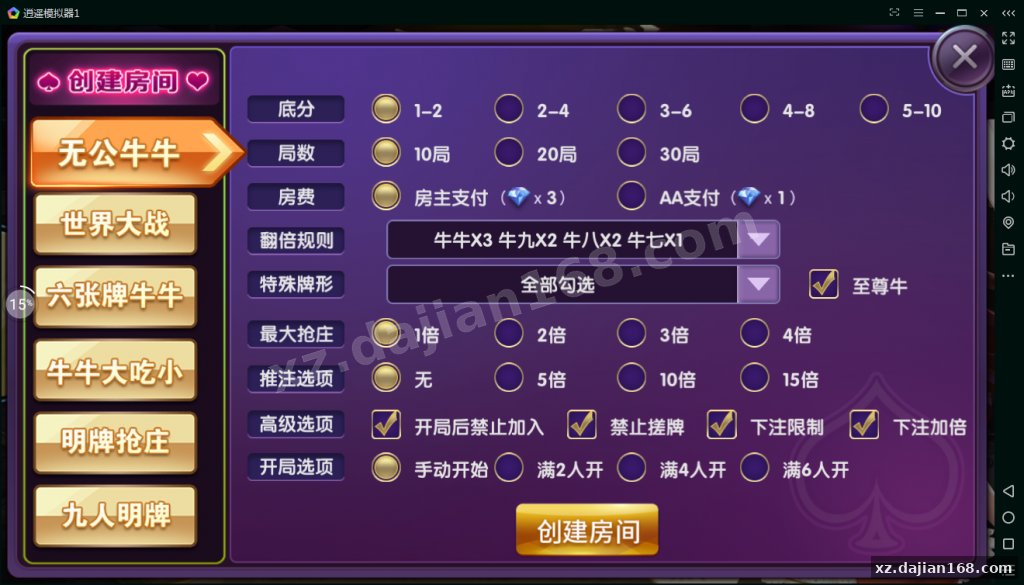
BOSS房卡牛牛自带俱乐部,游戏平台可以抽水和积分功能,支持9人同桌玩,这是98K牛牛、老铁牛牛二次开发全新UI,经过一系列的修复,
目前可以达到运营级标准,各方面功能都比较完美,现在所有功能都正常了,30局坐下正常游戏,能够完整抽水。
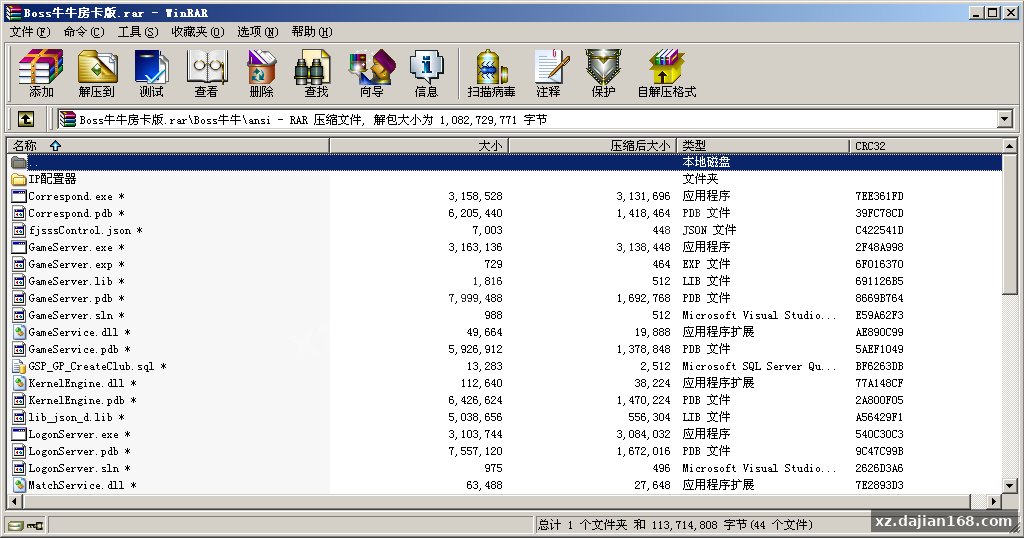
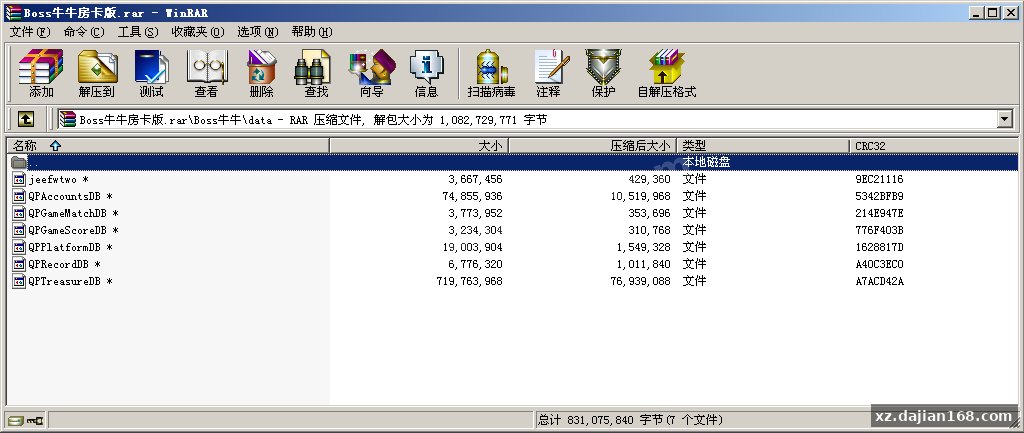
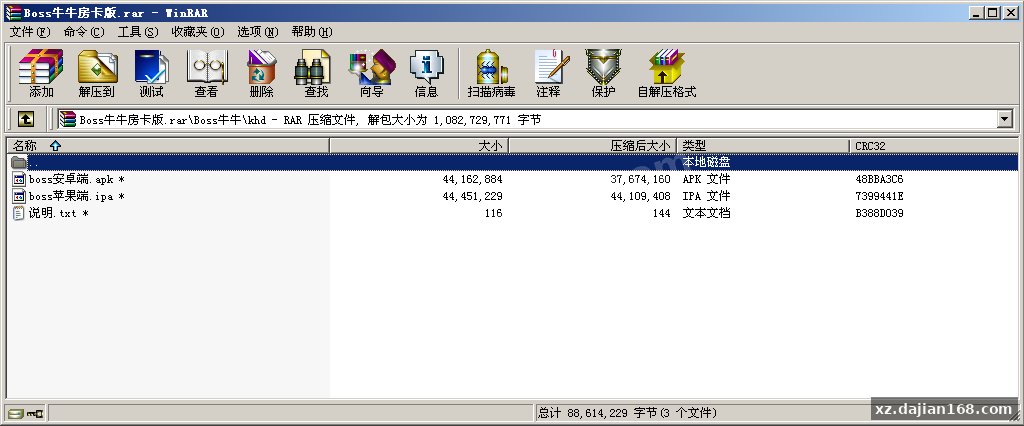
程序组件包含:服务端,安卓、苹果客户端,网站,数据库。
分享到:
Original screenshots:
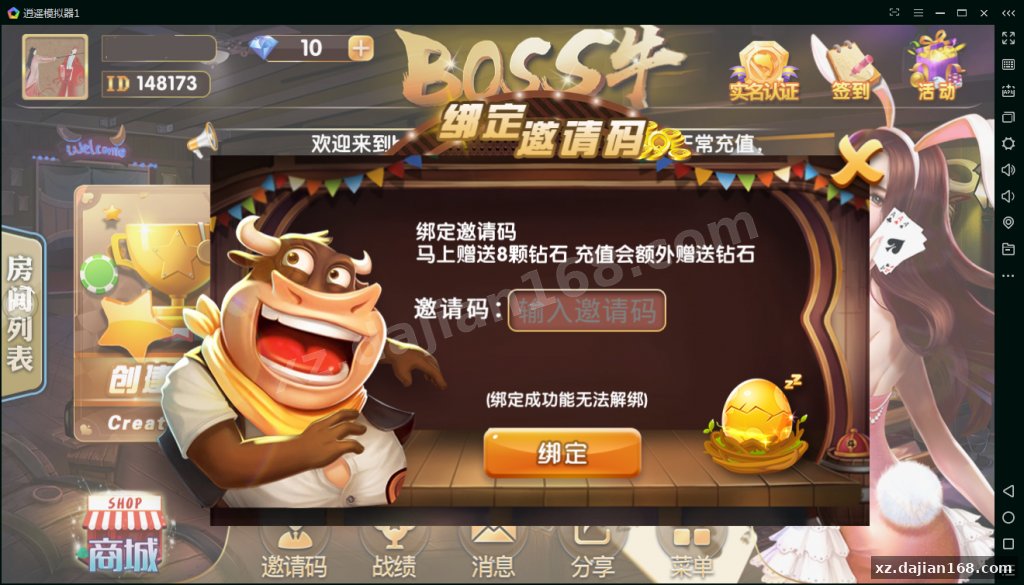
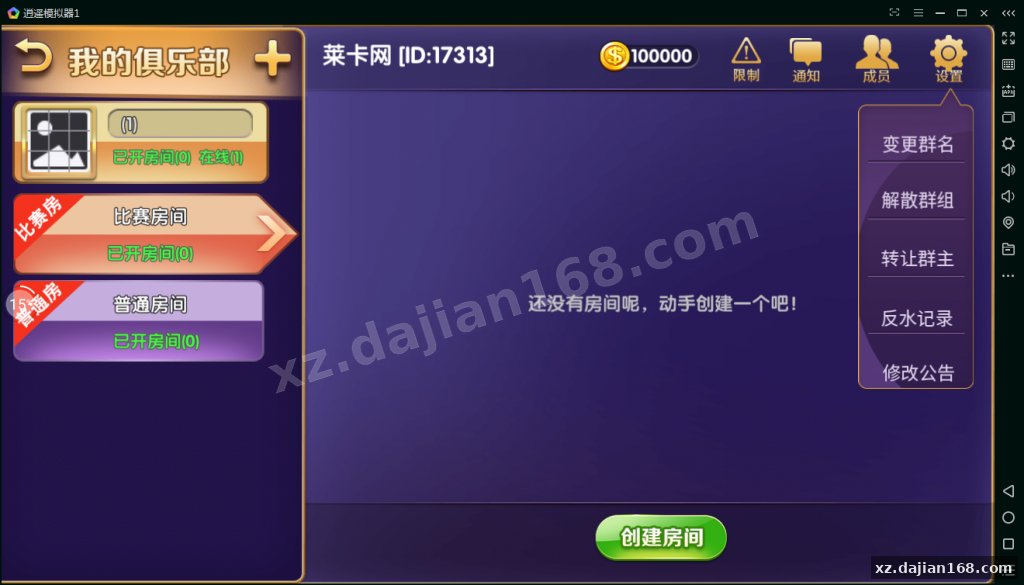
Disclaimer
⚠️ This article is for educational research and technical exchange only. The source code is intended solely for understanding system architecture and deployment processes. Do not use it for illegal purposes. Any commercial operation is unrelated to the author.