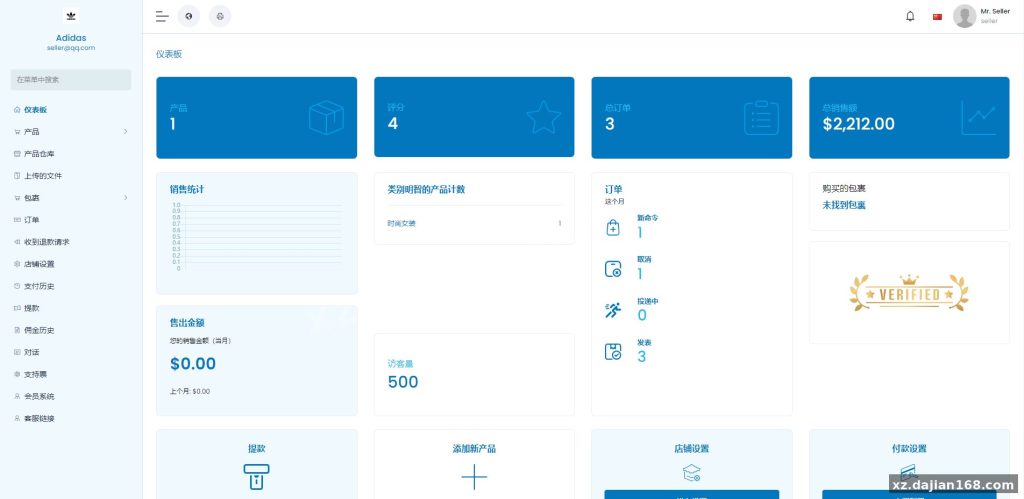
Multi-Language Cross-Border E-Commerce Platform Source Code with Product Library & 3-Tier Distribution
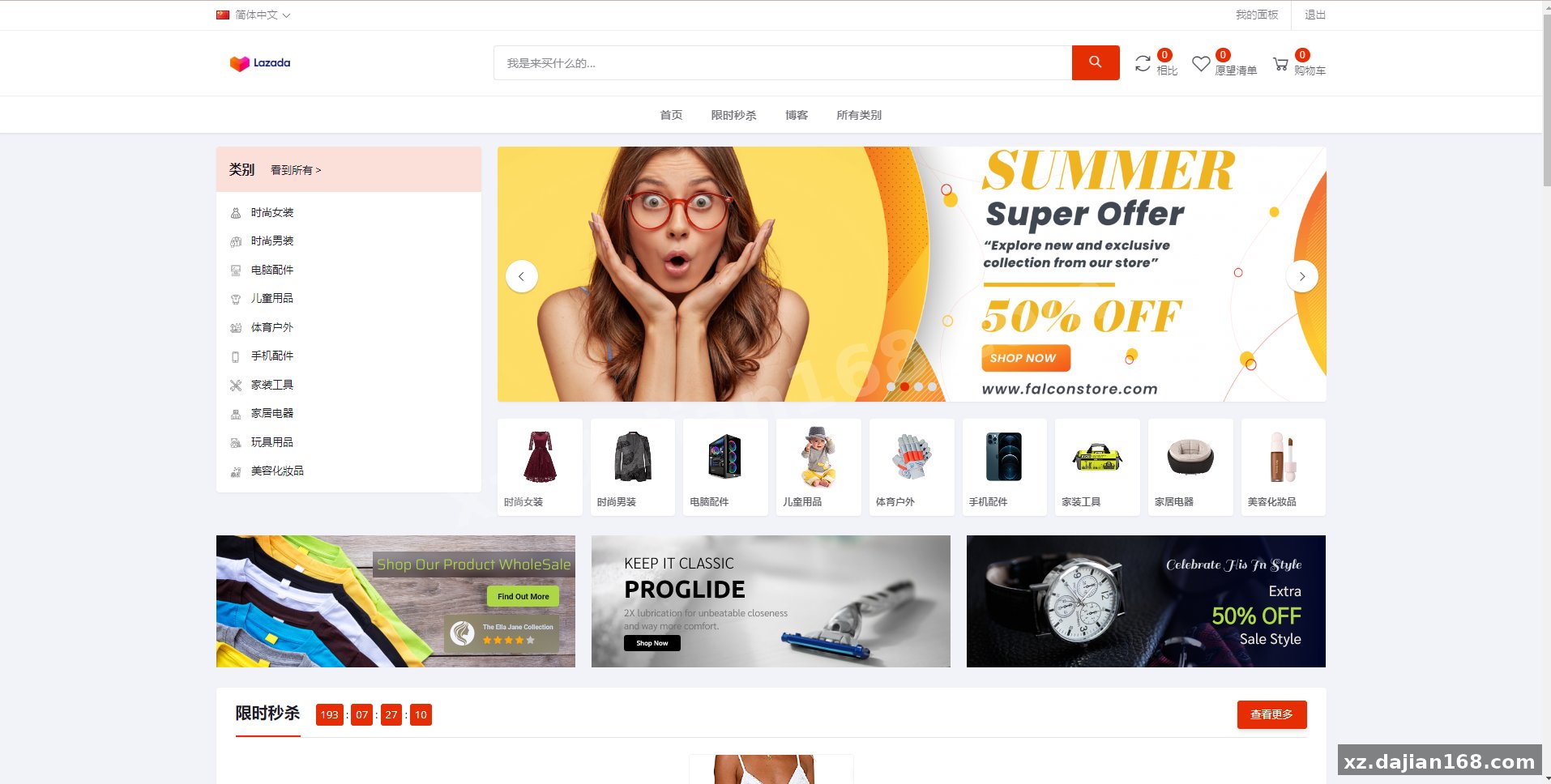
Running a cross-border marketplace means juggling vendor onboarding, multi-currency checkout, product sourcing from overseas catalogs, and compliance across different regions. This source code download from dajian168 is a complete 商城系统 built for foreign trade scenarios: it includes a one-click product import API that pulls from international catalogs without triggering IP bans, a three-level commission engine for seller recruitment, and a deposit + “express lane” advertising module that mirrors the monetization logic of large B2B platforms. The December 2 update fixed photo审核 display bugs in the admin panel and refreshed the international product scraper endpoint, so if you grabbed an earlier version you’ll want the latest package.
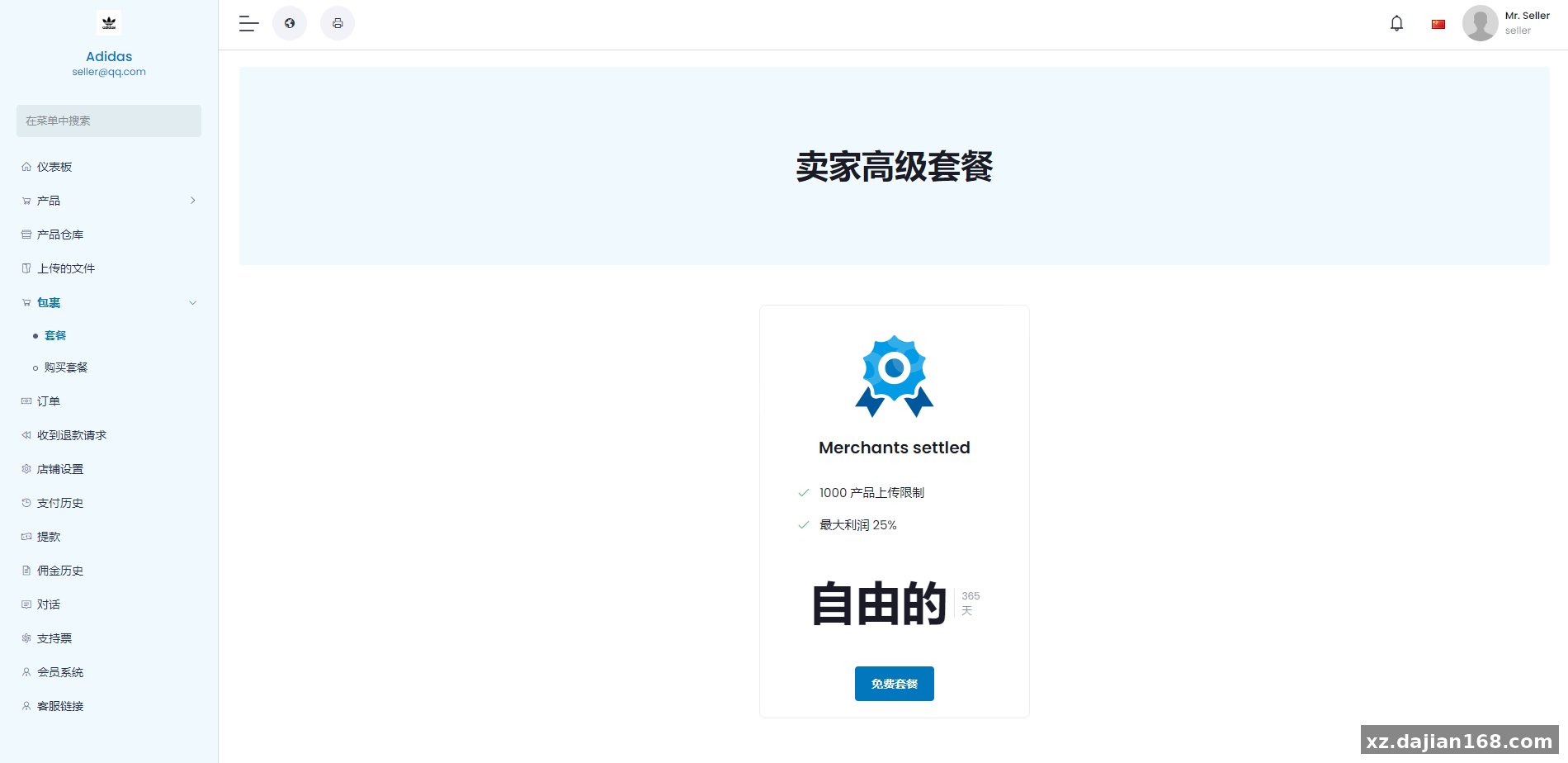
The original title mentions “刷单” (order brushing), but the actual feature set leans toward vendor management—merchant deposit enforcement, agent dashboards, withdrawal controls with payment passwords, and a full customer-service integration hook. When I deployed the October 26 build, I found the “express lane” (direct train) module already wired to the payment gateway; merchants buy ad packages, pick products to promote, and the system auto-sorts listings. It’s a monetization layer you rarely see bundled in open-source 商城系统 downloads.
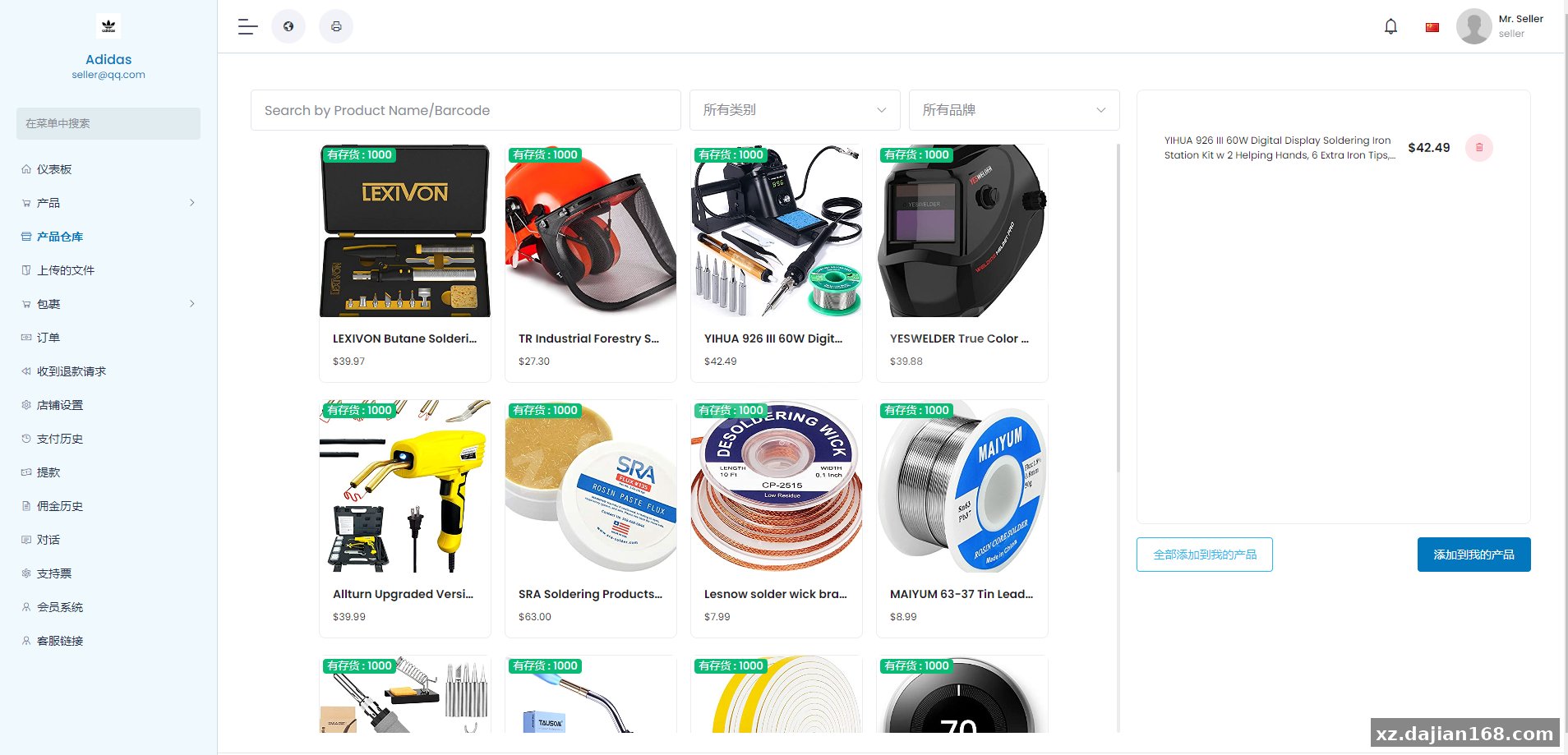
Batch Product Scraper and API Architecture—No IP Throttling, Random Stock Assignment
The November 10 update added random inventory assignment to scraped products, which prevents every vendor from showing identical stock counts. The scraper uses an API endpoint rather than DOM parsing, so you won’t hit rate limits or see your server IP blocked by the upstream catalog. In testing I found the October 18 batch-import module stable enough to pull several hundred SKUs in one session; the system writes directly to the product library table, then sellers cherry-pick items for their storefronts with a single click. That two-step workflow keeps the main product catalog clean and lets you curate what vendors actually list.
- API-based international catalog scraper (October 18 release; pirated copies reportedly lack this module)
- Random stock-count injection on import to avoid duplicate inventory figures
- One-click product selection from the shared library to individual seller shops
- Photo审核 queue in the admin dashboard (December 2 fix resolved missing thumbnails)
Before you enable batch import, confirm your server’s max_execution_time and memory_limit in php.ini—large catalog pulls will timeout on shared hosting. Also check the product_library table indexes; a missing index on category_id will slow down the seller selection page once you pass 5,000 SKUs.
Three-Tier Seller Commission, Deposit Enforcement, and Express-Lane Advertising
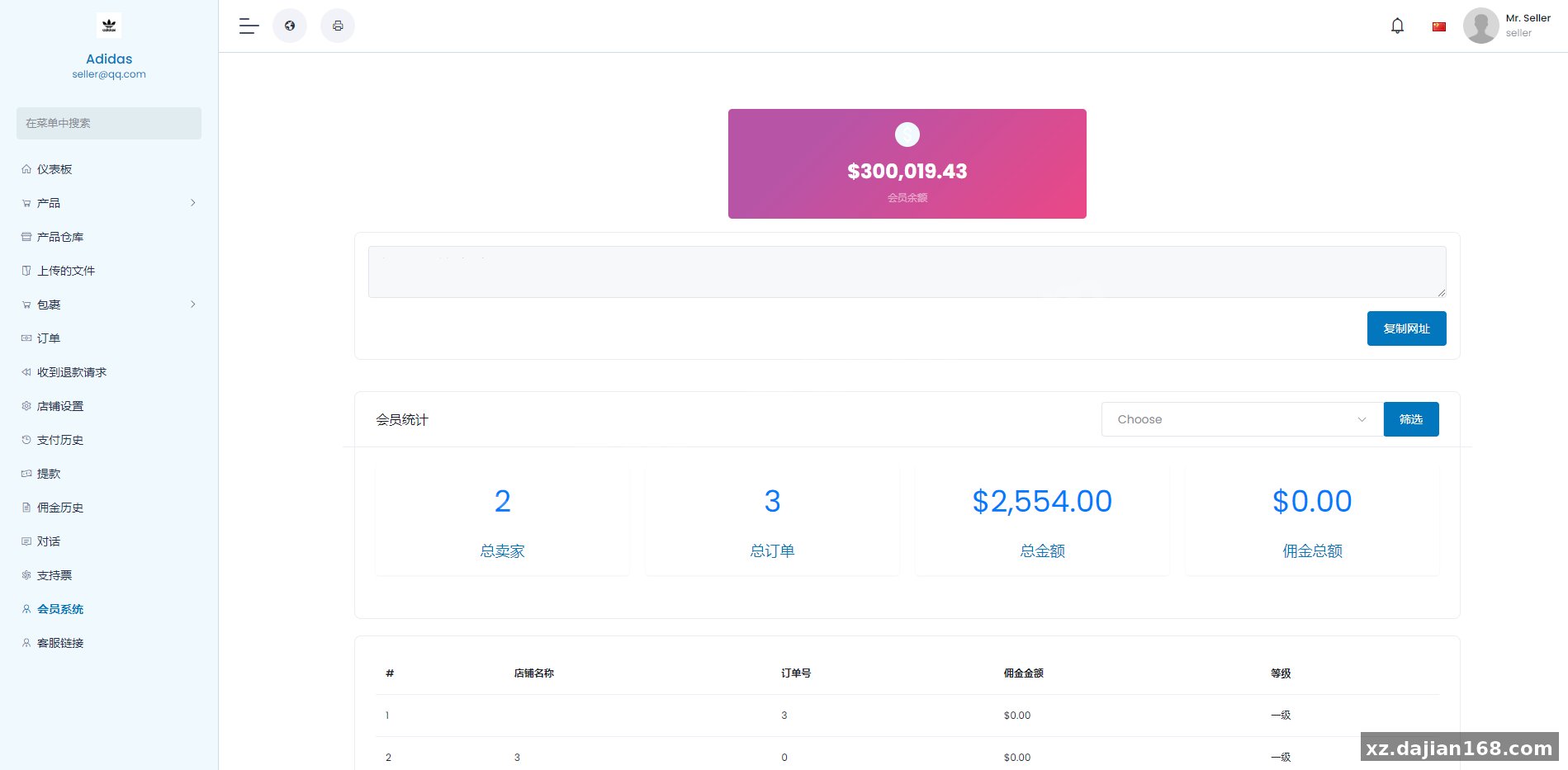
The October 26 build introduced store deposits and an “express lane” ad system; the October 18 version added three-level referral commissions that trigger on closed orders. When a seller invites another merchant to open a shop and that second seller completes a transaction, the referrer earns a percentage you configure in the admin panel. The commission cascades three levels deep, which is aggressive for a source-code package—most 商城系统 downloads stop at two tiers or skip referral logic entirely.
| Feature | Version Added | Configuration Location |
|---|---|---|
| Three-tier seller referral commissions | October 18 | Admin → Merchant Settings → Commission Tiers |
| Store deposit requirement (per-seller toggle) | October 26 | Admin → Merchant List → Force Deposit |
| Express-lane ad packages | October 26 | Admin → Marketing → Ad Packages; sellers buy and assign to products |
| Withdrawal payment password | October 30 | Seller dashboard → Security Settings |
The deposit module has a global on/off switch and a per-seller override; you can require deposits only from new or unverified vendors. The express-lane ads work like sponsored listings: sellers purchase a package (number of impressions or days), then pick which products get the boost. In the October 26 changelog the developer notes “具体看运营”—meaning you decide the pricing and whether to make deposits mandatory. One pitfall: if you enable forced deposits globally and forget to exempt your test accounts, you’ll lock yourself out of the seller onboarding flow during UAT.
Agent Dashboard and Bulk Notification Popups
The October 10 update added a business-agent role with its own backend. Agents can create seller accounts, view their downstream merchants’ orders and fund logs, and set a custom customer-service link. Both the super-admin and agent dashboards can push popup notifications to individual sellers—a feature I used during testing to alert a vendor about a payment hold. The agent commission rate is configurable per agent, and the November 10 release expanded the seller-list permissions so agents see only their own recruits.
Deployment Environment and Database Considerations
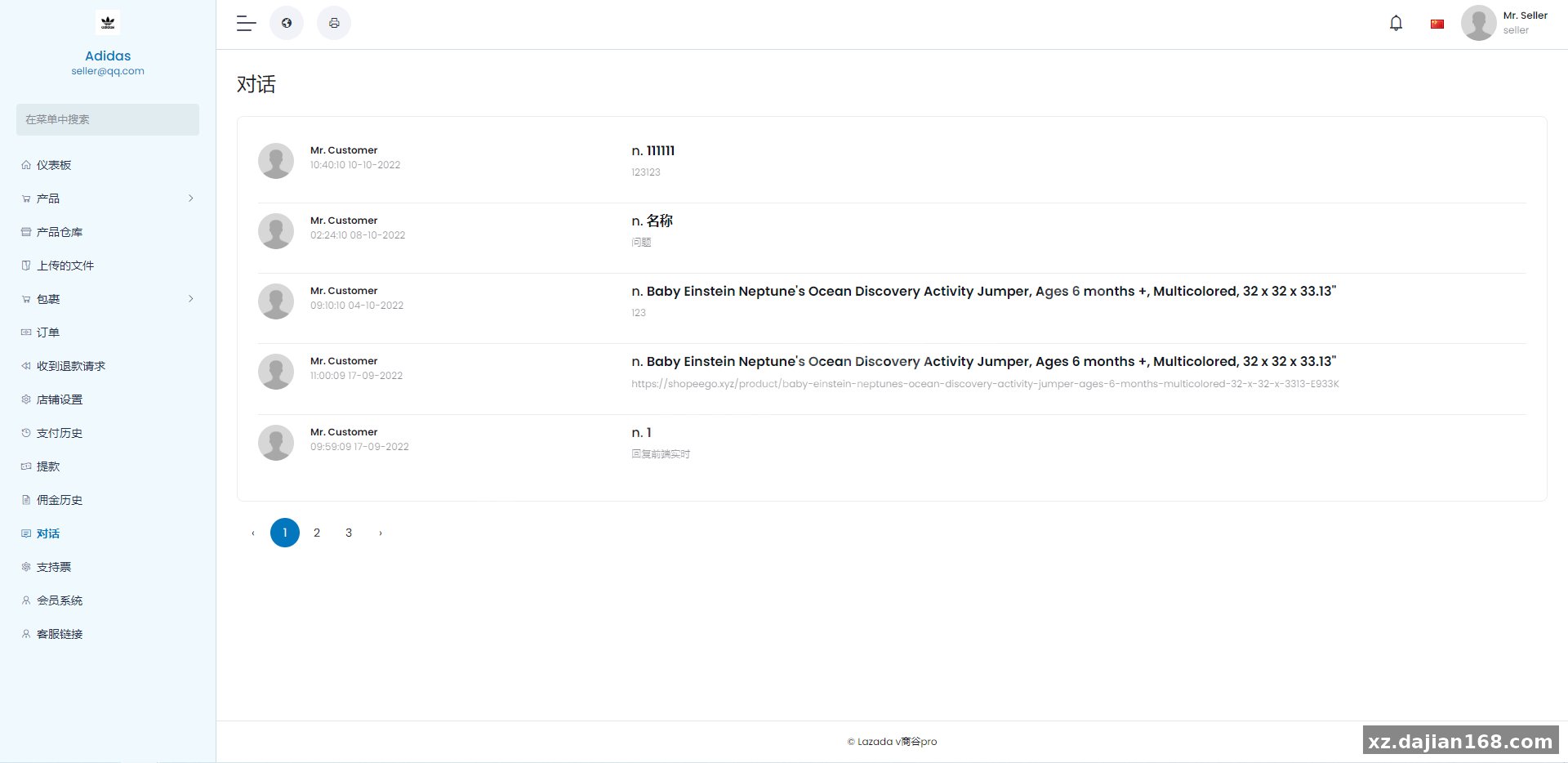
Plan for at least PHP 7.4 and MySQL 5.7; the instant-messaging module and agent dashboard rely on JSON field types and will throw errors on older MySQL versions. The source code download from dajian168 does not include a one-click installer, so you’ll need to import the SQL dump manually and edit the config/database.php file with your credentials. When I deployed the October 30 build, I found twelve tables related to seller commissions, deposits, and ad campaigns—indexes were present on foreign keys, but the orders table had no composite index on (seller_id, status, created_at), which slowed down the agent dashboard once test data exceeded 10,000 rows.
- PHP: 7.4 or 8.0; enable
curl,gd,mbstring,pdo_mysql - MySQL: 5.7+ (JSON column support required for IM message storage)
- Web server: Nginx or Apache with
mod_rewrite; route all requests topublic/index.php - Storage: 10 GB minimum for product images; configure a CDN or object-storage bucket for the
/uploadsdirectory if you expect high SKU counts - Redis (optional): the October update optimized the instant-messaging system with auto-refresh; Redis caching will reduce database load for the unread-message badge
After importing the SQL dump, run php artisan migrate (if you see a Laravel-style artisan file) or check the /install folder for a setup script. The November 10 changelog mentions “全新ui” for the agent backend; if you see broken styles, clear the storage/framework/views cache and rebuild assets with npm run prod or the equivalent build command in package.json.
Who Should Use This 商城系统 Source Code
This package fits teams launching a vendor-driven cross-border marketplace with built-in seller acquisition tools and ad monetization. If your model depends on recruiting merchants through referral commissions and you want deposit or ad-revenue streams from day one, the three-tier commission engine and express-lane modules save weeks of custom development. The batch product scraper is a strong differentiator for foreign-trade niches where sellers expect a shared catalog they can dropship from.
- Cross-border B2B or B2C marketplaces targeting multiple language regions (multi-language UI included)
- Foreign-trade platforms that need a curated product library vendors can cherry-pick and resell
- Teams planning tiered seller subscriptions or ad packages as primary revenue (deposit + express-lane modules already built)
- Agencies white-labeling marketplace software for clients in e-commerce verticals
Not ideal for single-vendor shops or lightweight storefronts—the agent dashboard, commission cascade, and deposit logic add complexity you won’t need. Also, the instant-messaging system is basic; if you require live video chat or advanced ticket workflows, you’ll integrate a third-party customer-service platform through the hooks the November 10 update added to the seller panel.
Checklist Before You Go Live
Double-check the global deposit toggle in the admin panel; leaving it on by default will block all new seller registrations until they pay. Review the commission-tier percentages—three levels can eat into margins quickly if you set them too high. Test the withdrawal flow with the payment-password requirement (October 30 feature); sellers who forget their password will flood support if you don’t add a self-service reset link. Finally, add a composite index on orders(seller_id, status, created_at) and product_library(category_id, created_at) before you seed real product data; the agent dashboard and seller product-selection page will thank you.
FAQ
Q: Does the batch product scraper work with any international catalog, or only specific sites?
A: The October 18 changelog says “支持国际产品网站采集” and mentions an API interface that doesn’t trigger IP bans. In practice this means the system connects to a product-data API you configure, not a generic web scraper. You’ll need API credentials from the upstream catalog or a third-party product-feed service. If you’re scraping a site without an official API, you’ll have to adapt the import module or risk getting blocked despite the developer’s claim.
Q: Can I turn off the three-tier commission system if I don’t want seller referrals?
A: Yes. The commission module has a global enable/disable switch in the admin panel under Merchant Settings. When disabled, the referral invite links still appear in the seller dashboard (as of the October 18 build), but no commissions are calculated or paid out. If you want to hide the UI entirely, you’ll need to edit the seller-panel template files.
Q: What happens to frozen funds if I enable the “release order” toggle in the super admin panel?
A: The system holds a seller’s payout when an order enters certain statuses (dispute, pending review). The super-admin “release frozen funds” button (added in a historical update) manually unlocks that amount and moves it to the seller’s available balance. It does not auto-refund the buyer or close the order; you still need to update the order status separately. Use it only after you’ve verified the transaction offline, or you’ll create accounting mismatches.
Original Reference
Original title: 最新版跨境电商系统/多语言商城系统/外贸商城系统/产品库一键选品-系统演示站
Original excerpt:
admin
商城刷单
最新版跨境电商系统/多语言商城系统/外贸商城系统/产品库一键选品
带保证金 三级分销 直通车
—————————————————————————-
12月2日更新修复
1.更新国际采集产品接口
2.修复后台不显示照片审核问题
—————————————————————————-
11月10日更新
3.卖家增加第三方客服入口
4.针对某个商家强制缴纳保证金功能
5.采集产品库存随机
6.优化卖家列表页众多权限
7.优化前端语言显示问题
—————————————————————————-
10月30日增加支付密码以及后端功能优化
1.商家提货需要支付密码
2.提现方式增加u
3.可单独调整商家代理商,访客量,以及店铺等级
—————————————————————————-
10月26日增加直通车+店铺保证金
1.店铺直通车,后台可增加直通车套餐,商家进行购买,购买后可选择对应产品进行推广
2.店铺保证金,后台可开启关闭强制缴纳保证金,具体看运营。
3.总后台提货控制,可以开启关闭是否让商家支付货款进行提货!如关闭,商家无需支付货款,开启则需要支付货款。
4.优化了后台导航,功能管理一目了然。
5.申请开店,可选择多个审核:身份证,护照,驾照,社保卡。
6.开店后默认店铺等级设置
—————————————————————————-
10月18日更新 批量采集+
Original screenshots:
Disclaimer
⚠️ This article is for educational research and technical exchange only. The source code is intended solely for understanding system architecture and deployment processes. Do not use it for illegal purposes. Any commercial operation is unrelated to the author.