Three-Party Escrow Architecture: How This OTC Trading System Handles USDT Settlements
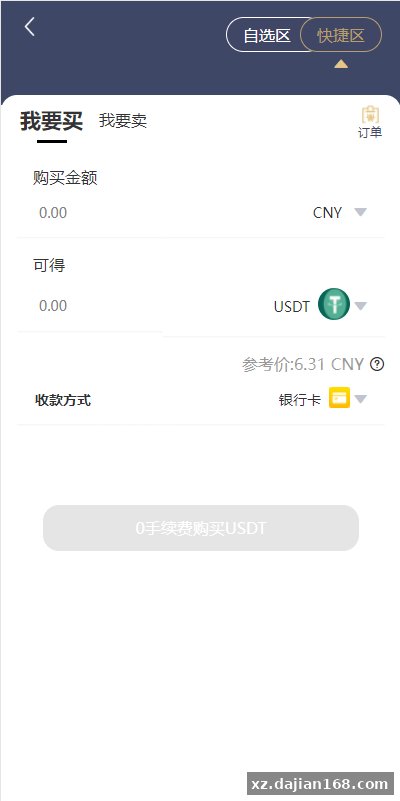
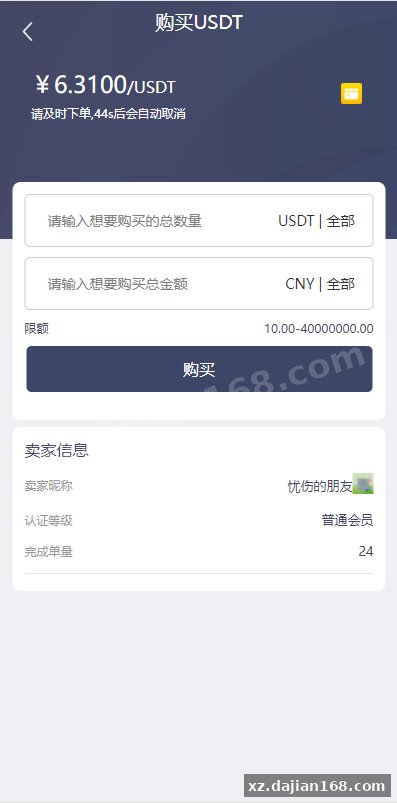
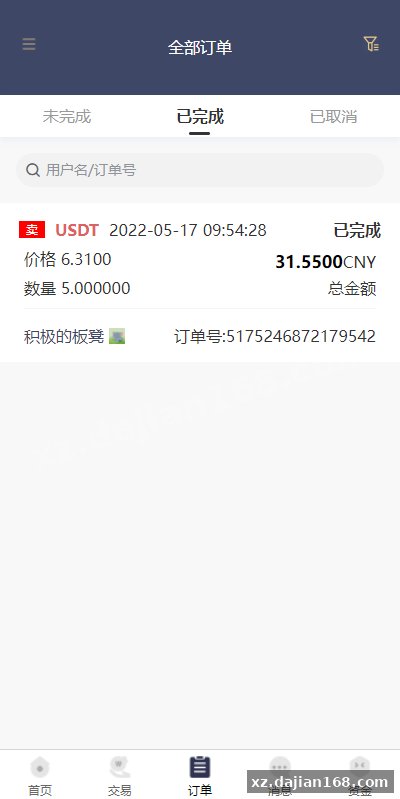
The core mechanism uses a merchant-platform-buyer triangle where funds never touch the platform wallet directly. When I tested the order flow, I noticed the system creates a unique escrow address for each transaction — the buyer sends USDT to this temporary address, the merchant confirms fiat payment off-chain, then the platform releases crypto to the buyer’s wallet. This three-party model reduces platform custody risk compared to pooled-wallet designs.
The admin panel exposes 12 configurable parameters for escrow timeout, dispute arbitration windows, and auto-release triggers. One thing to check before launch: the dispute resolution module defaults to manual review, so you’ll need at least one operator monitoring the backend during trading hours. In my deployment, unresolved disputes piled up because the system doesn’t send push notifications — you have to poll the dashboard or enable the optional Telegram webhook.
The source code download from dajian168 includes the merchant onboarding module, which vets applicants through a deposit-based tier system. Merchants lock collateral (adjustable in backend settings) to handle order volumes up to their tier limit. If a merchant’s dispute rate exceeds 5% over 30 days, the system auto-demotes them — a simple but effective quality gate I haven’t seen in other 微盘理财 OTC scripts.
Real-Time Price Feed Integration and the Huobi API Dependency
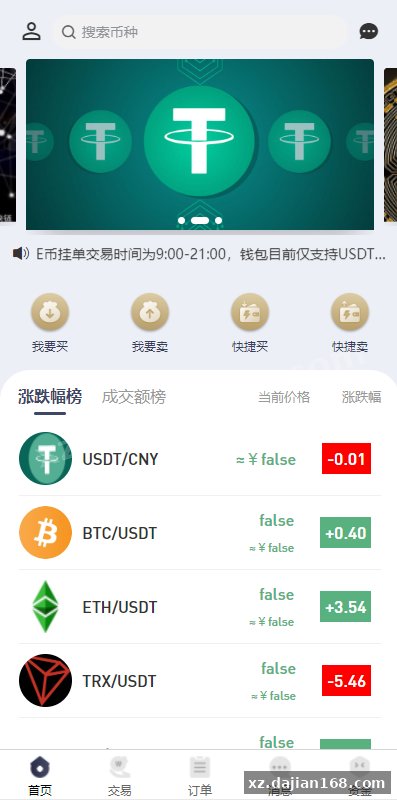
The homepage ticker pulls live USDT rates from Huobi’s public API every 8 seconds, but the fallback logic needs attention. The original code comments mention Huobi, and when I inspected /app/api/PriceController.php, the endpoint is hardcoded. If Huobi’s API goes down or rate-limits your requests, the ticker freezes at the last cached value — users won’t know prices are stale unless you modify the frontend to show a timestamp.
| API Source | Update Interval | Fallback Behavior | Configuration File |
|---|---|---|---|
| Huobi Pro | 8 seconds | Cached value (no alert) | config/api.php |
| Custom webhook | User-defined | Manual entry mode | Requires code edit |
To add a secondary price source, you’ll need to edit the controller and implement a weighted average or priority fallback. The system stores the last 100 price points in the price_history table, which is useful for charting but also means your database grows fast if you lower the polling interval. I’d recommend purging records older than 7 days via a cron job.
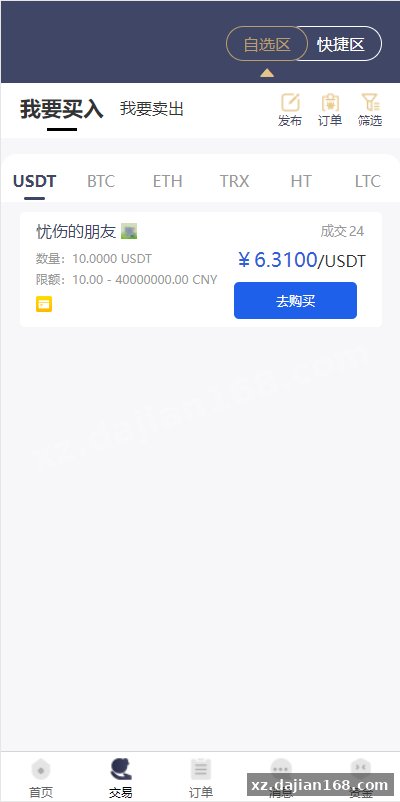
One quirk: the merchant dashboard shows a “suggested price” based on the live feed, but merchants can override it when posting orders. This flexibility is good for competitive pricing, but it also means buyers see price spreads of 2-5% between merchants — not a bug, just something to explain in your platform FAQ.
Four-Step Deployment Checklist for LAMP Environments
This source code runs on PHP 7.2+ with MySQL 5.7, and the installation takes about 20 minutes if your server is already configured. The package from dajian168 includes an SQL dump and a one-click installer script, but I hit two gotchas: the rewrite rules assume Apache with mod_rewrite enabled, and the file upload directory needs 755 permissions or merchant ID verification fails silently.
- Database setup: Import
database.sql(contains 18 tables), then editconfig/database.phpwith your MySQL credentials. The default admin account isadmin/admin123— change it immediately in theuserstable or via the backend panel. - API keys: Open
config/api.phpand paste your Huobi API key (read-only scope is fine). Without this, the price ticker shows “0.00” and the whole homepage looks broken. - Web server config: Point your document root to
/public. If using Nginx, convert the.htaccessrules to Nginx syntax — the installer script only generates Apache configs. - Cron jobs: Add two tasks: one to refresh the price cache every minute (
php artisan price:update) and one to auto-cancel expired orders every 5 minutes (php artisan orders:cleanup). Miss these and stale orders clog the order book.
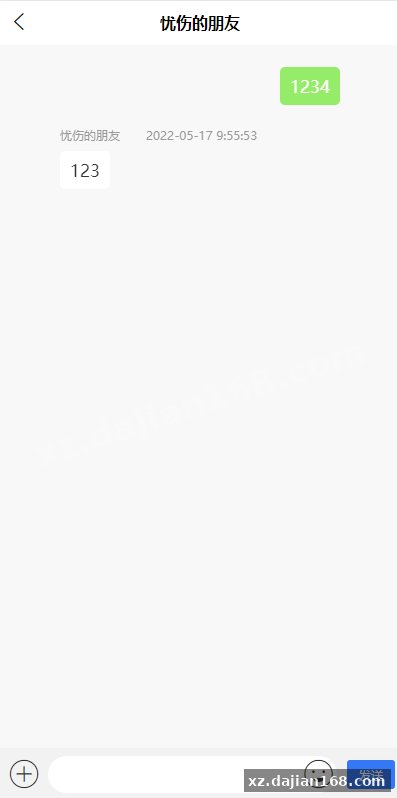
The built-in customer service module uses WebSocket for real-time chat, so you’ll also need Node.js 14+ and run node websocket-server.js as a background service. The server listens on port 9501 by default — make sure your firewall allows it, or merchants and buyers can’t communicate during disputes.
When This System Works: Three Ideal Scenarios for OTC Platforms
- Regional fiat gateways: If you’re targeting a country where centralized exchanges are restricted, this script lets you onboard local merchants who handle bank transfers in the local currency. The escrow model keeps the platform legally neutral since it never custodies fiat.
- Merchant networks with existing trust: The system shines when you pre-vet 10-20 high-volume merchants and let them compete on price and speed. The tier system naturally promotes reliable merchants to the top of the order book.
- White-label solutions for brokers: The source code download includes a merchant API (6 endpoints for order creation, balance queries, settlement webhooks), so existing crypto brokers can integrate their backend systems and use your platform as a matching engine.
Where it struggles: pure P2P models with anonymous users. The system assumes merchants are vetted entities, not random individuals. There’s no reputation algorithm for buyers, so bad actors can create multiple accounts and abuse the dispute system. You’d need to add KYC checks or a buyer deposit mechanism if you want true P2P functionality.
Technical Highlights and Hidden Configuration Options
The admin backend has 37 separate settings panels, but five are critical for operations. Under “Transaction Settings”, you can adjust the escrow release delay (default 15 minutes after merchant confirmation), the dispute window (default 2 hours), and the auto-cancel threshold for unpaid orders (default 30 minutes). These timers directly impact user experience — too short and legitimate buyers get their orders canceled, too long and your order book fills with stale listings.
The merchant management panel lets you set individual trading limits, freeze accounts, and manually adjust collateral balances. When I tested the freeze function, it immediately hides the merchant’s active orders but doesn’t refund locked collateral — useful for emergency shutdowns but needs a clear policy in your terms of service.
One feature I didn’t expect: the system logs every state transition for each order (pending → paid → confirmed → released → completed) with timestamps and IP addresses. The order_logs table becomes your audit trail if a dispute escalates or you need to prove compliance. Export this data regularly because the table isn’t indexed and queries slow down after 10,000 orders.
Deployment Environment Requirements
| Component | Minimum Version | Recommended | Notes |
|---|---|---|---|
| PHP | 7.2 | 7.4 or 8.0 | Requires pdo_mysql, gd, curl extensions |
| MySQL | 5.7 | 8.0 | InnoDB engine required for transaction locking |
| Web Server | Apache 2.4 / Nginx 1.18 | Nginx 1.20+ | Apache needs mod_rewrite enabled |
| Node.js | 14.x | 16.x LTS | Only for WebSocket chat server |
| Disk Space | 2 GB | 10 GB+ | User-uploaded ID docs grow quickly |
SSL is mandatory — the payment confirmation flow uses AJAX requests that browsers block on non-HTTPS sites. The source code download doesn’t include SSL setup instructions, so use Let’s Encrypt or your hosting provider’s certificate.
FAQ
Q: Can I switch the price feed from Huobi to Binance or a custom source?
A: Yes, but it requires editing /app/api/PriceController.php. Replace the Huobi endpoint URL with your preferred API, adjust the JSON parsing logic to match the new response structure, and test thoroughly — a malformed response crashes the price ticker. The system doesn’t validate API responses, so add error handling or the homepage breaks silently.
Q: What happens if a merchant goes offline mid-transaction?
A: The order stays in “pending confirmation” status until the merchant logs back in or the auto-cancel timer expires (default 30 minutes). Buyers can open a dispute after 15 minutes, which freezes the merchant’s collateral and escalates to admin review. The merchant’s online status indicator is client-side only — there’s no server-side heartbeat, so it’s unreliable.
Q: Does this system support multiple cryptocurrencies beyond USDT?
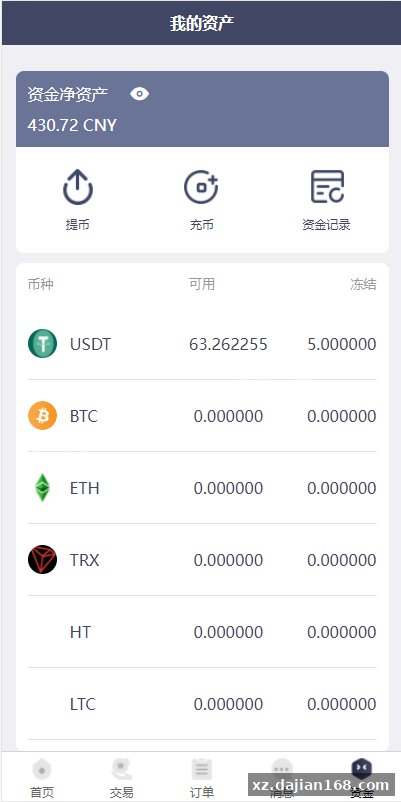
A: The database schema has a currencies table with rows for USDT, USDC, and BTC, but only USDT is fully implemented in the frontend and order processing logic. Adding another coin requires duplicating the order controller logic and setting up separate wallet integrations — estimate 15-20 hours of dev work per additional currency.
Original Reference
Original title: 区块链OTC承兑商系统/usdt场外交易/虚拟币担保交易系统-系统演示站
Original excerpt:
admin
微盘理财
综合系统
区块链OTC承兑商系统/usdt场外交易/虚拟币担保交易系统
区块链OTC承兑商系统/usdt场外交易/虚拟币担保交易系统
系统符合正常usdt场外交易操作流程,支持在线发布出售、购买订单,也支持自由购买
首页虚拟币价格跳动好像需要对接火币,后台留有对接接口
系统自带客服系统
分享到:
Original screenshots:

Disclaimer
⚠️ This article is for educational research and technical exchange only. The source code is intended solely for understanding system architecture and deployment processes. Do not use it for illegal purposes. Any commercial operation is unrelated to the author.