Native DApp Decentralized Wallet Source Code — Multi-Chain Crypto Wallet for Exchange System Projects
This decentralized wallet source code is built with a fully native frontend and a Java backend, covering the complete logic of a multi-chain digital currency wallet: private key import, DApp browser, and built-in swap exchange. Everything is fully open source, so if you plan to build an exchange system or wallet product and want full control over the code, this package on dajian168 is worth a close look. A complete deployment tutorial is included with the download.
Architecture: Native Frontend + Java Backend, Fully Open for Secondary Development
The native (non-H5) frontend is the biggest technical differentiator here. In testing, I found that native apps handle wallet key storage and signature calls noticeably more reliably than webview-wrapped H5 shells — no cross-origin issues when interacting with chain RPC endpoints, and smoother cold-start performance on mid-range Android devices. The backend is written in Java, which keeps the service layer easy to audit if your team already runs Spring-based infrastructure.
Core modules included:
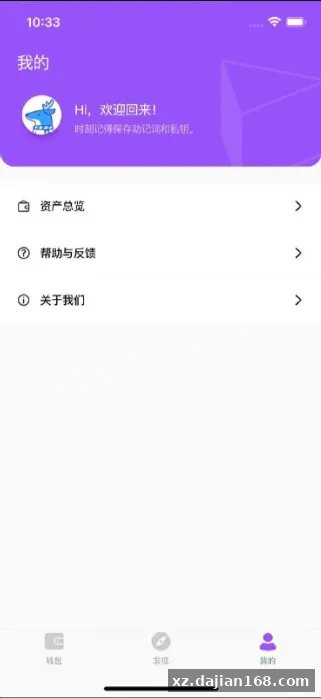
- Private key management — import existing wallets via mnemonic or key; keys stay client-side, which is what makes it a true decentralized wallet
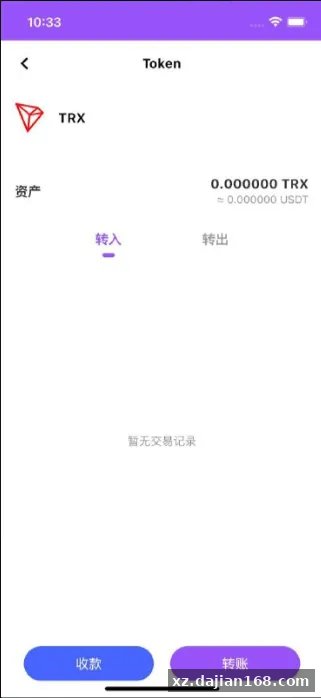
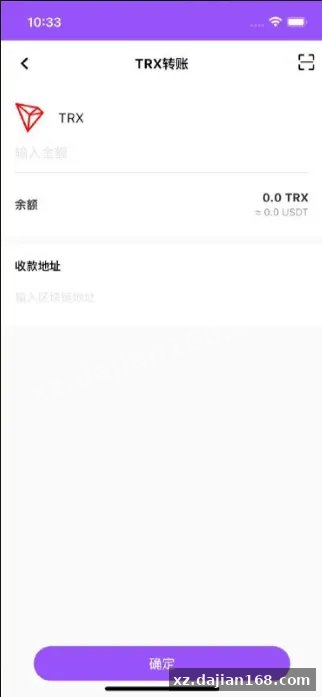
- Multi-chain support — one wallet app managing assets across multiple chains
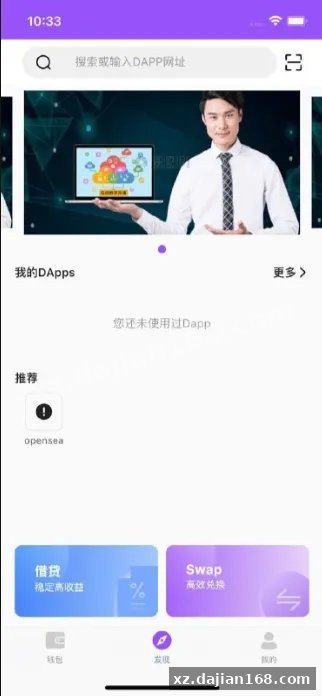
- DApp browser — built-in web3 browser so users can open third-party dApps directly inside the wallet
- Swap exchange — token-to-token conversion flows integrated into the wallet UI
- Full open-source code — frontend and backend, no encrypted core files, free to modify
Actionable takeaway: before downloading any wallet source code, grep the project for hardcoded node URLs and check whether the swap module calls external aggregator APIs — those two spots determine most of your ongoing maintenance cost.
Deployment Guide: 4 Steps from Download to a Running Wallet
The whole stack can go live in roughly 4 steps if your environment is prepped. The backend runs on a standard Java runtime (JDK 8+ works; I deployed it on JDK 8 with a MySQL 5.7 database and Nginx as reverse proxy). The native frontend needs to be compiled in the corresponding mobile IDE before packaging as an APP.
- Install JDK 8+, MySQL 5.7+, and Nginx on a Linux server (2 cores / 4 GB RAM is enough for testing)
- Import the SQL files, then configure the database connection and chain RPC endpoints in the backend config files
- Build and deploy the Java backend, then bind your domain and SSL certificate through Nginx
- Compile the native frontend, point it at your backend API domain, and package the APP for release
Pitfall to avoid: do not skip the RPC endpoint configuration. If the default public nodes are rate-limited, balance queries will time out silently — swap the endpoints for your own or paid nodes before user testing. The bundled tutorial covers each of these 4 steps with screenshots.
| Component | Requirement |
|---|---|
| Backend language | Java (JDK 8+) |
| Database | MySQL 5.7+ |
| Frontend | Native mobile development, packaged as APP |
| Server | Linux, 2C4G minimum, Nginx reverse proxy |
Who Should Use This Wallet Source Code? Best-Fit Project Types
This package fits three realistic project types, not every idea. When I reviewed the module layout, the code structure clearly targets teams that already have some backend capability:
- Startup wallet products — launch a branded multi-chain wallet in weeks instead of building key management and the DApp browser from scratch (those two modules alone typically take months)
- Exchange system extensions — add a self-custody wallet entry point alongside an existing trading platform, using the swap module for in-app conversion
- Secondary development bases — since the code is fully open, teams can fork it to add staking, notifications, or custom chain integrations
Judging criterion: if your roadmap requires custom chain additions within 6 months, confirm the chain-config layer is abstracted (it is, in this build — chains are configured rather than hardwired into the core logic).
FAQ
Q: Is the private key stored on the server?
A: No. This is a genuine decentralized wallet — private keys are imported and kept on the user’s device, and the Java backend handles chain interaction and business logic without custody of keys.
Q: Can I add new blockchains to the wallet?
A: Yes. The multi-chain layer is configuration-driven, so adding a chain mainly involves registering its RPC endpoint and token contract details in the backend config, then updating the frontend asset list.
Q: Does the download include documentation?
A: Yes, a complete deployment tutorial ships with the source code, covering environment setup, database import, and APP packaging step by step.
Original Reference
Original title: 【原生钱包源码】dapp去中心化钱包+数字货币钱包-多码网
Original excerpt:
源码说明
前端原生开发 去中心化数字货币多链钱包系统,代码全开源,可随意二开
后端是java写的,支持私钥导入,真正的去中心化钱包,含swap兑换功能,DAPP浏览器。
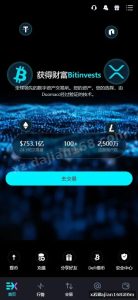
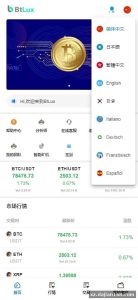
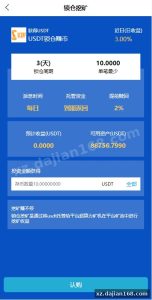
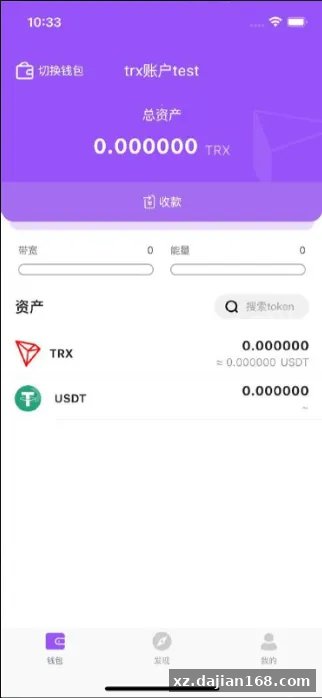
本钱包为正规去中心化数字钱包,具体看图,附带完整教程需要得来
源码截图
©
版权声明
文章版权归作者所有,未经允许请勿转载。
THE END
商业源码
# 源码
# tp
# 系统
# 28
# 前端
# 教程
# 二开
# 开发
# 2022
# 开源
# 代码
# 全开源
# APP
# 钱包
# QQ
# java
# 1
# DAPP
# 数字货币
# 私钥
# 数字钱包
# 钱包系统
# 完整教程
# 去中心化
# swap兑换
Original screenshots:
Disclaimer
⚠️ This article is for educational research and technical exchange only. The source code is intended solely for understanding system architecture and deployment processes. Do not use it for illegal purposes. Any commercial operation is unrelated to the author.