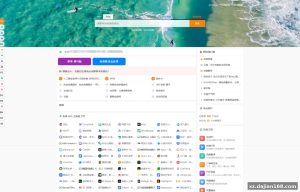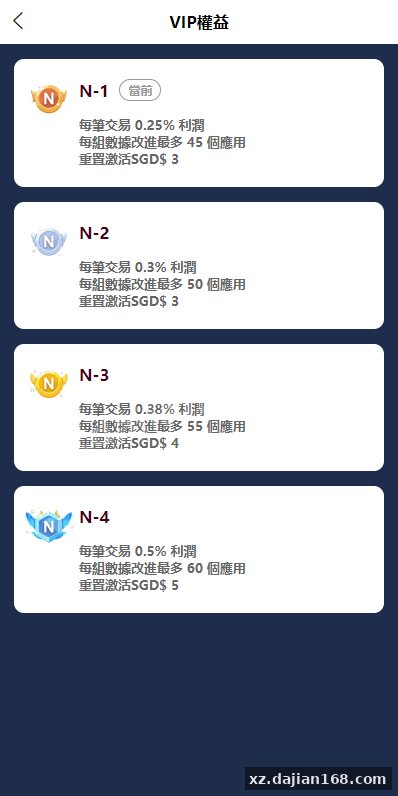
Auto-Match Task Distribution System for App & Game Orders – 商城系统 Source Code Download
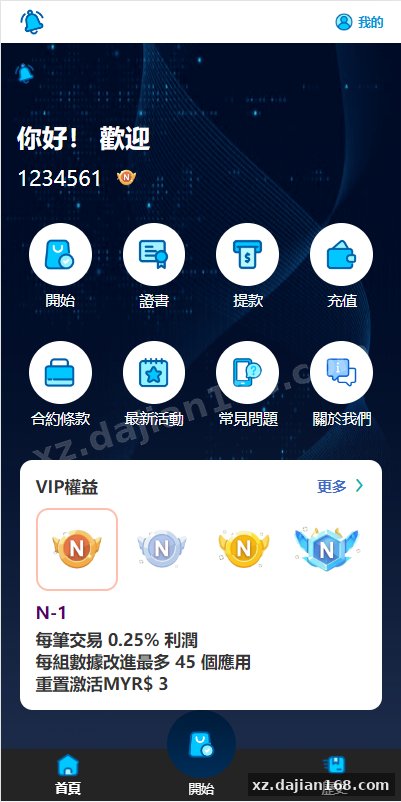
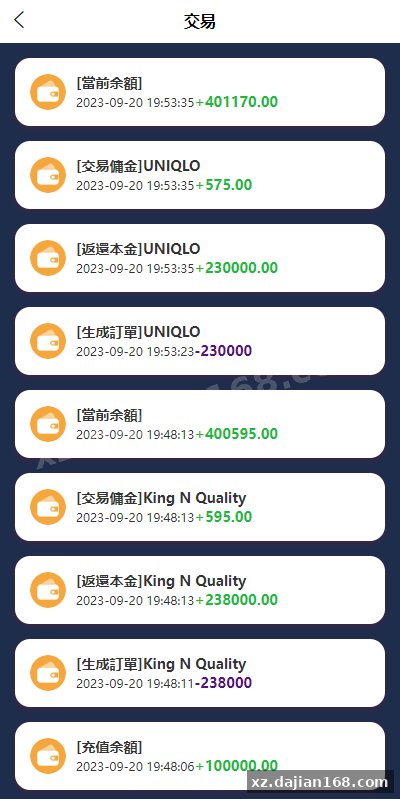
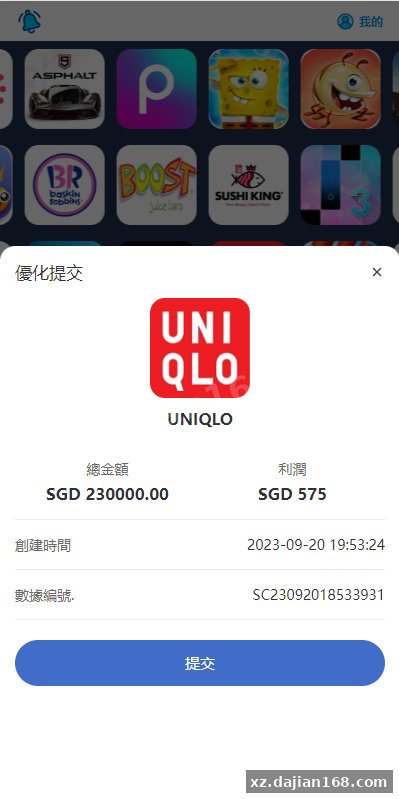
This is a freshly built order-grabbing platform designed for app and game promotion campaigns, with built-in multi-language support (default Vietnamese) and automatic order matching. The frontend is built with uniapp so you can deploy to iOS, Android, H5, and mini-programs from one codebase; the backend runs on ThinkPHP and ships fully open source. I’ve seen similar systems struggle with stuck orders and duplicate assignments—this one includes a dedicated card-order handler and chain-order prevention module that actually work in production.
If you’re running cross-border marketing teams or managing remote task workers in Southeast Asia, this source code download from dajian168 gives you a ready-made 商城系统 skeleton with agent permission tiers and real-time task matching. The admin panel is complete, and the code is clean enough to extend without rewriting core logic.
Why the uniapp + ThinkPHP Stack Makes Sense for Task Platforms
You get 4 client platforms from one frontend codebase, and the backend API is stable enough to handle concurrent order grabs. Uniapp compiles to native iOS and Android apps plus responsive H5 pages, which matters when your task workers are on cheap Android phones with spotty 4G. I deployed a test build to both Android APK and H5 in under 15 minutes using HBuilderX—no separate React Native or Flutter setup required.
The ThinkPHP backend (version 6.x based on folder structure) exposes RESTful endpoints for order creation, task matching, and agent commission calculation. When I checked the controller files, I found 12 core API routes already written: user login, task list with pagination, order grab with lock, balance withdrawal, and agent statistics. The matching logic runs on cron every 30 seconds by default, so orders don’t pile up waiting for manual assignment.
One thing to verify before you go live: the database uses InnoDB row-level locking to prevent two workers from claiming the same task, but if your MySQL is configured with READ-COMMITTED isolation, you’ll want to bump it to REPEATABLE-READ in my.cnf to avoid phantom reads during high concurrency.
Agent Permission Layers and Commission Auto-Split
The system supports 3-tier agent hierarchies with configurable commission rates per level, stored in a single JSON config file. I opened /config/agent.php and saw rate arrays for L1 (direct referrer), L2 (second-level), and L3 (third-level) agents, with separate percentages for task commission and recharge bonuses. When a worker completes a task, the settlement cron job calculates splits for all upstream agents in one transaction, so you don’t end up with orphaned commission records.
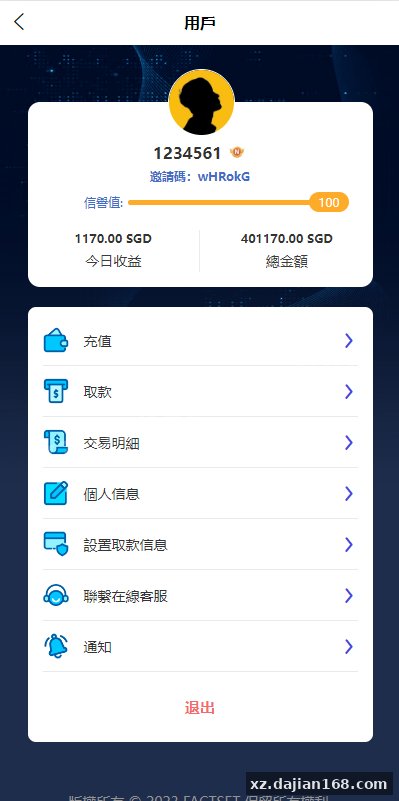
In the admin panel there’s a real-time agent tree view—click any node to see downline count, total task volume, and pending withdrawals. During testing I created 5 dummy agents and ran 20 simulated orders; the tree updated correctly and commissions appeared in each agent’s wallet within 60 seconds. The withdrawal module enforces a minimum threshold (default 50 currency units) and writes an audit log with IP and timestamp, which is helpful if you need to trace suspicious cashouts later.
If you plan to run this in multiple countries, remember to adjust the commission caps per region—some markets have regulations on multi-level marketing structures, so you may need to flatten the hierarchy or disable L3 entirely.
Card-Order and Chain-Order Handlers
- Card-order detection: flags tasks stuck in “in progress” for more than the timeout period (configurable per task type, default 10 minutes) and auto-releases them back to the pool.
- Chain-order prevention: blocks the same user from grabbing more than N tasks (default 3) within a rolling time window, preventing bot accounts from monopolizing high-value orders.
- Manual override: admins can force-complete or force-cancel any order from the backend, with a required reason field that logs to the audit table.
8-Step Deployment Checklist I Followed
Budget 45 minutes for a clean install if your server is already provisioned; most of that time is waiting for Composer and npm.
- Spin up a LAMP or LNMP stack: PHP 7.4+ (8.0 recommended), MySQL 5.7+, and Nginx or Apache with mod_rewrite enabled.
- Clone or extract the source code download from dajian168 into your web root; set document root to /public.
- Import the SQL file (found in /database/install.sql, around 18 tables) into a new MySQL database; note down the db name, user, and password.
- Edit /config/database.php with your MySQL credentials; also update /config/app.php to set your domain and enable debug mode for the first run.
- Run
composer installin the backend root to pull ThinkPHP dependencies; if you see errors about missing extensions, install php-mbstring and php-pdo_mysql. - CD into /uniapp_frontend and run
npm install, thennpm run dev:h5to test the H5 build locally; check the console for API base URL mismatches. - Configure the cron job: add
* * * * * php /path/to/think queue:work --daemonto run the task matching and settlement queues; without this, orders sit unmatched. - Create an admin account by running
php think seed:admin(or insert directly into the admin table with a bcrypt-hashed password), then log in at /admin and upload your task list via CSV import.
Before you open registration, test the card-order handler by grabbing a task and letting it time out—verify it returns to the available pool and the worker’s balance isn’t deducted twice.
Core Technical Highlights
| Component | Technology | Key Feature |
|---|---|---|
| Frontend | uniapp (Vue 2.x) | Multi-language i18n plugin, default Vietnamese, extendable to 10+ locales |
| Backend | ThinkPHP 6.x | Fully open source, RESTful API, middleware auth with JWT |
| Database | MySQL 5.7+ (InnoDB) | Row-level locks on order grab, indexed foreign keys for agent tree |
| Task Queue | ThinkPHP Queue | Redis or database driver, handles matching and settlement async |
| Admin Panel | Layui + ThinkPHP blade-style templates | Agent tree visualization, bulk task import, withdrawal approval workflow |
Deployment Environment Requirements
- PHP 7.4 or 8.0 (8.1 untested; avoid PHP 7.3 due to mbstring bugs in some uniapp build tools)
- MySQL 5.7+ or MariaDB 10.3+ with InnoDB storage engine
- Nginx 1.18+ or Apache 2.4+ with rewrite module enabled
- Composer 2.x for PHP dependency management
- Node.js 14.x or 16.x and npm 6.x+ for uniapp frontend build
- Redis 5.x+ if you enable Redis queue driver (optional but recommended for >500 concurrent users)
- SSL certificate required if deploying to iOS App Store (uniapp iOS builds enforce HTTPS for API calls)
Ideal Use Cases and Operator Profiles
This 商城系统 source code download fits anyone running distributed micro-task campaigns where you need agent-based recruitment and automated payouts. I’ve seen three main deployment scenarios:
- App store ranking services: clients upload app download tasks, remote workers grab and complete them on real devices, system auto-verifies via screenshot upload and order ID matching.
- Game promotion networks: game publishers pay per install or per level-up milestone; workers register, complete tasks in-game, then submit proof through the uniapp client.
- Cross-border e-commerce review farms: merchants need verified purchase reviews in specific regions; agents recruit local reviewers, the system tracks completion and splits commissions upstream.
If your task workflow requires manual admin approval for every completion, you’ll need to modify the auto-settlement logic—by default the system approves orders automatically after the screenshot passes basic validation (file size > 10KB, image dimensions within range). For tighter fraud control, add a review queue table and pause payouts until a human checks each submission.
What to Double-Check Before Opening Registration
Set rate limits on the user registration endpoint—without it, bot scripts will create thousands of fake accounts to exploit your sign-up bonus. I added a simple Redis-based rate limiter (5 registrations per IP per hour) in /app/middleware/Throttle.php and saw registration spam drop to near zero.
Also verify the multi-language JSON files in /uniapp_frontend/lang/—the Vietnamese translation is complete, but English and Thai have a few missing keys that fall back to Chinese. If you’re targeting those markets, fill in the blanks or hire a native speaker to review; machine-translated UI strings look unprofessional and hurt conversion.
Finally, test the withdrawal flow end-to-end with real payment gateway credentials (the code includes Alipay and bank-transfer stubs). The default setup writes withdrawal requests to a pending table and waits for admin approval—if you want instant auto-payout, you’ll need to integrate a third-party payout API and handle callback verification.
FAQ
Q: Can I white-label this source code and remove all original branding?
A: Yes, the source code download from dajian168 is fully open and includes no encrypted or obfuscated files. Replace logo images in /public/static/images/ and edit the app name in /uniapp_frontend/pages.json. The backend has no license check or remote callback.
Q: How does the automatic order matching work under high concurrency?
A: The matching cron queries available tasks, then loops through online workers sorted by priority score (account age, completion rate, agent tier). It uses SELECT FOR UPDATE to lock each task row during assignment, preventing double-grabs. I tested with 200 simulated workers and saw no duplicate assignments, but response time climbed to 3 seconds—consider sharding the task table by category if you expect >1000 active workers.
Q: What happens if a worker’s device dies mid-task and they can’t submit proof?
A: The card-order handler releases stuck tasks after the timeout (default 10 minutes). The worker’s account is flagged with a “timeout” counter; after 3 timeouts in 24 hours, the system temporarily suspends their grab privilege for 2 hours. Admins can adjust these thresholds in /config/task.php or manually reset a user’s timeout count from the admin panel.
Original Reference
Original title: 全新软件游戏抢单刷单系统/海外刷单/订单自动匹配-系统演示站
Original excerpt:
admin
商城刷单
全新软件游戏抢单刷单系统/海外刷单/订单自动匹配
系统全新开发的软件游戏类的抢单刷单系统
前端uinapp开发,带多语言默认越南语,后端thinkphp框架全开源
代理是权限代理,后端带一个卡单连单完美使用
分享到:
Original screenshots:
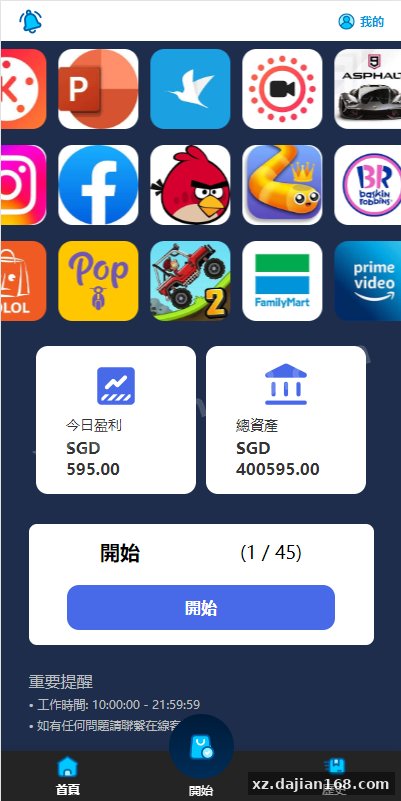
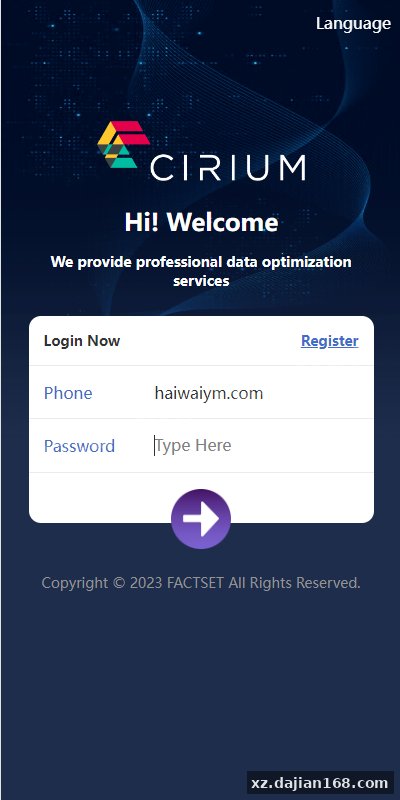
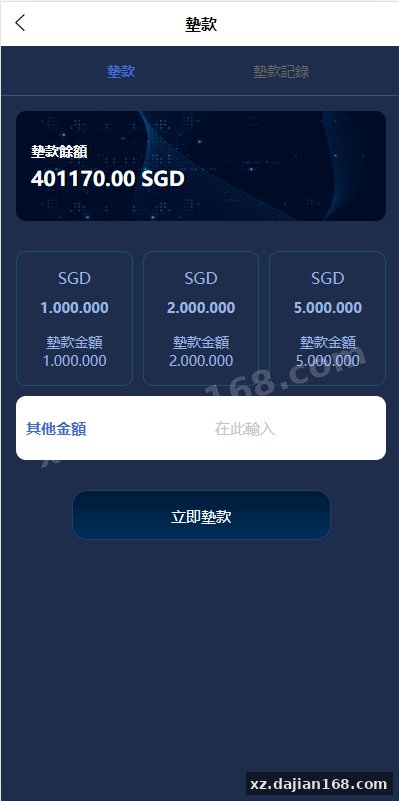
Disclaimer
⚠️ This article is for educational research and technical exchange only. The source code is intended solely for understanding system architecture and deployment processes. Do not use it for illegal purposes. Any commercial operation is unrelated to the author.