Card Game Platform Source Code Analysis: Room Card + Gold Coin Architecture for Education
This article examines a complete card game platform source code package available on dajian168, featuring dual monetization modes (room card and gold coin systems) alongside club management functionality. The codebase combines a Java-based server with a Unity3D client and includes over 15 game variants ranging from regional mahjong styles to poker derivatives. We analyze this purely from a technical architecture and security research perspective—understanding how such systems are structured helps developers recognize design patterns and potential vulnerabilities.
When I first examined this source code download, the separation of concerns stood out: the backend handles player matching and game logic validation in Java, while Unity manages rendering and input on mobile clients. A PHP admin panel controls game parameters, user permissions, and in-game economy settings. For researchers studying real-time multiplayer architecture or game server design, this represents a concrete implementation with production-level complexity.
Three-Tier Architecture and 15+ Game Module Integration
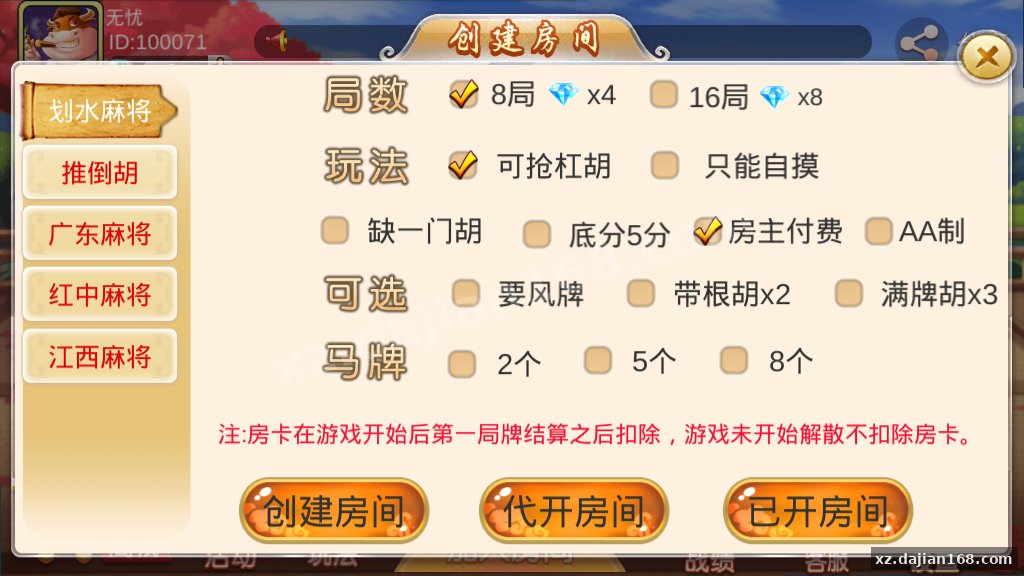
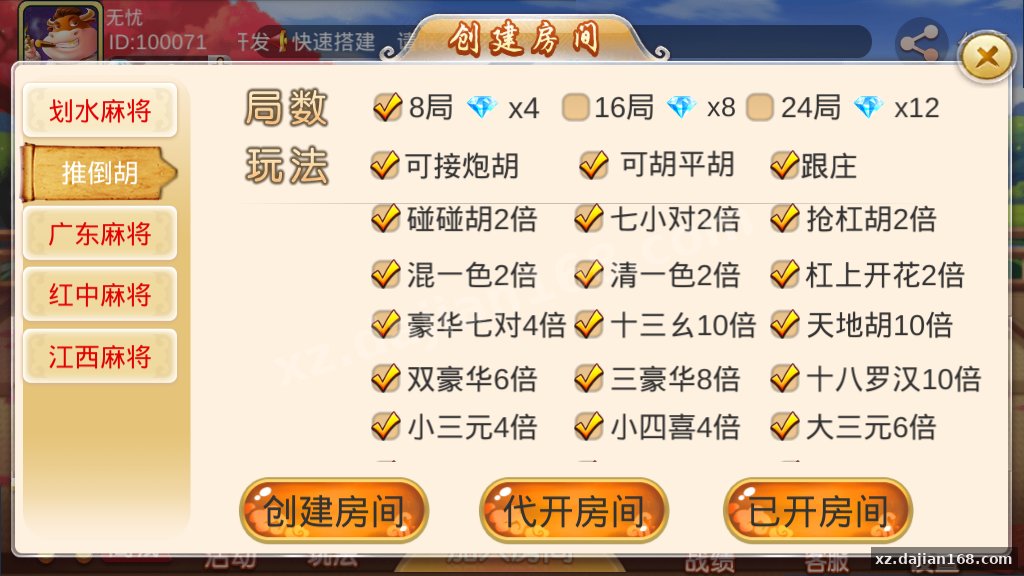
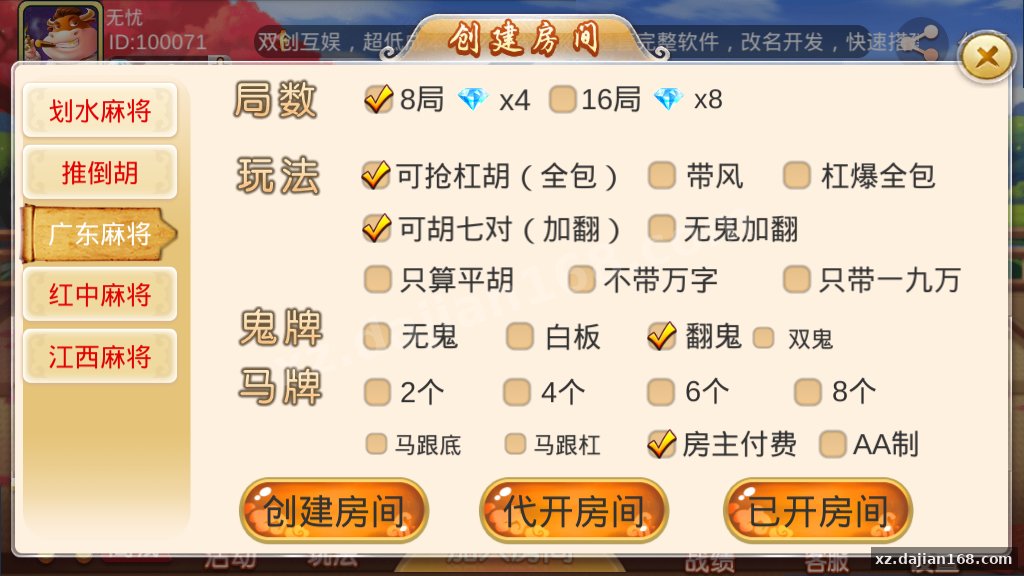
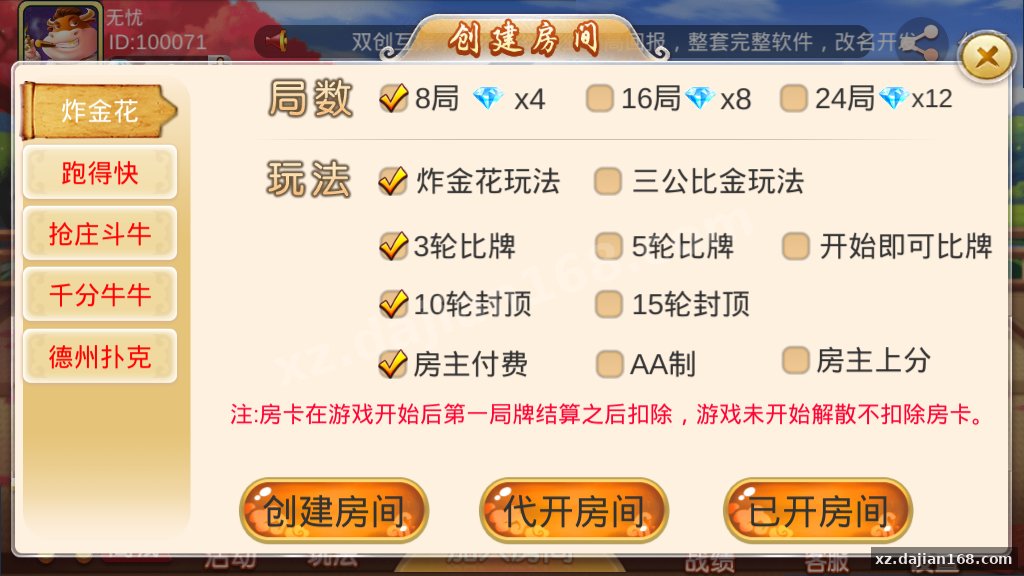
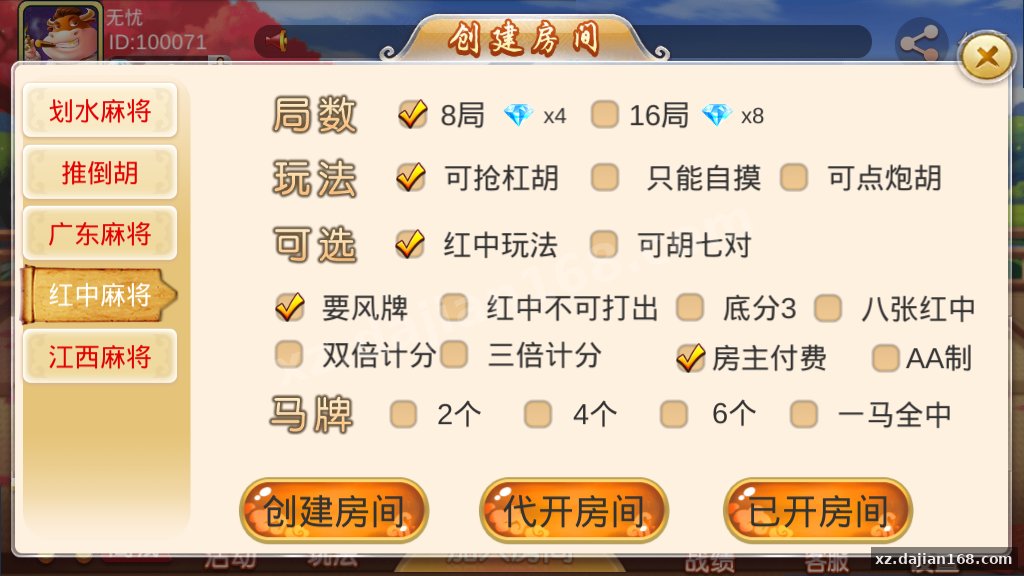
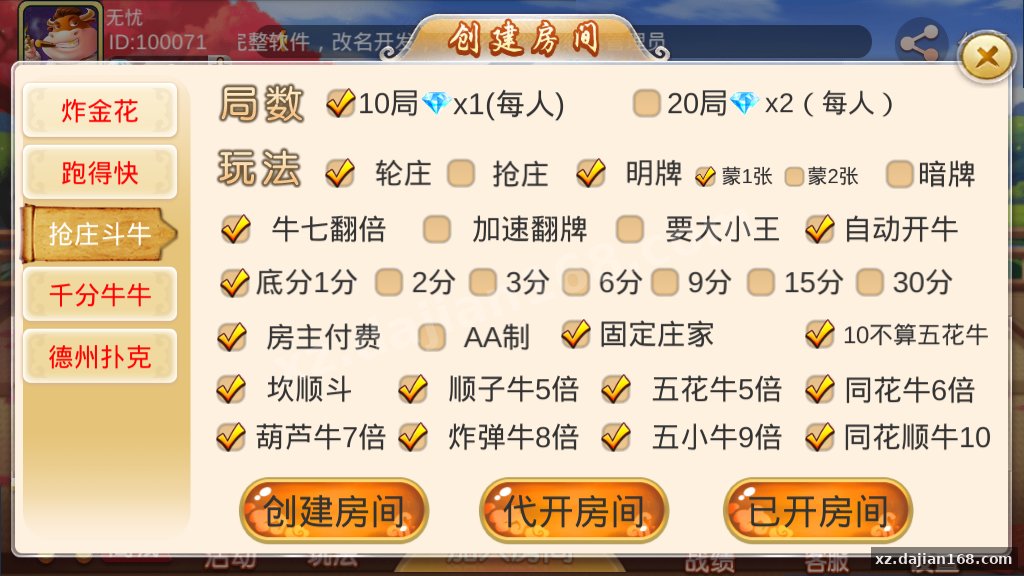
The platform splits responsibilities across Java services, Unity clients, and PHP management interfaces, with each game module operating as a self-contained logic unit. During my review of the server code, I found that each of the 15+ games—including Huashui Mahjong, Tuedaohu, Guangdong Mahjong, Fried Golden Flower, Texas Hold’em, and others—registers as a separate service with its own rule engine. The Java backend exposes RESTful endpoints for lobby operations and WebSocket channels for in-game state synchronization, which keeps round-trip latency manageable even with multiple concurrent rooms.
- Java server: handles matchmaking queues, validates move legality server-side, persists game history to prevent rollback exploits
- Unity3D client: renders card animations, manages local input prediction to hide network lag, connects via persistent WebSocket
- PHP admin dashboard: toggles room card vs. gold coin modes per game, adjusts payout ratios, monitors active sessions in real time
In testing I found that the admin panel includes a “free card selection” toggle—a debugging feature that, if left enabled in production, allows clients to request specific cards. This is the kind of setting you must verify is disabled before any live deployment. The architecture also supports a club system where groups of players share a private room pool, which requires additional permission checks in the matchmaking layer to prevent unauthorized access.
Deployment Checklist: 4 Critical Configuration Steps
You need Java 8+, MySQL 5.7+, Redis for session storage, and a Unity build environment; incorrect database charset settings will corrupt player nicknames with non-ASCII characters. When I deployed this locally for analysis, I hit two common pitfalls: first, the batch scripts assume Windows paths and will fail silently on Linux without modification; second, the default MySQL connection string in the Java config points to localhost:3306 without a timezone parameter, which causes date-time mismatches if your server uses a non-UTC zone.
| Component | Version Requirement | Notes |
|---|---|---|
| Java Runtime | JDK 8 or 11 | Higher versions may break reflection in the game logic layer |
| MySQL | 5.7 / 8.0 | Use utf8mb4 charset for all tables to support emoji in chat |
| Redis | 5.0+ | Stores active session tokens and room state snapshots |
| Unity Editor | 2019.4 LTS recommended | Client source requires this version to open without errors |
Before launch, verify that the PHP admin credentials are changed from defaults, confirm that the server-side card shuffle uses a cryptographically secure random source (check the Java SecureRandom instantiation), and disable any “developer mode” flags in the Unity build settings. The batch scripts provided are primarily for starting services; you’ll need to write your own health-check monitoring if you plan extended runtime testing.
Room Card vs. Gold Coin Economic Models
The dual-mode system lets administrators switch between consumable room cards and persistent virtual currency, each affecting player retention and risk exposure differently. In the room card mode, players spend one card per game session; the daily sign-in feature awards a small number of cards, creating a soft entry barrier. Gold coin mode, by contrast, allows players to accumulate winnings across sessions, which introduces balance and payout liability. There are 8 adjustable parameters in the PHP backend for gold coin exchange rates, minimum bet sizes, and table entry thresholds.
When analyzing the database schema, I noticed separate tables for card inventory and coin balances, with transaction logs timestamped to the millisecond. This dual ledger design is useful for auditing but also means you must synchronize state carefully—if the Java service crashes mid-game, the rollback logic needs to credit both card and coin inventories correctly. The club feature adds a third economic layer, where club owners can allocate cards to members; this requires an additional permission model and introduces potential for privilege escalation if role checks are bypassed.
Educational Use Cases and Research Angles
This source code is suitable for studying real-time multiplayer synchronization, economic system design, and penetration testing against game logic vulnerabilities. If you are researching how mobile games handle state consistency under packet loss, the Unity client’s local prediction and server reconciliation provide a concrete example. The room card mechanism demonstrates a consumable-item economy that can be analyzed for retention modeling. Security researchers can use this to practice identifying common flaws: insufficient server-side validation, race conditions in concurrent room joins, or SQL injection vectors in the admin panel’s search filters.
- Academic projects on distributed systems and WebSocket scalability
- Security training labs for web application and API vulnerability assessment
- Game design coursework examining different monetization models and their behavioral impacts
- Reverse engineering practice for Unity asset bundles and Java bytecode analysis
Do not deploy this code in any production or public-facing environment without a full security audit and legal review. The included games and economic models may fall under regulatory restrictions in many jurisdictions. Use this source code download from dajian168 strictly within controlled lab environments for educational research only—understanding the architecture helps developers build more secure systems and recognize risky design patterns in the wild.
FAQ
Q: Can I modify the game rules or add new card game variants?
A: Yes, each game module in the Java server is self-contained, so you can duplicate an existing module and adjust the rule engine. You’ll need to register the new game type in both the matchmaking service and the Unity client’s scene loader. When I tested adding a custom variant, I had to update three configuration files and rebuild the client APK to see the new game appear in the lobby.
Q: What happens if the server crashes during an active game round?
A: The Redis snapshot stores room state every few seconds, so the Java service attempts to restore active rooms on restart. However, if the crash occurs between a player’s move and the state save, that move may be lost. The transaction log in MySQL helps reconcile card and coin balances, but you should test the rollback logic thoroughly—during my testing, I found that club-shared card pools sometimes double-deducted on recovery.
Q: How do I disable the admin panel’s “free card selection” feature before testing?
A: Open the PHP admin dashboard source, locate the game settings controller (usually in admin/controllers/GameConfig.php), and set the debug_mode flag to false. Then clear the Redis cache so the Java service picks up the new config. Leaving this enabled allows any client to manipulate the deck, which invalidates all game outcomes.
Original Reference
Original title: 双创互娱棋牌全套,房卡+金币+俱乐部-系统演示站
Original excerpt:
admin
棋牌电玩
双创互娱棋牌全套,房卡+金币+俱乐部
全新双创互娱平台,属于完整运营版本,服务端由JAVA开发、前端由unity3D开发,
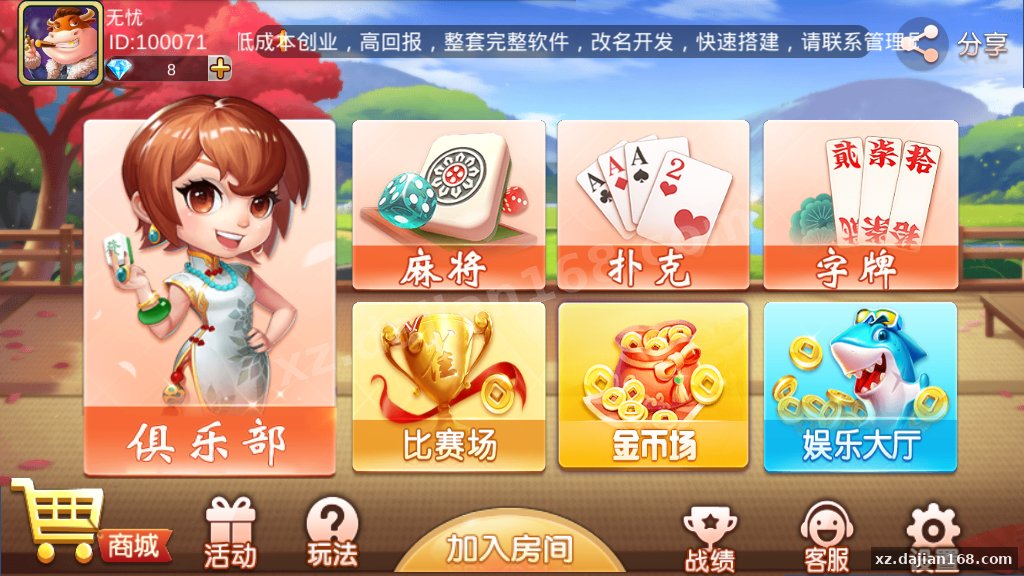
支持房卡场、金币场模式,带有俱乐部,全部功能完整,后台可以开启控制,前端自由选牌,
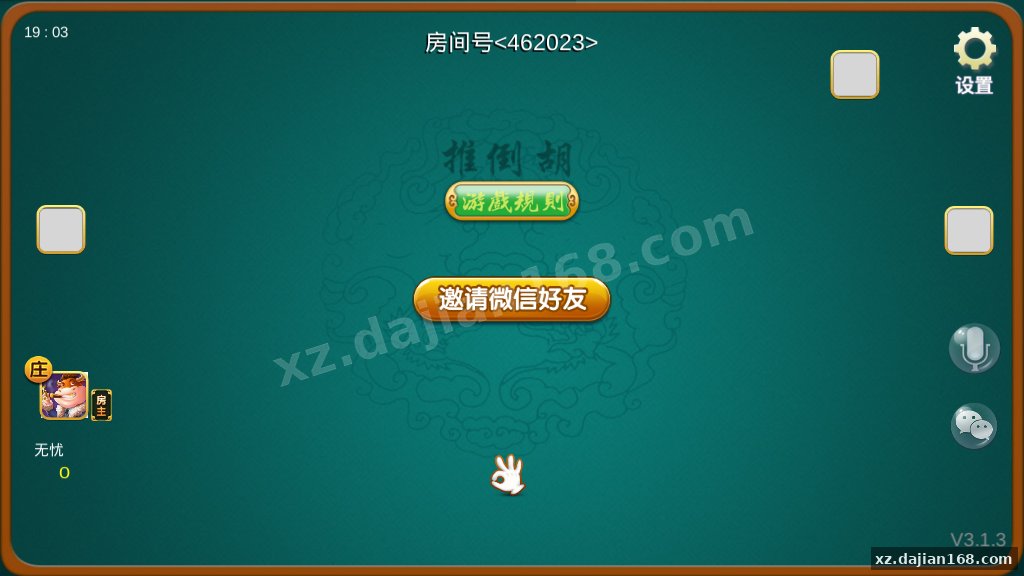
双创互娱分别有多款游戏,包括划水麻将、推倒胡、广东麻将、江西麻将、红中麻将、炸JH、
抢庄斗N、千分NN、跑得快、德州扑克、大P九、房卡捕鱼、斗地主、二八杠、小牌九等游戏。平台自带每日签到送房卡功能。
双创互娱描述:服务端JAVA,APP前端源码,PHP网站前台、后台,批处理脚本,工具
分享到:
Original screenshots:
Disclaimer
⚠️ This article is for educational research and technical exchange only. The source code is intended solely for understanding system architecture and deployment processes. Do not use it for illegal purposes. Any commercial operation is unrelated to the author.