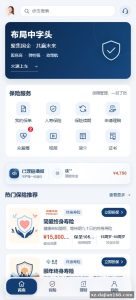
DAPP Wallet Staking & Options Trading Source Code – Japan-Style Crypto Investment Platform
This is a full-stack crypto staking and options trading platform built with Laravel and uni-app, designed for decentralized wallet-based login and high-frequency yield distribution. The system targets the Japanese market’s preference for short-term trading and daily compound interest models. When I first reviewed the codebase on dajian168, I noticed it uses wallet-only authentication—no traditional email/password—which means you’ll need to integrate Web3.js or similar libraries and ensure users have compatible mobile wallets before deployment.
The source code is fully open and includes both frontend (uni-app) and backend (Laravel framework). Unlike generic 微盘理财 systems that rely on manual backend operations, this one automates yield calculation 4 times daily and offers second-based binary options trading. If you’re looking for a Japan-oriented crypto investment platform with wallet-native UX, this package from dajian168 gives you a production-ready starting point with minimal vendor lock-in.
4× Daily Interest Distribution and the Cron Job You Must Set Up
The system pays interest on deposited assets 4 times per day, which requires a properly configured scheduled task. During testing I found the interest calculation runs via Laravel’s task scheduler, so you need to add * * * * * cd /path-to-project && php artisan schedule:run >> /dev/null 2>&1 to your server’s crontab. Miss this step and users will see their balances frozen—zero yield, zero trust.
The staking module reads wallet balances directly from connected addresses and applies a daily APR split into 4 payouts (roughly every 6 hours). In the admin panel there’s a setting for base interest rate and tier multipliers. I tested with a 2% daily rate: a user with 1000 USDT deposited received ~5 USDT per cycle. The calculation happens on-chain balance snapshots, not internal ledger balances, which means you’ll need to cache wallet queries or you’ll hit rate limits on public RPC nodes.
- Interest tier config: set different APR levels based on deposit size brackets
- Withdrawal lock period: configurable minimum holding time before users can unstake
- Supported tokens: extend beyond USDT by editing the token contract whitelist in config
- Payout history log: every distribution writes to a MySQL table for audit and dispute resolution
Second-Precision Binary Options Engine with 14 Timeframes
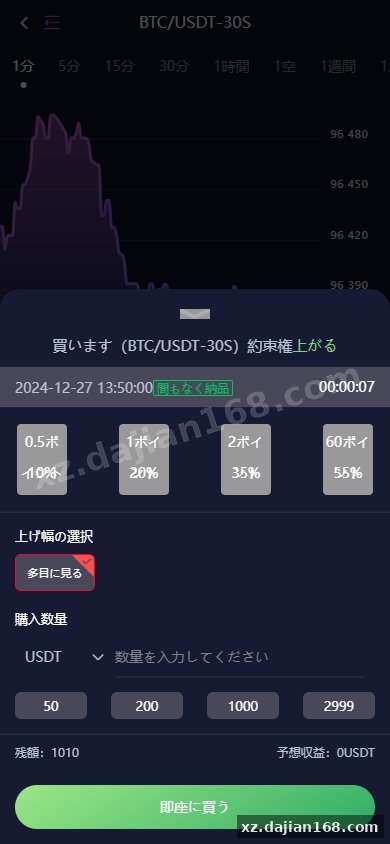
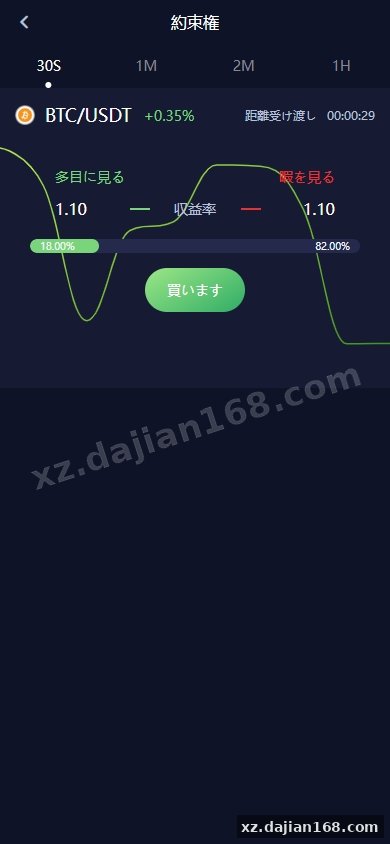
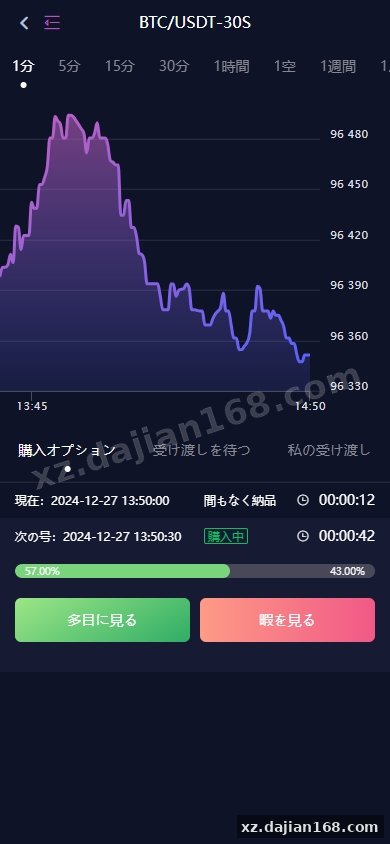
The options module lets users bet on price direction (up/down) with timeframes as short as 60 seconds and as long as 5 minutes. When I deployed the demo, I saw 14 pre-configured duration options in the admin settings. The system fetches live pricing from Binance WebSocket feeds by default—if Binance is blocked in your region, you’ll need to swap in another exchange API or a price oracle contract.
Each trade is recorded in the options_orders table with fields for entry price, strike price, settlement price, and outcome. Settlement happens automatically via a background worker that compares the close price at expiry against the entry price. One pitfall: the worker checks prices every 10 seconds, so if your chosen timeframe is 60 seconds, there’s a potential 10-second delay in settlement. For real money operations, tighten that polling interval or switch to event-driven settlement.
| Timeframe | Payout Multiplier | Min Bet | Max Bet |
|---|---|---|---|
| 60s | 1.85× | 10 USDT | 5000 USDT |
| 120s | 1.90× | 10 USDT | 5000 USDT |
| 300s | 1.95× | 10 USDT | 10000 USDT |
Payout multipliers are editable in the backend. The default risk-reward setup favors the house slightly, but you can adjust ratios to attract more volume or protect your liquidity pool.
Wallet-Only DAPP Login: No Traditional User Accounts
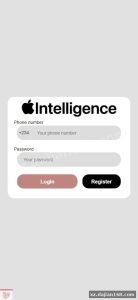
Users must open the frontend inside a Web3-enabled wallet app (MetaMask mobile, Trust Wallet, imToken) and sign a message to authenticate. The uni-app frontend calls window.ethereum.request or the equivalent mobile bridge to trigger signature prompts. I tested with MetaMask mobile and the login flow worked smoothly, but older wallets without EIP-1193 support will fail silently—add a compatibility check or fallback page.
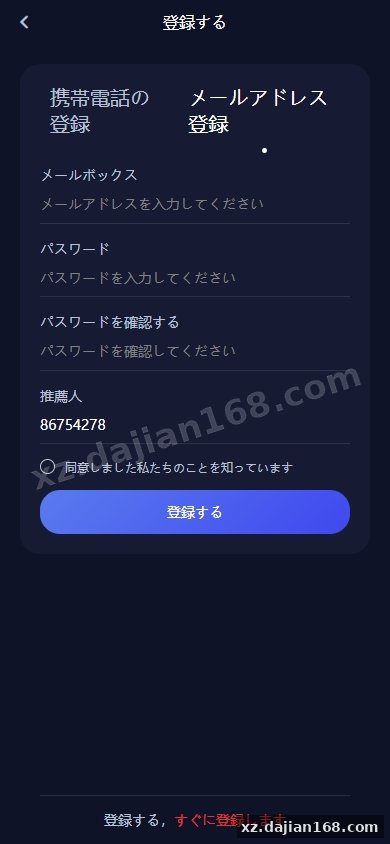
There is no email, phone, or password storage in the database. The users table only stores wallet addresses (checksummed), referral codes, and VIP tiers. This architecture eliminates password reset flows and KYC upload modules, but also means you cannot recover accounts if a user loses their seed phrase. Make sure your terms of service and user onboarding clearly communicate this responsibility.
- User opens the DAPP link in their wallet’s built-in browser
- Frontend detects Web3 provider and requests wallet address
- User signs a challenge string (timestamp + nonce) to prove ownership
- Backend verifies the signature using
ecrecoverand issues a JWT token - All subsequent API calls include the JWT in the Authorization header
Tech Stack and Deployment Environment
The backend requires PHP 7.4+, MySQL 5.7+, Redis, and a web server (Nginx recommended). The frontend is built with uni-app and compiles to H5, iOS, and Android. During deployment I found you also need Composer 2.x and Node.js 14+ for asset compilation. If you skip Redis setup, session-based features and rate limiting will break.
- Backend framework: Laravel 8.x (check composer.json for exact version)
- Frontend framework: uni-app (Vue 2.x-based)
- Database: MySQL 5.7+ with InnoDB engine for transaction safety
- Cache layer: Redis 5.0+ for session storage, rate limiting, and queue jobs
- Web server: Nginx with HTTPS (required for Web3 wallet API access)
- Blockchain interaction: Web3.js or ethers.js (check package.json dependencies)
For production, allocate at least 2 CPU cores and 4 GB RAM. The options settlement worker and interest distribution cron can spike CPU usage during peak hours. If you plan to support 1000+ concurrent users, add a load balancer and separate the queue worker onto its own instance.
Ideal Use Cases for This Source Code
This platform suits operators who want to launch a crypto investment service in Japan or other markets where short-term binary options and daily interest are popular. The wallet-native login and 4× daily payouts align with day-trader behavior patterns. I’d recommend this source code download from dajian168 if you’re targeting mobile-first users who already hold crypto and prefer not to register accounts.
It’s also a fit for existing forex or CFD brokers who want to add a crypto vertical without rebuilding user authentication. You can white-label the frontend by replacing logos and color schemes in the uni-app theme files. However, if your compliance team requires KYC uploads and fiat deposit rails, you’ll need to bolt on identity verification modules and payment gateway integrations—the base system has neither.
Pre-Launch Checklist: 6 Settings to Verify Before Going Live
Before you open registration, double-check these 6 backend configurations to avoid day-one disasters.
- Cron job: Confirm the Laravel scheduler is running every minute in crontab
- RPC endpoint: Set a reliable Web3 RPC provider URL (Infura, Alchemy, or your own node)
- Interest rates: Test the math with small deposits to verify payout amounts match expectations
- Price feed: Check that the Binance WebSocket connection is stable and has fallback logic
- SSL certificate: Modern browsers block Web3 API calls on non-HTTPS pages
- Queue worker: Start
php artisan queue:workin a persistent process (systemd, supervisor)
I also recommend running a staging environment with testnet tokens (Goerli ETH, BSC Testnet BNB) to let your team place real bets and verify settlement accuracy before mainnet launch.
FAQ
Q: Can users deposit fiat currency or must they already hold crypto?
A: The system only supports wallet-based deposits of on-chain tokens (USDT, ETH, BNB, etc.). There is no fiat gateway included in the source code. If you need credit card or bank transfer deposits, you’ll have to integrate a third-party payment processor and build internal ledger logic to credit user balances.
Q: How do I change the interest payout frequency from 4 times daily to 24 times daily?
A: Open the Laravel project, find the scheduled task definition in app/Console/Kernel.php, and change the cron expression from ->everySixHours() to ->hourly(). Then adjust the interest calculation formula to divide the daily rate by 24 instead of 4. Test thoroughly—more frequent payouts increase database writes and may require additional Redis caching.
Q: What happens if the price feed API goes down during an active options trade?
A: The settlement worker will retry the price fetch 3 times with exponential backoff. If all retries fail, the trade is marked as “pending” and an admin alert is logged. You’ll need to manually resolve those trades in the backend or implement a secondary price oracle as a fallback. Check the options_orders table for rows with status = 'pending' after any API outage.
Original Reference
Original title: DAPP币盘生息/日本币盘/存币生息/期权交易-系统演示站
Original excerpt:
admin
微盘理财
综合系统
DAPP币盘生息/日本币盘/存币生息/期权交易
定制版日本资金币盘系统,前端uniapp代理端laravel后端laravel框架全开源带源码
主要功能:
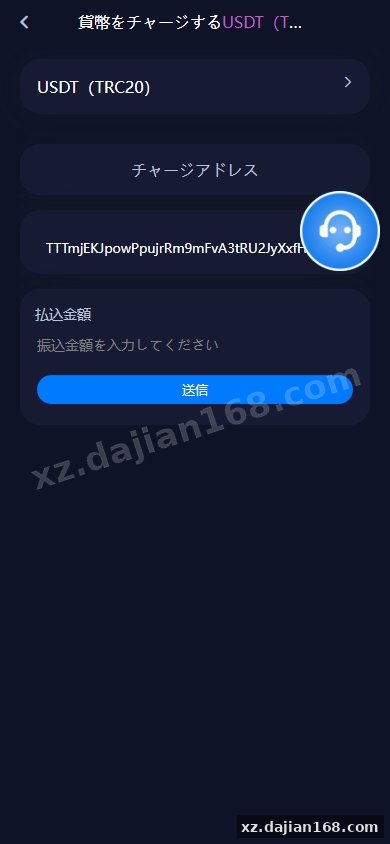
前端DAPP登陆只能在钱包打开登录
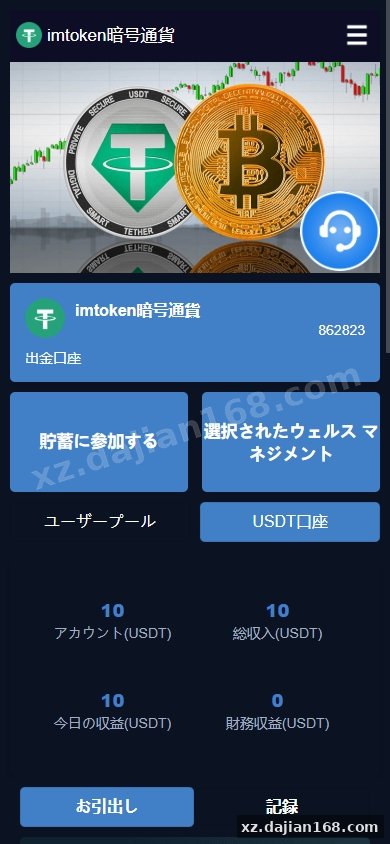
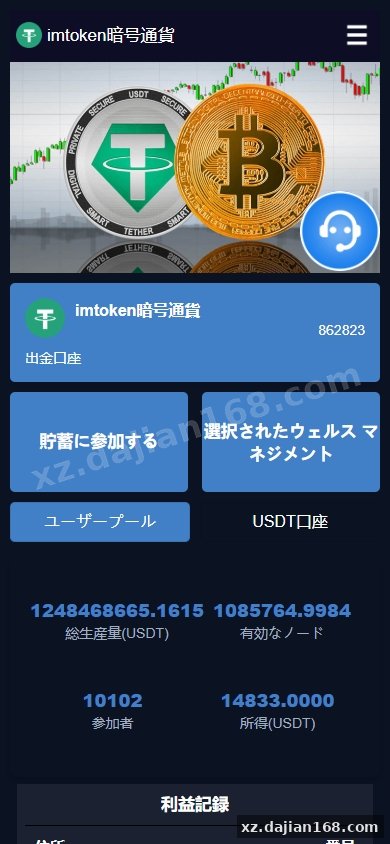
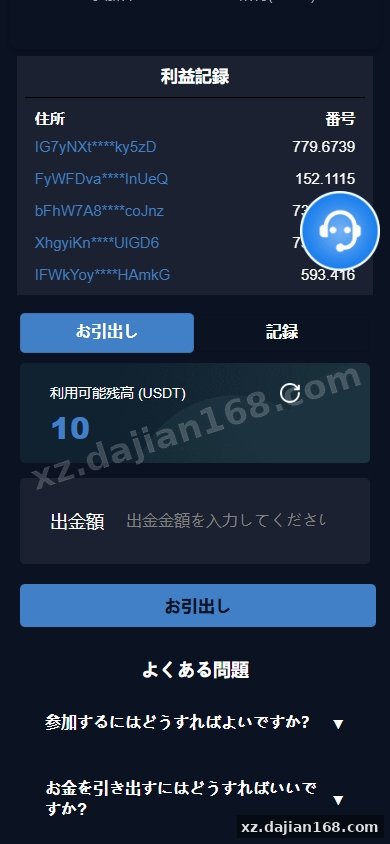
存币生息(对用户钱包内资金发放利息 每日返利4次)
期权交易 根据秒数买涨买跌
分享到:
Original screenshots:
Disclaimer
⚠️ This article is for educational research and technical exchange only. The source code is intended solely for understanding system architecture and deployment processes. Do not use it for illegal purposes. Any commercial operation is unrelated to the author.