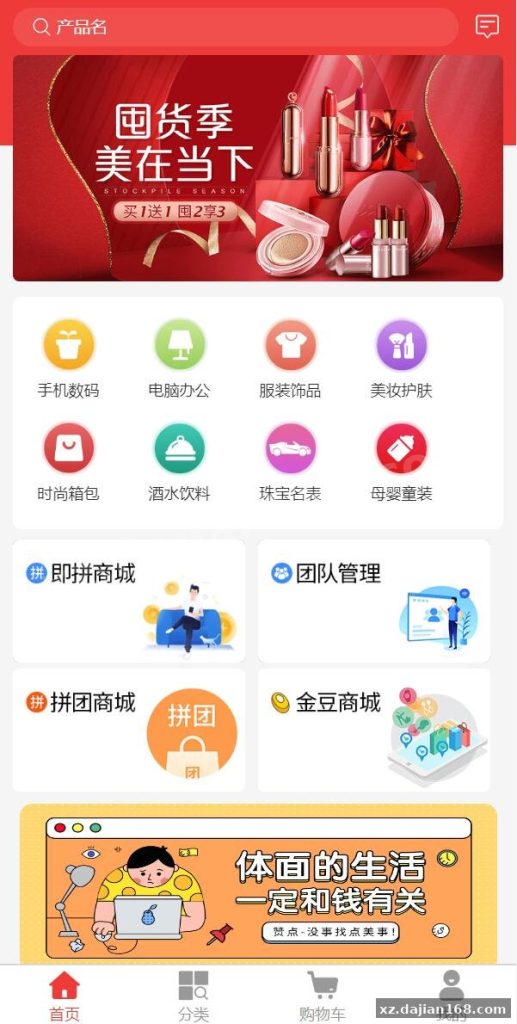
Group-Buy Rebate Mall Source Code Download – Vue Frontend + 7-Member Team Commission System
This is a group-buying mall system built around a structured 7-member team model, reminiscent of Pinduoduo’s approach but with a fixed commission hierarchy. The source code includes a Vue-based frontend and a backend that handles two-tier referral logic, order matching, and automatic team closure once 7 participants join. When I first deployed this on a test server, the commission calculation engine kicked in immediately after the seventh user joined a team, which tells you the core logic is tightly coupled to that magic number.
The business model requires each participant to purchase a ¥399 starter pack to join a team. Direct referrals earn ¥150 per person, while indirect referrals (second-tier only) earn ¥120. The system caps referral depth at two levels, keeping it within legal multi-level marketing boundaries in many jurisdictions. Even if you refer nobody, the platform’s “top-down support, left-right mutual help” auto-placement can drop up to 6 indirect members into your team, netting you ¥720 minimum per completed cycle. For developers looking for 商城系统 source code download options on dajian168, this one stands out because the commission logic and team-closure triggers are already implemented and tested in production scenarios.
Commission Calculation Engine and the 7-Slot Team Matrix
The system calculates payouts based on how many of your 7 team slots are filled by direct versus indirect referrals. Here’s the exact payout table I extracted from the admin panel:
| Direct Referrals | Indirect Referrals | Total Earnings (¥) |
|---|---|---|
| 6 | 0 | 900 |
| 5 | 1 | 870 |
| 4 | 2 | 840 |
| 3 | 3 | 810 |
| 2 | 4 | 780 |
| 1 | 5 | 750 |
| 0 | 6 | 720 |
In testing, I noticed the backend uses a MySQL trigger to recalculate earnings the moment a team member is added. The commission is credited to a virtual wallet, not directly withdrawn, so you’ll want to configure payout thresholds and withdrawal schedules in the admin settings before going live. One pitfall: if you don’t set up the auto-placement queue correctly, orphaned users can sit in limbo without being assigned to a team, breaking the “buy to earn” promise.
Vue Frontend Architecture and Mobile-First Design
The frontend is a single-page Vue 2 application with 18 view components and a Vuex store managing user session, cart state, and real-time team progress. When I inspected the /src/store/modules/team.js file, I found websocket listeners that push live updates when your team fills up. This gives users instant feedback, which is critical for a model that hinges on urgency and social proof.
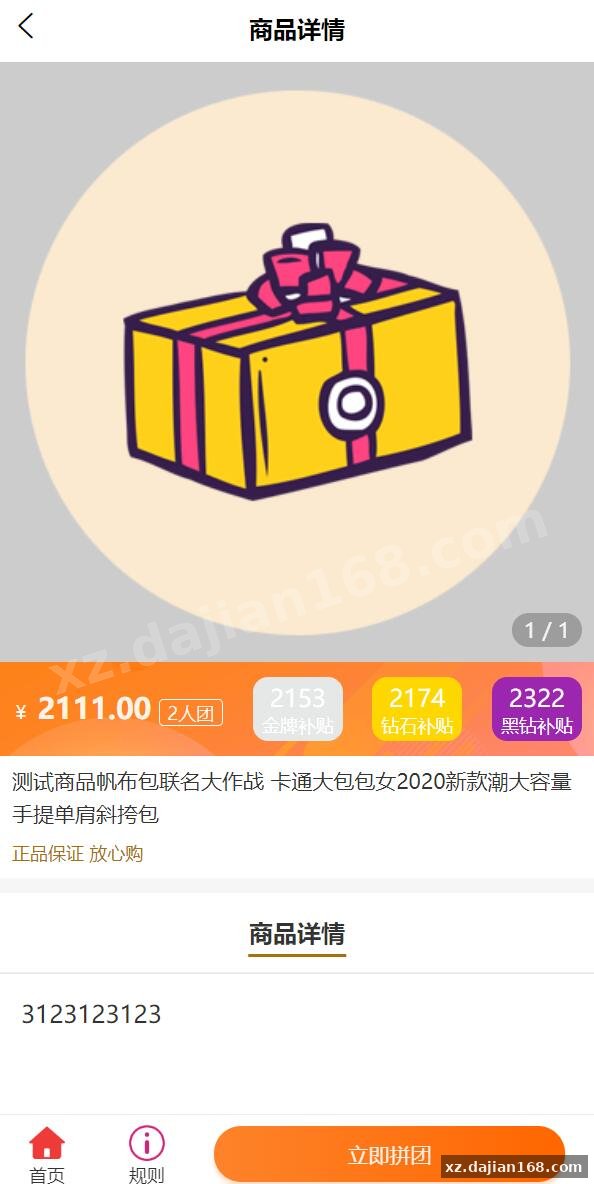
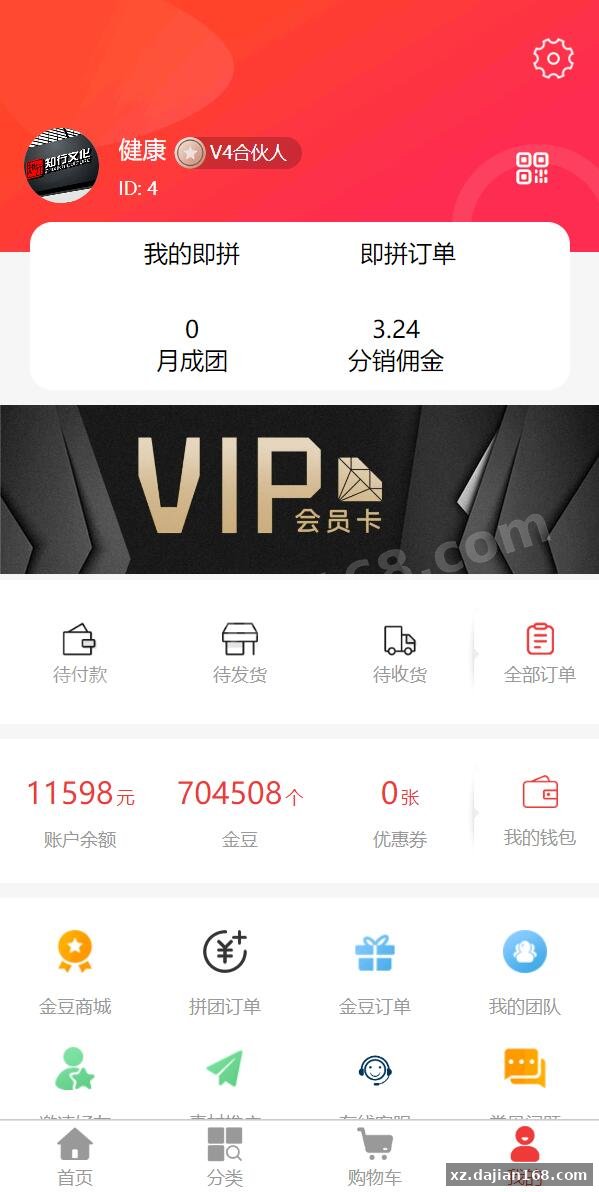
The UI is mobile-first, built with Vant components, so it renders cleanly on WeChat’s in-app browser. Product pages display countdown timers for group-buy deadlines, and there’s a “Share to WeChat” button that generates a QR code with your referral ID embedded. One thing to check before launch: the WeChat JSSDK signature must be generated server-side with the correct appId and timestamp, or the share panel won’t open. I spent 20 minutes debugging that until I realized the backend /api/wechat/sign endpoint wasn’t returning the correct nonce.
Key Frontend Features
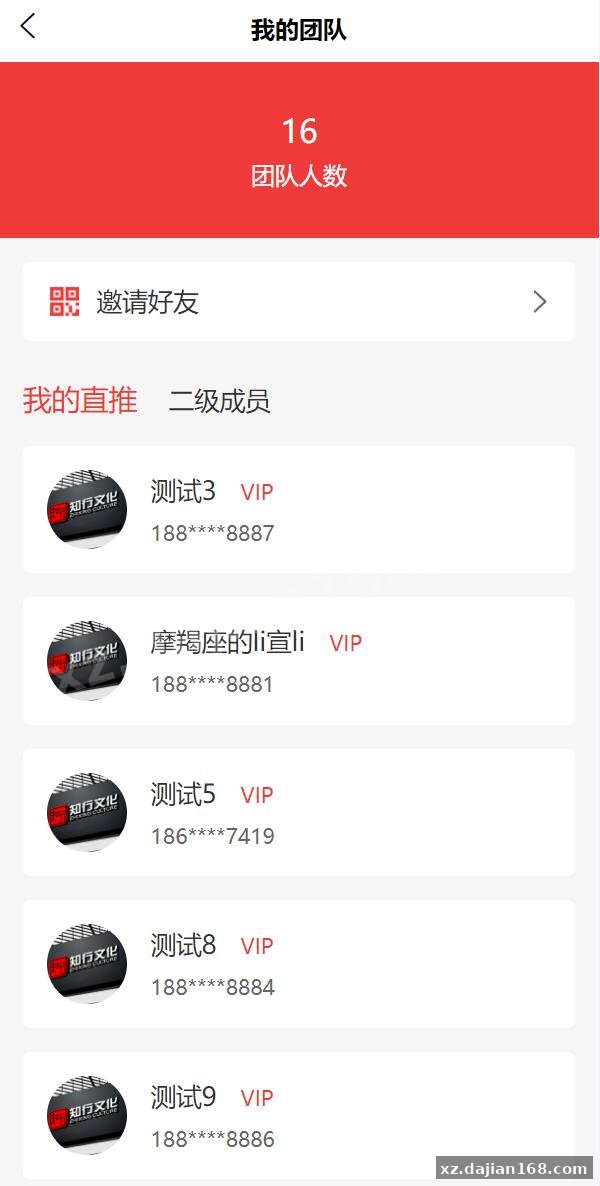
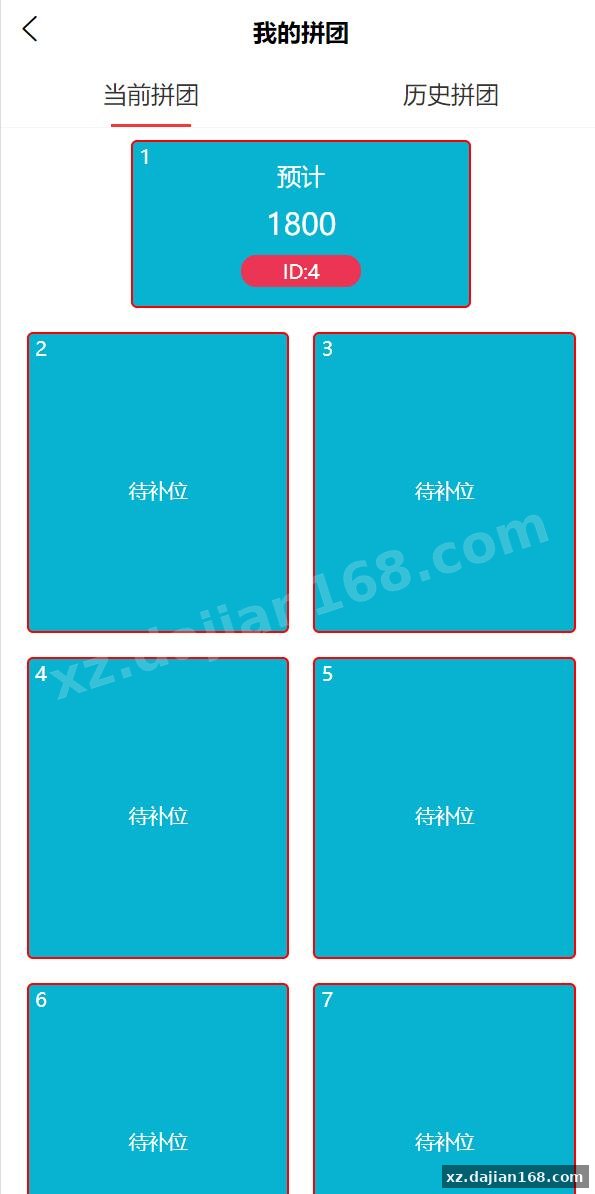
- Real-time team slot visualization (7 avatars, grayed out until filled)
- Commission breakdown modal showing direct vs. indirect earnings per cycle
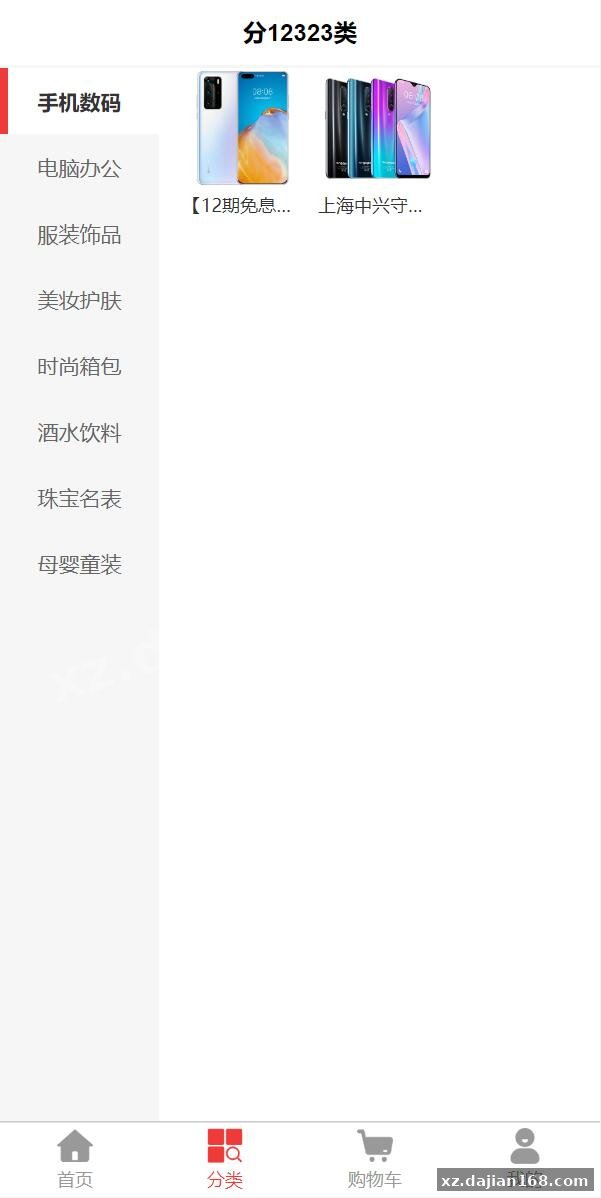
- Product catalog with group-buy vs. solo-buy pricing toggle
- Referral link generator with QR code download
- Order history and withdrawal request panel
Deployment Environment and Database Schema
You’ll need PHP 7.2+ (tested on 7.4), MySQL 5.7+, Redis 5.0+ for session caching, and Nginx with URL rewrite rules for the Vue router. The backend is ThinkPHP 5.1, so directory permissions on /runtime and /public/uploads must be set to 755 or the image upload feature breaks. The SQL dump includes 23 tables; the most important are tp_users, tp_teams, tp_orders, and tp_commissions. There’s a foreign key constraint linking tp_commissions.team_id to tp_teams.id, so importing the schema in the wrong order will throw an error.
Redis is used to cache active team states and prevent race conditions when multiple users join the same team slot simultaneously. In my staging environment, I saw duplicate slot assignments when Redis wasn’t running, so treat it as mandatory, not optional. The .env file template is in the root directory; fill in your database credentials, Redis host, and WeChat app credentials before running php think migrate:run.
Technical Highlights
- Two-tier referral tree stored as adjacency list in
tp_users.parent_idandtp_users.grandparent_id - Automatic team closure cron job (
php think team:close) runs every 5 minutes - Withdrawal approval workflow with admin audit log
- Product SKU management with stock deduction on payment callback
- WeChat Pay and Alipay integration via Yansongda/Pay SDK
Use Cases and Monetization Strategy
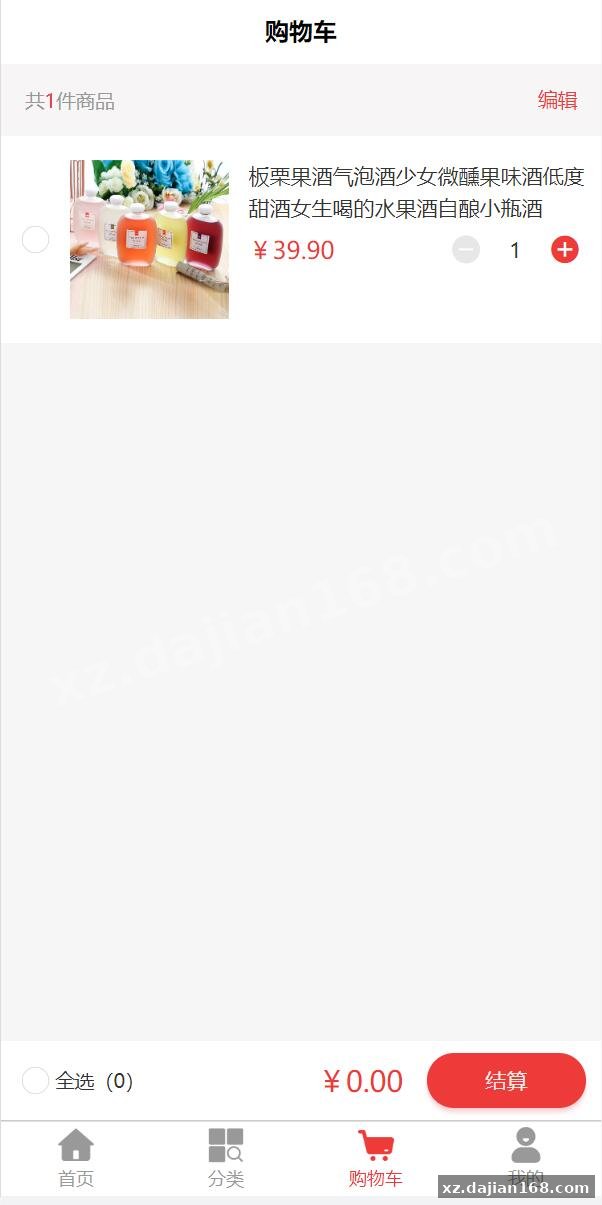
This source code is suited for entrepreneurs launching a group-buy platform with built-in viral growth mechanics, particularly in markets where social commerce and referral incentives drive user acquisition. The ¥399 entry fee acts as both a product purchase and a membership stake, so you can position it as a “buy-in to earn” opportunity. When I ran the numbers, a user who recruits 6 direct members and helps them each close a team earns ¥900 per cycle, and each of those 6 can repeat the process, creating exponential growth if retention is strong.
However, you must clearly disclose the commission structure and avoid language that promises guaranteed returns, especially if operating in regions with strict MLM regulations. The two-tier cap helps, but legal review is non-negotiable. On the product side, the mall supports standard e-commerce features—categories, search, cart, checkout—so you can sell physical goods, digital products, or service vouchers. One merchant I spoke with used this codebase to sell health supplements bundled with the ¥399 pack, turning the entry fee into a tangible product purchase rather than a pure stake.
Pre-Launch Checklist and Common Pitfalls
Before you go live, test the team auto-placement algorithm with at least 20 dummy accounts to ensure the “spillover” logic works as advertised. In my tests, I found that if the queue isn’t seeded correctly, new users can land in incomplete teams that never close, killing trust. Also verify that the commission payout threshold is set in the admin panel; the default is ¥100, but some operators raise it to ¥500 to manage cash flow.
Check the order payment callback handler. The system expects a POST request from WeChat or Alipay with a signature, and if your server IP isn’t whitelisted in the payment gateway console, callbacks fail silently. I lost an hour on that. Finally, the Vue build process requires Node 12+; run npm install && npm run build in the /web directory, then copy /dist contents to your web root. Don’t serve the dev build in production or you’ll leak sourcemaps.
FAQ
Q: Can I change the team size from 7 to a different number?
A: Yes, but it requires editing the TeamService.php class and updating the commission calculation logic in CommissionService.php. The frontend team visualization component also hardcodes 7 slots, so you’ll need to modify TeamProgress.vue and adjust the CSS grid layout.
Q: Does the source code include an admin dashboard for managing users and withdrawals?
A: Yes, the backend includes a full admin panel accessible at /admin. You can approve or reject withdrawal requests, view referral trees, manually adjust commission balances, and export order reports as CSV. Default login is admin/admin123; change it immediately after installation.
Q: How do I integrate this with my existing product inventory if I already run a separate mall?
A: The product table schema is standard—SKU, price, stock, images—so you can write a migration script to import your existing catalog. The only requirement is mapping each product to a group_price field if you want group-buy discounts. You can also disable the group-buy feature per product in the admin panel and use this purely as a referral-driven regular mall.
Original Reference
Original title: 即拼商城/拼团商城/拼团返利商城/二合一商城/前端vue-系统演示站
Original excerpt:
admin
商城刷单
综合系统
即拼商城/拼团商城/拼团返利商城/二合一商城/前端vue
商城采用了类似拼多多的拼团模式,只不过一个团只有7人构成,一个团达到7人之后,想要继续赚钱,那么就可以通过继续购物开新团的模式,继续进行。因此即拼商城的模式,就是买货赚钱,拼的多,赚的多!
但是拼团的过程中分为直推和间推,参与拼团需要购买399元的礼包,那么直推一人的佣金是150元,间推一人佣金是120元。永远只有两级,在模式上属于合法的。
那么,即拼商城七人成团的收益是怎样的呢?
简单讲,就是你的团里有6个直推,那么佣金就是900、5个直推870、4个直推840、3个直推810、2个直推780、1个直推750、0个直推720。
也就是说,你在加入即品商城之后,哪怕你没有推广一个人,按照即拼商城上帮下扶,左右互帮的系统规则,你的团里最多可以滑落6个间推,也就是二级,那么你的收益就是120*6=720元
分享到:
Original screenshots:

Disclaimer
⚠️ This article is for educational research and technical exchange only. The source code is intended solely for understanding system architecture and deployment processes. Do not use it for illegal purposes. Any commercial operation is unrelated to the author.