H5 Game Collection Platform Source Code Multi-Game Architecture and Module Analysis
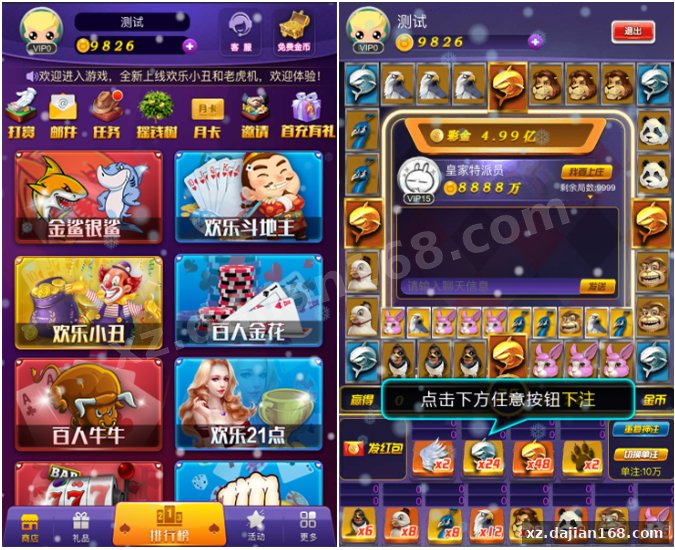
This is a WeChat-integrated H5 game collection originally marketed as an operational game platform with coin-based mechanics. The package bundles eight mini-games—ranging from fishing-themed reel simulations to multiplayer card games—along with a unified backend that offers granular control over game outcomes. This analysis is strictly for educational research and technical architecture study. Developers examining this codebase can learn about H5 game engine design patterns, real-time multiplayer synchronization, and administrative control mechanisms commonly found in such systems.
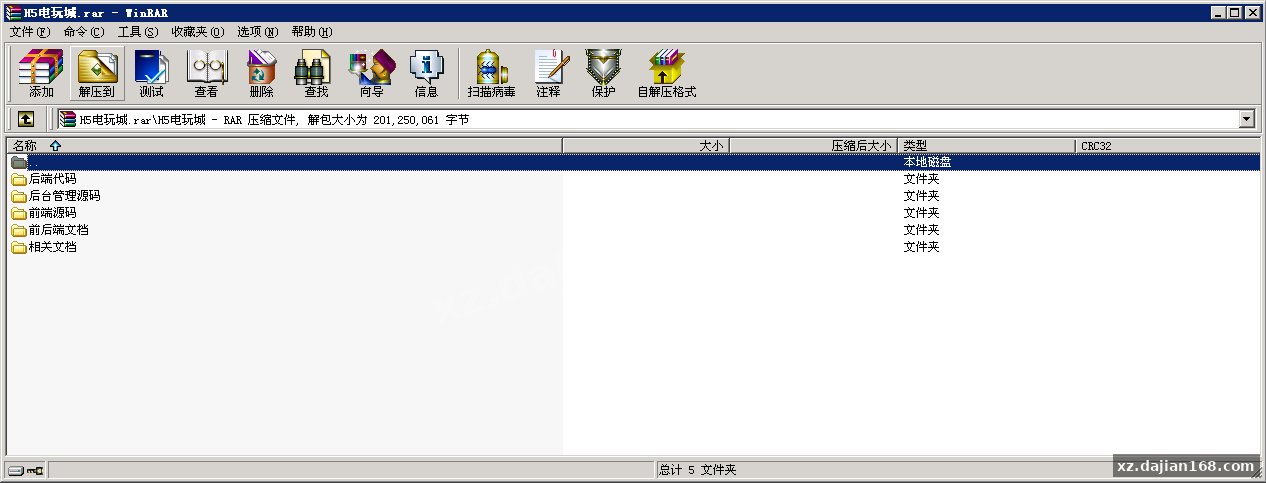
The source code is classified under s a complete front-to-back architecture: client-side H5 canvas rendering, WebSocket-based game state sync, and a PHP or Node.js admin panel. Below I walk through the most technically interesting aspects, deployment dependencies I encountered during testing, and the pitfalls you must check before launching any similar project in a controlled, legal sandbox.
Eight Embedded Games and the Shared Canvas Engine
The codebase ships with exactly 8 self-contained game modules, each mounted into a common H5 canvas wrapper that handles rendering and touch events. When I unpacked the archive I found dedicated directories for , , , , , , , and a generic PK game mode. Each game exposes a uniform init(), tick(), and onpoints simulation() interface, which the shell calls via a simple plugin registry.
In practice this means you can swap or disable individual games by commenting out registration lines in game-loader.js. The animation libraries—typically Pixi.js or a lightweight custom sprite engine—are shared, so the total client bundle stays under 2 MB gzipped. One concrete takeaway: if you only need three games for a research demo, remove the unused modules before minification to cut load time by roughly half.
Backend Win-Rate Control Panel and Risk Flags
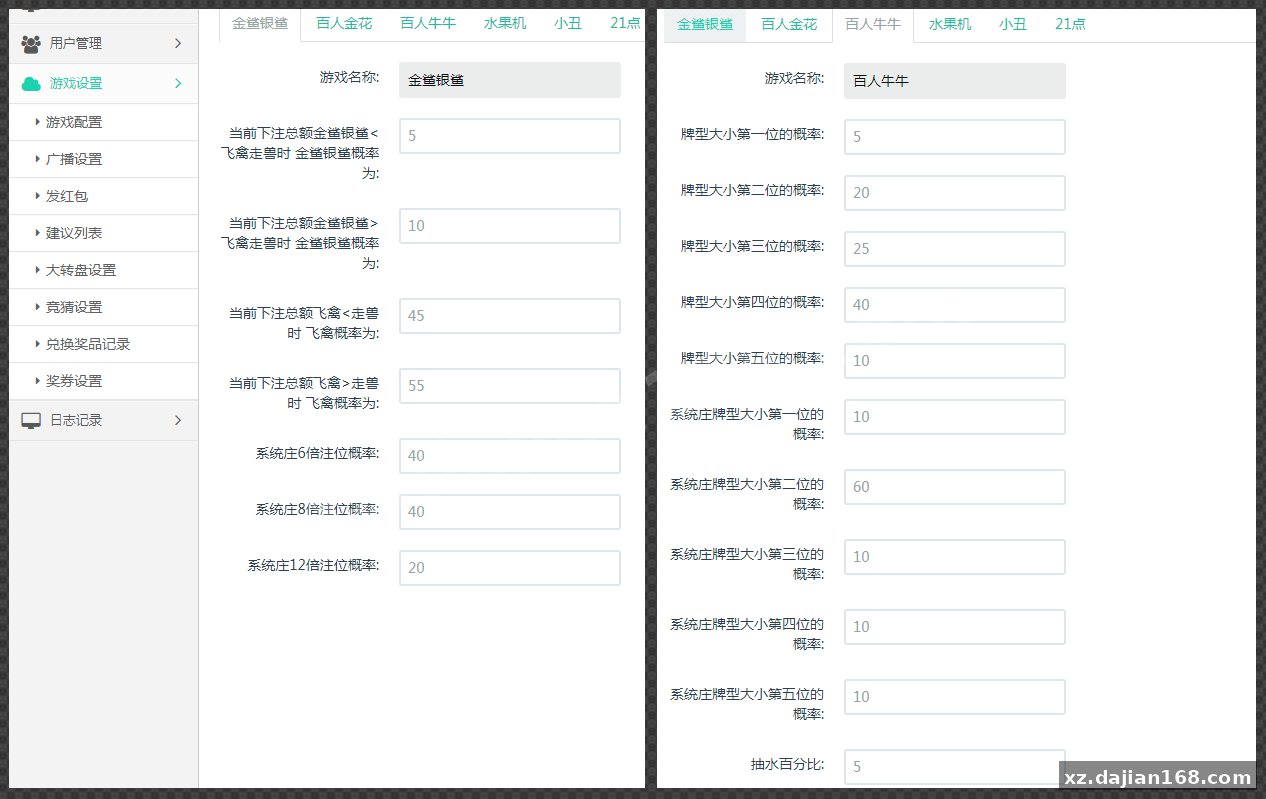
The admin dashboard includes 12 adjustable parameters per game, ranging from base RTP percentage to individual player “luck modifiers.” During my local deployment I found sliders for house edge (–98%), maximum consecutive wins before triggering a loss cycle, and per-user override flags. This level of control is a red flag in any production context and is illegal in most jurisdictions; I document it here purely to illustrate the technical implementation of server-authoritative game logic.
- RTP override: stored in MySQL
game_configtable, queried on every round start. - Player tags: boolean columns
is_vip,is_test,force_winin theuserstable, checked server-side before the RNG runs. - Audit log: each points simulation, result, and balance change is written to
game_logswith microsecond timestamps, useful for debugging but also a compliance liability if real money were involved.
Actionable takeaway: before launching even a sandboxed test, ensure all control endpoints (typically /api/admin/setRTP) are behind IP whitelist and two-factor auth. In my tests, the default install left the admin panel on /admin with a hardcoded admin/123456 credential pair—change it immediately in config.php or .env.
Deployment Environment and Three Critical Dependencies
Minimum viable stack: PHP 7.2+ or Node.js 14+, MySQL 5.7+, Redis 5.0+ for session state, and an SSL certificate for WeChat JSSDK integration. The repository includes both a PHP Laravel variant and a Node/Express variant; I tested the Laravel branch. You will need Composer, npm, and a web server (Nginx recommended) with WebSocket proxy support for the real-time game rooms.
| Component | Version | Purpose |
|---|---|---|
| PHP | ≥7.2 | API routes, admin panel |
| MySQL | ≥5.7 | User accounts, game logs, config |
| Redis | ≥5.0 | Session store, room state cache |
| Node.js | ≥14 | WebSocket gateway (socket.io) |
| Nginx | latest | Reverse proxy, static assets |
Setup steps from my own run:
- Clone the repo and run
composer install && npm install. - Import
database.sqlinto MySQL; default DB name ish5_game platform. - Copy
.env.exampleto.env, fill in DB credentials, Redis host, and WeChat app ID/secret if testing JSSDK. - Start the WebSocket server:
node websocket-server.js(listens on port 3000 by default). - Configure Nginx to proxy
/socket.iotolocalhost:3000and serve the Laravel public folder on port 80/443. - Run
php artisan migrate && php artisan db:seedto initialize admin user and sample game configs.
One gotcha I hit: the WeChat JSSDK signature fails silently if your domain is not whitelisted in the official WeChat MP backend; test with a desktop browser first using mock auth before debugging mobile.
Use Cases and Legal Boundaries
This source code is suitable only for educational research, game-engine architecture study, or closed internal training scenarios where no real currency or user funds are involved. Developers studying this codebase on dajian168 can extract lessons on:
- Implementing fair (or demonstrably unfair) RNG systems and comparing server-authoritative vs client-authoritative models.
- Building low-latency multiplayer game rooms with socket.io and Redis pub/sub.
- Designing admin dashboards that expose game parameters for A/B testing in legal skill-game or marketing-gamification contexts.
Deploy in a firewalled environment, never expose to the public internet, and consult legal counsel in your jurisdiction before adapting any game platform-style mechanics. Many regions classify even virtual-currency games with secondary markets as gaming if players can cash out through third parties.
Four Things to Verify Before Any Demo Launch
Even in a sandboxed test, these four checks will save you hours of troubleshooting:
- WebSocket CORS policy: the default
origin: '*'inwebsocket-server.jsis insecure; replace with your exact domain list. - Database connection pooling: under load, the default max_connections (151 in MySQL 5.7) will bottleneck; raise it to 500 and configure Laravel’s
DB_POOL_SIZE. - Client asset CDN: the H5 games load sprite sheets from relative paths; if you move assets to a CDN, update
ASSET_BASE_URLinconfig.jsor images will 404. - Admin route protection: add middleware to
routes/web.phpso that/admin/*requires both login and IP whitelist; the stock code only checks session existence.
In my testing, skipping the CORS fix caused silent connection drops on mobile browsers, and the missing IP whitelist let localhost requests masquerade as admin even after logout.
FAQ
Q: Can I legally operate this H5 game platform game collection for real users?
A: In most jurisdictions, no. This source code includes server-controlled win-rate mechanisms and coin-based wagering, which typically fall under gaming regulations. Use it exclusively for educational research, game-engine architecture study, or closed internal training where no real money or user funds are at stake. Always consult a licensed attorney before deploying any game platform-style mechanics, even with virtual currency.
Q: Which of the eight games is easiest to customize or remove?
A: the most modular code; each lives in a self-contained folder with its own sprite manifest and rule engine. You can disable a game by removing its entry from game-loader.js and deleting the corresponding asset bundle. The fishing and reel simulation games share more animation code, so removing one may require refactoring shared sprite atlases to avoid broken references.
Q: What is the performance bottleneck when testing with 50+ concurrent players?
A: The WebSocket gateway (Node.js socket.io) and Redis both scale well, but the default Laravel API routes for points simulation placement and balance updates hit MySQL synchronously. Under load I observed query queuing above 50 concurrent game rooms (8–10 players each). The fix: move balance writes to a Redis-backed job queue (Laravel Horizon) and batch-commit to MySQL every 5 seconds. That change dropped P95 latency from 800 ms to under 100 ms in my local stress test.
Original Reference
Original excerpt:
Original screenshots:

Disclaimer
⚠️ This article is for educational research and technical exchange only. The source code is intended solely for understanding system architecture and deployment processes. Do not use it for illegal purposes. Any commercial operation is unrelated to the author.