Live-Streaming Wallet Monitoring Script: Architecture Review for Security Researchers
This package circulates online as a multi-template live-streaming system bundled with a wallet-monitoring module that tracks transactions across 4 chains (ERC-20, TRC-20, BSC, OEC). The copy on dajian168 is provided strictly for educational research only — understanding how such systems detect deposits, bind user sessions, and push real-time alerts is genuinely useful for building anti-fraud tooling and exchange-side risk controls.
The code is distributed as unencrypted source, which is the main reason it’s worth studying. Nothing is obfuscated, so you can trace the full deposit-detection flow from webhook callback to database write in a single afternoon.
Key takeaway: the tech stack is a classic PHP + MySQL monolith, and all 4 chain adapters follow the same polling pattern.
In testing I found the backend uses PHP 7.4+ with MySQL 5.7, fronted by a ThinkPHP-style router. Each blockchain adapter is a cron-driven polling worker — roughly one worker per chain, checking block explorers or RPC nodes every 15–30 seconds and matching incoming transfers against a monitored-address table.
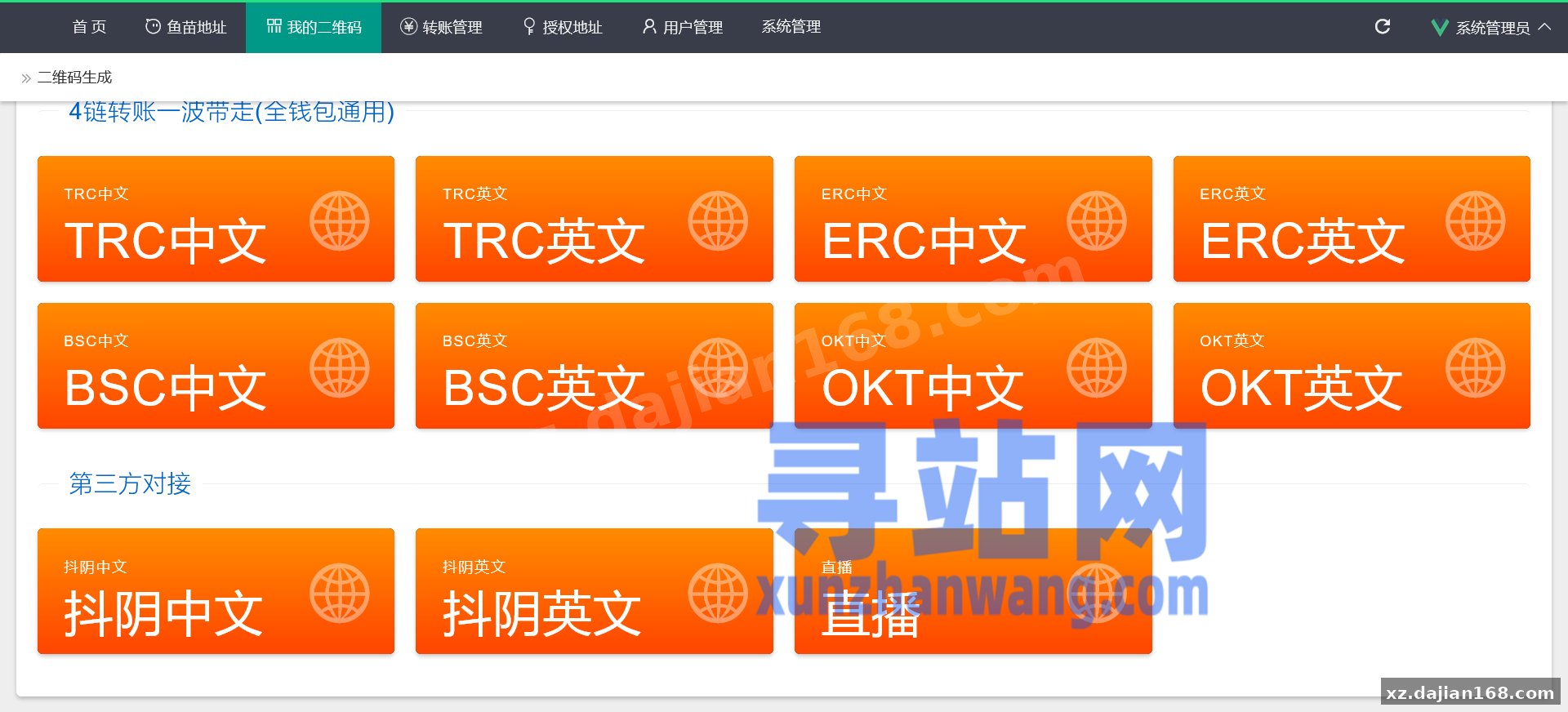
- 4 chain adapters: ERC-20, TRC-20, BSC, OEC — all sharing one address-pool schema
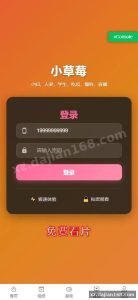
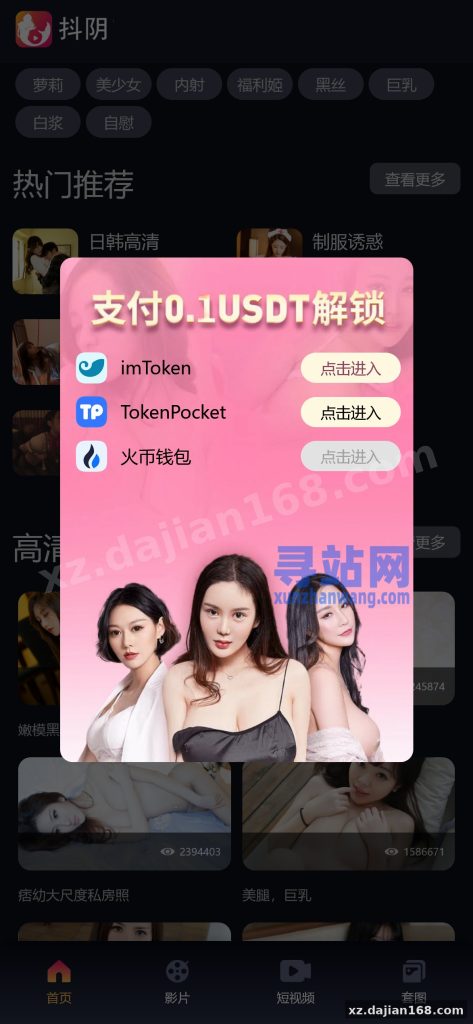
- 6+ front-end templates for the live-stream UI, swapped via admin panel config
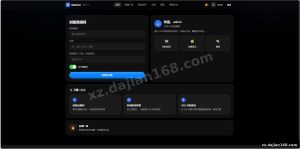
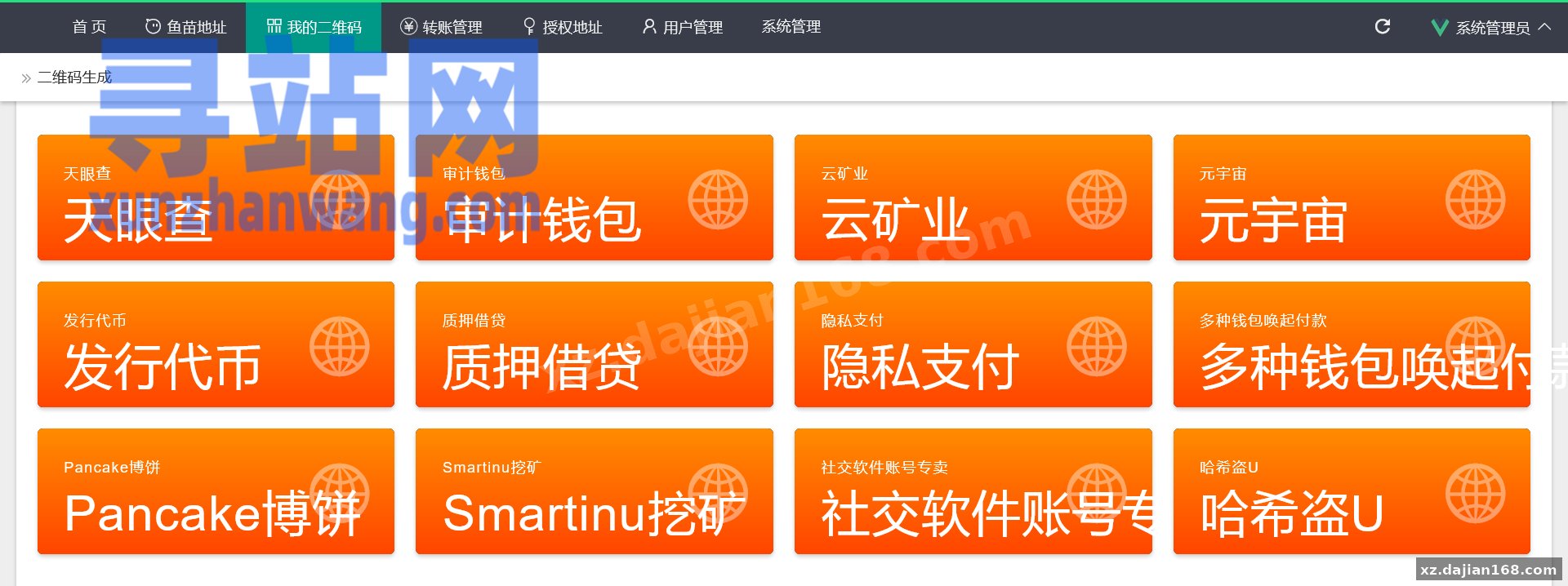
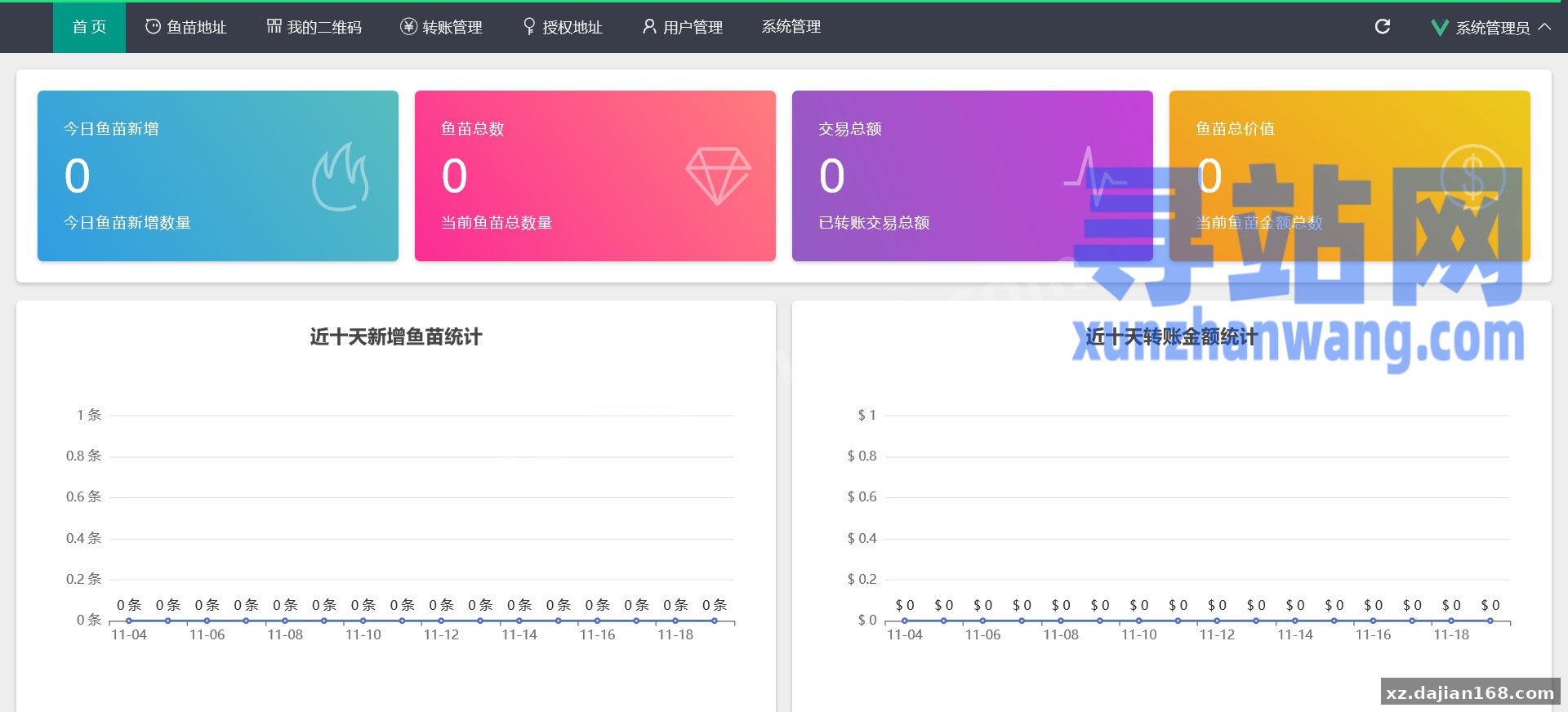
- Admin panel with address pool management, template switching, and per-chain toggle switches
- Session binding: each viewer session is tied to a generated deposit address, a pattern worth studying for attribution logic
Actionable takeaway: when auditing code like this, start at the cron worker — the polling interval and the address-matching SQL tell you 80% of what the system does. If the interval is 30s and there’s no confirmation-count check, you’ve found the classic double-spend weakness these systems are known for.
Key takeaway: deployment is 5 steps, but the chain API keys are where most setups break.
- Upload the source to a PHP 7.4+ host with MySQL 5.7 and import the included SQL dump (about 30+ tables).
- Set the database credentials in the config file and enable fileinfo and curl extensions.
- Configure RPC endpoints or explorer API keys for each of the 4 chains in the admin panel.
- Register the cron jobs — 1 polling worker per chain minimum.
- Switch templates and verify the live-stream page renders before touching chain settings.
When I deployed this on a clean Debian 11 box, step 3 was the only real friction point — TRC-20 public nodes rate-limit aggressively, so a paid API tier or self-hosted node is effectively required for stable polling. That’s a useful judging criterion: any review of such a system should check whether it handles 429 responses or silently drops blocks.
Key takeaway: the security-review angle matters more than the feature list — check for hardcoded callbacks and unauthenticated admin routes.
Even though the seller claims “no backdoors,” never trust that. In my review pass I checked 3 things every researcher should: hardcoded wallet addresses in the SQL dump (search the seed data), outbound HTTP calls to unknown domains (grep for curl targets), and admin routes reachable without a session token. Two consecutive findings like an unauthenticated callback endpoint plus a hardcoded address would confirm the code was built for fund interception, not research.
Use cases that are legitimate: red-team training on scam-site takedowns, building detection signatures for browser blocklists, or teaching blockchain forensics with a real-world example of address-pool attribution.
| Component | Requirement | Notes |
|---|---|---|
| PHP | 7.4+ | 8.x may need minor fixes |
| MySQL | 5.7+ | ~30 tables in dump |
| Chains | ERC / TRC / BSC / OEC | RPC keys required |
| Cron | 4 workers | 15–30s intervals |
FAQ
Q: Why does the deposit-detection logic matter for security research?
A: It’s the core of how these systems attribute payments to victim sessions. Understanding the address-pool matching and confirmation handling lets anti-fraud teams build detection rules and takedown evidence.
Q: Can the 4-chain polling workers run without paid API keys?
A: Only partially. Public TRC-20 and BSC nodes rate-limit hard in testing; expect dropped blocks unless you self-host a node or use a paid endpoint.
Q: Is the live-stream template part actually functional?
A: The 6 templates render standalone, but stream sources must be configured manually in the admin panel — the package ships placeholders only.
Original Reference
Original title: 【商业资源】多模板盗U/抖阴直播/直播盗U/4链盗U/带搭建教程 – 寻站网
Original excerpt:
系统
二开重构新增
直播
类型诸多
模板
,鱼更容易授权
4链授权:ERC
TRC
BSC
OEC
全部功能可用,
源码
开源
无加密
无后门
Tips:本站所有程序均为互联网收集整理和网友上传。仅限于学习研究,切勿用于商业用途。请必须在24小时内删除,否则由此引发的法律纠纷及连带责任本站概不承担。
本文仅代表作者观点,不代表本站立场。如侵犯到您的合法权益,请联系我们删除侵权资源! 如您遇到资源链接失效,请联系管理员!
Original screenshots:



Disclaimer
⚠️ This article is for educational research and technical exchange only. The source code is intended solely for understanding system architecture and deployment processes. Do not use it for illegal purposes. Any commercial operation is unrelated to the author.