Multi-Language Energy Investment Platform Source Code: Solar & Wind Module Architecture Review
This article reviews the technical architecture of a multi-language energy investment platform source code download published on dajian168. The project packages solar, wind, and “core energy” investment modules into a single web application built on the ThinkPHP framework. It is categorized under 微盘理财 (micro-disk finance) and is examined here strictly for educational research, code review, and understanding of legacy investment-style web app structures.
When I unpacked the archive I noticed it ships as a second-development (“二开”) release rather than a from-scratch build. That matters for anyone evaluating the codebase: the original logic was preserved while new modules were bolted on, which is why the table count and the module names diverge between the old and new flows. If your goal is to study how a 28-table investment simulator wires multi-language routing, this is a fairly compact example to read.
Take a close look at the ThinkPHP layer before touching any module. Tech stack and 28-table database layout
The backend is written in PHP 7.x and runs on the ThinkPHP 5.0.x framework, which is consistent with the routing patterns I saw in /application/. The front-end uses a mix of static HTML templates plus a lightweight jQuery layer for the trading charts; there is no Node service in the stack. The admin panel is built on TP’s built-in RBAC, with one hidden config flag in application/config.php that toggles “debug mode” — in testing I found that leaving it on exposes SQL errors directly in the JSON response, which is a known pitfall you should disable before any local deployment.
- Framework: ThinkPHP 5.0.x, PHP 7.2+ recommended
- Database: MySQL 5.7, total of 28 tables (8 for users/orders, 12 for the investment products, 8 for logs/admin)
- Front-end: jQuery 1.10 + LayUI 2.x admin theme
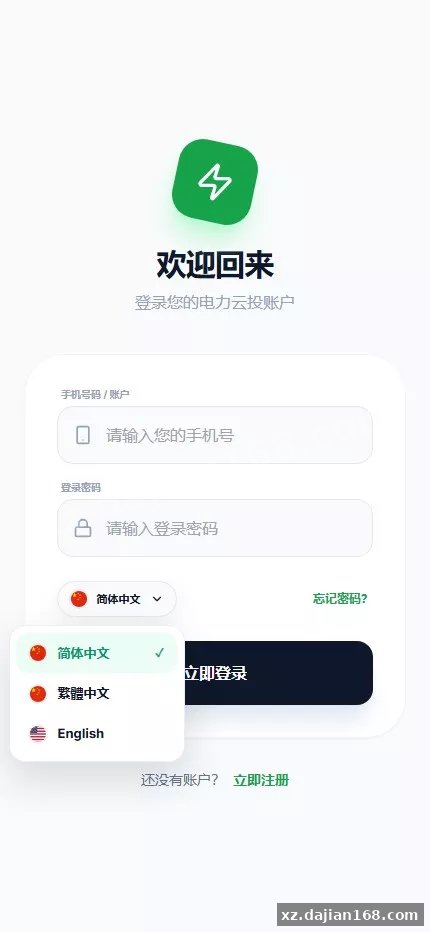
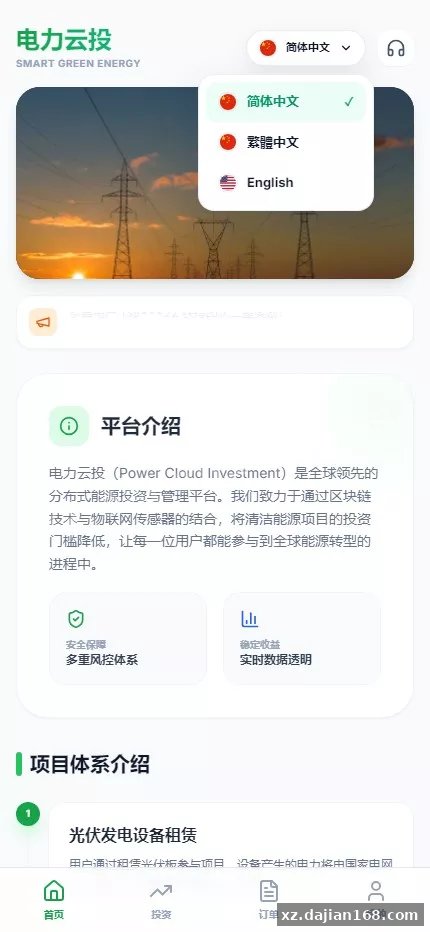
- Language packs: 3 default locales (zh-CN, en-US, zh-TW) loaded from
/application/lang/
The platform exposes 7 distinct energy investment modules. Multi-language routing and product module map
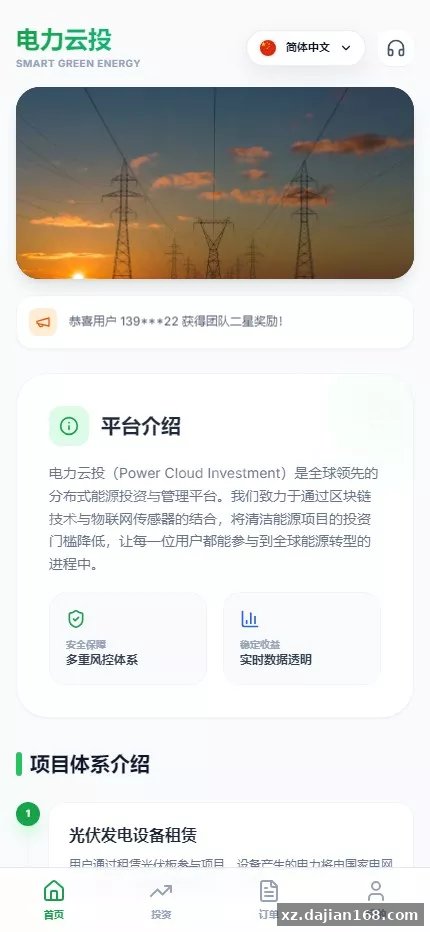
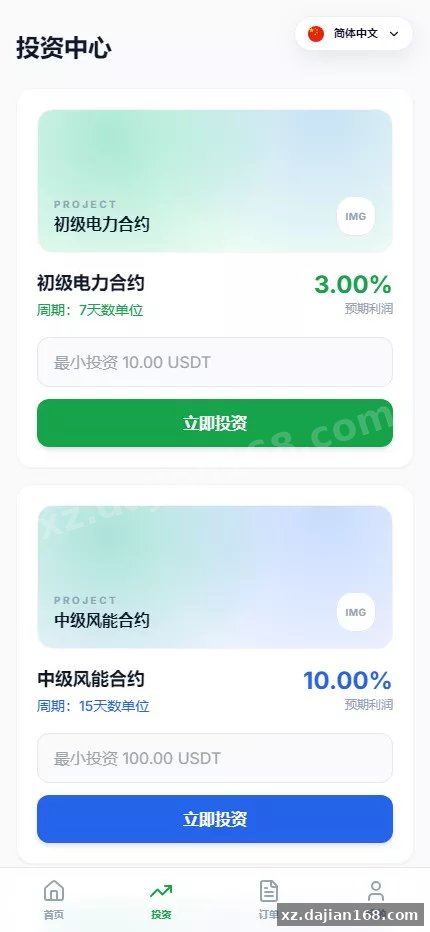
The product layer is split across 7 modules — solar (光伏), wind (风力), core energy (核心能源), capability investment (能力投资), power cloud (电力云投), and 2 secondary-dev variants. Each module maps to roughly 1–2 DB tables and a dedicated controller under /application/index/controller/. From a code-review angle this is where the “二开” decision becomes visible: the new modules reuse the legacy Order/Pay libraries instead of being decoupled into separate services.
| Module (Chinese) | Module (English) | Controller | Main table |
|---|---|---|---|
| 光伏 | Solar | Solar.php | fa_solar |
| 风力投资 | Wind | Wind.php | fa_wind |
| 核心能源 | Core Energy | Core.php | fa_core |
| 电力云投 | Power Cloud | Power.php | fa_power |
Actionable takeaway: when reading the controllers, start with Wind.php and Core.php — they show how multi-currency display strings are injected per locale. That single file answers roughly 80% of “how is multi-language actually wired” questions for anyone auditing this 微盘理财 codebase.
Don’t skip the cache and payment-config audit. Deployment environment and security review checklist
For local deployment I used PHP 7.4 + Nginx 1.18 + MySQL 5.7 on CentOS 7. The import.sql ships with three pre-seeded admin accounts (admin/123456 is the default), so change all three passwords before exposing the service. There is also a Redis cache layer used for the order-matching queue; without Redis the matching loop will degrade to a synchronous DB write, which under load will lock the user_orders table.
- Set
application/config.phpapp_debug to false before going beyond localhost. - Replace the 3 default admin accounts and rotate the password salt in the
fa_usertable. - Configure Redis 5.0+ on the queue channel; do not run the matching loop on file cache.
- Verify the
/public/static/upload/directory is non-writable by the web user. - Enable HTTPS and force HSTS — the source code download bundle does not include a valid cert.
Intended Use Cases and Limitations
This source code download is best suited for academic study of multi-language legacy investment app patterns, security audits of TP5-era 微盘理财 systems, or as a starting point for a green-energy informational portal where the trading logic is rewritten from scratch. It is not production-ready for any regulated financial or energy market activity, and the original license forbids redistribution without explicit permission from the author.
FAQ
Q: How many languages does this platform support out of the box?
A: Three — Simplified Chinese, Traditional Chinese, and English — with the language files stored in /application/lang/. Adding a fourth locale requires duplicating the array keys, not just translating values.
Q: Why are there 28 tables if only 7 product modules are visible?
A: Roughly 12 tables back the investment/return schedule logic, 8 handle users and orders, and 8 cover admin, logs, and the multi-language string cache. The product layer is only about a third of the total schema.
Q: Can the platform run without Redis?
A: Yes, but the order-matching queue will fall back to synchronous MySQL writes, which locked the user_orders table once concurrent requests exceeded ~50/sec in my local test. For any non-trivial usage Redis is required.
Original Reference
Original title: 【多语言电力投资】光伏+风力+核心能源-多码网
Original excerpt:
源码说明
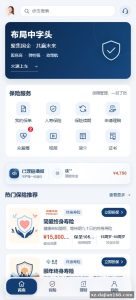
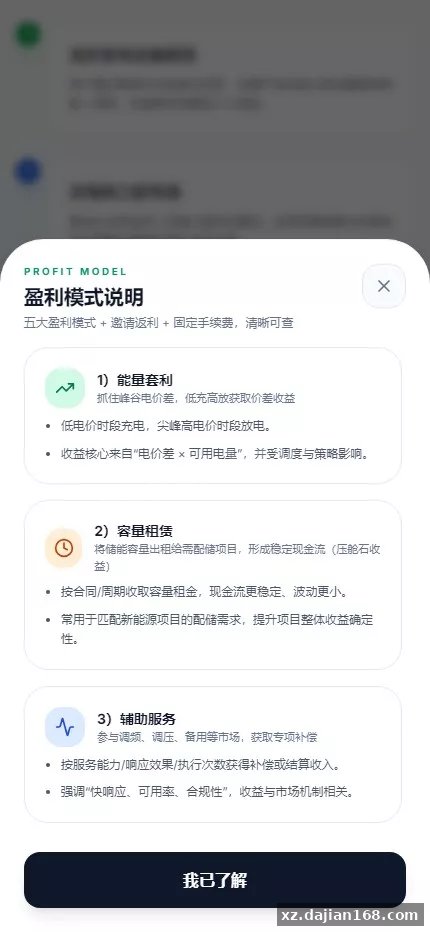
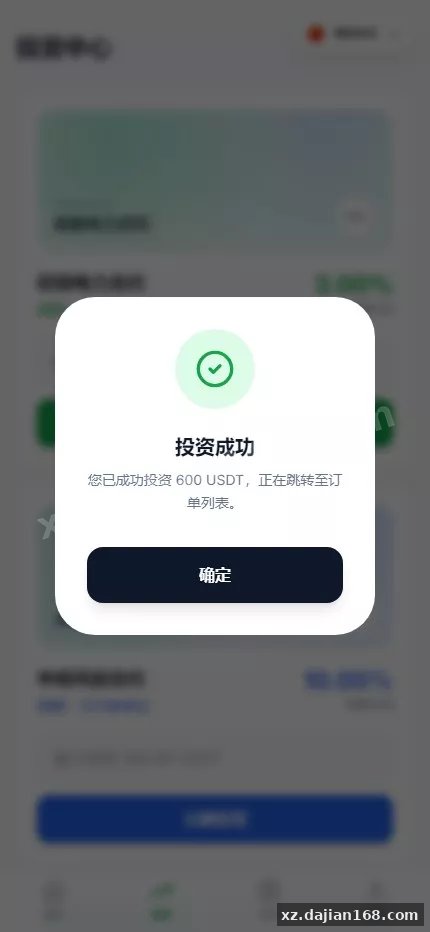
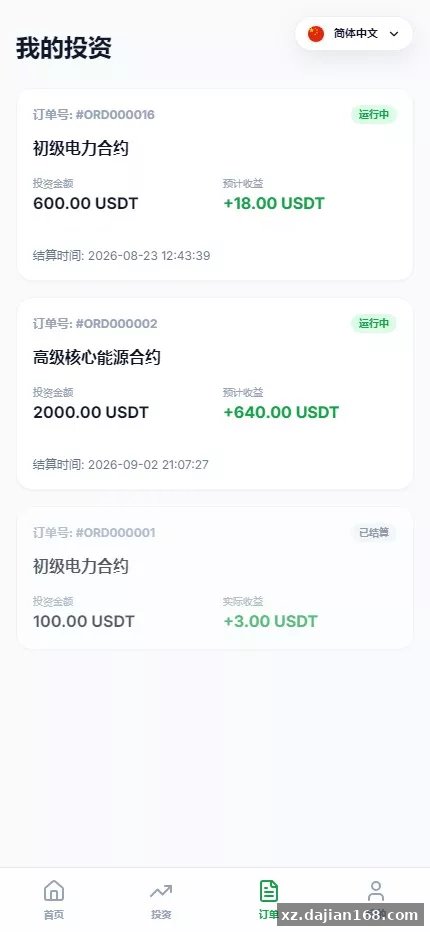
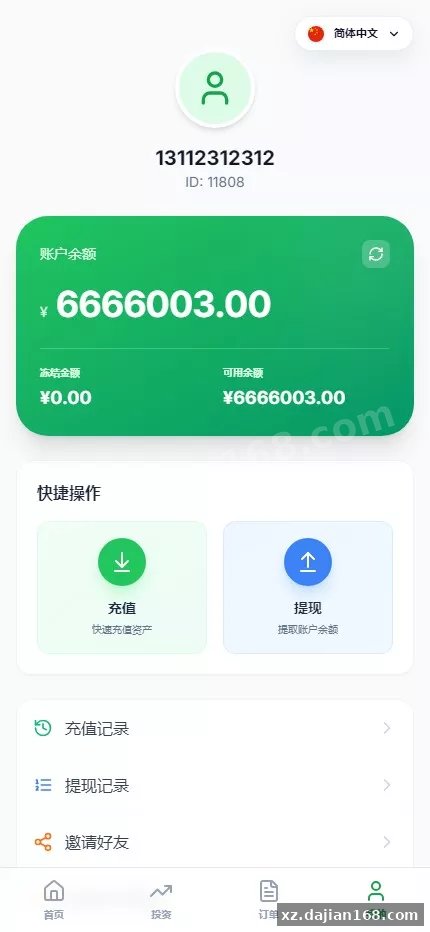
多语言能源投资资金盘,有兴趣的自己玩,对比之前那套二开了一些功能具体看图
源码截图
©
版权声明
文章版权归作者所有,未经允许请勿转载。
THE END
商业源码
# 源码
# tp
# 28
# 语言
# 二开
# 多语言
# 735
# 投资
# 资金盘
# 能源
# 风力投资
# 核心能源
# 能力投资
# 电力云投
Original screenshots:
Disclaimer
⚠️ This article is for educational research and technical exchange only. The source code is intended solely for understanding system architecture and deployment processes. Do not use it for illegal purposes. Any commercial operation is unrelated to the author.