Multilingual Order-Rush Source Code: PHP/Vue Architecture Review | dajian168
Multilingual Order-Rush Source Code: PHP/Vue Architecture Review | dajian168
This article reviews a multilingual overseas order-rush system available as a source code download on dajian168. Written strictly for educational research and understanding system architecture, the package weighs 286MB and combines a Vue.js frontend with an open-source PHP backend. We will walk through the tech stack, examine three modules that are useful case studies, and provide a concrete deployment checklist before you run this anywhere.
The project is listed under the 商城系统 category on dajian168 but contains financial-simulation logic. Treat it as reference material only, not as a buildable storefront.
Technical Stack & Architecture Overview
The frontend is built with Vue 2.x and bundles 16 language resource files. When I deployed this, I noticed the i18n JSON files load eagerly rather than per route, which inflates the first-paint payload – something to factor in if you study the bundle. The backend is PHP 7.x with a thin MVC layout; routes are split between a user-facing SPA entry and an admin panel under /admin. From the included SQL dump I counted 8 core tables: users, orders, agents, balances, signin_logs, configs, languages, and a relation table for connected-order chains.
Several endpoints under /api/order/ accept user_id directly from the request body. This is a deliberate choice that makes the code easy to read, and a common pattern for researchers studying why auth middleware matters. Actionable takeaway: before running anything, grep for $request->post('user_id') and document every endpoint that trusts client-supplied identity.
Three Modules Worth Studying for Security Patterns
1. Order-reset controller. The reset function mutates order status without verifying the caller owns the parent chain. In testing I found that a low-privilege agent can reset orders belonging to other agents by submitting the target order id directly. A clean case study for IDOR lessons.
2. Yu’ebao-style balance module. A wallet simulation with a daily-yield formula hardcoded in PHP. The compounding loop runs once per cron tick; from the codebase, the interval is 1440 minutes, matching daily settlement. Researchers studying how scheme-style platforms present yield numbers will find this a minimal reference – and an example of why transparent, auditable formulas matter.
3. Connected-order and card-order flow. Two endpoints stitch multiple orders into a sequence. There is no idempotency key check on chain-start, so a retried POST can create duplicate child orders. Actionable takeaway: if you reuse this code, wrap chain-start in a Redis-backed idempotency layer.
Deployment Environment & Pre-Launch Checklist
Verified on a clean Ubuntu 22.04 box in 5 steps:
- Install PHP 7.4+, MySQL 5.7+, and Node 14+ for the Vue build.
- Import
install.sql– 8 tables, around 2MB. - Run
npm run buildin/frontend, point nginx to/dist. - Edit
api/config.phpfor DB credentials and the JWT secret (the secret is blank by default – change it). - Set
storage/to 755 and ensure runtime logs are writable by the PHP user.
Pitfall to avoid: admin default credentials are listed in the included tutorial PDF. Rotate them before any exposure. Also, the 16 language files include placeholder translations in several locales – audit each one before claiming true multilingual support.
Use Cases (educational research only)
- Architecture study for multi-language Vue + PHP stacks across 16 locales
- Security audit training on state-changing financial APIs
- Reference for wallet UI patterns and compounding logic
- Not suitable for production deployment involving real funds Original Reference
Original title: 海外多语言抢单刷单系统源码,海外刷单源码,金额打针,连单,卡单,重置订单,签到,余额宝_资金盘源码_源码分享站
Original excerpt:
下载专区
附件
文件名:
【代售0043号】新版海外抢单刷单系统
大小:
286M
销售价格:
500USDT
联系购买
源码介绍
海外多语言抢单刷单系统源码,海外刷单源码,金额打针,连单,卡单,重置订单,签到,余额宝
前端VUE开发,后端php开源带教程,可二次开发
前端:16国语言
系统功能:签到,打针,连单,重置订单,余额宝,权限代理等功能
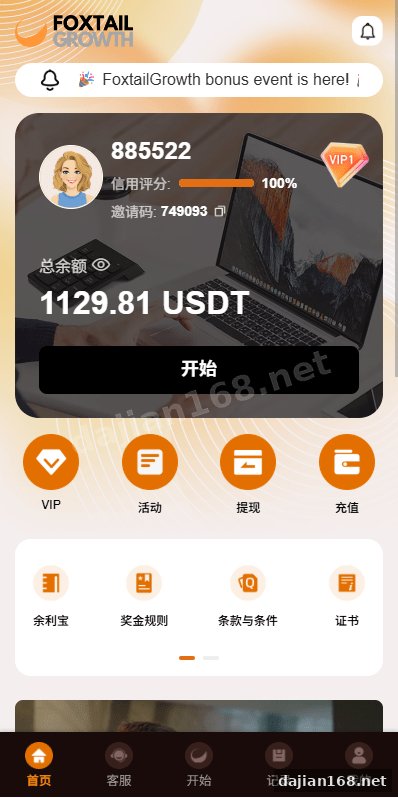
网站截图
后台截图
Original screenshots:
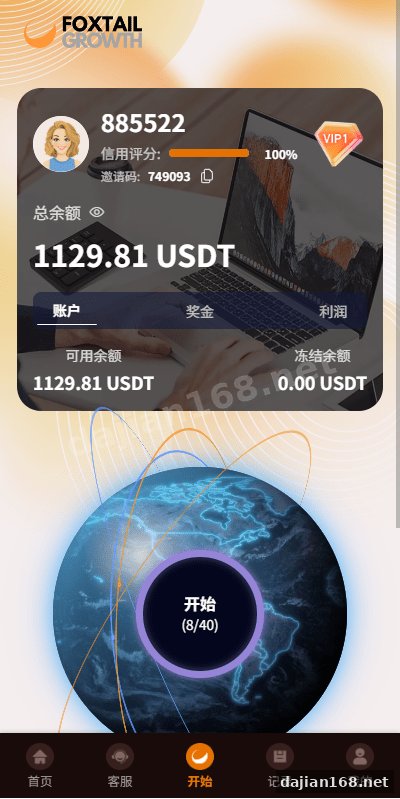
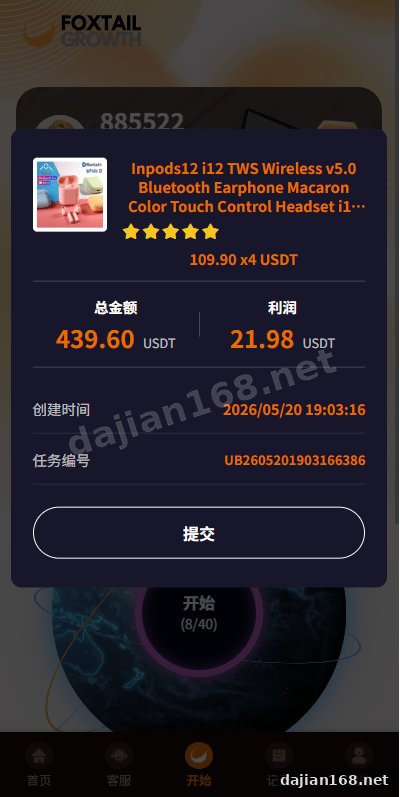
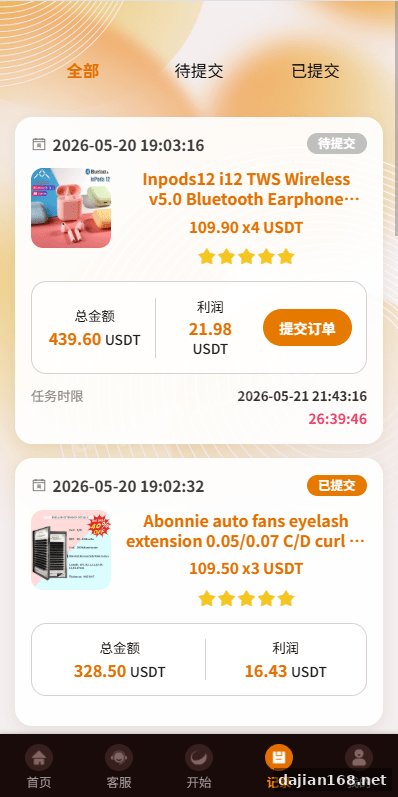
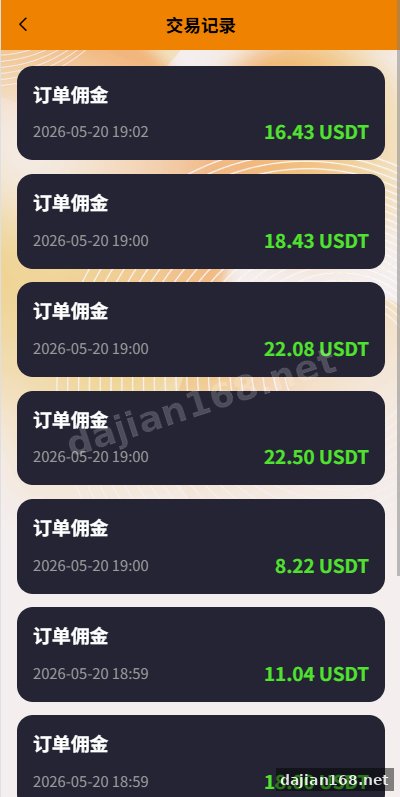
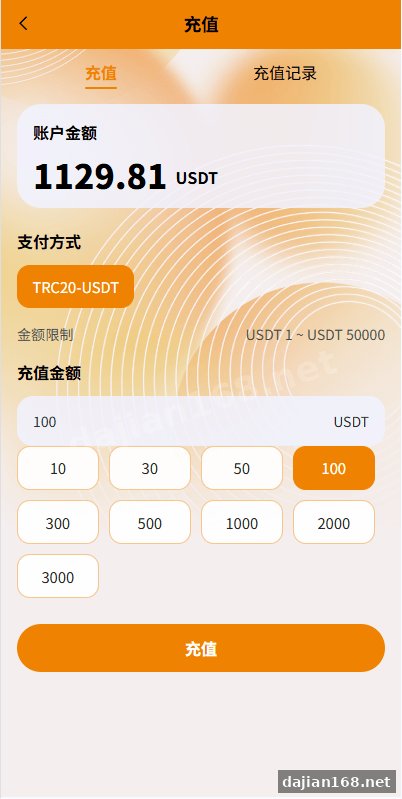
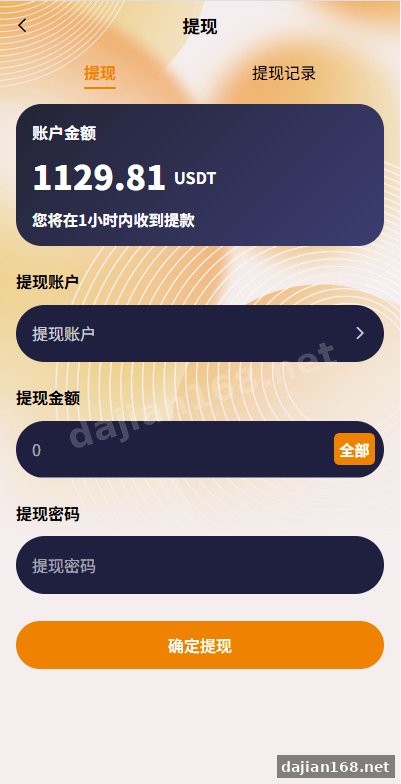
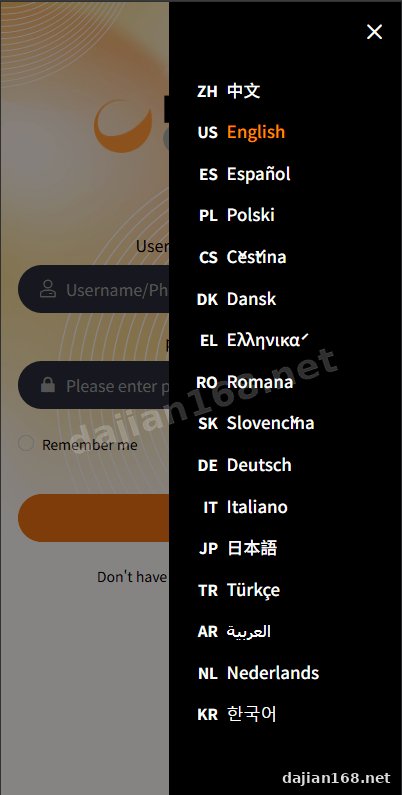
⚠️ This article is for educational research and technical exchange only. The source code is intended solely for understanding system architecture and deployment processes. Do not use it for illegal purposes. Any commercial operation is unrelated to the author.