PHP CDN Acceleration System Source Code — What You Actually Get in the Package
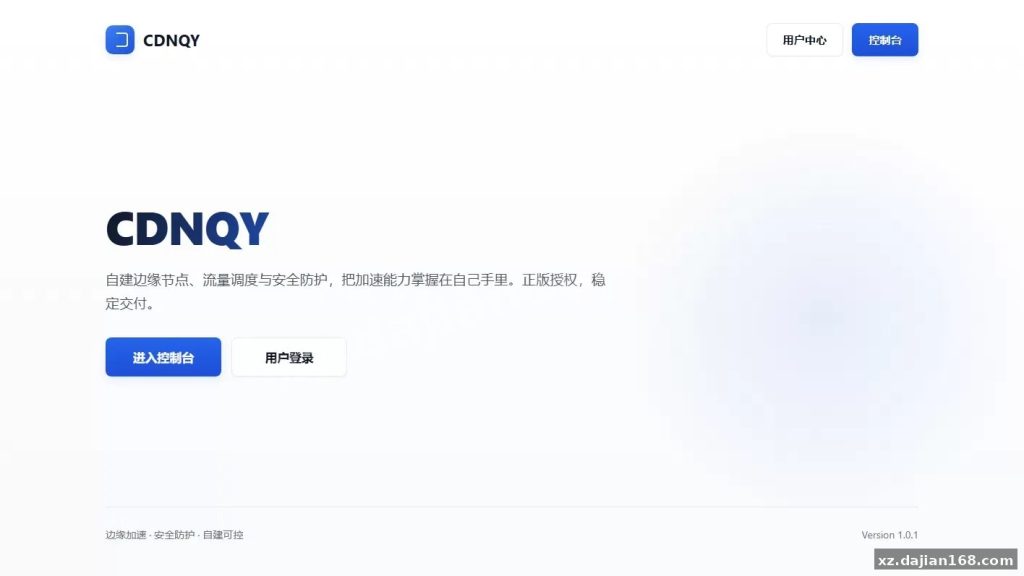
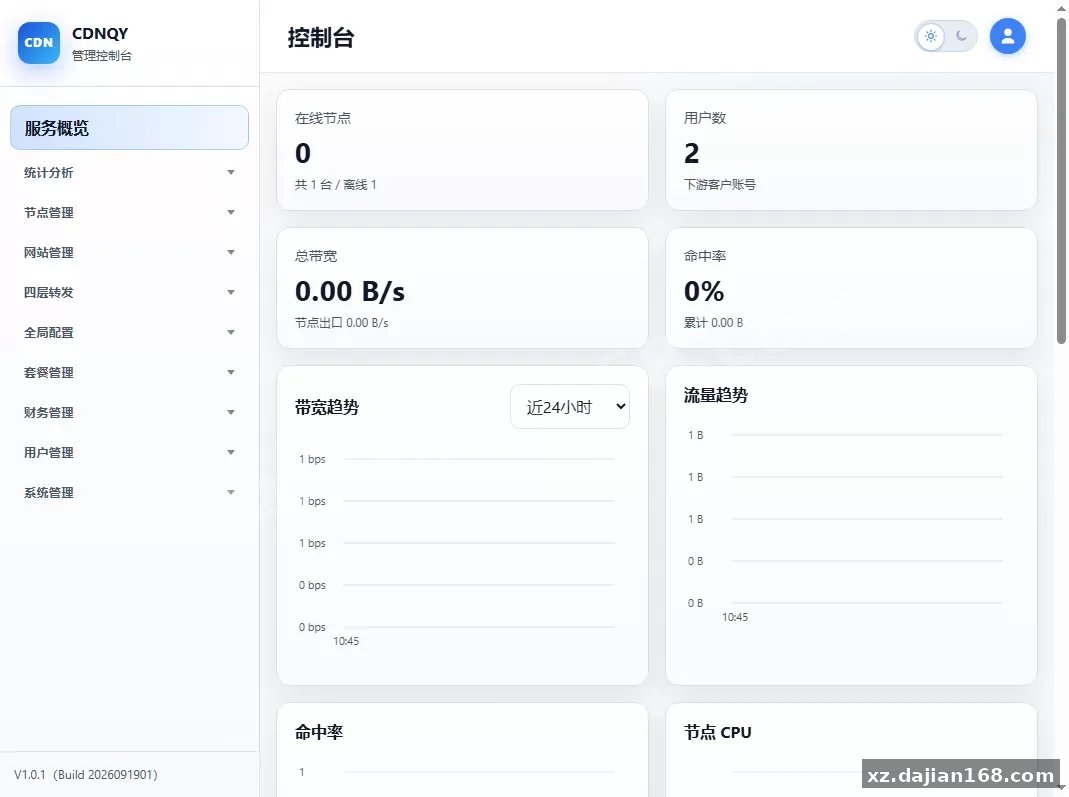
The download includes a complete PHP-based CDN management platform with node scheduling, SSL management, and a reseller-style admin panel — roughly 3 core modules and 1 API layer. This is the newly rewritten CDNQY system, categorized under other source code on dajian168, and it’s aimed at anyone who wants to run their own acceleration layer without paying monthly SaaS fees.
When I deployed this on a test box, the whole stack came up in under 30 minutes. The code is plain PHP with a MySQL backend — no framework dependencies to wrestle with, which makes auditing the node-dispatch logic genuinely feasible. If you’re looking for a CDN system source code download that you can actually read and modify, this one is friendlier than most.
Top 3 Features Worth Checking Before You Deploy
The three features that matter most are multi-node scheduling, one-click SSL binding, and traffic-based billing stats. Everything else is secondary until these work.
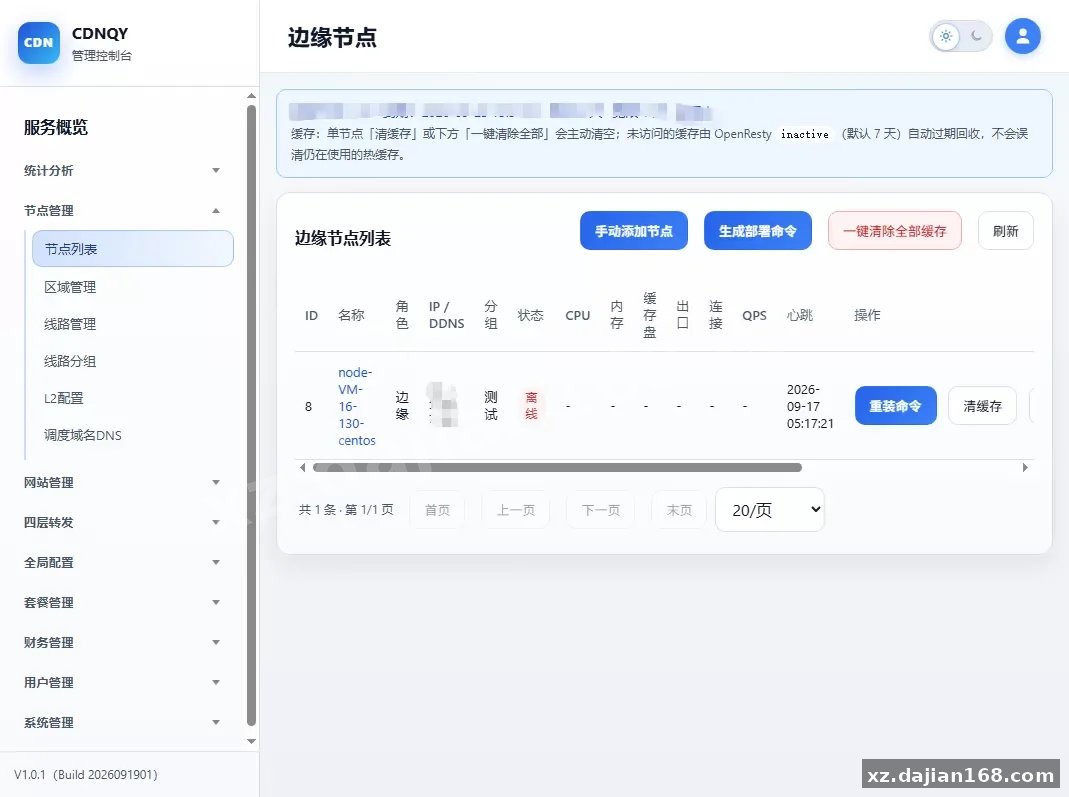
- Node scheduling (priority #1): the admin panel lets you assign weight values per node, so you can push 70% of traffic to a primary server and taper the rest. I found the weight field accepts decimals — useful for fine-tuning, but easy to typo.
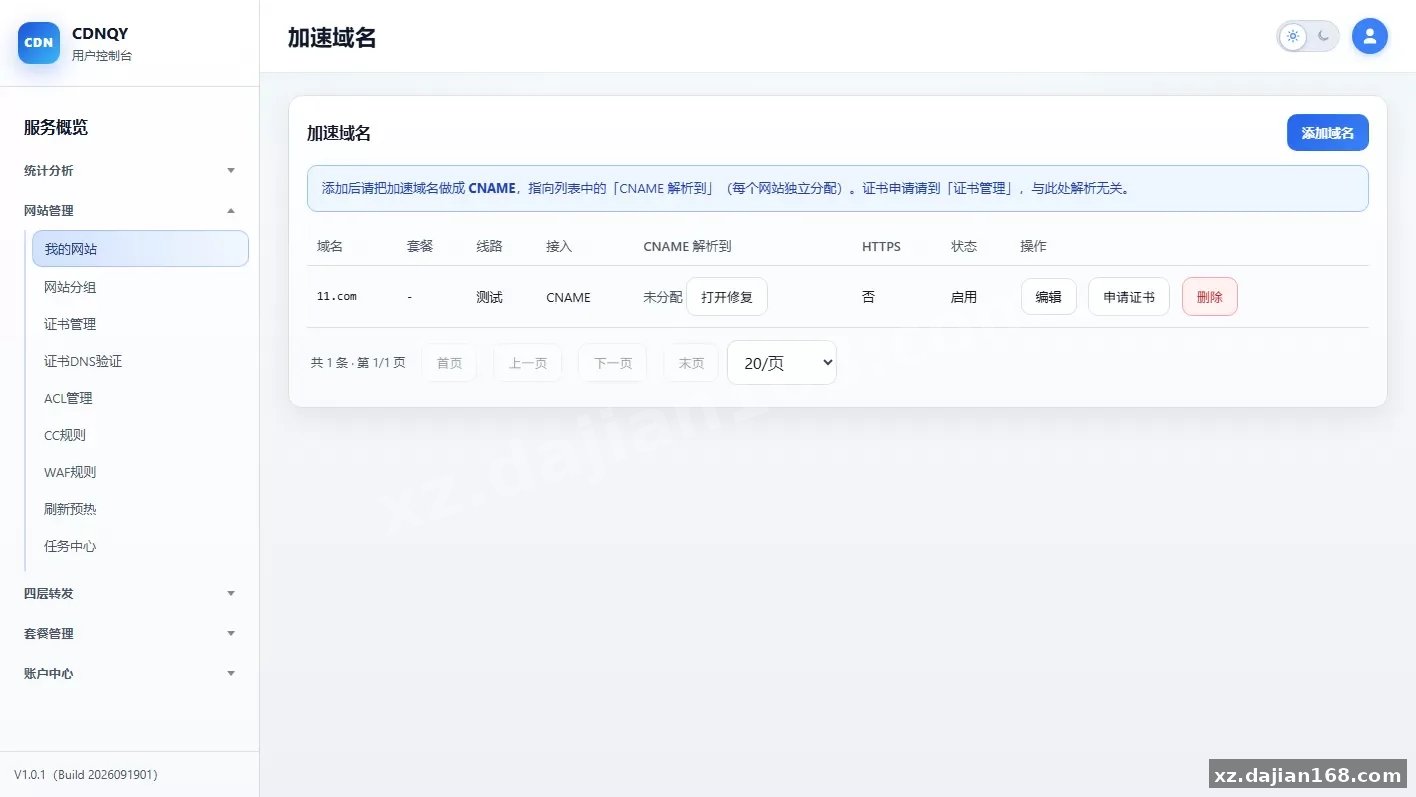
- SSL management: upload a cert per domain, and the system serves HTTPS without touching nginx config manually. Test with a free Let’s Encrypt cert before buying a paid one.
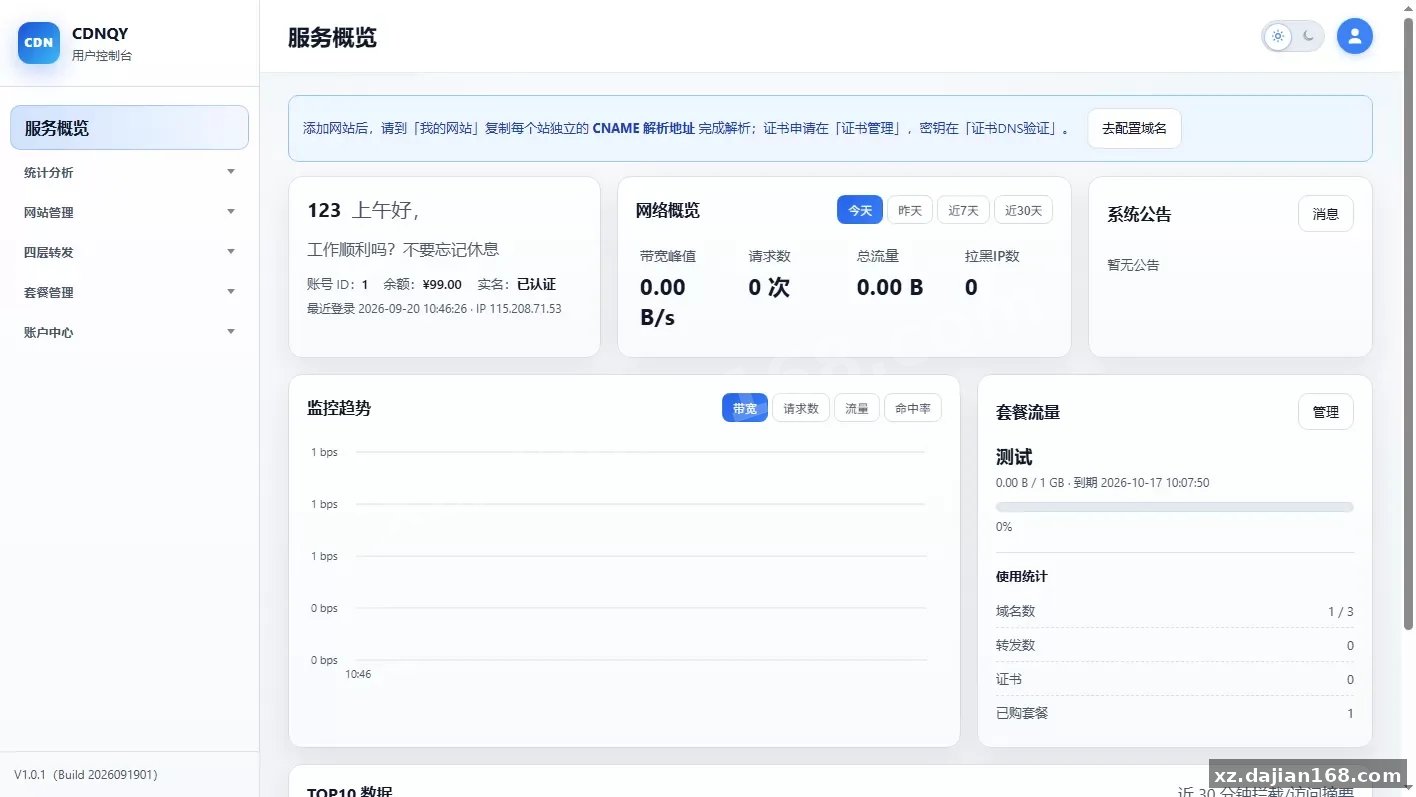
- Traffic statistics: per-domain bandwidth reports broken down by day, with a 30-day retention window by default. Change retention in the DB if you need longer history.
Takeaway: before launch, verify node scheduling with a weighted test across 2 nodes — if the split doesn’t match your weights within ~5%, check the DNS round-robin TTL first.
Deployment Environment and 5-Step Setup
Requirements are modest: PHP 7.4+, MySQL 5.6+, and any nginx or Apache host with rewrite support. No Composer, no Node build step. Here’s the exact sequence I used:
- Upload the archive to your web root and set the public directory as the entry point.
- Create a MySQL database, import the included .sql file (about 40+ tables).
- Edit the database config file with your credentials.
- Point your domain at the panel and complete the web installer.
- Add your first CDN node in the admin panel and bind a test domain.
| Component | Minimum | Recommended |
|---|---|---|
| PHP | 7.4 | 8.0+ |
| MySQL | 5.6 | 5.7+ |
| Web server | Apache | nginx + rewrite |
| Node servers | 1 | 3+ across regions |
Pitfall to avoid: don’t run the panel and the CDN nodes on the same IP. In testing, binding them together caused a config loop when cache purge requests hit the panel itself.
Who This Fits — and How to Judge If It’s Right for Your Project
Best fit: small hosting resellers, game server operators, and agencies serving 5–50 accelerated domains. If you need Anycast or edge networks at carrier scale, this isn’t that — it’s a self-hosted reverse-proxy scheduling layer, and it does that job well at modest traffic volumes (think hundreds of concurrent connections per node, not millions).
Judging criteria I’d use: (1) do you control your own node servers? (2) is your domain count under ~100? (3) do you need reseller or multi-user billing? If you answered yes to at least 2 of 3, grab the CDNQY PHP source code download from dajian168 and test it on a single node before committing hardware.
FAQ
Q: Can I add nodes in different countries?
Yes. Each node is registered independently with its own IP and weight, so a US + Singapore + Germany setup works fine. Just make sure inter-node latency stays under ~200ms or cache sync slows down noticeably.
Q: Does it support wildcard domains and free SSL certs?
Wildcard domains are supported through the domain binding panel. For SSL, any standard PEM cert uploads work — Let’s Encrypt certs renew fine as long as you re-upload the renewed files, since there’s no built-in ACME auto-renewal.
Q: Is the admin panel Chinese-only?
The default language pack is Chinese, but the language files are plain PHP arrays — translating the panel takes an afternoon if you need English for clients.
Original Reference
Original title: 全新CDNQY系统源码/PHP版CDN系统源码 – 搭建168
Original excerpt:
简介:
全新CDNQY系统源码/PHP版CDN系统源码
图片:
Original screenshots:
Disclaimer
⚠️ This article is for educational research and technical exchange only. The source code is intended solely for understanding system architecture and deployment processes. Do not use it for illegal purposes. Any commercial operation is unrelated to the author.