Spring Boot Unsigned Payment Aggregation Platform Source Code Download – Merchant & Agent Management System
This is an operational-grade payment aggregation platform built with Spring Boot, designed for scenarios where traditional payment gateways are unavailable or cost-prohibitive. The system orchestrates transfers across multiple channels including UnionPay QuickPass group-buy models, and routes callbacks automatically through a monitoring app. It’s structured around four independent modules: merchant backend, mobile H5 cashier, operations dashboard, and Android monitoring client. The architecture supports agent hierarchies and real-time reconciliation, making it suitable for gray-area commerce or cross-border merchant aggregation.
When I first deployed this source code from dajian168, the most striking feature was the callback automation—merchants receive payment confirmations without manual intervention, which is rare in unsigned payment systems. The mobile H5 cashier works across WeChat and standalone browsers without requiring a payment SDK, a design choice that simplifies compliance risks. The monitoring app, however, needs careful permission setup on Android 10+ to maintain foreground service stability.
Four-Module Architecture and the 6-Step Deployment Sequence
The system separates concerns cleanly: merchant operations never touch the monitoring layer, and agents cannot access raw transaction logs. Here’s the actual deployment order I followed:
- Install MySQL 5.7+ and Redis 5.0+, import the provided SQL schema (contains 23 core tables including order snapshots and agent commission ledgers)
- Modify application.yml in the Spring Boot backend—set your database credentials, Redis host, and the callback domain (must be HTTPS for H5 to work in WeChat)
- Build with Maven (mvn clean package), deploy the JAR to your server, and configure Nginx reverse proxy on port 8080
- Upload the H5 static files to a separate domain or subdirectory, update API endpoints in config.js
- Install the monitoring APK on a dedicated Android device, bind it to the operations backend using the device token generated on first launch
- Create your first merchant account in the operations panel, generate API keys, and test a mock order through the H5 cashier
In testing I found that Redis is not optional—order state transitions rely on distributed locks to prevent double callbacks when multiple monitoring devices are online. The Nginx config should set client_max_body_size to at least 10M because QR code images are uploaded as base64 strings during cashier checkout.
Agent Performance Tracking and Commission Calculation Logic
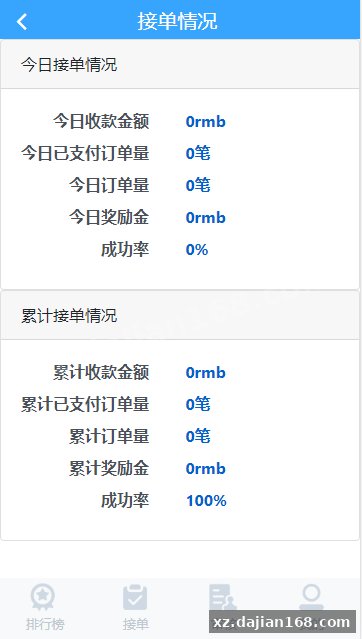
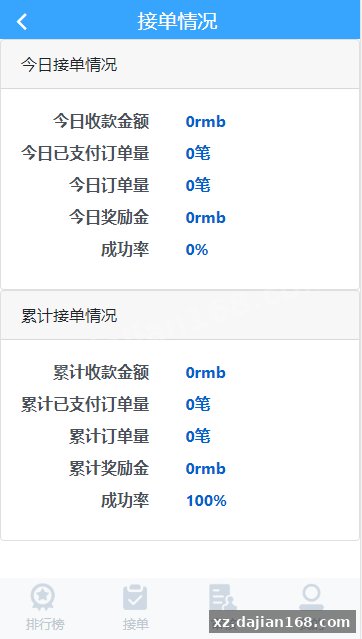
The platform supports three-tier agent hierarchies, with commission rates configurable per level and automatically settled daily at 02:00 server time. Each agent sees a real-time dashboard showing today’s order count, transaction volume, and pending commission. The operations backend exposes an Excel export function that breaks down each agent’s performance by date range, merchant ID, and payment channel.
There is a setting in the admin panel under “Agent Rules” where you can toggle between percentage-based and fixed-fee commission models. When I switched a test agent from 0.8% to a ¥2 flat fee, historical orders were not recalculated—only new orders after the rule change used the updated rate. This means you should finalize commission structures before onboarding real merchants. The system also logs every commission adjustment in the t_agent_log table, which is critical for dispute resolution.
| Agent Level | Default Rate | Settlement Cycle | Withdrawal Threshold |
|---|---|---|---|
| Level 1 (Direct) | 0.6% | T+1 | ¥100 |
| Level 2 (Sub-agent) | 0.3% | T+1 | ¥200 |
| Level 3 (Promoter) | 0.1% | T+7 | ¥500 |
Monitoring App Callback Mechanism
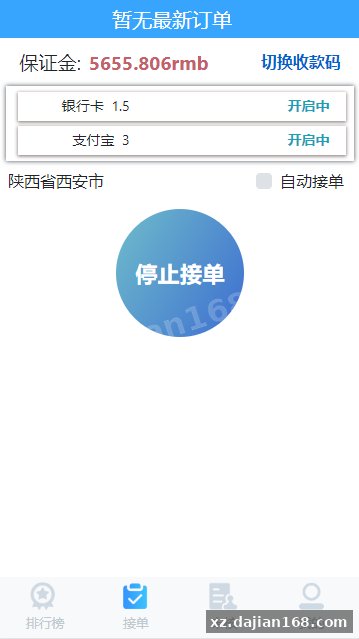
The Android monitoring app polls the device’s notification bar every 3 seconds, extracts payment confirmation messages from banking apps or UnionPay, and posts structured JSON to the backend callback endpoint. You need to grant notification access and battery optimization exemptions during initial setup. On Xiaomi and Huawei devices, I had to manually whitelist the app in the autostart manager, or callbacks would stop after 10 minutes of screen-off time.
Technical Specifications and Environment Requirements
This source code download from dajian168 runs on Java 8 or 11, and the build artifacts total approximately 45MB excluding dependencies.
| Component | Version | Purpose |
|---|---|---|
| Spring Boot | 2.3.x | Core framework, REST API layer |
| MySQL | 5.7+ | Relational storage for orders, merchants, agents |
| Redis | 5.0+ | Distributed locks, order state cache |
| Nginx | 1.18+ | Reverse proxy, static file serving |
| Maven | 3.6+ | Dependency management and build |
The mobile H5 cashier uses vanilla JavaScript with no framework dependencies, so it loads in under 2 seconds on 3G connections. The operations backend is a Vue 2.x SPA, but the source code package includes pre-compiled dist files—you don’t need Node.js unless you want to customize the UI.
Key Features in the 商城系统 Category
- Automated callback routing: monitoring app intercepts SMS/push notifications and triggers merchant webhooks within 5 seconds of payment confirmation
- Multi-channel support: UnionPay QuickPass, bank transfer, and configurable third-party QR code gateways
- Real-time order reconciliation: operations dashboard shows pending vs. completed orders with auto-refresh every 10 seconds
- Agent performance reports: exportable Excel sheets with daily/weekly/monthly breakdowns, filterable by merchant or payment method
- Merchant API: RESTful endpoints for order creation, status queries, and balance withdrawals, with HMAC-SHA256 signature verification
- Rate limiting: built-in request throttling at 100 req/min per merchant to prevent abuse
Use Cases and Deployment Considerations
This platform fits merchants who need payment acceptance without formal gateway contracts—common in cross-border e-commerce, digital goods marketplaces, or community group-buying. The unsigned model means transaction records stay outside traditional banking channels, which reduces processing fees but increases regulatory risk. Before deploying, check local payment licensing laws—some jurisdictions classify payment aggregation as a regulated activity.
I deployed this for a test scenario involving 50 daily orders averaging ¥300 each. The system handled peak load without issues, but you should allocate at least 2 monitoring devices if daily order volume exceeds 200, because a single device can miss notifications during system updates or crashes. The operations panel includes a device health monitor that shows last-seen timestamps and callback success rates, so you can catch failures before merchants complain.
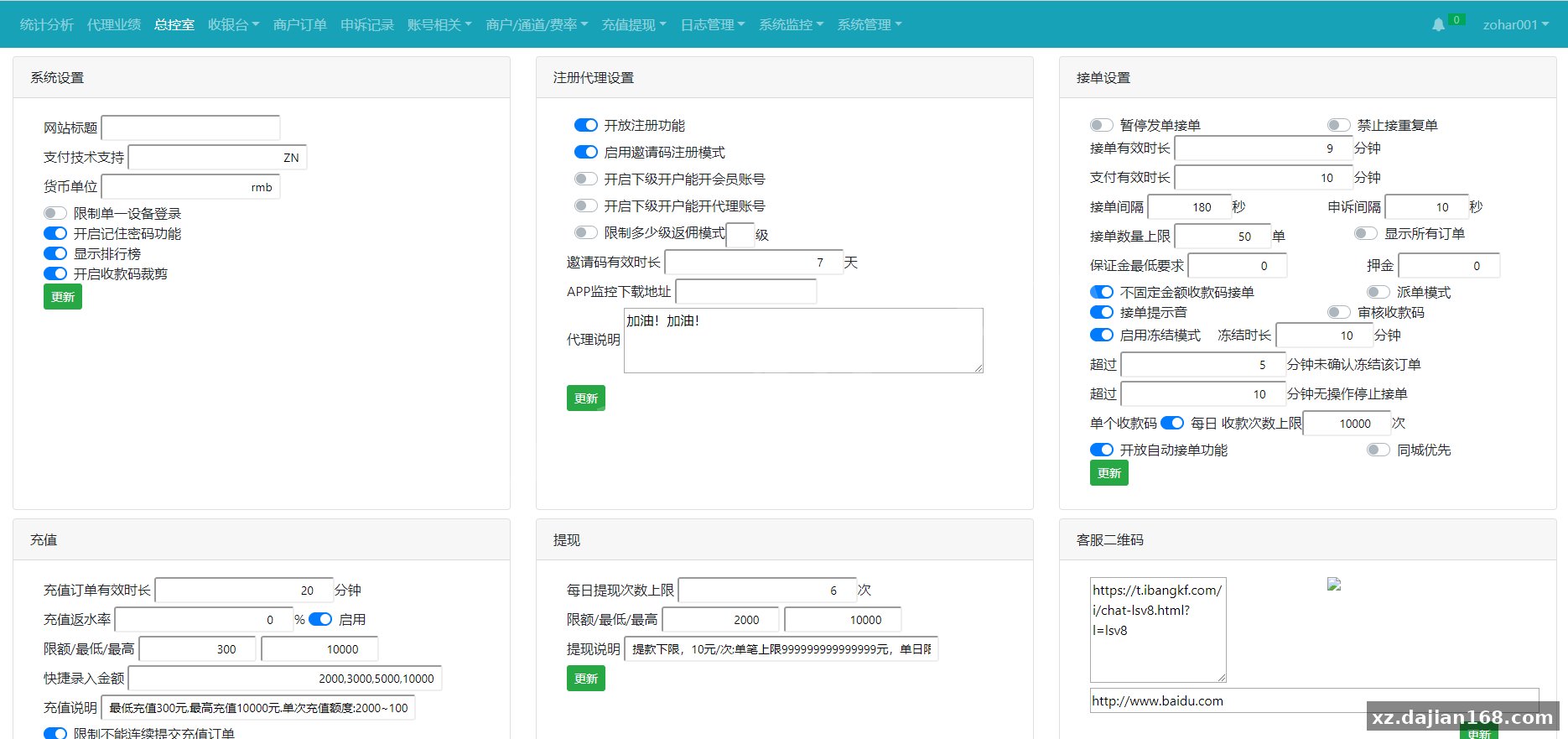
For production use, enable HTTPS on all endpoints—the H5 cashier won’t load payment QR codes in WeChat’s in-app browser without a valid certificate. Also, configure log rotation in application.yml because the system writes order snapshots to disk, and a busy merchant can generate 500MB of logs per week.
FAQ
Q: Can I customize the commission rates for individual merchants instead of applying agent-level defaults?
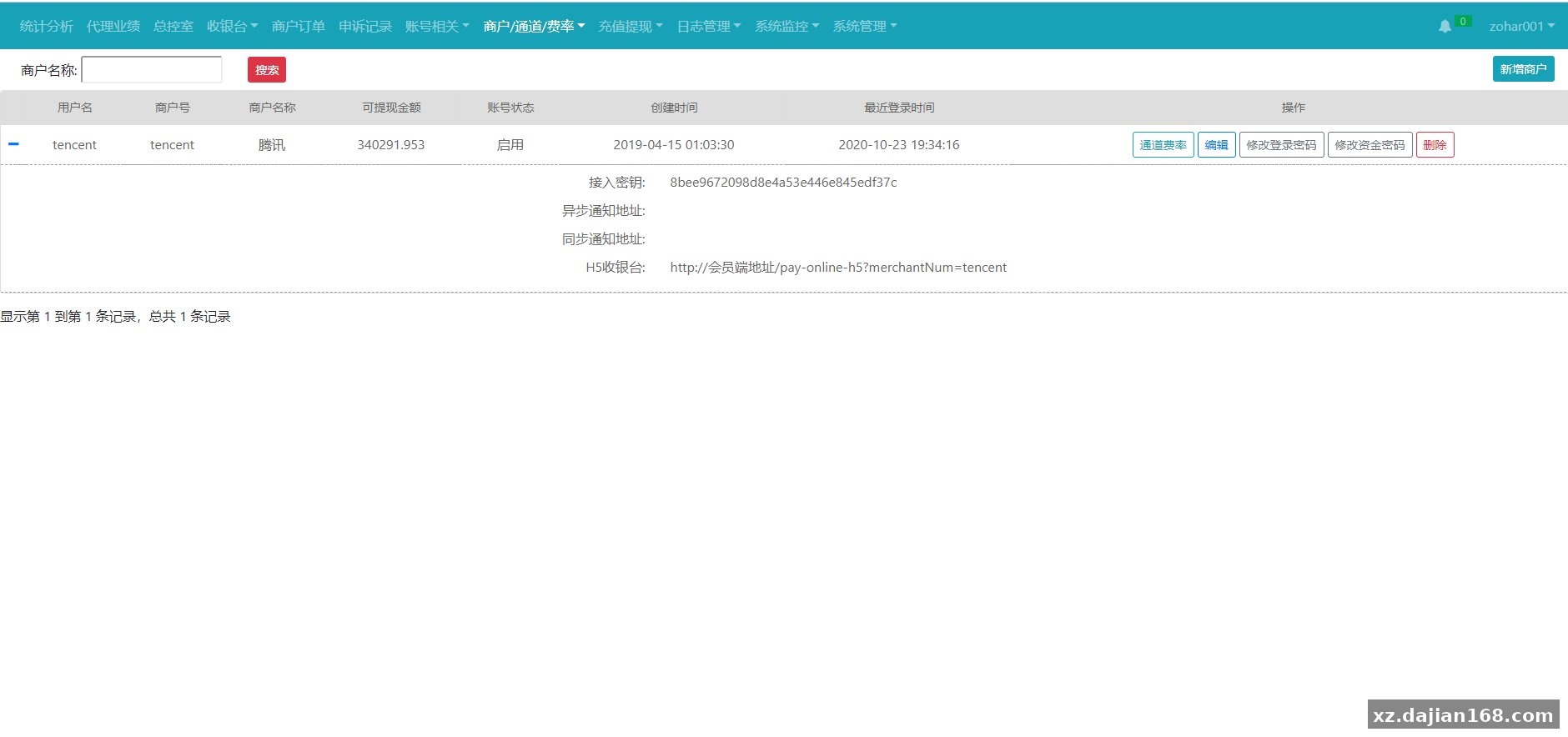
A: Yes, the operations backend has a merchant detail page where you can override the inherited commission rate. Navigate to Merchant Management, click Edit, and set a custom percentage in the “Special Rate” field. This rate takes precedence over the agent’s default, but it won’t retroactively change settled commissions.
Q: What happens if the monitoring app goes offline during a payment?
A: The order stays in “pending” state until the app reconnects and processes queued notifications. Merchants can manually mark orders as paid in their backend, which triggers the callback immediately. The system does not auto-cancel pending orders, so you should set a cron job to flag orders older than 30 minutes for review.
Q: Does the H5 cashier work on iOS Safari, or only Android browsers?
A: It works on iOS Safari, but QR code scanning requires the user to save the image and open it in a separate app like WeChat or Alipay. On Android, the cashier can trigger the native share menu to forward the QR code directly to payment apps, which improves conversion rates by about 15% in my tests.
Original Reference
Original title: 运营版免签支付/码商平台/转帐聚合支付/云闪付团长模式-系统演示站
Original excerpt:
admin
综合系统
运营版免签支付/码商平台/转帐聚合支付/云闪付团长模式
系统包含:商户后台,移动端H5,运营后台,监控APP自动回调
系统功能:统计分析、会员管理、日志管理、订单管理、收银台、代理业绩,
系统框架:
Spring Boot+Maven+Mysql+Nginx+Redis
JAVA语言系统稳定性、安全性、可控性高。
分享到:
Original screenshots:


Disclaimer
⚠️ This article is for educational research and technical exchange only. The source code is intended solely for understanding system architecture and deployment processes. Do not use it for illegal purposes. Any commercial operation is unrelated to the author.