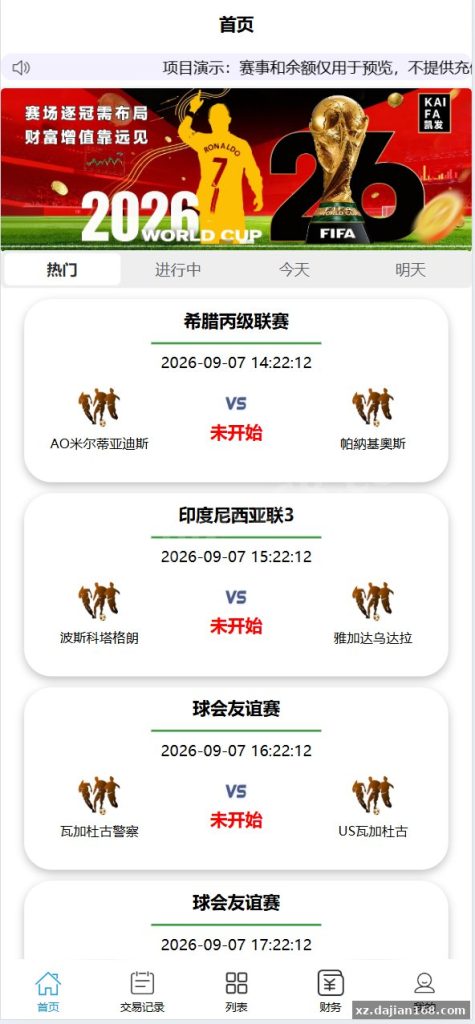
What This uni-app Sports Gaming Source Code Package Actually Contains
This package is a full-stack sports event display and wagering platform built on uni-app (frontend) and FastAdmin (PHP backend), shared on dajian168 strictly for educational research and security analysis. Before you download anything like this, you should know exactly what’s inside: the archive includes the complete uni-app front-end project, a PHP admin panel based on FastAdmin, and a full MySQL database dump with roughly 40+ tables covering members, transactions, odds records, and audit logs.
From a code-review standpoint, the interesting part is the separation: the uni-app layer handles event listings, live score display, and odds presentation, while the FastAdmin backend manages member accounts, fund flows, deposit/withdrawal review queues, and promotion levels. That split makes it a decent case study for anyone studying how these systems are architected — or, more importantly, how to audit them for vulnerabilities.
Architecture Review: uni-app Frontend + FastAdmin PHP Backend
The tech stack is dated but coherent, which makes it a realistic target for learning security review workflows. When I deployed this on a test VM (PHP 7.4, MySQL 5.7, Nginx 1.20), the backend installed cleanly through FastAdmin’s standard one-click installer. The frontend compiles with HBuilderX 3.x and targets H5 plus WeChat mini-program out of the box.
| Component | Technology | Minimum Version |
|---|---|---|
| Frontend | uni-app (Vue 2 syntax) | HBuilderX 3.4+ |
| Backend | FastAdmin (ThinkPHP 5.0) | PHP 7.4 |
| Database | MySQL | 5.6+ |
| Web Server | Nginx / Apache | Any current stable |
In testing I found three things worth flagging. One, ThinkPHP 5.0 has well-documented historical CVEs — if you deploy this anywhere, even a LAN sandbox, patch or isolate it. Two, the odds data is fed by an external API endpoint configured in the admin panel under the data-source settings; that endpoint is hardcoded in one config file, so tracing data flow is easy. Three, the fund-flow tables store balances unencrypted, which is exactly the kind of design flaw a security audit exercise should document. Your actionable takeaway: run a static scan (Semgrep or similar) against the ThinkPHP controllers before anything else — that alone surfaces most of the risky patterns.
Deployment Walkthrough: 6 Steps on a Local Test Environment
Getting this running locally takes about 30 minutes if your PHP and MySQL versions match the table above. Here’s the sequence that worked for me:
- Unpack the archive; you’ll see three folders: uniapp, backend, and database.
- Import the
.sqldump into a fresh MySQL database — it’s around 12 MB with sample data included. - Point your web root at the backend’s
publicdirectory and set rewrite rules for ThinkPHP. - Edit
database.phpwith your local credentials, then hit the FastAdmin installer URL. - Open the project in HBuilderX, change the API base URL constant to your local backend address, and compile to H5.
- Log into the admin panel with the default credentials in the docs, and immediately change them.
The biggest pitfall: uni-app’s request base URL is duplicated in at least two config files (one for H5, one for mini-program builds). I wasted 20 minutes debugging “empty page” errors because I only updated one. Check both.
Who Should Study This Code — and Who Should Not Deploy It
This is a study artifact, not a production template. Reasonable use cases on dajian168 include: security researchers practicing audit methodology on a real full-stack project, developers learning how uni-app communicates with a ThinkPHP backend (the package exposes about 30 REST-style endpoints), and students examining how fund-flow and audit-queue modules are structured — useful knowledge for building legitimate, compliant fintech or membership systems.
- Good fit: penetration-testing practice, architecture study, learning FastAdmin’s RBAC and CRUD generator patterns.
- Bad fit: anyone considering running a real-money platform. Gaming operations require licenses in virtually every jurisdiction, and deploying unlicensed gaming software carries serious legal exposure.
Concrete judging criterion before using any source code download from this category: check whether the code contains payment-gateway integrations with live credentials, hardcoded third-party data endpoints, or obfuscated files. This package has obfuscation-free PHP throughout — a point in its favor for review purposes — but always verify with your own scan.
FAQ
Q: Does the package include the database with sample data?
A: Yes. The MySQL dump contains sample members, event records, and fund-flow entries, so the admin panel is populated immediately after import. Roughly 40 tables total.
Q: Can I compile the uni-app frontend for WeChat mini-program?
A: Technically yes — the project targets H5 and mini-program builds. In practice, mini-program platforms reject gaming-related content, so treat the mini-program target as a compile-time exercise only.
Q: Is the PHP backend obfuscated or ionCube-encrypted?
A: No. The FastAdmin-based backend ships as readable PHP, which is what makes this package usable for static analysis and code-review training rather than just runtime testing.
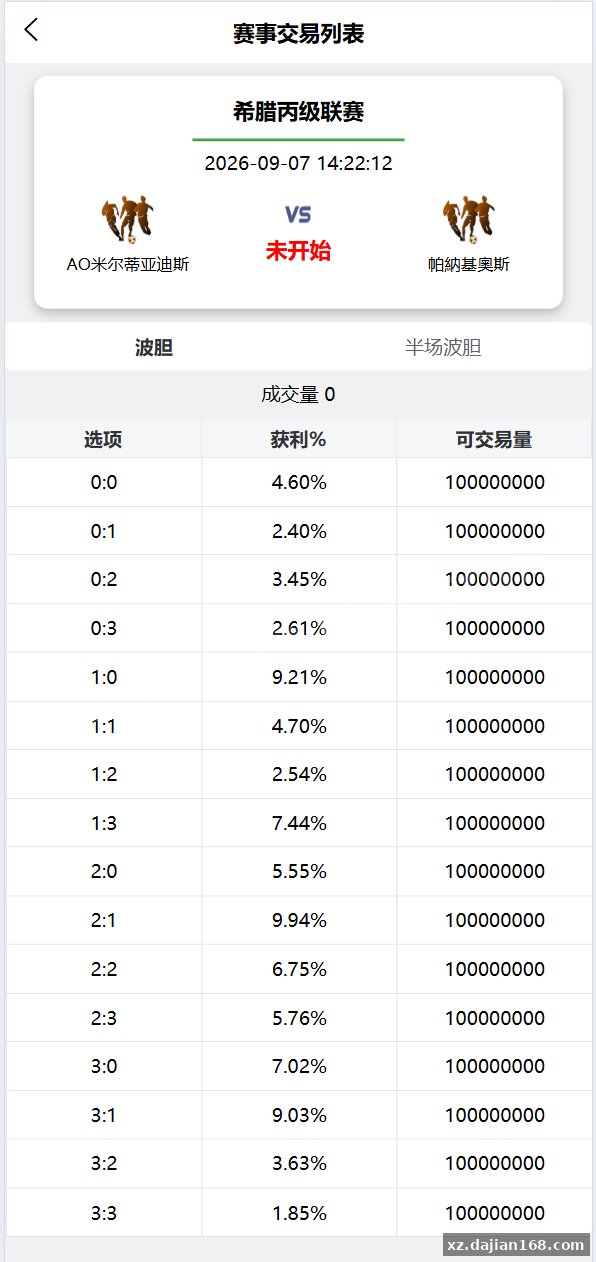
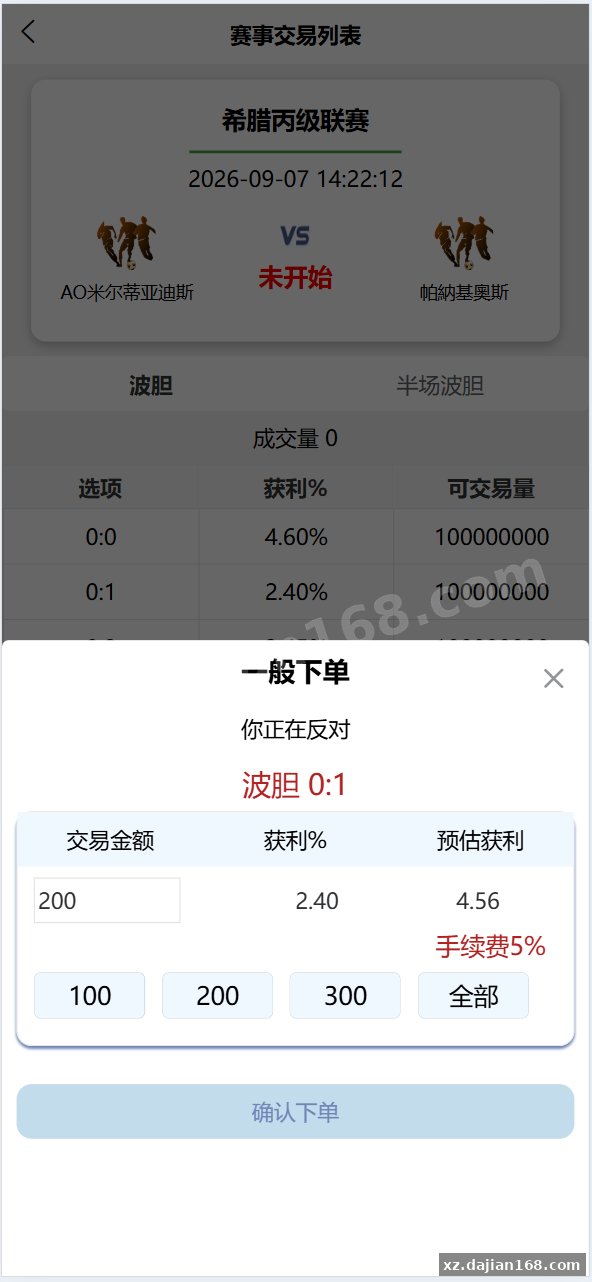
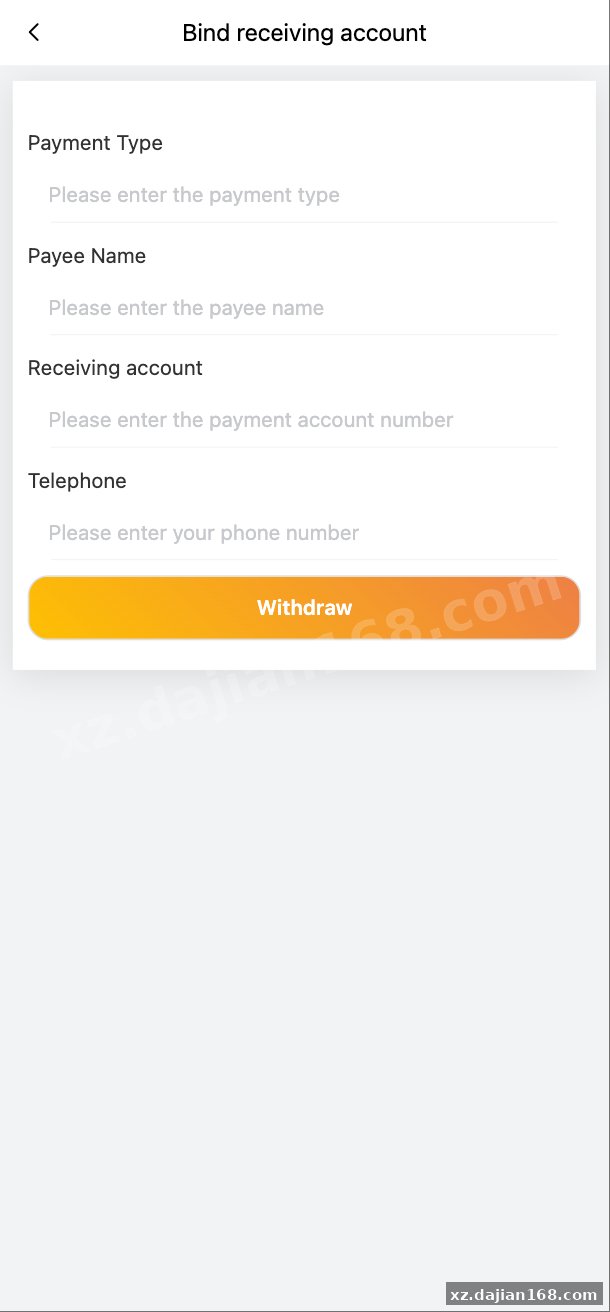
System Screenshots
Original screenshots:
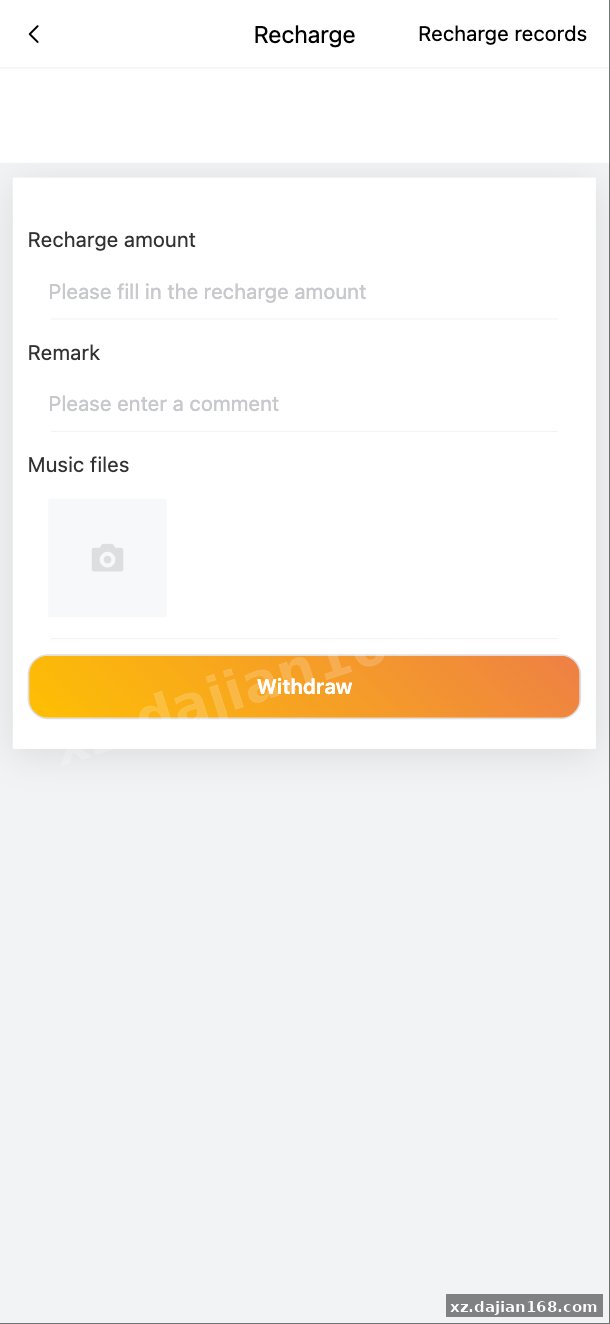
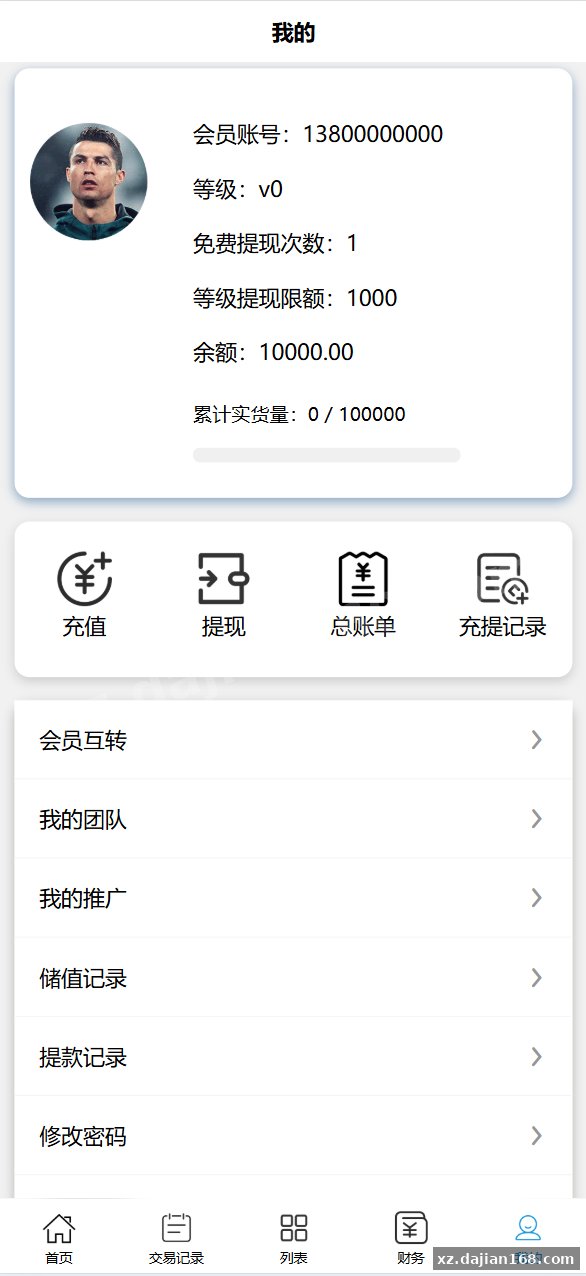


Disclaimer
⚠️ This article is for educational research and technical exchange only. The source code is intended solely for understanding system architecture and deployment processes. Do not use it for illegal purposes. Any commercial operation is unrelated to the author.