Multi-Language Cryptocurrency Trading System: Second Contracts + Pseudo Exchange + Time-Based Settlement – Complete Setup Guide
I recently built a multi-language micro-trading system for a client, supporting three trading modes: second contracts, pseudo-exchange, and time-based settlement. The client was very satisfied with the result. Today I’m going to walk you through the entire setup process and core features of this system.
Honestly, I hadn’t worked on a multi-language + multi-mode setup like this before, and I ran into quite a few issues during the process. Today I’m documenting all my hands-on experience for my own reference and to help others who might have similar needs.
1. Core System Features
This system is essentially a multi-language micro-trading platform with automatic frontend language detection, running three trading modes simultaneously:
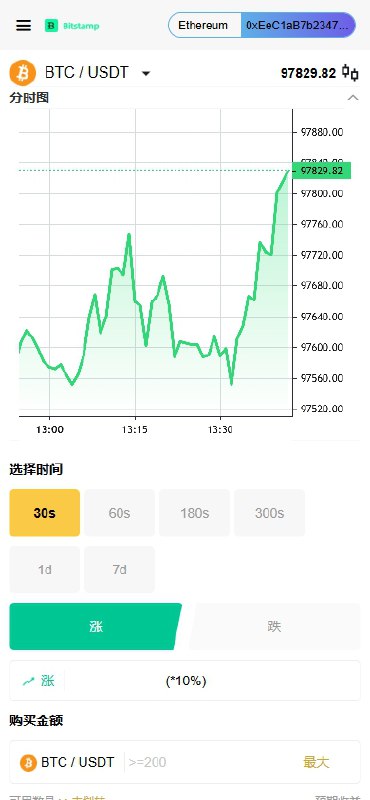
1. Second Contracts Trading
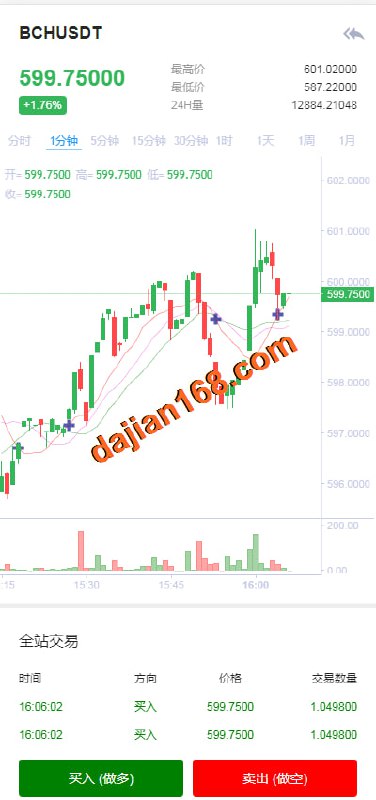
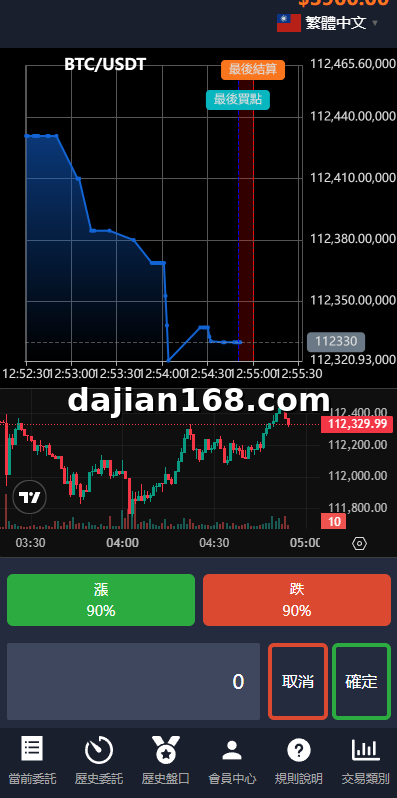
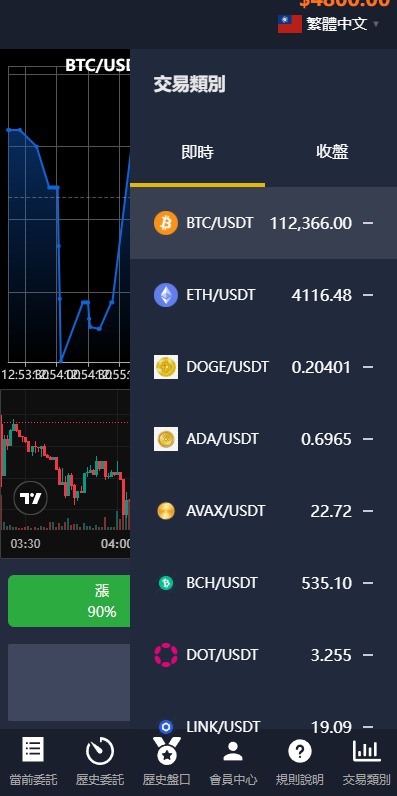
The most core mode. Users select a trading asset (forex, cryptocurrency, commodities, etc.), set entry amount and take-profit/stop-loss levels. The backend generates K-line data in real-time. 30s/60s/120s auto-settlement upon expiration – win and you get paid instantly, lose and you lose your stake.
2. Pseudo-Exchange Mode
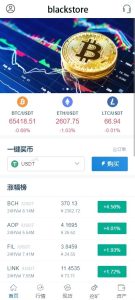
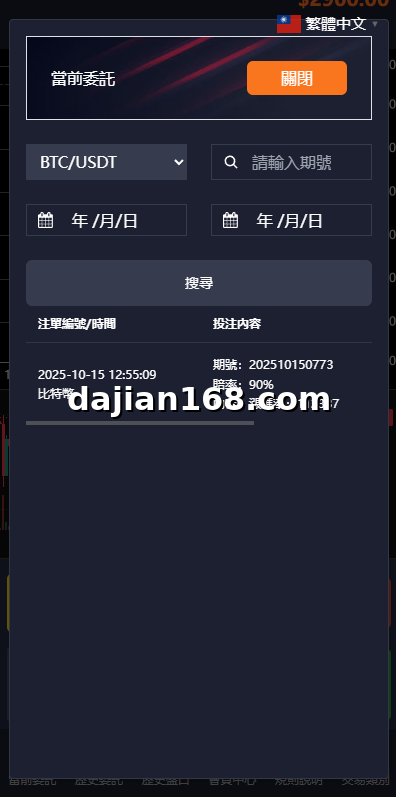
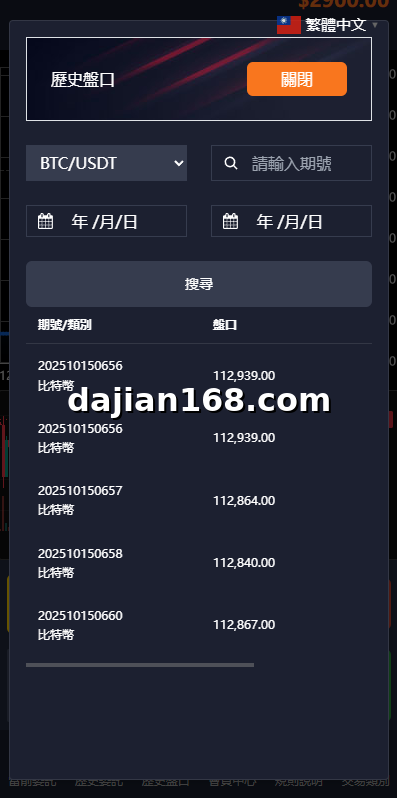
Simulates a real exchange experience. Users can deposit, buy, view positions, and access K-line analysis. Deposits are typically handled by contacting customer support who manually credits the account balance. After buying, users can see corresponding order records in their positions.
3. Time-Based Micro Trading
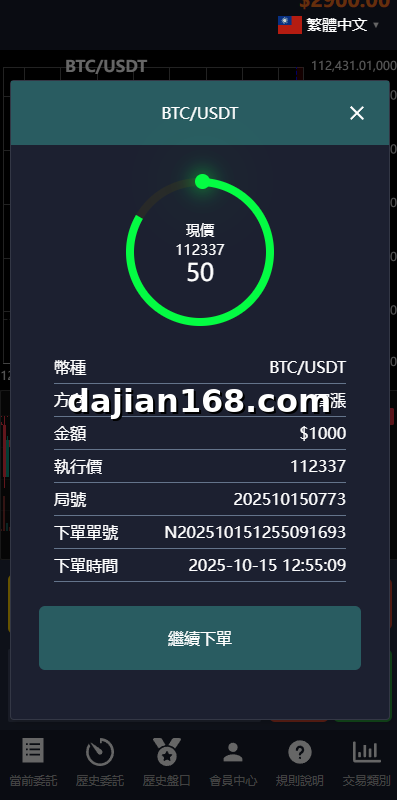
A micro trading mode with fixed settlement times. For example, settlement at 10:00, 14:00, and 16:00 daily. Users place orders in advance and the system auto-settles at the designated time. Great for entertainment-style betting systems.
2. Pre-Setup Preparation
1. Server Environment
The client’s server is 8-core 16GB with sufficient bandwidth. Running Nginx + MySQL + PHP 8.0, with two sites – one main site and one admin panel.
2. Domain and SSL
Client already had an overseas domain with SSL certificate configured. Multi-language versions are distinguished by URL prefixes: /zh/ for Chinese, /en/ for English, /ko/ for Korean, /jp/ for Japanese.
3. Payment Integration
This was a major pain point. Initially the client wanted to use a third-party payment processor, but it had too many restrictions for overseas users. We switched to USDT-TRC20 collections – simple and stable. My recommendation: if you’re targeting overseas markets, just go with USDT directly.
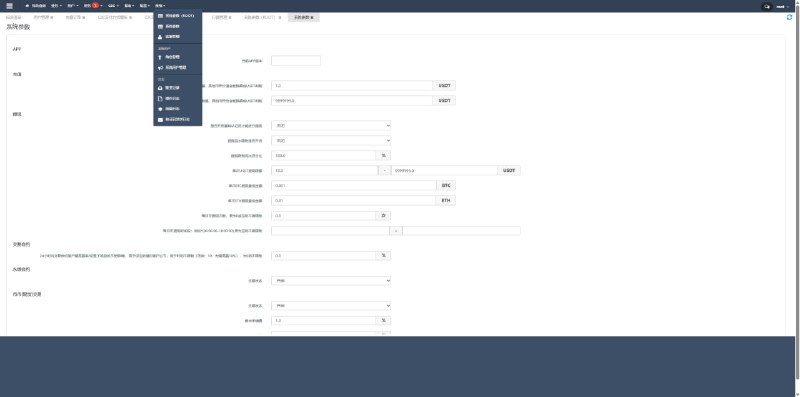
3. Admin Panel Features
The admin panel is the core of this system. Here are the most important modules:
1. Asset Management
Add, edit, and delete trading assets. Each asset can independently configure: settlement time, odds, and status (enabled/disabled).
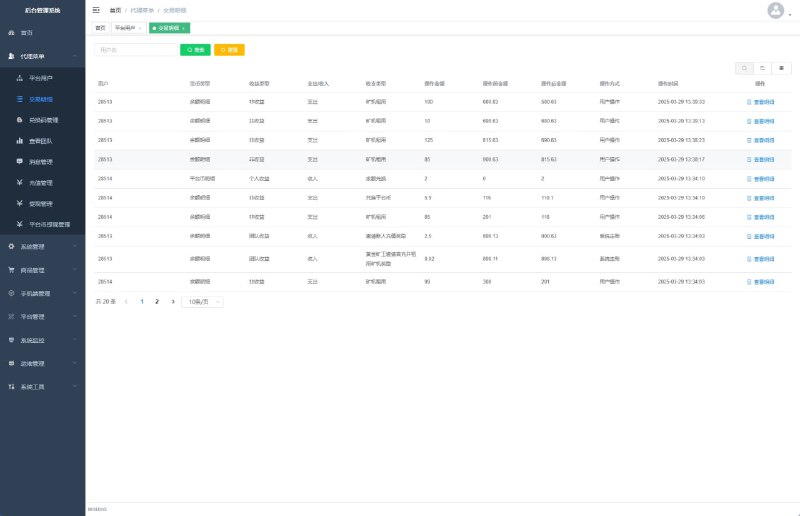
2. Order Management
All user order records are visible in the backend, including: username, asset, stake amount, direction (rise/fall), entry time, settlement time, and P&L.
3. Member Management
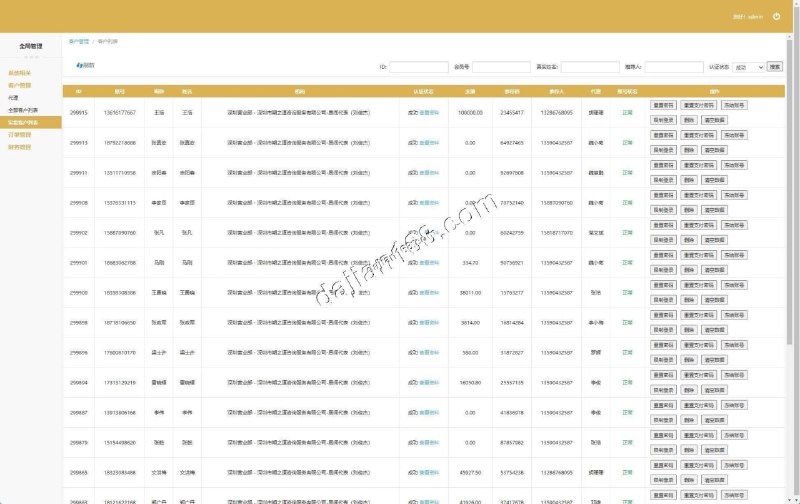
View member list, balance, deposit records, and withdrawal records. Each member has an individual account page where support staff can directly add or deduct balance.
4. Financial Reports
Real-time display of today’s deposits, withdrawals, and net profit. This is the first thing the client checks every morning.
4. Common Issues and Troubleshooting
Q1: Where does the K-line data for second contracts come from?
Initially I used a real market data API, but the latency was too high and user experience suffered. We switched to backend-generated K-lines with customizable volatility and frequency – completely under our control.
Q2: How is multi-language switching implemented?
The frontend uses an i18n framework with translation files in the /locales/ directory. The Chinese translation was done by me, and the English was done by the client’s local contacts. Note that some professional terminology is expressed differently across languages – better to have someone who actually understands the industry do the translation, not just machine translate.
Q3: How to prevent user cheating?
The backend has IP restrictions, same-device multi-account detection, and abnormal order alerts. If the system detects rapid repeated small bets from one account, it automatically flags the account for manual review.
Q4: What if deposit doesn’t arrive?
USDT deposits require on-chain confirmation, usually taking 5-10 minutes. The backend has a manual order completion feature – support can verify the TXID on the blockchain explorer and manually credit the user’s account.
5. Customization Options
If you’re looking to build a similar system, here are my recommendations:
Option A – Quick Launch: Directly deploy with this source code – template is ready, bilingual Chinese and English, ready to use out of the box. Ideal for clients who want to get up and running quickly.
Option B – Deep Customization: Add custom pages, unique UI style, and custom trading assets on the frontend. Requires 2-3 weeks of development.
Option C – Independent Development: Build from scratch using Vue/React for frontend, Django/Node.js for backend, fully independent deployment. Suitable for clients with their own tech team.
Building this type of system, technology is just the foundation – compliance and risk control are even more important. Before officially launching, consult with a local legal advisor to ensure the business model is legal and compliant.
FAQ
Q: Does this system support mobile?
A: Yes, fully responsive – works great on both PC and mobile phones. Tested smoothly on iPhone and Android devices.
Q: MySQL or MongoDB for data storage?
A: Primary data uses MySQL, K-line historical data uses TimescaleDB, ideal for high-frequency writes and time-series queries.
Q: How is maintenance billed?
A: Basic maintenance (bug fixes, patch updates) is a monthly flat fee. Significant revisions or new feature development are billed separately.
Q: Can this system be adapted for other industries?
A: Absolutely. This system’s framework is very flexible – it can easily be adapted into live Q&A platforms, lottery systems, or voting systems. The core logic is: user places order → timed settlement → prize distribution. Change it up and it transforms into something completely different.
#MultiLanguageTradingSystem #SecondContractsTrading #PseudoExchangeSetup #OverseasPlatform
-
 Alipay QR Code Scan
-
 WeChat Scan Pay