Overseas APP Order Brushing System Setup Guide: UniApp Frontend Rebuild with Chain-Order and Card-Order Fully Open Source Deployment
Overseas APP Order Brushing System Setup Guide: UniApp Frontend Rebuild with Chain-Order and Card-Order Fully Open Source Deployment
Last month I took on a customization project for an overseas APP order brushing system. The client required the frontend to support multi-language expansion later. The backend needed flexible configuration for chain-order and card-order rules. All source code had to be fully open for secondary development. After receiving the base code, I found the frontend was built with uniapp. The backend was fully open source PHP. The UI layer had been rebuilt. The entire deployment process was smoother than expected but there were a few configuration points that are easy to overlook. This article covers the deployment workflow, functional structure and troubleshooting experience in one place.
1. System Feature Overview
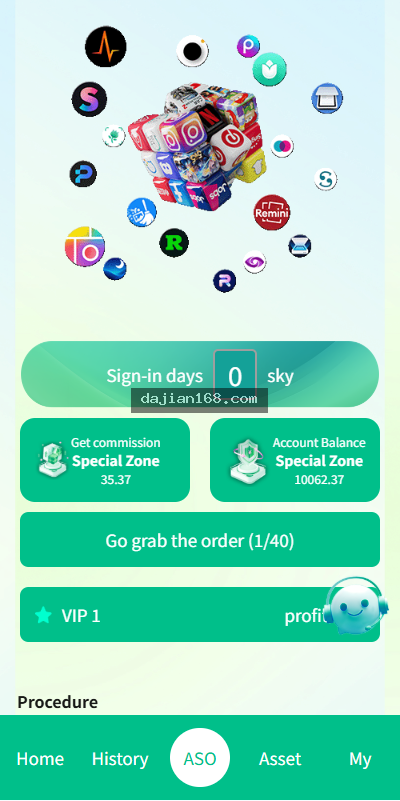
This overseas APP order brushing system operates as a task matching platform. Users receive tasks, complete brushing actions and earn commissions. The core functional modules are as follows:
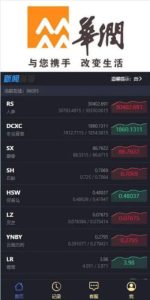
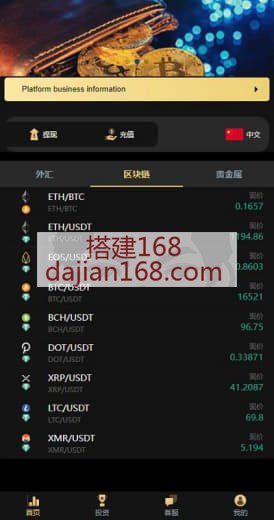
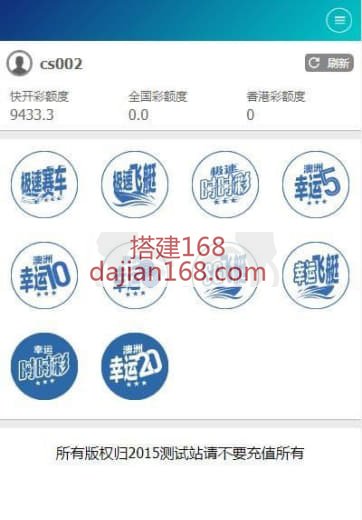
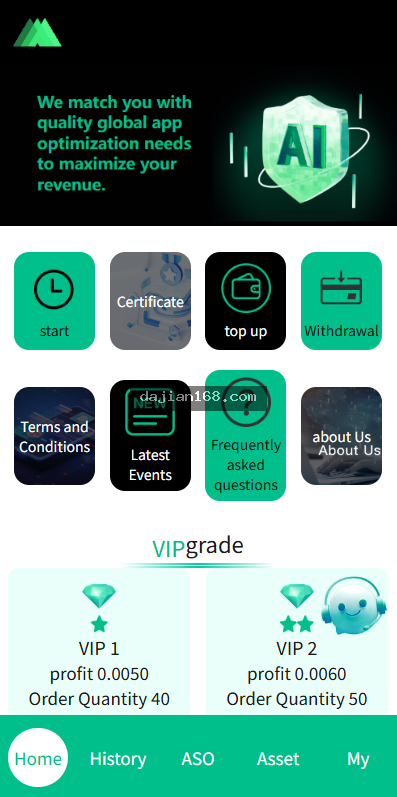
- Frontend User Interface: Built with uniapp featuring a rebuilt UI with clean design. Currently includes a language pack structure that supports adding additional languages. Task list, personal center and commission withdrawal have three clear entry points.
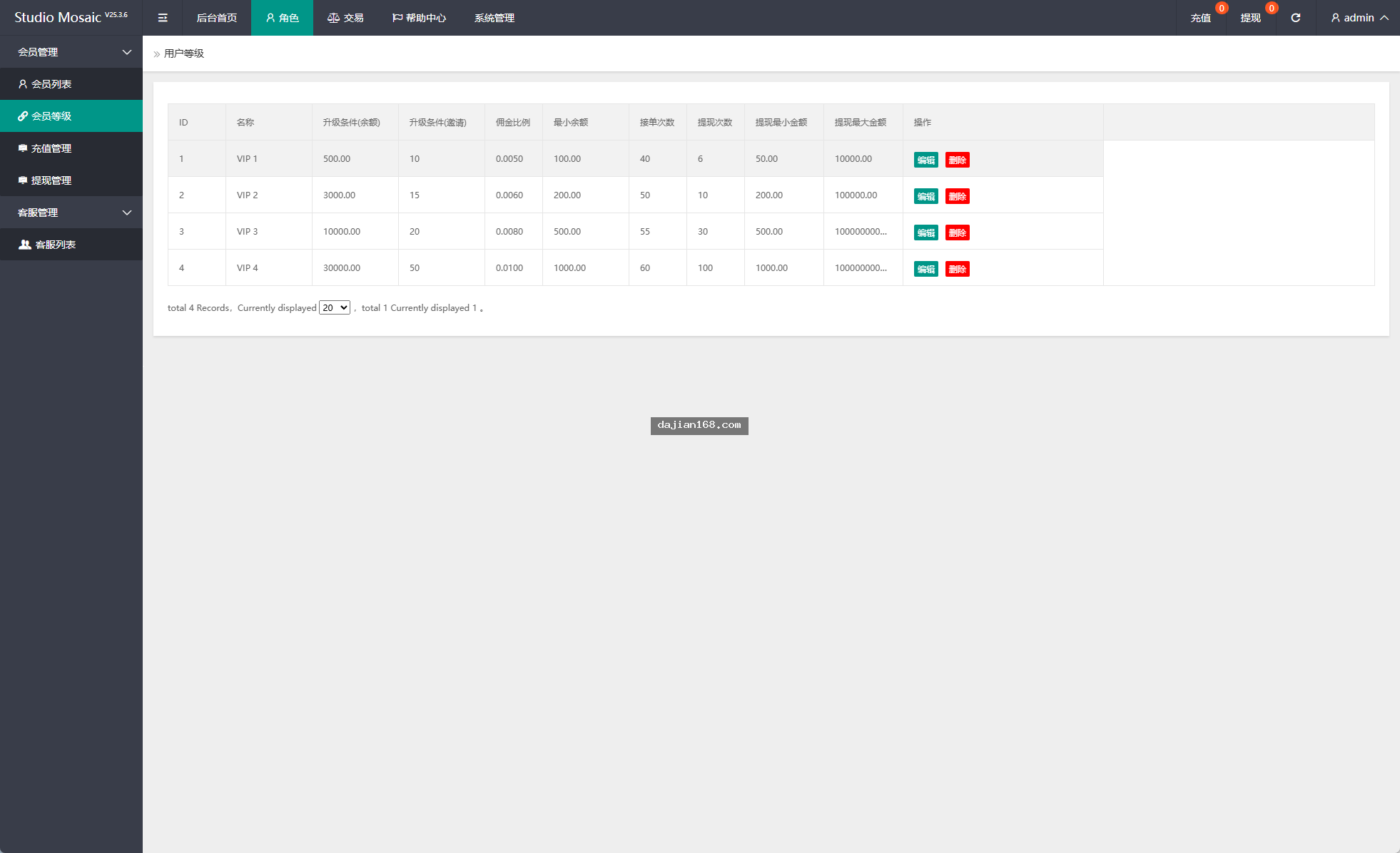
- Task Publishing System: The backend can publish different types of brushing tasks with configurable task amounts, completion conditions and reward ratios.
- Chain-Order Feature: After completing the first task, users automatically unlock the second task. The backend can configure chain-order levels with support for up to 10 layers.
- Card-Order Feature: Triggers a card-order at a specified level. Users must recharge or complete designated actions to unlock subsequent tasks.
- Commission Settlement: Supports three settlement modes including instant credit, T+1 and weekly settlement with one-click switching in the backend.
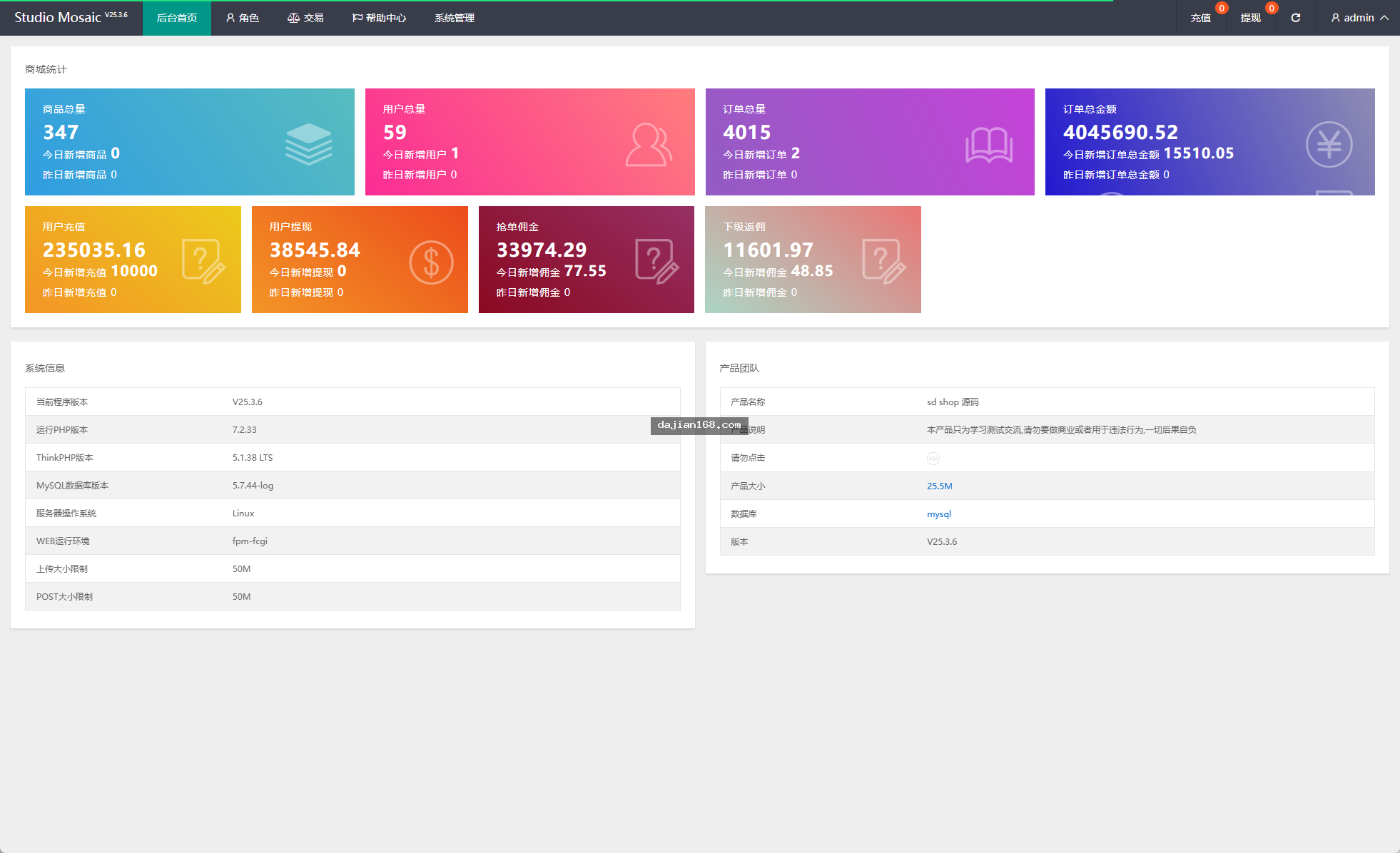
- Agent Levels: Three-level agent commission distribution with independently configurable ratios for each level. Agent backends can view subordinate performance.
2. Deployment Preparation and Key Notes
This system has modest server requirements but several prerequisites must be satisfied:
- Server Environment: Linux (CentOS 7+ / Ubuntu 18.04+). Recommend 4-core 8GB RAM configuration.
- PHP Version: 7.2-7.4. Must install gd, mbstring, curl and openssl extensions.
- Database: MySQL 5.7+. Select utf8mb4_general_ci encoding when creating the database.
- Web Server: Nginx or Apache both work. Recommend Nginx for more stable concurrent processing.
- UniApp Compilation Environment: HBuilderX 3.0+. For APP packaging, configure manifest.json.
- Payment Interfaces: Reserved interfaces for PayPal, Stripe and local wallets. Apply for merchant accounts before formal operations.
- SMS Interface: Built-in Twilio and Nexmo interfaces. For overseas operations, Twilio is recommended as priority.
3. Common Issues and Troubleshooting Records
3.1 Chain-Order Level Configuration Not Taking Effect
After changing chain-order levels from 3 to 5 in the backend, the frontend still displayed only 3 levels. Investigation revealed that Redis cache had not been refreshed. This system uses Redis to cache task configurations. After modifying levels, you need to manually clear the cache or wait for automatic expiration (default 30 minutes). Temporary solution: Connect to Redis and execute FLUSHALL. Or modify application/config.php to set the task configuration cache time to 0, then restore it after debugging.
3.2 Users Unable to Continue After Card-Order Trigger
Users reported that after recharging as required during a card-order event, the system still showed “Task Locked”. Log review revealed the payment callback address was incorrectly configured. The third-party payment success callback did not correctly reach the system notify_url. Fix: In the backend under “Payment Configuration”, change the asynchronous notification address to the complete HTTPS domain name. Append /index.php/pay/notify at the end. Do not use IP addresses for direct access.
3.3 UniApp Multi-Language Switch Showing White Screen
After adding an English language pack, switching languages caused a white screen. Debugging found that some page JSON language files had incorrect formatting with BOM headers. Fix: Use Notepad++ to convert all JSON files in the lang directory to UTF-8 without BOM format. Repackage the app afterwards.
3.4 Commission Withdrawal Delayed
Users applied for withdrawals but the backend showed “Processing” for over 24 hours without credit. Investigation found that cron scheduled tasks were not configured. The system’s automatic settlement depends on think command-line scheduled tasks. Fix: Add this line to the server crontab: * * * * * cd /www/wwwroot/your_project && php think cron > /dev/null 2>&1, executing once per minute.
4. Customization Options
The advantage of fully open-source code is clear. It can be flexibly adjusted according to operational requirements:
- Language Pack Extension: Currently includes a language pack framework. Adding a new language only requires creating a new JSON file in the lang directory with key-value pairs translated by page. I recommend using the i18n Ally plugin for batch translation first.
- UI Deep Customization: UniApp’s pages.json and uni.scss control global styles. Change theme colors, layouts and font sizes in these two files.
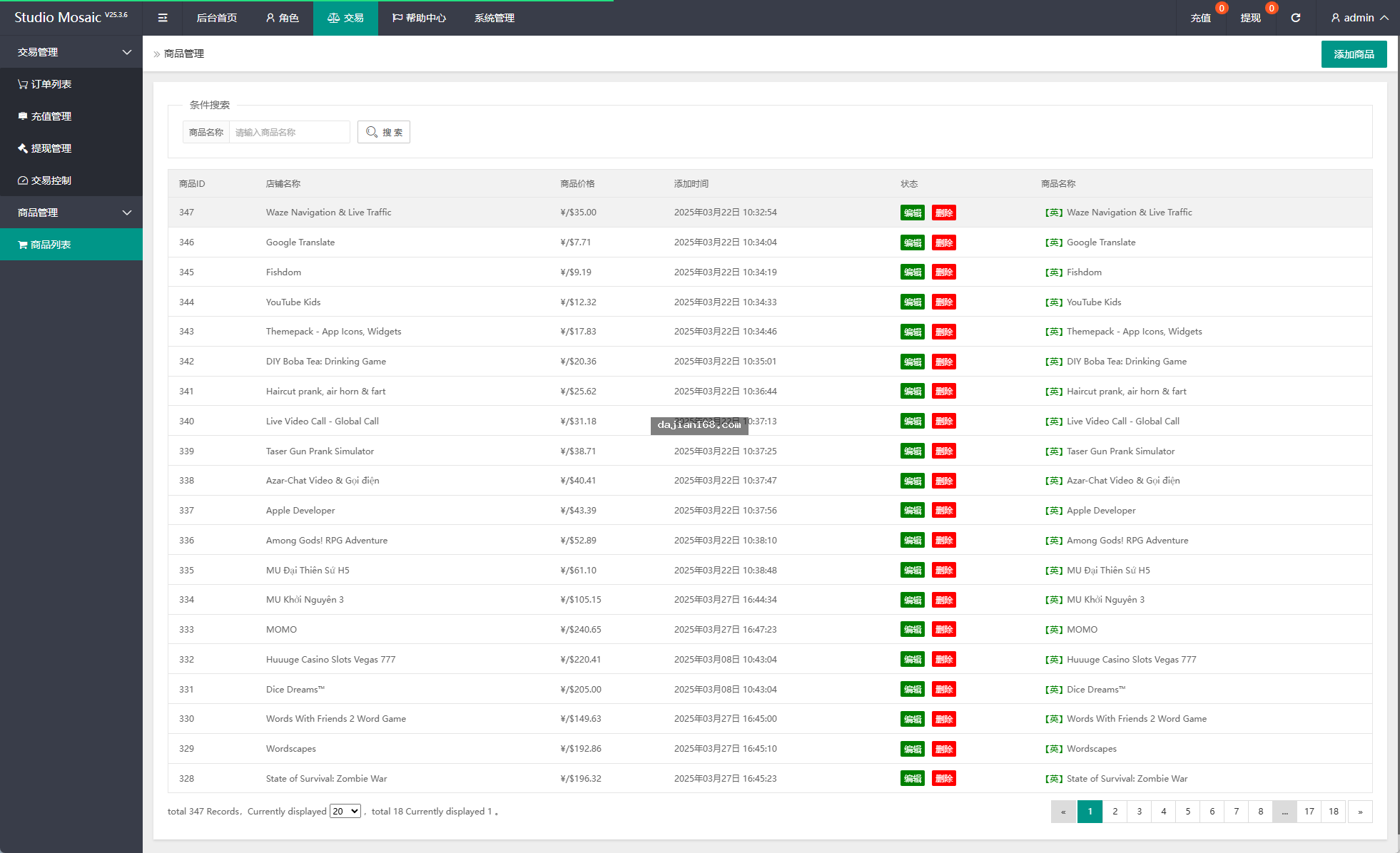
- Task Type Extension: Default is APP brushing. Can be extended to e-commerce brushing, video likes, follower traffic and other types. New task types must be registered in application/common/model/TaskType.php.
- Enhanced Risk Control Rules: The base version only has IP and device fingerprint verification. You can integrate third-party risk control APIs for behavioral analysis and anomaly detection.
- Enhanced Data Analytics: The built-in backend data reports are fairly basic. You can integrate ClickHouse or Elasticsearch for real-time analysis.
Key Note: The biggest difference between overseas operations and domestic is payment and compliance. For payments, I recommend prioritizing Stripe integration which supports 135 global currencies. For compliance, confirm the financial regulatory requirements of the target country. Some Southeast Asian countries have explicit restrictions on brushing-type platforms. Always complete legal consultation before launch.
5. FAQ
Q1: Which countries is this system suitable for operating in?
A: The source code itself has no geographic restrictions and is theoretically usable globally. But from a compliance perspective, Southeast Asia (Thailand, Vietnam, Philippines, Indonesia) and Latin America (Brazil, Mexico) currently have the most practical cases. European and American regions have strict regulations on brushing-type businesses. Direct launch is not recommended.
Q2: Can chain-order and card-order be enabled simultaneously?
A: Yes, but I recommend beginners start with chain-order only. When both chain-order and card-order are enabled simultaneously, configuration complexity increases exponentially. Especially the relationship between card-order trigger amount thresholds and chain-order levels is easy to confuse in backend configuration. I usually advise clients to use chain-order mode for the first two weeks. Add card-order after the workflow is fully tested.
Q3: Can the uniapp-packaged APP pass Google Play review?
A: Yes it can pass, but pay attention to two points. First, do not use sensitive words like “brushing” or “fake volume” in the APP description. Use alternatives like “task platform” or “promotion assistant”. Second, the privacy policy page must be complete including data collection scope and usage purpose. My first submission was rejected because the privacy policy was incomplete.
Q4: How much server bandwidth is needed?
A: For sites with under 500 daily active users, 5M bandwidth is sufficient. But for video-type tasks where users upload screen recordings, upgrade to 10M or above and configure OSS or CDN to offload static resources. After routing images and JS files through CDN, the origin server pressure will be significantly reduced.
Source Reference
This article is compiled from yanshigw.top/19083.html with secondary creation and expansion. It is provided for technical exchange purposes only.
#OverseasBrushingSystem #APPBrushingSourceCode #UniAppBrushingPlatform #ChainOrderCardOrderSystem #OverseasTaskPlatform
-
 Alipay QR Code Scan
-
 WeChat Scan Pay