Charmingly rustic delicacies from across China
In China, where food takes first place, there are countless types of cuisine, and world-famous delicacies are too numerous to mention! However, the rustic yet delicious foods are rarely known to people. The editor has collected some down-to-earth delicacies—see if you know any of them!
**Tuotuo Meat**
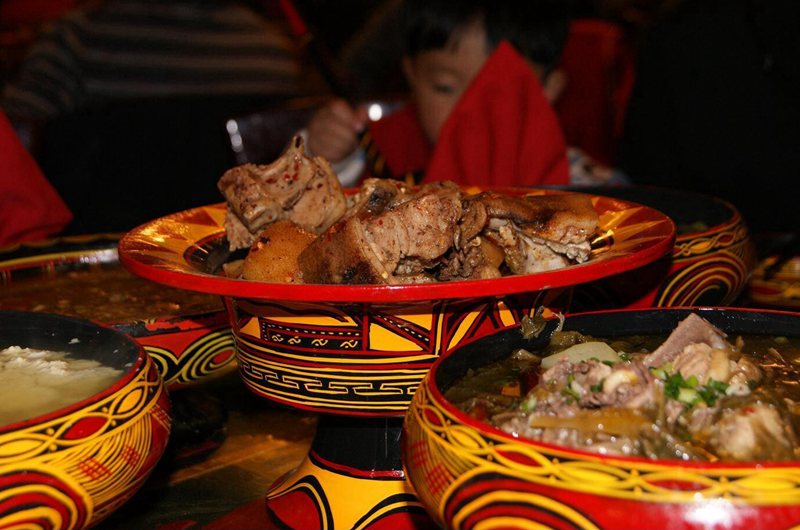
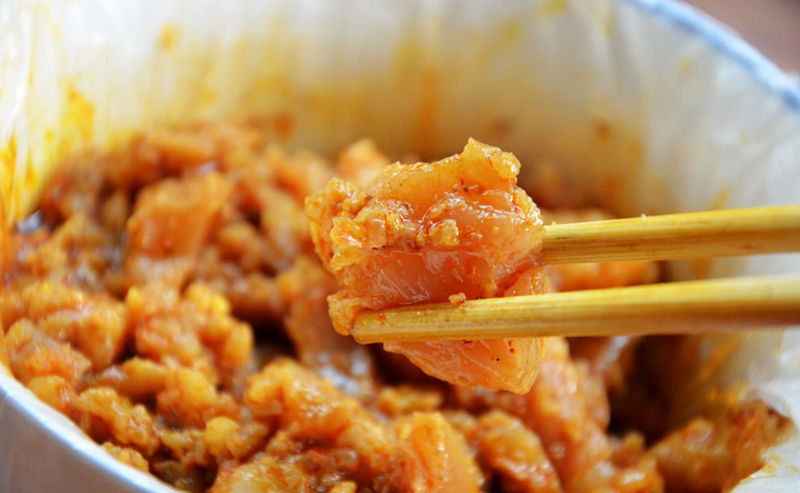
Tuotuo Meat, called “Use Se Jiao” in the Yi language, means “pork chunks.” Tuotuo Meat is the basic method of preparing meat for the Yi people in the Small Liangshan region. Because of its unique cooking method and lean texture, it becomes more flavorful the more you chew, and it whets the appetite. The secret to making Tuotuo Meat is mastering the right degree of cooking—undercooked is not done, overcooked makes the meat tough, so ordinary people can’t make it well. Tuotuo Meat made by the Yi people is both fresh and fragrant, with a distinctive flavor, especially when made from piglets weighing four to five jin, which is especially crispy and delicious. It is a special dish used to entertain guests. Therefore, Tuotuo Meat has become a famous specialty dish in the Small Liangshan region.
**Guagua**
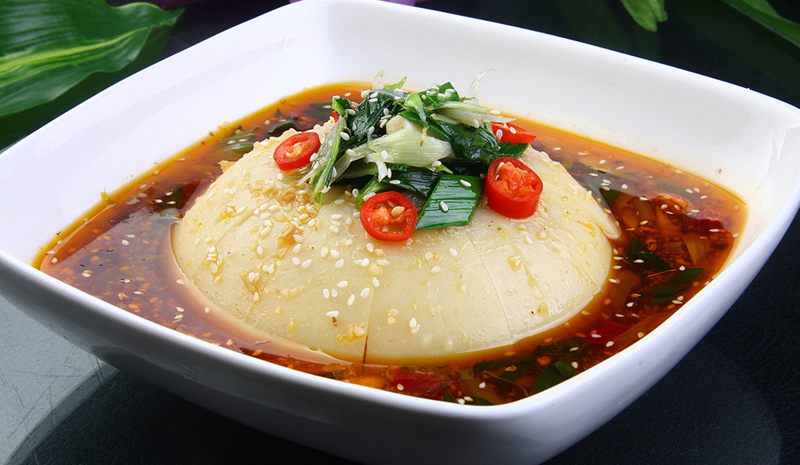
Guagua is a special food from the Tianshui area. No matter how cold the winter wind blows or how hot the summer sun is, there is always purplish-red Guagua being sold at stalls, with customers coming and going endlessly and business being especially booming. If northwestern people love sour and spicy food, then Tianshui Guagua is a typical spicy snack. For first-time eaters, seeing a bowl of red, saucy Guagua will definitely make them gasp and break into a sweat. The locals particularly love having Guagua for breakfast—some men and women virtually “cannot go a day without it.”
**Zabaner**
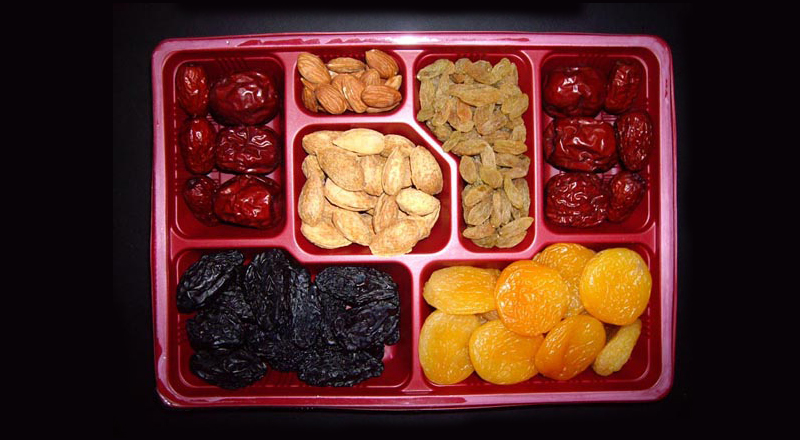
Zabaner is a must-have snack for traditional Beijing families during the New Year while staying up all night. When young people hear “Zabaner,” they don’t know what kind of food it is, and they never see it sold in markets. The old Beijing Zabaner is actually made by mixing together dried longans, jujubes, chestnuts, peach preserves, candied dates, and other dried fruits. During Beijing’s New Year, the favorite food for children is not dumplings or New Year dishes—what they most want to eat and love most is the “sweet offerings” placed in the Buddhist hall to honor ancestors and the colorful, various-flavored “Zabaner.”
**Jiaotuan**
-
 Alipay QR Code Scan
-
 WeChat Scan Pay

![? [New UI NFT Blockchain Trading System] NFT Minting + Blind Box Synthesis + NFT Marketplace + Digital Art Collectibles](https://dajian168.com/wp-content/uploads/2025/07/telegram-img-2025-07-08-686ce28de969c.jpg)