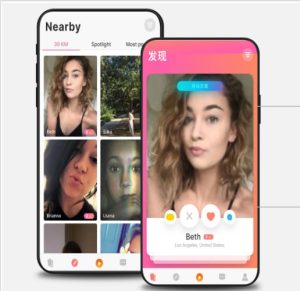
Overseas Mall Buyback System Setup Guide: Dual-language Group Purchase Tax Refund Platform Source Code Analysis
Overseas Mall Buyback System Setup Guide: Dual-language Group Purchase Tax Refund Platform Source Code Analysis
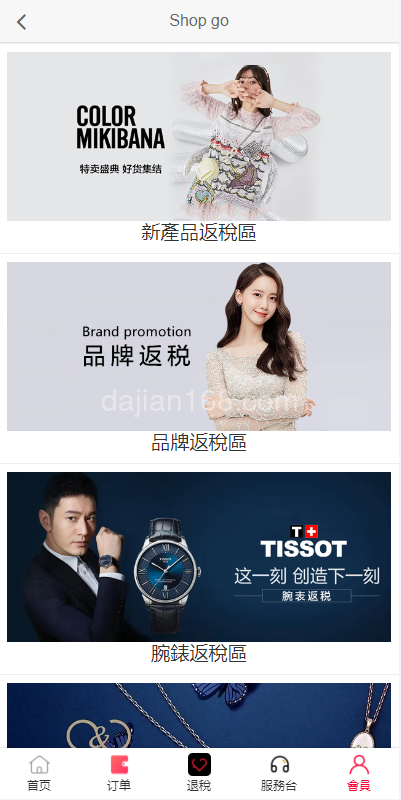
Last month I helped a friend who runs cross-border e-commerce deploy an overseas mall buyback system. It took me two full days to sort out all the details. Today I am writing down the entire process, hoping to save some time for others with similar needs. What attracted me most about this system is its support for Chinese and English bilingual switching, and its integration of three core modules: group purchase, tax refund, and recycling. For teams targeting overseas markets, this is quite practical.

1. Core System Function Modules Breakdown
This system is essentially a comprehensive mall platform, not a simple single-function site. I broke it down and found it mainly includes the following core modules:
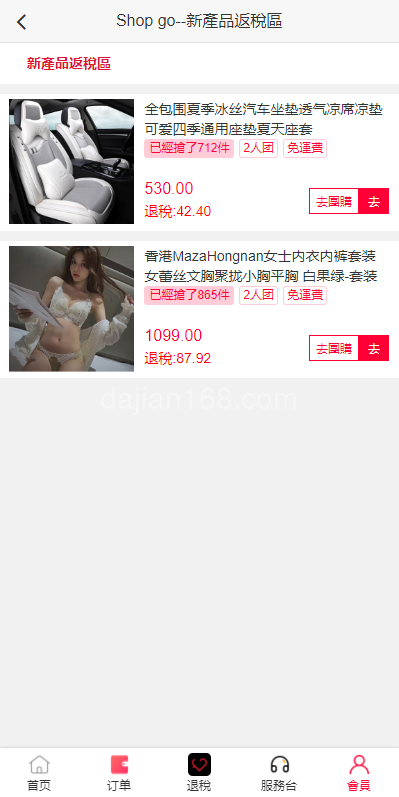
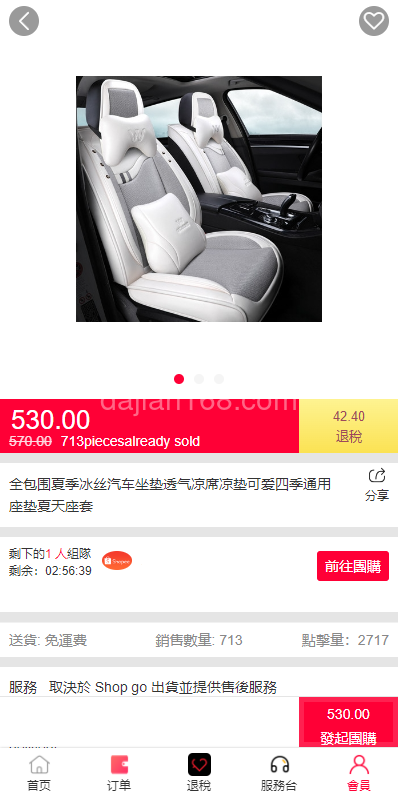
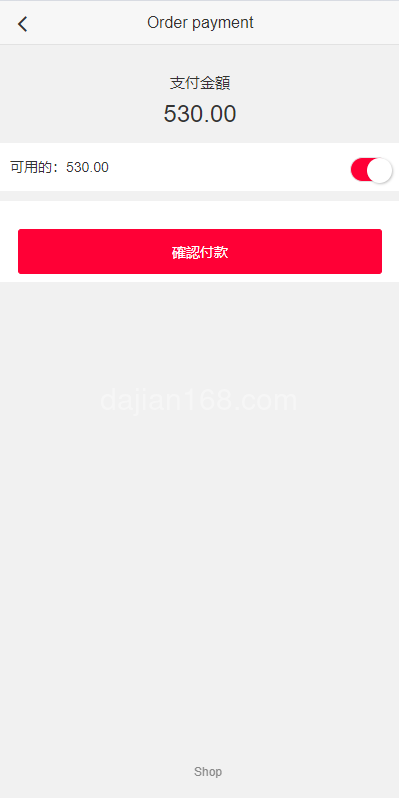
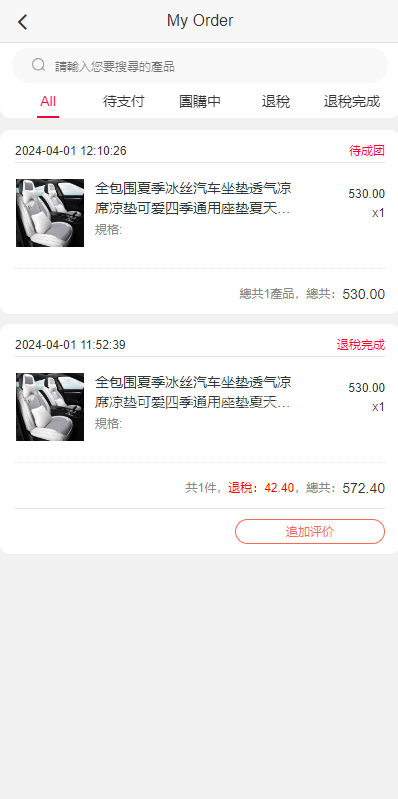
- Group Purchase Module: Users initiate group purchases and enjoy discounted prices after reaching the specified number of participants. This logic is similar to Pinduoduo in China, but in overseas scenarios it needs to adapt to different payment channels.
- Tax Refund System: This is specially designed for overseas users. After purchasing goods, they can apply for tax refunds, and the platform returns a proportionate amount to increase user stickiness.
- Recycling Group Purchase Function: Users can sell idle items to the platform, which uniformly recycles them and then resells them at group purchase prices, forming a closed loop.
- Dual-language Support: The frontend supports Chinese and English switching, while the backend management is single-language. This design is quite reasonable.

2. Preparations Before Setup
Before starting the setup, I made a checklist and confirmed everything needed to avoid finding something missing halfway through installation:
- Server: I recommend starting with at least 2 cores and 4GB RAM. For overseas user access, Hong Kong or Singapore nodes are best.
- Domain: Use domestic servers if filing is required; otherwise go directly with overseas hosting.
- PHP Version: Both PHP 7.4 and PHP 8.0 work in testing. I ended up using 7.4 for better stability.
- Database: MySQL 5.7 or above. Remember to create the database and user in advance.
- SSL Certificate: HTTPS is mandatory. Overseas users are very sensitive about security.
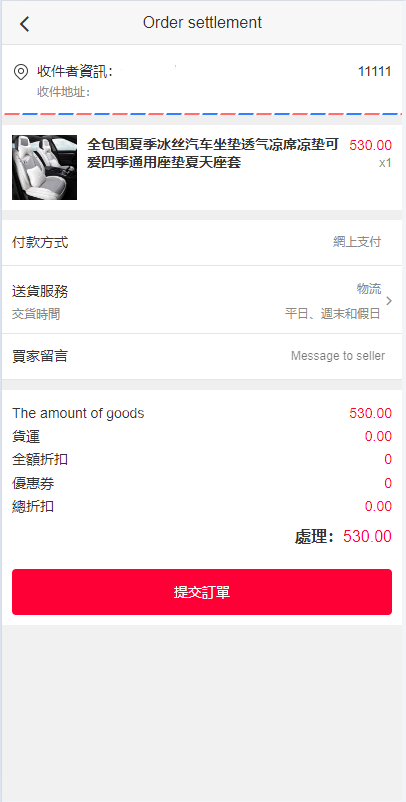
- Payment Interface: Configure according to the target market. USDT, PayPal, and credit card channels all need to be applied for in advance.
3. Pitfalls I Stepped Into During Deployment
Talking about this brings tears to my eyes. There were several places that stuck me for hours. I am recording them here so everyone can bypass them directly if they encounter the same problems.
3.1 Database Encoding Issues
The first time I imported the SQL file, all Chinese characters became garbled. Later I found it was because the database encoding was not set correctly. You must use utf8mb4_general_ci, not the default latin1. The problem was solved after rebuilding the database.
3.2 Pseudo-static Configuration
The URL beautification of this system requires Apache mod_rewrite or Nginx try_files configuration. I used Nginx and added this section to the site configuration to make it work properly:
location / {
    try_files $uri $uri/ /index.php?$query_string;
}
3.3 File Permission Issues
The upload directory and cache directory need write permissions, otherwise images cannot be uploaded. I directly gave 755. For production environments, stricter permission control is recommended.
4. Function Customization and Secondary Development Suggestions
The source code structure of this system is quite clear. PHP handles backend logic, and the frontend is pure HTML plus CSS plus JS without any complex frameworks. For those who need secondary development, the learning curve is not steep. I have sorted out directions that can be expanded:
- Add more language support: Currently only Chinese and English bilingual. If you need Japanese, Korean, or Thai, you can copy a set following the language files.
- Integrate more payment channels: The source code reserves extension positions for payment interfaces. Connecting a new third-party payment takes about half a day.
- Membership level system: Currently there are only two levels, regular users and administrators. You can expand VIP levels and corresponding discount systems.
- Data statistics dashboard: The backend data reports are relatively simple. You can use ECharts to make a visual upgrade.
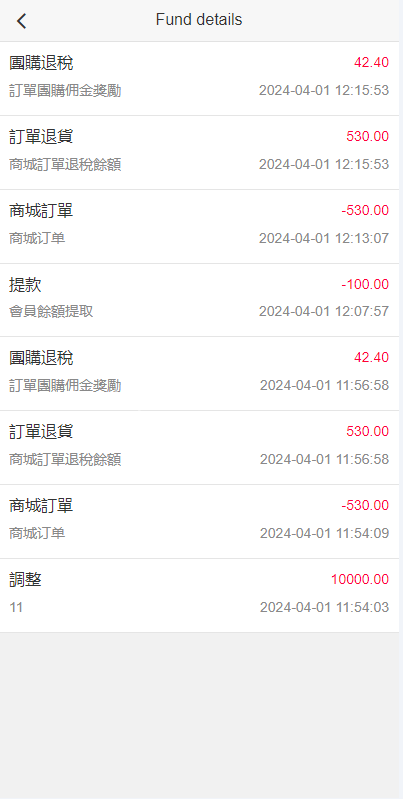
Important Notice: This system involves payment and fund circulation. Security testing must be done before going live. I recommend finding a professional security team to do a penetration test, especially checking for SQL injection and XSS vulnerabilities. Before going live, I scanned with AWVS, fixed several medium-risk vulnerabilities, and then officially opened registration.
5. FAQ Frequently Asked Questions
I have compiled some questions that friends ask frequently and answer them here:
Q1: Does this system support mobile devices?
Yes, it does. The frontend uses responsive layout and automatically adapts when opened on mobile browsers. However, the best experience comes from building a native APP or mini program, which requires additional development.
Q2: Can I operate multiple country markets simultaneously?
Technically yes, one backend can manage multiple sites. But pay attention to different countries’ legal compliance requirements, especially regarding payments and taxation. I recommend deploying separately for each country with data isolation for greater security.
Q3: Is the source code encrypted? Can it be secondary developed?
The source code is completely open source with no encryption. PHP files and HTML templates can be directly modified. When I deployed it, I modified several page styles myself and added an SMS verification code interface. Overall, the customizability is very strong.
Q4: What are the minimum server configuration requirements?
The test environment can run on 1 core and 2GB RAM, but it gets stuck when concurrency increases. For formal operations, I recommend starting with 2 cores and 4GB. If user volume exceeds 10,000, consider upgrading to 4 cores and 8GB plus CDN acceleration.
#GroupPurchaseMall #BuybackSystem #TaxRefund #RecyclingPurchase #OverseasMall
-
 Alipay QR Code Scan
-
 WeChat Scan Pay