Overseas JAVA Exchange System Setup Guide: Second Contract and Perpetual Contract Dual Mode Complete Deployment
Overseas JAVA Exchange System Setup Guide: Second Contract and Perpetual Contract Dual Mode Complete Deployment
At the beginning of this year, I helped an overseas team build a JAVA exchange system. From requirement alignment to official operation, it took a full two months. The complexity of this project far exceeds ordinary micro-trading systems, involving matching engines, risk control systems, hot/cold wallet separation, and other modules. Today I’m organizing the core setup experience to provide some reference for friends who want to build their own exchange.
1. System Architecture and Tech Stack
This exchange adopts a frontend-backend separation architecture with mainstream technology choices:
- Frontend: Uniapp development, one codebase covers iOS, Android, and H5
- Backend: Spring Boot + MyBatis Plus, Java language development with strong concurrent processing capability
- Database: MySQL master-slave + Redis cache, order tables partitioned by month
- Matching Engine: Self-developed in-memory matching, processing 5000+ orders per second
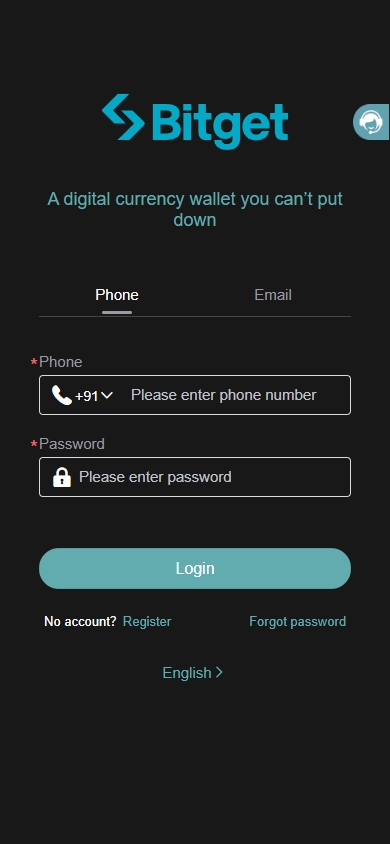
- Multi-language: Built-in Chinese, English, Japanese, Korean, Thai, Vietnamese 6 languages, configuration file management
2. Core Trading Functions
Based on my actual deployment experience, this system’s trading modules are professionally designed:
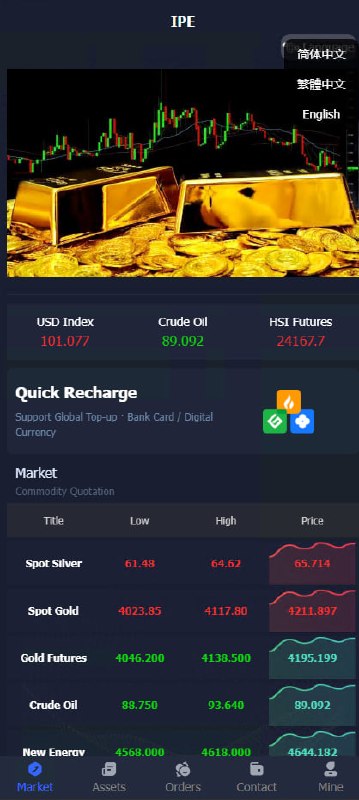
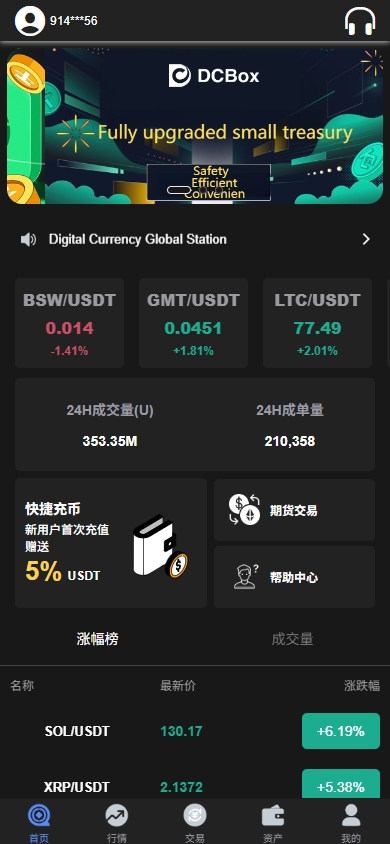
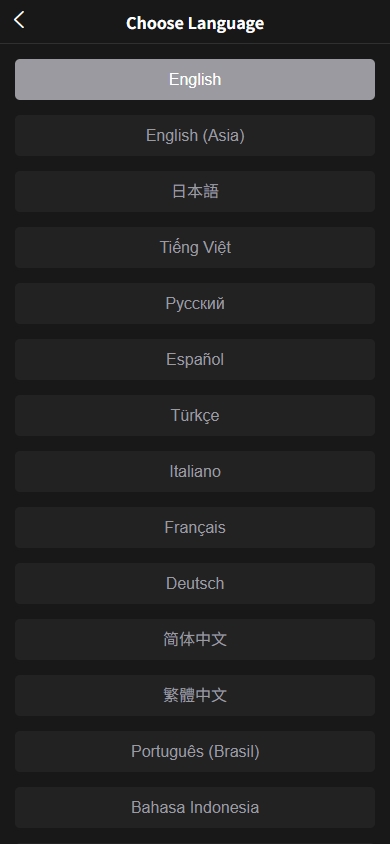
- Second Contract: 30s/60s/180s/300s four cycles, supporting BTC, ETH and other mainstream currencies
- Perpetual Contract: Up to 100x leverage, supporting both full and isolated margin modes
- K-line Data: Connected to Binance and OKX data sources, 1-second level行情更新
- Risk Control System: Automatic liquidation, position limits, price protection triple mechanism
- Agent System: Multi-level commission + trading fee sharing, real-time settlement in backend
3. Server and Operations Configuration
3.1 Hardware Requirements
Exchanges have high server requirements. My recommended configuration:
Matching Server: 16 cores 32G, SSD hard drive, dedicated bandwidth 50M+
Market Data Server: 8 cores 16G, mainly running WebSocket push
Database Server: Master and slave each, 32 cores 64G, SSD RAID 10
Wallet Server: Independent internal network, no external port exposure
3.2 Security Protection
Last year a friend’s exchange was hacked for over 2 million USDT due to improper cold wallet management. Now I strictly enforce these rules for every deployment:
- Hot wallet only keeps 5% of daily operating funds
- Cold wallet generated with offline computer + hardware wallet
- All transfers require dual approval + SMS verification
- Servers enable 2FA login, prohibit direct root SSH
4. Common Issues and Solutions
Several typical problems encountered during deployment:
4.1 High Matching Latency
During testing, peak matching latency exceeded 200ms. Logs showed GC pauses were the cause. Solution was to tune JVM heap to 24G and use G1 garbage collector:
-Xms24g -Xmx24g -XX:+UseG1GC -XX:MaxGCPauseMillis=50
4.2 Frequent WebSocket Disconnections
Users reported frequent disconnections in market push. Reason was Nginx default proxy_read_timeout of only 60 seconds. Change to:
proxy_read_timeout 86400s;
proxy_send_timeout 86400s;
5. Operational Compliance Suggestions
Exchange operations involve legal risks. I recommend at least the following:
- Register an overseas company (Seychelles, Vanuatu, etc.)
- Apply for MSB or related licenses
- KYC system connected to third-party identity verification
- Retain complete transaction records for inspection
Important Notice: Perpetual contracts and leveraged trading carry extremely high risks. Risk disclosure statements must be强制阅读 during user registration. Also recommend setting daily loss limits to prevent extreme market conditions causing platform insolvency.
6. FAQ
Q1: How many users can this system support trading simultaneously?
A: Tested on 16-core 32GB configuration, 2000 concurrent online users with stable matching latency within 50ms. For tens of thousands, the matching engine needs C++ rewrite and Kafka message queue.
Q2: How long does wallet integration take?
A: BTC and ETH main chain integration about one week, TRC20 and BEP20 need 3-4 days. Recommend starting with mainstream currencies, adding small currencies gradually.
Q3: What to do if attacked?
A: First freeze all withdrawals, second report to police and exchange alliance. Always maintain offsite backups, database automatically backs up to another server every hour.
#JAVA Exchange #Second Contract System #Perpetual Contract #Crypto Exchange #Exchange Source Code
-
 Alipay QR Code Scan
-
 WeChat Scan Pay