Building a Nostalgia Game Hall System: 700 Sub-Games + Image Deployment Notes
Building a Nostalgia Game Hall System: 700 Sub-Games + Image Deployment Notes
Disclaimer: This article is for technical education and demonstration only. It is not professional or financial advice. Any real-world deployment must comply with applicable laws and regulations.
I recently helped a client working on a regional culture showcase project deploy a full nostalgia-themed game hall system, complete with over 700 sub-games and a Cocos series image package. Honestly, I wasn’t fully confident going in—the sheer scale was intimidating. After three days of tinkering, everything finally ran smoothly, so I’m writing down the process to save others some time.
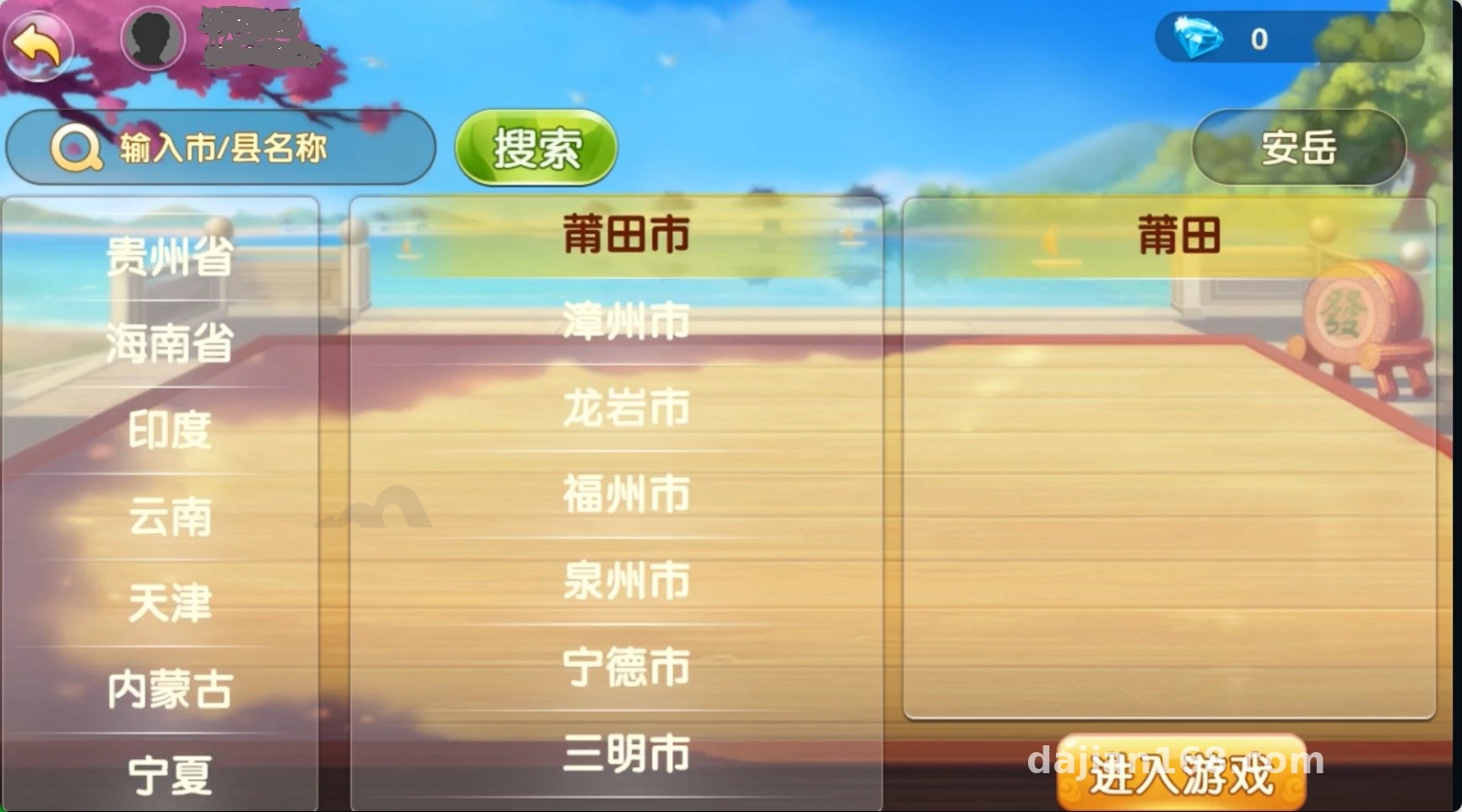
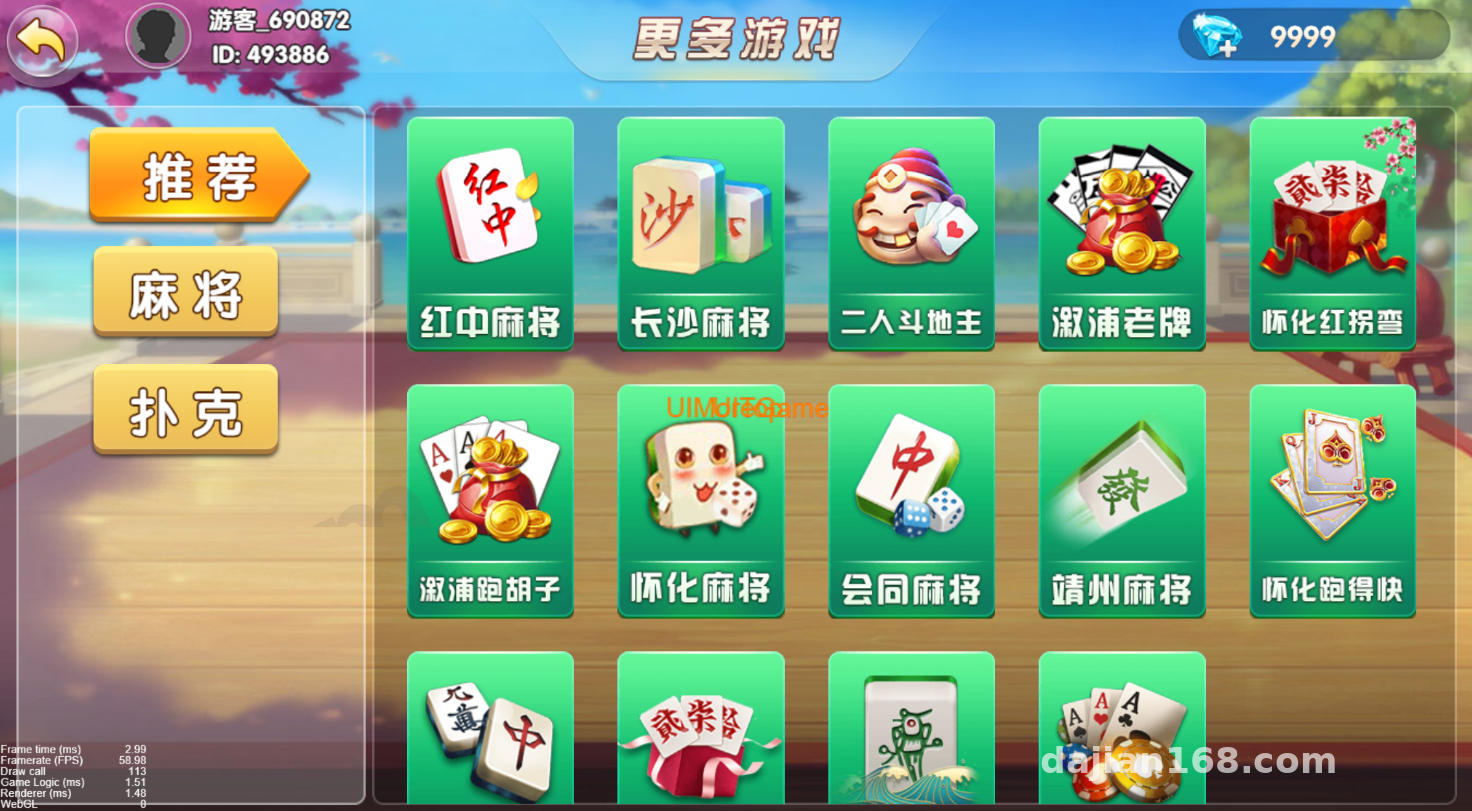
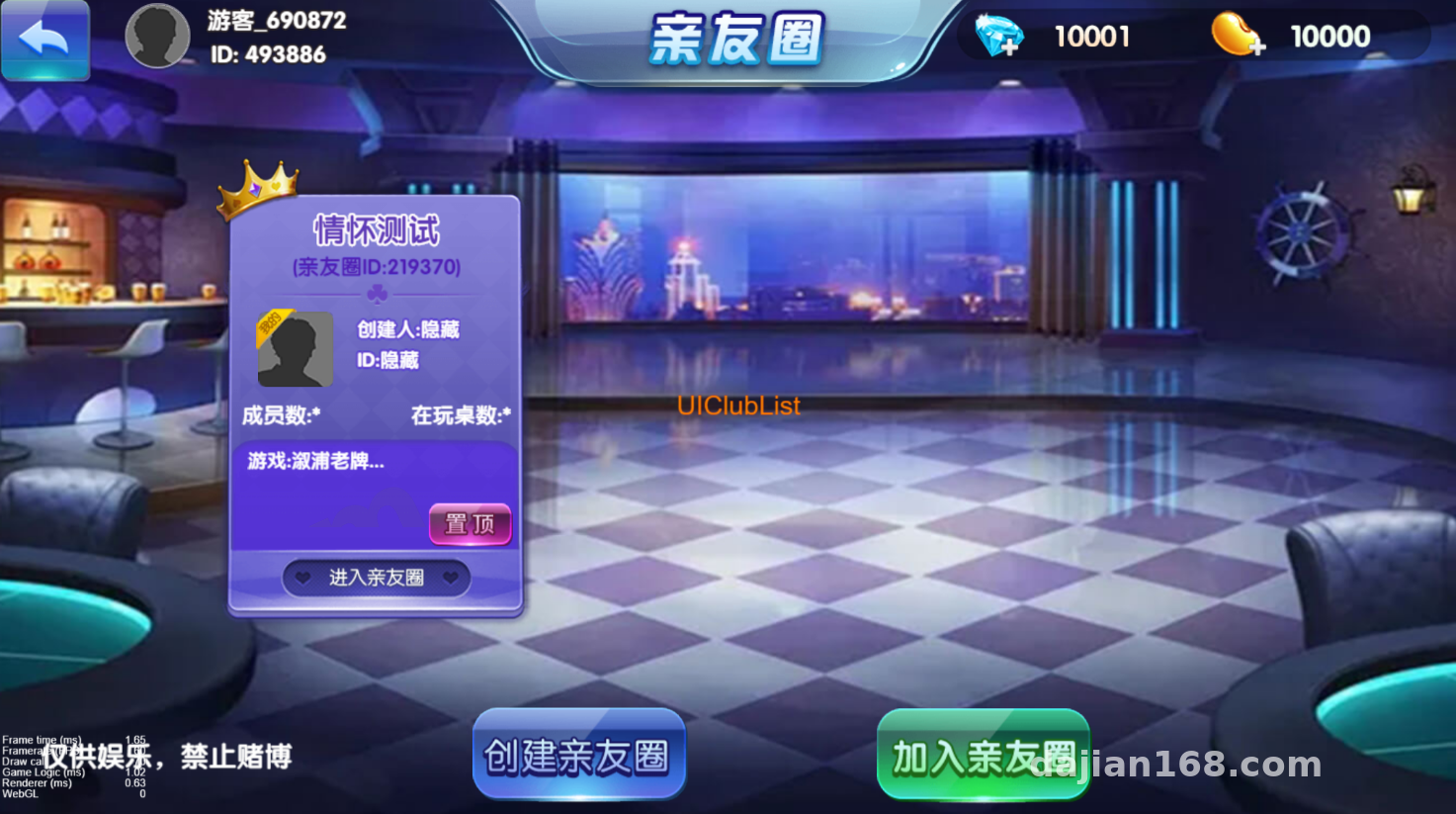
First, the takeaway: both the server and client in this package are restructured versions, completely different in architecture from the older 600-game edition. There are 100+ more sub-games than the old version, and they’re organized by region—different regions show different local card-simulation demos in their entry points, like Anfu, Anqing, Chengdu Xueliu, and Dalian Qionghu. All of these are offline simulation demos, running purely on local logic for display purposes.
Hands-On Testing: Is the Scale Worth It?
After installation, I focused on a few key modules. Here’s my honest experience.
1. Sub-Game Loading Mechanism
The 700 sub-games aren’t crammed into one package—they’re split by module, and the backend can toggle games for individual regions on and off. I tried disabling a few and re-enabling them; the client’s hot update synced in about 30 seconds. That design is quite friendly for later maintenance. Each sub-game is essentially an independent card-simulation logic module running on local random-number demos, with no real-funds interfaces involved—something I deliberately verified during deployment.
2. Backend Console
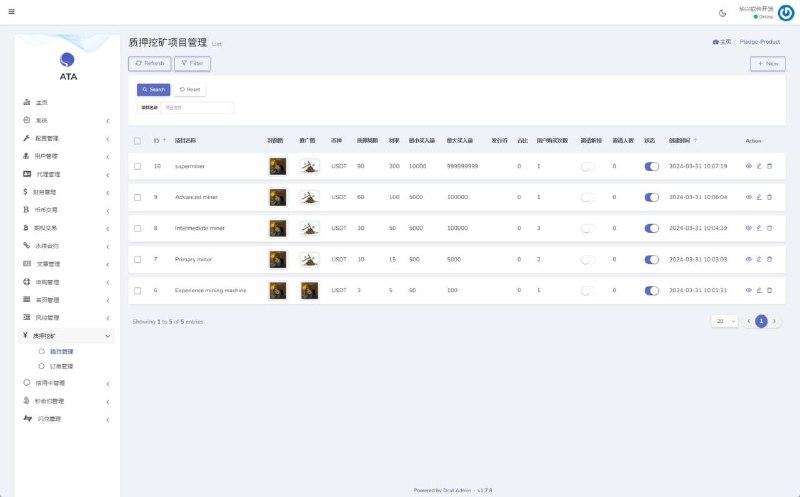
The console is the core selling point of this package. The backend can do: game toggles, announcement pushes, player data statistics, and room parameter adjustments (demo parameters like base score caps and session duration). The interface is web-based with decent responsiveness, but there’s a catch—some backend list endpoints lack pagination, so they lag once data volume grows. I added LIMIT clauses myself to fix it.

3. Cocos Image and Client
The client is built with Cocos, and the image package runs out of the box. Changing the logo and skins is fairly easy. Multi-resolution adaptation is mediocre—there’s some stretching on tablets, so I adjusted a few UI anchors myself. For secondary development, the resources are all there and the script structure is reasonably clear, though comments are sparse, so you’ll have to dig through it yourself.
Deployment Essentials: My Environment and Pitfalls
My environment: CentOS 7.9 + BaoTa panel, PHP 7.4, MySQL 5.7, and Redis is a must (room state caching depends on it).
Key points to watch:
First, database import. The full SQL dump is over 2 GB—importing via phpMyAdmin will definitely time out. I used the command line with source, and remember to raise max_allowed_packet first, or the import will break midway and you’ll have to start over.
Second, cross-region configuration. Since games display by region, the server has a region mapping table. The default configuration is incomplete—some provinces’ sub-game mappings were missing, and I manually added 40+ entries before everything displayed correctly.
Third, the firewall. Remember to open the long-connection ports in the security group. I missed this at first, and the client kept hanging on the connection screen; it took me a long time digging through logs to find out why.
Tip: Run the full workflow on a test machine before going to production, especially the region mapping and backend console—most problems show up in those two areas.
Secondary Development and Customization Room
If you need to customize this package, there’s decent flexibility:
On payment interfaces: the source code reserves a generic payment gateway abstraction layer. In the demo environment it uses simulated payment callbacks; hooking up your own channel only requires implementing one callback class—the logic isn’t heavy.
On multilingual support: client text is centralized in a single language pack file, which is easy to modify, but some sub-games have hardcoded Chinese strings you’ll need to search for one by one.
All art assets are open. Reskinning costs are mainly in UI slicing; the logic layer basically doesn’t need touching.
Who Is This For?
For regional culture digital showcases, offline game demo projects, or developers wanting to study Cocos multi-player hall architecture, the material volume here is genuinely substantial. But to be clear: it’s positioned as a simulation demo platform. All game logic runs on local computation with no real transaction functionality, and anyone deploying it must comply with applicable laws and regulations—no unlawful use of any kind. That premise can’t be forgotten.
FAQ
Q: Are server requirements high?
A: A test environment runs fine on 2 cores and 4 GB RAM; for production, start with 4 cores and 8 GB. Deploying Redis and MySQL separately is more stable.
Q: Do all 700 sub-games need to be configured one by one?
A: No. There’s a batch import script—I finished all the region mappings in half an hour. You just need to manually fill in the parts missing from the default table.
Q: Can it be rebranded?
A: Yes. The logo, name, and skins are all in the resource directories. Repackage the client after editing; the server doesn’t need changes.
Q: What’s the difference between the image and source-code versions?
A: The image is a full-site snapshot—ready to run, ideal for quick demos. The source version suits secondary development. I’d recommend getting both: validate with the image first, then modify on the source version.
Overall, deployment difficulty is moderate, with the main pitfalls in data volume and region configuration. Feel free to reach out with deployment questions—I plan to organize and release the region mapping completion script later.
Disclaimer: This article is for technical education and demonstration only. It is not professional or financial advice. Any real-world deployment must comply with applicable laws and regulations.
#Game Hall #Source Code Deployment #Cocos #Deployment Notes #System Deployment
-
 Alipay QR Code Scan
-
 WeChat Scan Pay