Wanghu Glory Arcade Source Code Deployment Guide: BINGO Demo Game Platform Setup Notes
Wanghu Glory Arcade Source Code Deployment Guide: BINGO Demo Game Platform Setup Notes
Disclaimer: This article is for technical education and demonstration only. It is not professional or financial advice. Any real-world deployment must comply with applicable laws and regulations.
Recently I helped a client who builds game demos deploy a complete component set of the Wanghu Glory arcade series / BINGO demo platform, the full-source version. Honestly, it took me two and a half days to get everything running smoothly, and I hit quite a few pitfalls along the way. While it’s fresh, I’m writing down the process to save time for anyone else setting this up. Let me be clear upfront: I only use this for game logic demonstration and technical learning. Before deploying, make sure you comply with applicable laws and regulations — any unlawful use is strictly prohibited.
Hands-On Review: What’s Actually in This Component Set
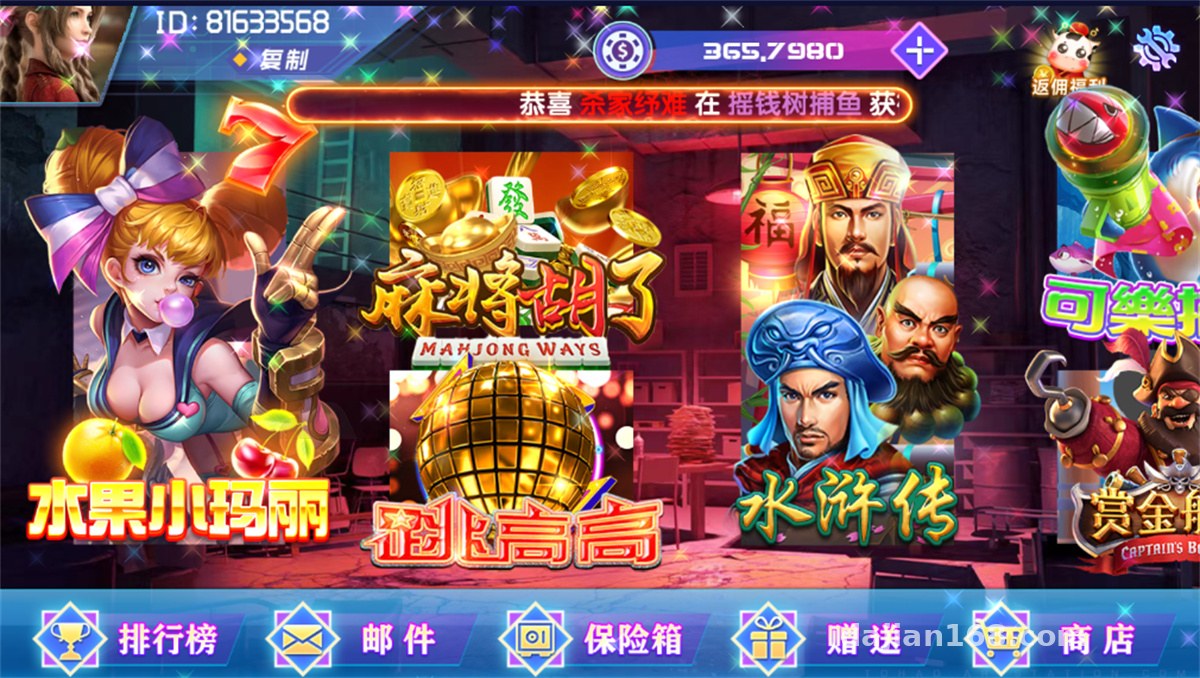
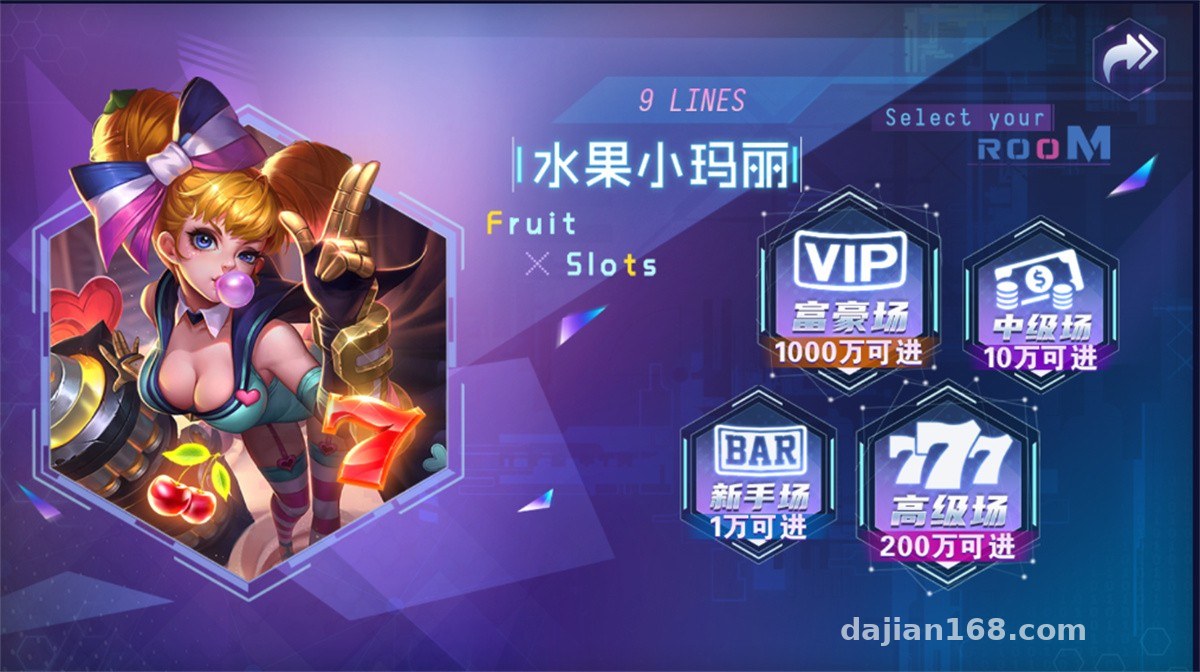
The full package contains quite a few game modules — I counted roughly 17: card demo Hu Le, Tiao Gao Gao, Water Margin, Cola Fishing, Bounty Captain, Peru Legend, Bird and Beast, Jin Ping Mei, Dragon Tiger Fight, God of Wealth Arrives, Nine-Line King, Golden Toad Fishing, Lovebirds, Money Tree, Dragon Hunt Park, Zha Jin Hua, and Fruit Mary. All of them are random-number-based demo gameplay, suitable for engine showcases and UI reference.
UI and Interaction Experience
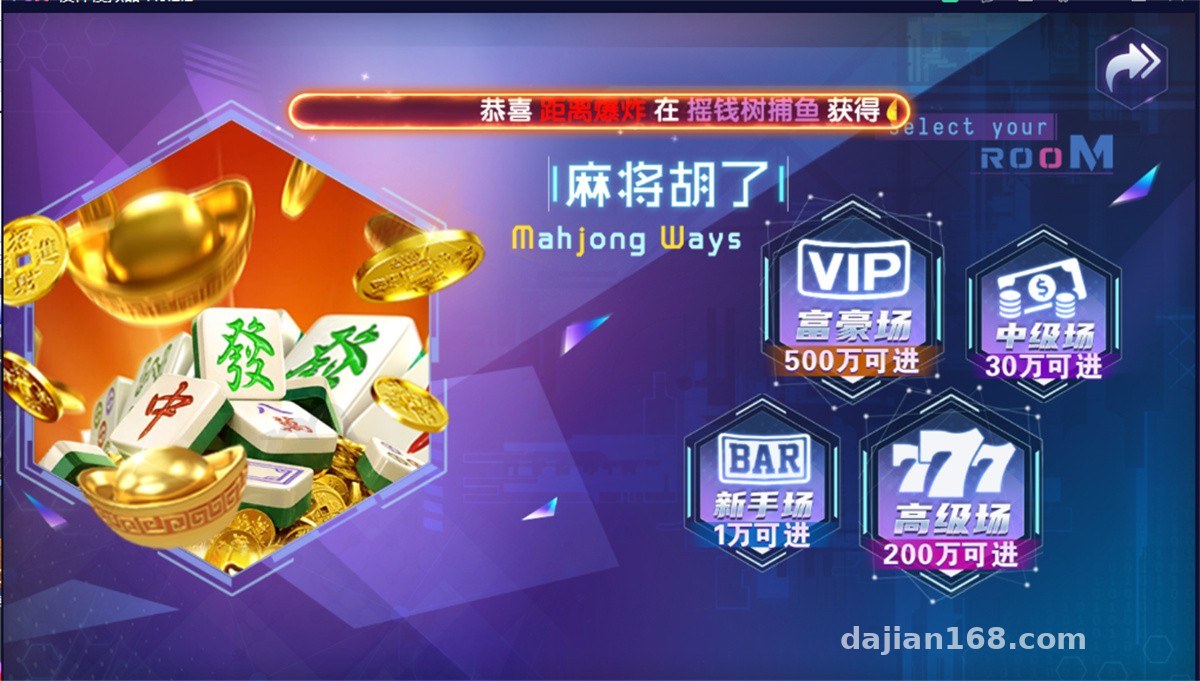
The UI is genuinely flashy, and the animation smoothness was better than I expected. The PC admin panel’s resolution adaptation is well done — no stretching or distortion at 1920×1080 in my tests. That said, a few modules have assets mixed in from older versions; the Water Margin loading screen doesn’t match the main interface style, so you’ll need to redo and replace those images yourself.
Admin Backend Panel
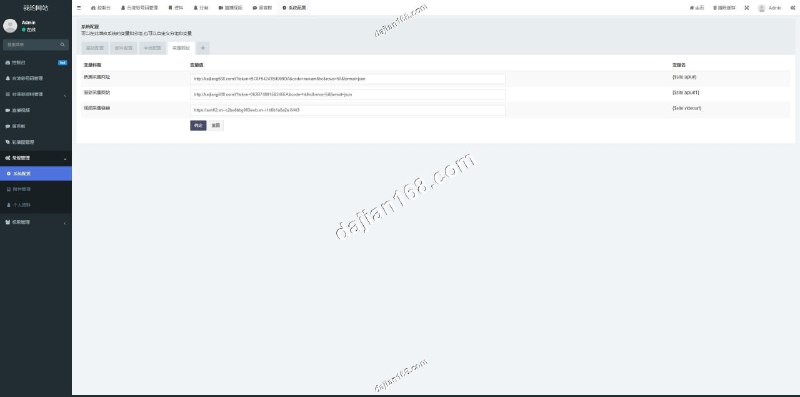
The PC admin backend is the core selling point of this set. It lets you adjust parameter configurations for each module, control demo data display logic, manage users, and query logs. I focused on testing parameter delivery: after changing a config, the frontend picks it up within about 3-5 seconds without restarting the service — that part is quite mature.
Deployment Essentials: Environment Requirements and Pitfall Log
Server Environment
My setup was CentOS 7.9 with 4 cores and 8GB RAM. It runs fine, but I’d recommend going straight to 8GB+ memory, because when multiple game modules load simultaneously, memory usage spikes above 6GB. The database is MySQL 5.7 — note that the character set must be set to utf8mb4. I initially used the default latin1, and all user nicknames showed up as garbled text in the backend; it took me over half an hour to troubleshoot.
Server-Side Deployment Process
The general flow: install the runtime environment and dependency libraries first, then import the database schema, configure the server ports, and finally start the main control process. A few pitfalls you must know about:
1. Port conflicts. The main controller occupies port 8600 by default, and a monitoring service on my server happened to be using it — startup failed immediately with a bind error. I fixed it by changing the port mapping in the config file.
2. Firewall. CentOS’s firewalld blocks most ports by default, and the game modules communicate over seven or eight different ports. You need to open them one by one, or simply disable the firewall during the internal testing phase to get things running, then tighten it up afterward.
3. Component dependencies. A few modules depend on specific runtime library versions; the system’s bundled versions were too old, and compilation failed with missing symbol errors. Manually upgrading the dependencies resolved it.

Client and Frontend
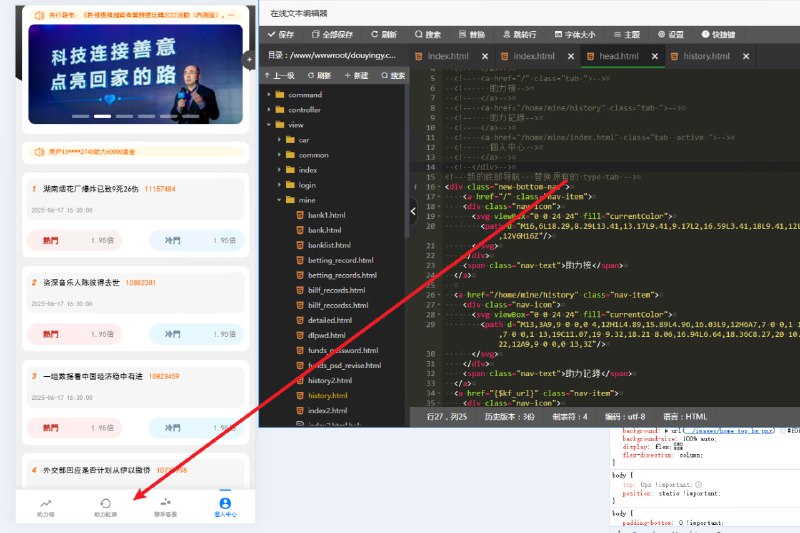
The frontend is primarily PC-based, and the full-source version means the code is completely open, so secondary development is possible. I changed the interface text of the Tiao Gao Gao and Golden Toad Fishing modules to demo platform descriptions by editing config files in the resource directory — no recompilation needed, which is very friendly for secondary development.
Secondary Development Advice and Who It’s For
Who is this source code suited for? I see three main groups: developers researching game engines, who can study its modular architecture and random-number demo logic; outsourcing teams taking on projects, who can directly reuse and adapt the UI and backend framework; and individual webmasters who want to build a purely technical demo platform.
Secondary Development Notes
The code structure follows a typical modular design — each game is an independent module, with shared logic extracted into a core library. To add your own demo module, just copy an existing module’s directory structure and modify it; it’s not difficult. Regarding multilingual support, the source code only ships with Chinese. If you want an English version, all strings are centralized in language pack files, so the workload is mainly in translating assets — code-level changes are minimal.
As for the payment interface, the source code reserves a standard integration point, but for demo purposes I simply disabled the top-up entry and kept only simulated point circulation — that’s the most hassle-free and safest approach.
Highlight tip: The backend’s hot-update mechanism for parameters is the biggest strength of this component set — config changes take effect within seconds, making demo platform debugging extremely efficient. I strongly recommend getting familiar with this feature right after deployment.
Frequently Asked Questions
Q: What’s the minimum server configuration to run this?
A: Start with 4 cores and 8GB RAM; 50GB of disk is enough. If all 17 modules are running with multiple concurrent demo visitors, I’d suggest 8 cores and 16GB with 10M+ bandwidth, since asset loading is fairly bandwidth-hungry.
Q: What are the most common errors during setup?
A: The three I ran into most: garbled text caused by the wrong database character set, service startup failures from occupied ports, and module loading failures from mismatched dependency library versions. Troubleshoot in the order I described above and you should resolve most of them.
Q: Can it be modified? How hard is it?
A: The full-source version is completely open for secondary development. Developers with PHP/C++ basics can handle interface text and config changes within a day or two. If you want to add new game modules, I’d suggest spending a week first reading the core library’s communication protocol to understand how modules interact before diving in.
Q: Can this system be opened to the public after setup?
A: I only recommend this source code for technical learning, engine demonstration, and internal testing. Any public operation must first be verified as compliant with local laws and regulations — unlawful use of any kind is prohibited. Please make your own judgment on this.
Overall, the Wanghu Glory component set is fairly polished — the admin backend is its strong suit, the UI assets have minor inconsistencies between old and new versions, and its secondary-development friendliness is above average. If you’re also building a similar technical demo platform, feel free to reach out and discuss deployment details. One more reminder: comply with applicable laws and regulations; any unlawful use is strictly prohibited.
Disclaimer: This article is for technical education and demonstration only. It is not professional or financial advice. Any real-world deployment must comply with applicable laws and regulations.
#Source Code Setup #Deployment Notes #Wanghu Glory #Game Demo Platform #Server Operations
-
 Alipay QR Code Scan
-
 WeChat Scan Pay