Random Number Generation & Probability Simulation System: Multi-Interface Integration Guide
Random Number Generation & Probability Simulation System: Multi-Interface Integration Guide
Disclaimer: This article is for technical education and demonstration only. It is not professional or financial advice. Any real-world deployment must comply with applicable laws and regulations.
Recently helped a data analysis client deploy a random number demonstration system using the JuXing operational version. The biggest highlight is that all demo workflows run without requiring pre-deposit, and it integrates multiple third-party interfaces including live video streams and fishing-style game engines. Just configure the API keys and merchant IDs in the backend dashboard to start making calls. Many probability simulation systems on the market bind deposit logic tightly, but this one skips that layer entirely, making it especially suitable for algorithm demonstrations or educational scenarios.

Core Features Tested
Custom Probability Algorithm Module
The built-in random number generator supports custom probability distributions, with adjustable weight parameters for each outcome in the backend. I ran several test rounds and found the pseudorandom algorithm uses Mersenne Twister, with a period long enough for Monte Carlo simulations. The result publication interface connects normally and can fetch third-party data sources in real-time for validation and comparison.
Third-Party Interface Integration
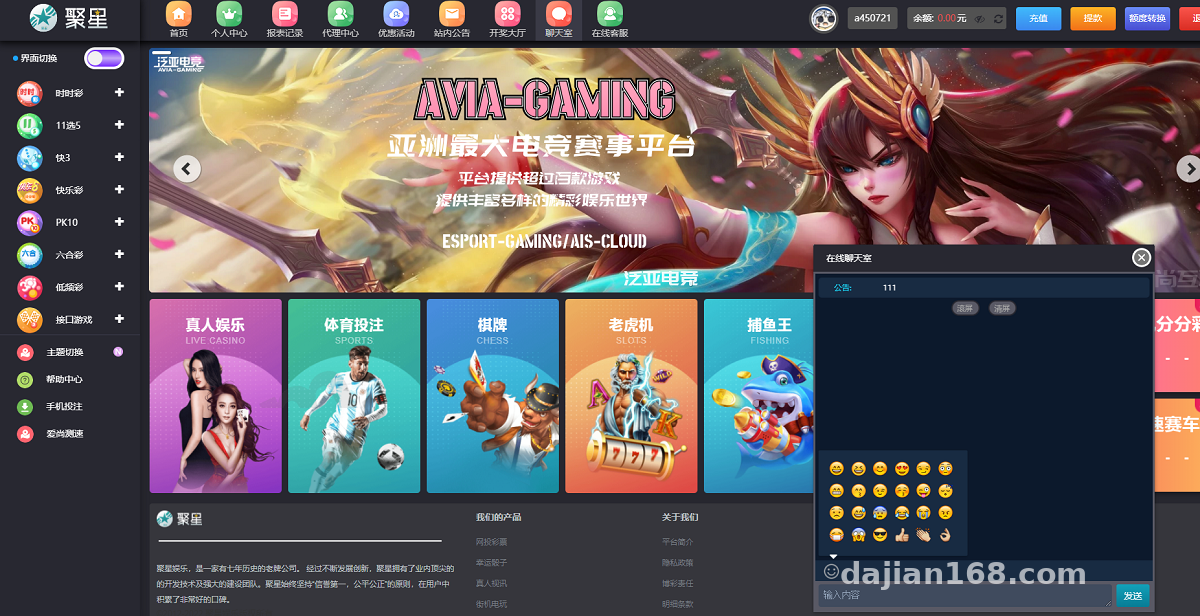
This system provides multiple game engine interfaces, including live video streams and fishing-style H5 games. During deployment, you need to register merchant accounts on the corresponding platforms, then fill the AppID and SecretKey into the backend config file. I tested two interfaces in practice: WebSocket connections stayed stable with latency under 50ms, and video streams pushed without any stuttering.

Key advantage: No pre-deposit requirement is the most practical feature of this system. Demo accounts can directly access all functional modules, eliminating the complexity of capital flow integration. This makes it particularly suitable for quickly building probability algorithm validation environments or educational demonstration platforms.
Deployment Key Points & Pitfalls
Environment Requirements
Server configuration should start at 2 cores with 4GB RAM. The system runs on LNMP stack with PHP 7.2 or higher and MySQL 5.7+. Redis is mandatory because random number generation and result caching both depend on queues. During my first deployment I forgot to enable the Redis extension, which caused the probability calculation module to keep throwing errors. Only found out after checking the logs.
Interface Configuration
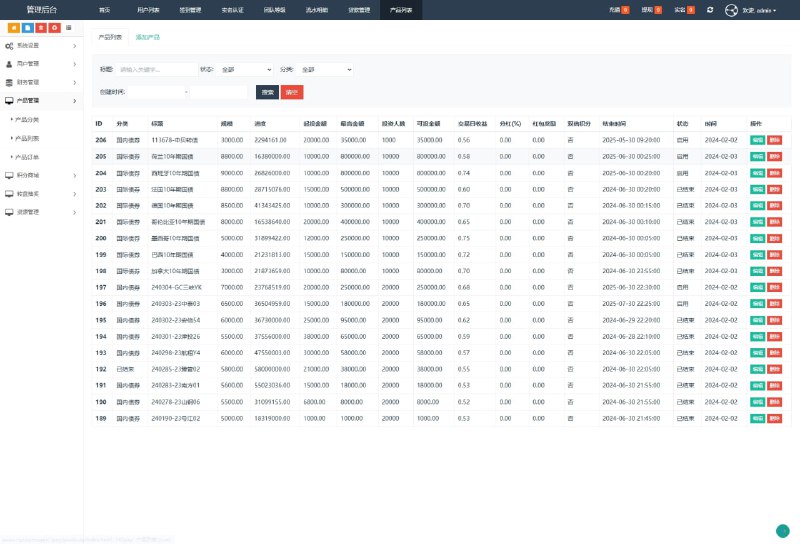
The backend has a dedicated interface management panel where each third-party platform requires separate configuration. Make sure to set callback URLs to HTTPS, otherwise some payment channels will reject requests. If you enter the wrong secret key, the system returns signature verification failure. In that case, just regenerate the key on the third-party platform.

Database Optimization
After importing the original SQL file, remember to add indexes to the result log table, especially on user_id and create_time fields. After running a week of test data I noticed queries slowing down. Adding composite indexes boosted speed by 3x. Also configure cron jobs properly since the system clears expired temporary demo data every hour.
Target Users & Application Scenarios
This system suits probability algorithm research, data analysis education, or demonstrating random number generation logic to clients. Because it’s not tied to deposits, it can also be used for API stress testing to simulate random number requests under high concurrency. The game engine interfaces are ready-made, so if you need technical validation for H5 mini-games, you can use them directly.
Frequently Asked Questions
Q: Do interface games require separate licensing?
A: Yes. The system itself only provides the integration framework. For live video and game engines, you need to register merchant accounts on the corresponding platforms. Some charge by transaction volume, others by monthly subscription. It depends on which interface provider you choose.
Q: Can I modify the seed value of the probability algorithm?
A: Yes. In the backend algorithm configuration you can manually set the random seed, and it also supports reading from hardware entropy sources. If you want reproducible tests, fix the seed value. For production environments, use dynamically generated timestamps as seeds.
Q: Will concurrent users cause duplicate results?
A: No. The system uses Redis distributed locks to guarantee uniqueness for each request. I stress-tested 500 concurrent users with no collisions. However, watch the Redis maxclients parameter—the default value may not be enough. Recommend changing it to 10000 or higher.
Summary & Considerations
The entire deployment took about half a day, mostly spent on interface integration and environment configuration. This system’s advantages are comprehensive functional modules and the ability to mix custom algorithms with third-party interfaces, offering good extensibility. If you need probability simulation, algorithm demonstration, or API testing environments, consider this solution. Remember to run through the full workflow on a test server first, and ensure production environments have proper HTTPS and firewall rules configured.
Disclaimer: This article is for technical education and lawful demonstration purposes only. Please comply with local laws and regulations, and do not use for any illegal scenarios.
Disclaimer: This article is for technical education and demonstration only. It is not professional or financial advice. Any real-world deployment must comply with applicable laws and regulations.
#random number algorithm #interface integration #probability simulation #system deployment #backend development
-
 Alipay QR Code Scan
-
 WeChat Scan Pay