Multi-Channel Payment Gateway & Checkout System Setup Log: API Integration and Sandbox Deployment Notes
Multi-Channel Payment Gateway & Checkout System Setup Log: API Integration and Sandbox Deployment Notes
Disclaimer: This article is for technical education and demonstration only. It is not professional or financial advice. Any real-world deployment must comply with applicable laws and regulations.
Last month I helped a friend who runs a cross-border e-commerce business deploy a multi-channel checkout system. The core requirements were aggregated payment collection plus automated reconciliation. The client specifically asked for USDT support (both TRC20 and ERC20 networks), third-party QR code payment channels, and a licensed admin panel where they could customize the UI themselves. Once I got the source code, I spent about three days on secondary development and joint debugging. After everything was running smoothly, I decided to write up these notes — anyone with a similar project can use them as a reference.
What This System Actually Does
Let me start with the real test results — no fluff here.
Checkout Counter and Order Flow
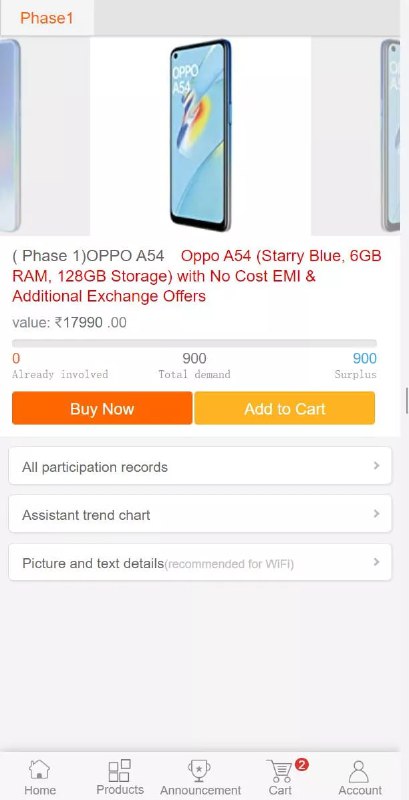
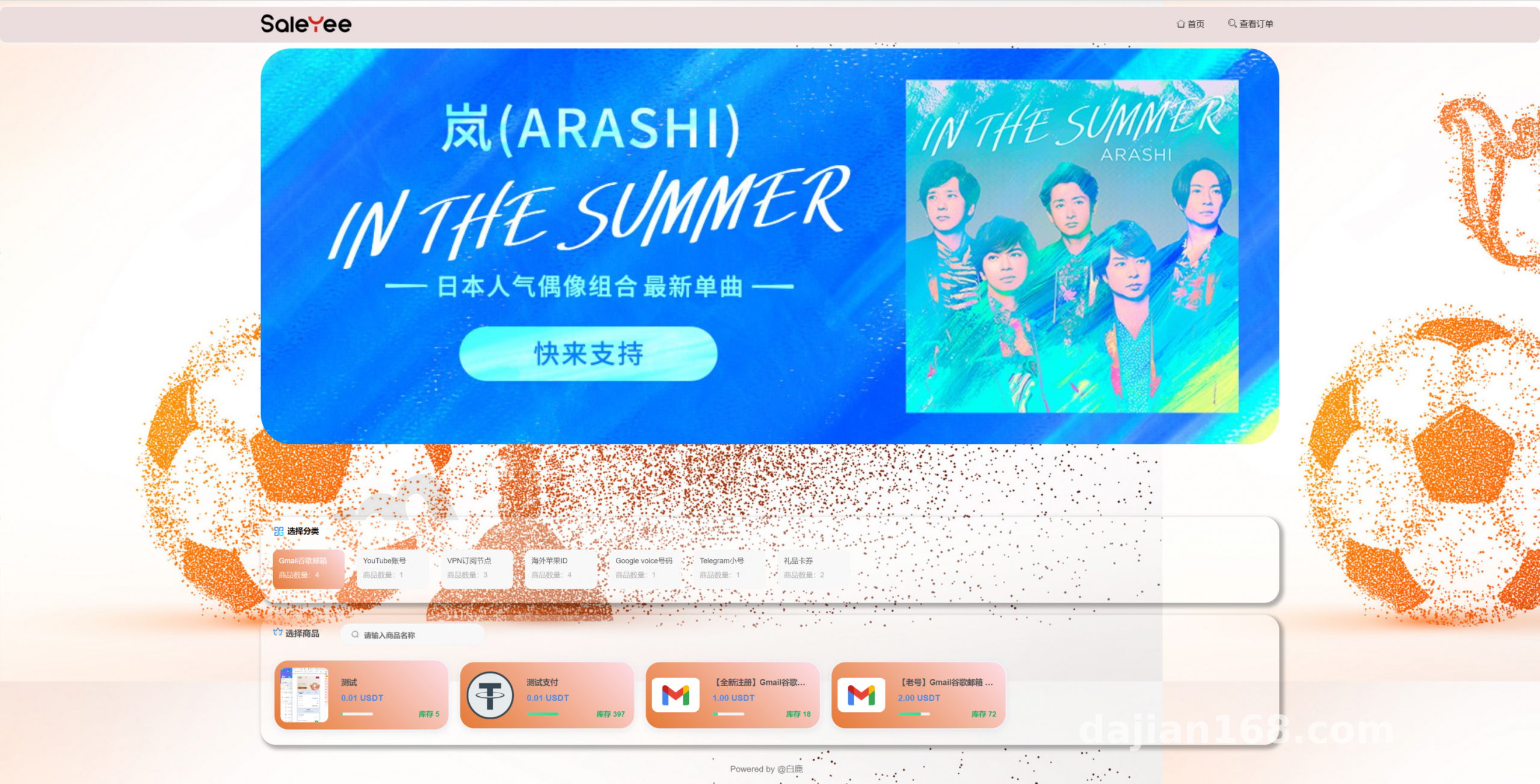
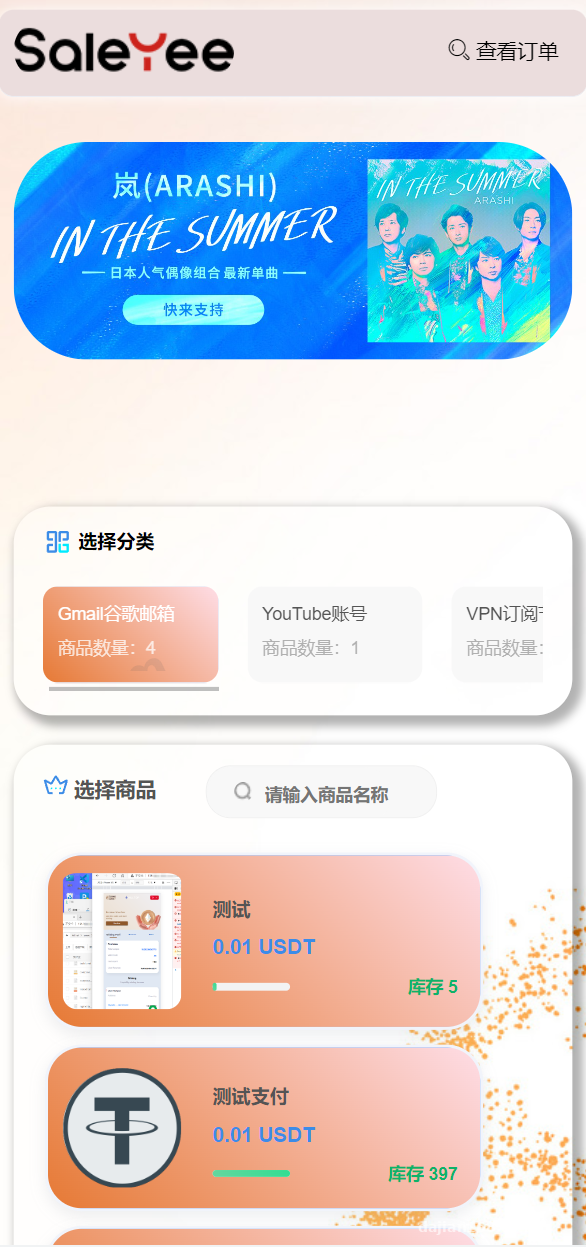
The frontend is a standard card-style checkout counter: after a user places an order, the system generates a payment address or QR code, and the amount is automatically converted based on the exchange rate. It supports both fixed-amount and floating-amount modes. The order state machine is quite well built — pending payment, confirmed, expired, and refunded all have their own callback trigger points, so you can simply hook up a webhook when integrating with your own business system.
USDT API Integration Details
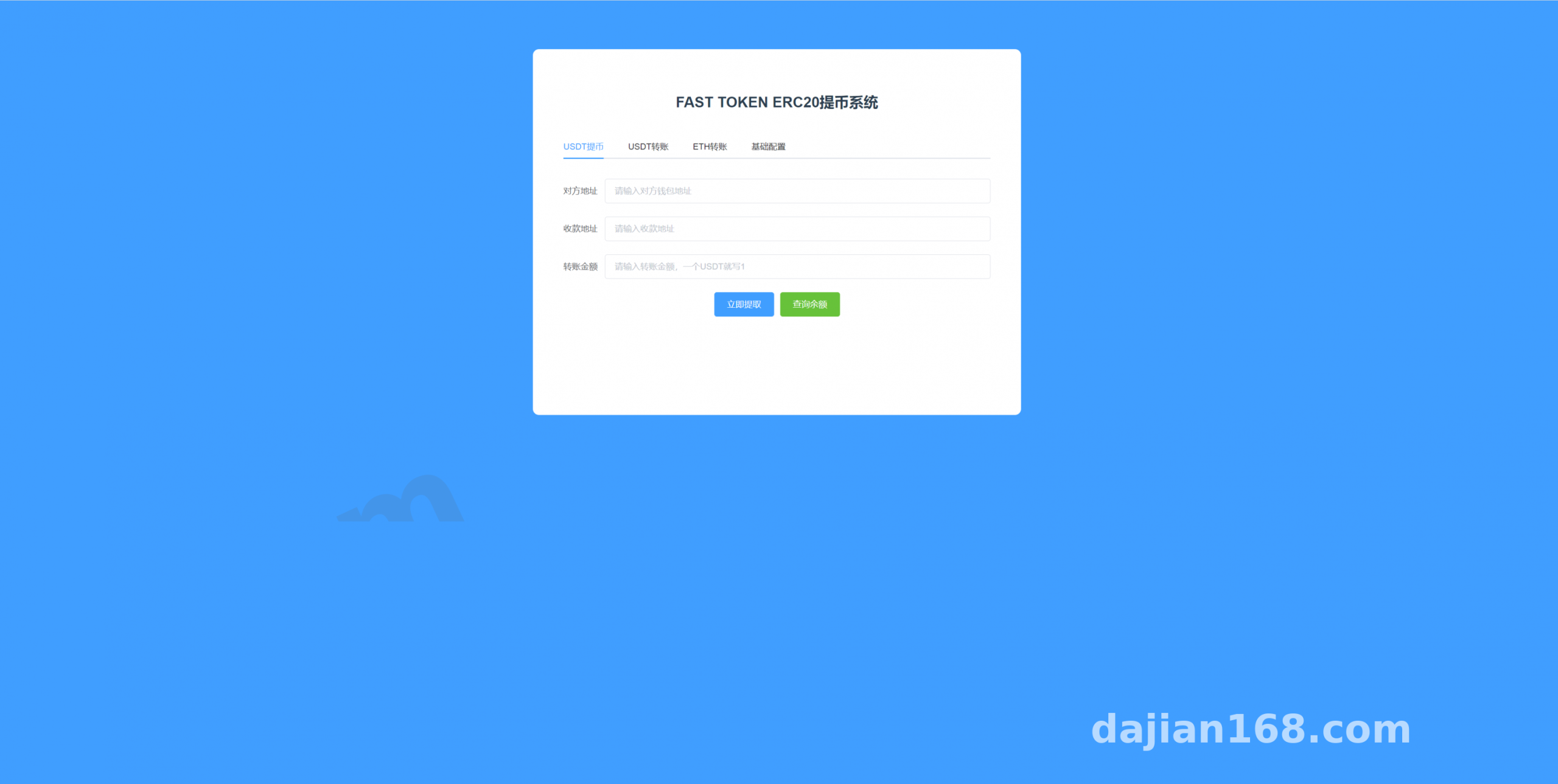
This is the important part. The system has built-in monitoring logic for both the TRON and Ethereum chains, using a double safeguard of polling plus node confirmation. Confirmation counts are configurable: for TRC20, 12 or more confirmations are recommended, and in my real-world tests funds arrived in about 30 seconds at current block speeds. Callback signature verification uses HMAC-SHA256, with the key configured separately in the admin panel. Remember to sync it every time you migrate servers, or every single callback will fail verification — that was the first pitfall I ran into.
Notification Bot
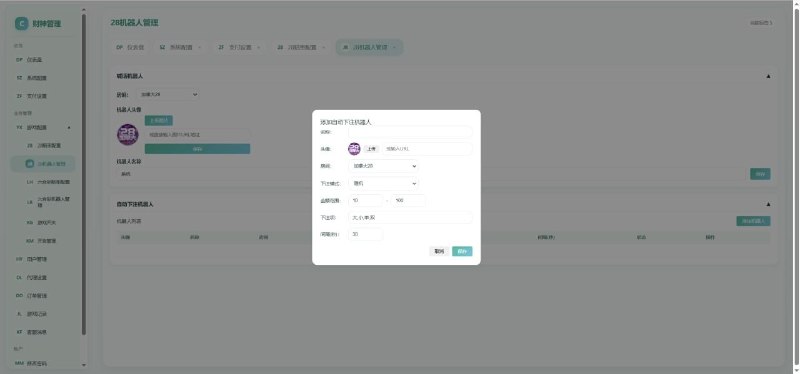
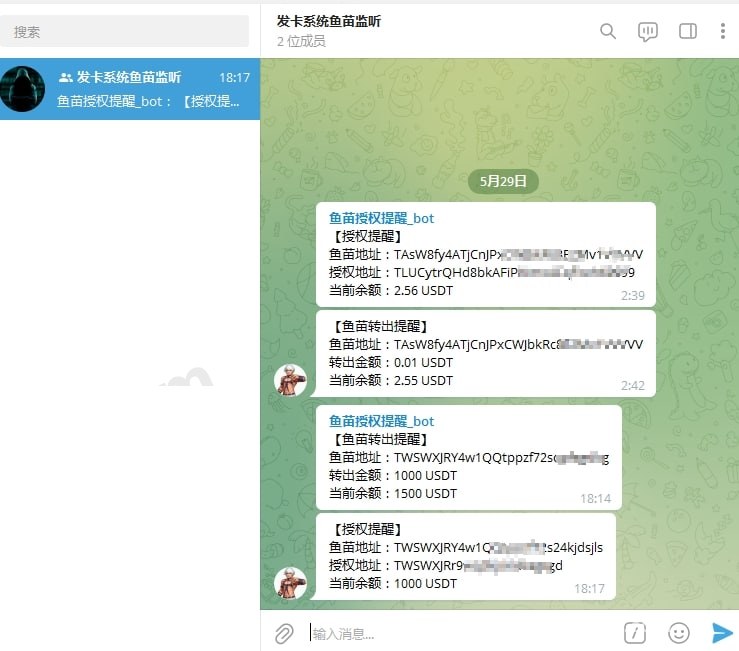
Three event types are wired into the Telegram bot: authorization notifications, incoming payment notifications, and outgoing transfer notifications. You just drop the group ID into the admin panel and it works. The client’s team of several people shared one test server, and transaction alerts pushed to the group in real time — no need to stare at backend logs. Pretty convenient.
Deployment Process and Pitfall Notes
The environment is simple: CentOS 7.9 + Nginx 1.22 + PHP 8.0 + MySQL 5.7. Here are the spots where things tend to go sideways.
Environment Configuration
The source code uses the ThinkPHP framework, and the rewrite rules must be written correctly or every route returns 404. You need to add try_files $uri $uri/ /index.php?$query_string; to the Nginx config file. I’ve fallen into this pit twice now — you get used to it. PHP needs the redis and swoole extensions (the queue listener depends on them), and I’d recommend locking composer dependency versions, otherwise you’re likely to hit compatibility errors under PHP 8.
Database and Queue
When importing the .sql file, make sure the encoding is uniformly utf8mb4, or Chinese characters in log fields will turn into garbled text. The queue worker is kept alive by supervisor, which restarts it automatically if it disconnects — in my testing it ran for a full week without the process ever dropping.
Security Hardening
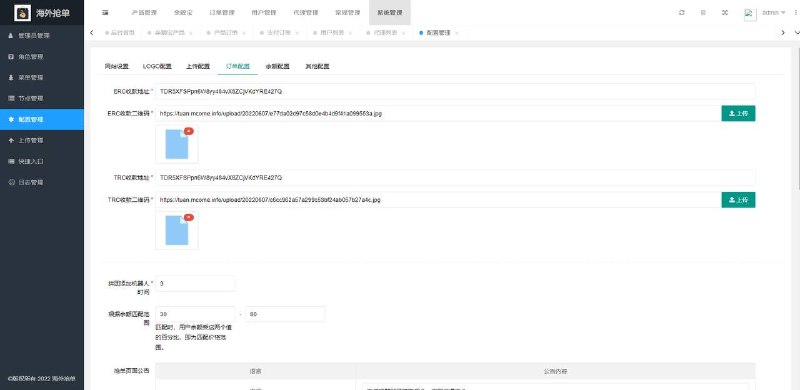
Change the admin panel’s default path and add an IP whitelist. Put the API signature keys and the Telegram bot token in environment variables — never hardcode them into the source. This is common sense, but a lot of people get lazy about it.
Highlight: the most practical feature of this system is sandbox mode — you can simulate the complete payment callback flow without any real on-chain transactions. Joint debugging efficiency in the test environment literally doubles. Before going live, make sure you walk through every state branch at least once.
Secondary Development and UI Customization Experience
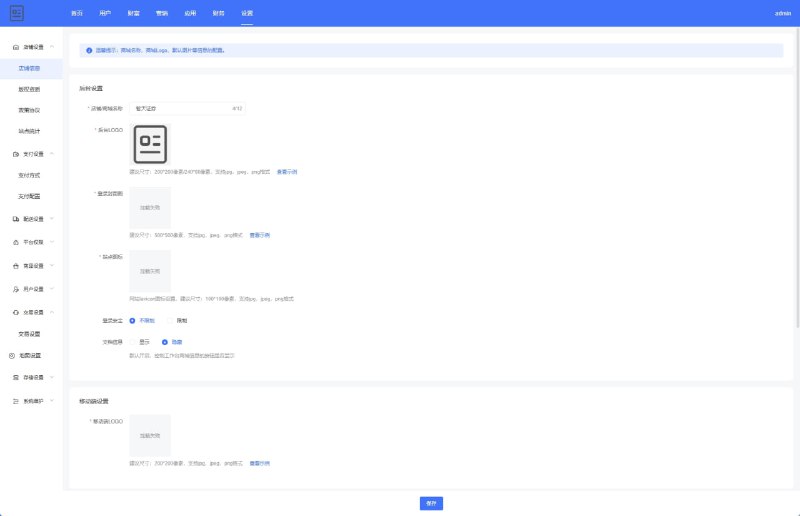
The client wanted the frontend restyled to match their own brand. The source code’s frontend-backend separation is decent, and the admin template uses AdminLTE, so changing colors and layouts is mostly a matter of swapping CSS variables. The logo, background, and copy on the payment page can all be edited visually in the configuration center — no code changes needed. I extracted the entire theme into skin files, so the client can switch themes themselves going forward.
The admin permission system follows an RBAC model, granular down to the button level. Finance, operations, and customer service each got their own role — they see their own data and are fully isolated from each other.
Who This Is For
It suits technical teams with legitimate payment collection needs who want to aggregate multiple APIs, or developers who want to study payment gateway architecture as a learning project. Beginners should get the sandbox flow running locally first before thinking about deploying to a server.
FAQ
Q: Which chains are supported for USDT collection?
A: TRC20 and ERC20 are built in. BEP20 requires modifying the monitoring configuration, but the source structure allows for extension.
Q: What if confirmations are slow?
A: First check the node height and confirmation count configuration, then check whether the queue worker is running. Most of the time it’s the supervisor process having dropped — a restart fixes it.
Q: Why do callbacks keep failing signature verification?
A: 99% of the time it’s a key mismatch. Check whether the key configured in the admin panel matches the one used by the initiating party, and clear the cache after changing it.
Q: Can I connect it to my own business system?
A: Yes. The open API documentation covers three core endpoints: create order, query order, and callback push, with signature examples included.
Final Thoughts
The whole deployment took three days, and most of that time went into debugging callbacks and customizing the UI. The source code has clear logic and good extensibility, making it a solid choice as a payment gateway demo and learning project. One reminder: after deploying any system, you should comply with all applicable laws and regulations and prohibit any unlawful use — payment collection operations must be carried out within the scope of proper compliance qualifications. This article is for technical education only.
Disclaimer: This article is for technical education and demonstration only. It is not professional or financial advice. Any real-world deployment must comply with applicable laws and regulations.
#payment gateway #USDT integration #checkout system #deployment notes #source code setup
-
 Alipay QR Code Scan
-
 WeChat Scan Pay