Cross Border E Commerce System Source Code: Overseas Multi Language Mall Custom Development Full Solution
Cross Border E Commerce System Source Code: Overseas Multi Language Mall Custom Development Full Solution
In the second half of 2023 a client from Shenzhen found me. He had three stores shut down on Amazon and wanted to switch to an independent site for overseas e commerce. He had previously asked an outsourcing company for a quote of one hundred eighty thousand with a six-month timeline. What they delivered was a defective product where the backend could not even export orders. Later our own team used this multi language mall system as the base and launched his cross border platform in just three months. The biggest advantage of this source code is its clear architecture and low secondary development threshold, making it ideal for projects with customization needs but limited budgets.
1. System Features
This is not a template site. It is an e commerce mid-end with complete business logic. The core features include:
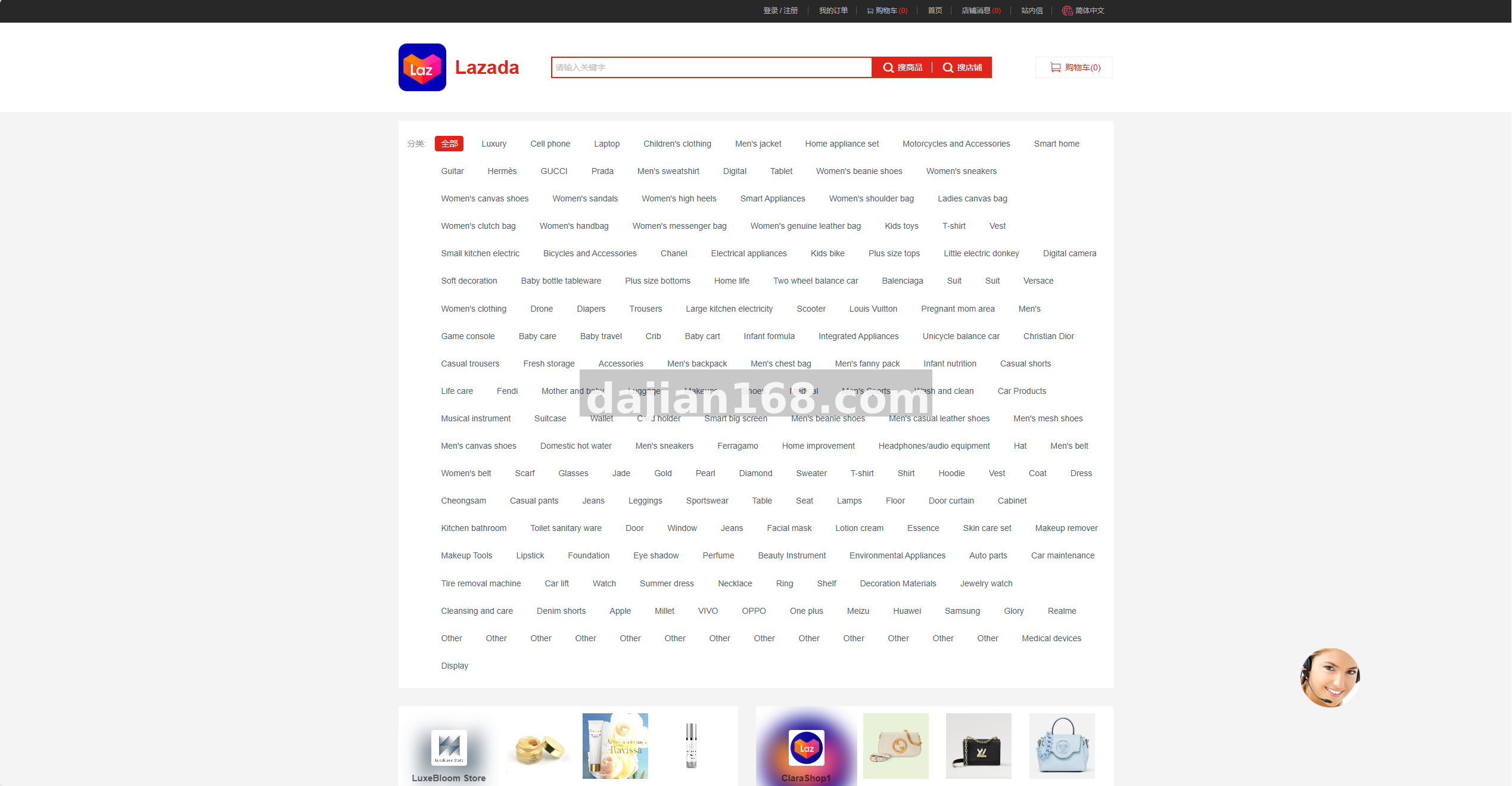
- Multi Language Frontend Support: Currently built in with six languages: Chinese, English, Japanese, Korean, Russian, and Arabic. The backend switches with one click. Language packs use JSON configuration, and adding a new language only requires translating one file.
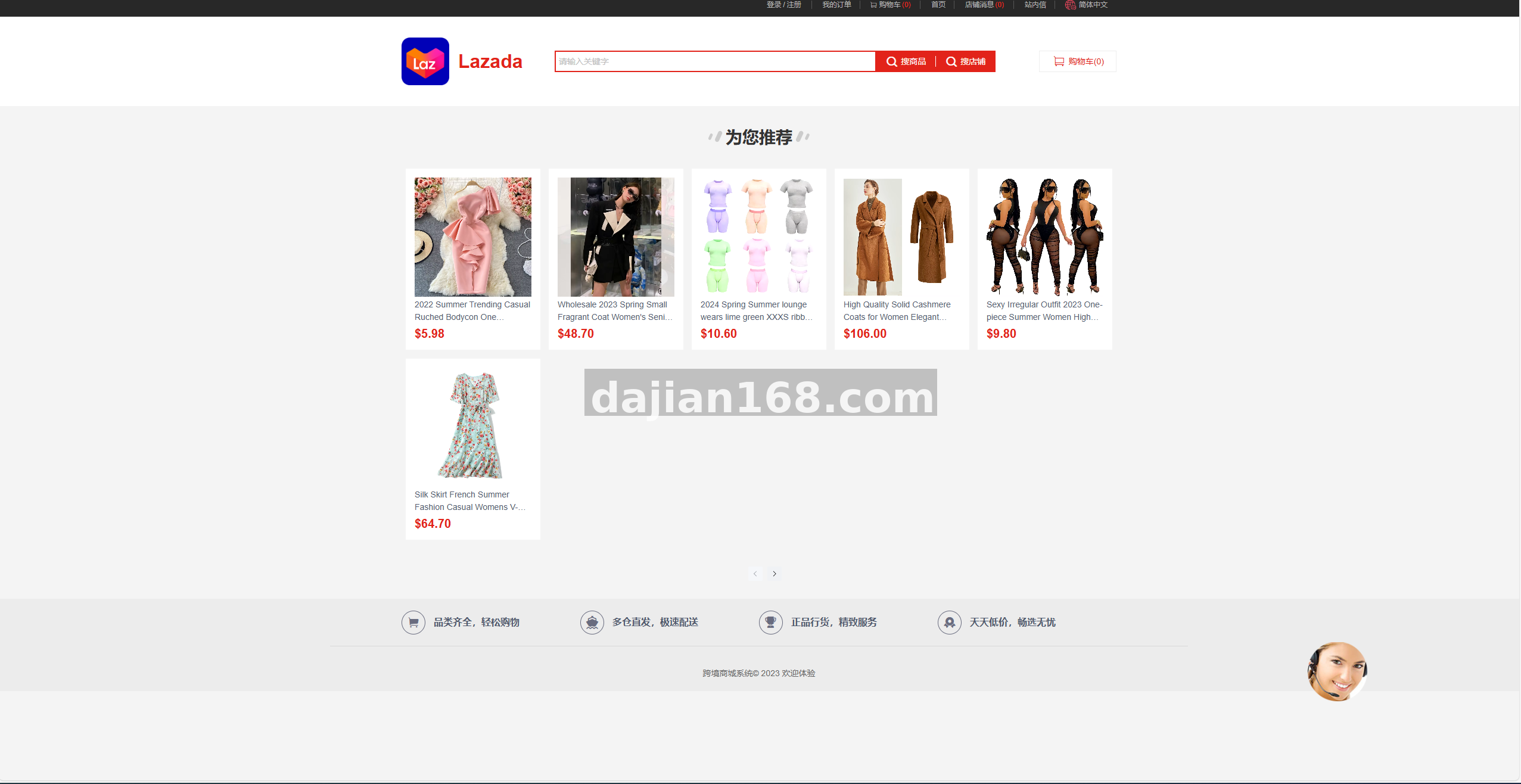
- Product and SKU Management: Supports multi-spec products, batch listing and delisting, inventory alerts, and pricing strategies (member price, limited time discount, full reduction activity).
- Order Full Life Cycle: From placing an order, payment, picking, shipping, to signing for receipt, every stage has status flow and automatic notification.
- Payment Gateway Integration: Already connected to PayPal, Stripe, and Payoneer. Slots are reserved for Southeast Asia local payment methods (GCash, DANA, PromptPay).
- Logistics Tracking System: Connected to DHL, FedEx, and UPS official APIs. Tracking numbers auto-return and trajectories display in real time on the user side.
- Marketing Toolbox: Five play modes: coupons, points mall, distribution commission, group buying, and flash sales. The backend can configure activity rules and time windows.
- Data Dashboard: Five core indicators visualized in real time: GMV, average order value, conversion rate, repurchase rate, and traffic sources.
2. Setup Preparation and Notes
An independent site does not run just by buying a domain. First build the infrastructure:
- Server: For overseas business prioritize Hong Kong or Singapore nodes for low latency and no filing. If you have many European and American users, add a CDN.
- Domain: I recommend .com or .shop suffix. Enable Whois privacy protection to avoid having operator identity scraped by bots.
- SSL: You must use a wildcard certificate. Managing single-domain certificates is very annoying when you have many subdomains.
- Environment: PHP 7.4+, MySQL 5.7+, Redis 6.0+ (caching plus queue), Elasticsearch 7.x (product search).
- Payment Account: Apply for a PayPal business account and Stripe account in advance. The review cycle is about seven to fourteen working days.
- Business Qualifications: Some countries require a VAT number or EIN. Prepare these in advance to avoid payment channels being blocked.
- Logistics Contract: In the early stage you can use third-party warehousing and fulfillment such as ShipBob or 4PX, without building your own warehouse.
Key Tip: For multi language sites I recommend a sub-directory URL structure (/en/, /jp/) because it concentrates SEO weight better than subdomains. Hreflang tags must be correctly marked, otherwise Google will treat different language pages as duplicate content and downgrade them.
3. Common Issues and Pitfall Records
3.1 Low Payment Success Rate
PayPal has very strict risk control on new domains. The success rate in the first two weeks may be only thirty percent. The fix is to first run through the entire flow in PayPal sandbox mode, then switch to the production environment. Stripe requires verifying the Webhook signature. Never write the secret key into front end JavaScript.
3.2 Poor Multi Language SEO Indexing
Many people convert the whole site with a translation plugin in one click. The resulting Japanese and Arabic end up full of machine translation tone, with user bounce rates above eighty percent. The correct approach is to have native speakers manually proofread core pages (home, categories, product details), and use machine translation as a fallback only for auxiliary pages.
3.3 Exchange Rate Fluctuation Causing Losses
If you price in US dollars but settle in Chinese yuan, a one percent daily fluctuation can cause significant losses during high-volume promotional periods. I recommend enabling automatic exchange rate sync in the backend (connecting to Open Exchange Rates or XE), updating once per day on a schedule.
3.4 Slow Image Loading
Overseas users accessing images from a domestic server often get stuck on the first screen. The solution: convert all images to WebP format, enable brotli compression in Nginx, and use Cloudflare or Alibaba Cloud international CDN for global acceleration.
4. Customization and Extension Plans
The scalability of this system is the best I have seen at this price point. Common customization directions are as follows:
- B2B Wholesale Mode: Add tiered pricing logic where unit price drops as purchase volume rises. Support MOQ (minimum order quantity) settings.
- Subscription E Commerce: Modify the order module to support automatic monthly or quarterly deductions, with member renewal handled through Stripe Subscription.
- Live Stream Commerce: Connect to TikTok Live or Shopee Live APIs. Products in the live room can jump to the independent site for one-click ordering.
- POD Customization: Connect to Printful or SPOD APIs. After users upload their images, orders are automatically sent to overseas factories for production and shipping.
- ERP Integration: Slots are reserved for Wangdiantong, Mabang, and Dianxiaomi interface specifications. Inventory and orders can sync bidirectionally.
5. FAQ
Q1: How many concurrent orders can this system support?
A: On a single machine with four cores and 8G RAM, with MySQL read-write separation and Redis session caching, it can handle about two thousand concurrency. For big promotions like Black Friday, I recommend moving to a K8s cluster and sharding the database.
Q2: Does it include a mobile App?
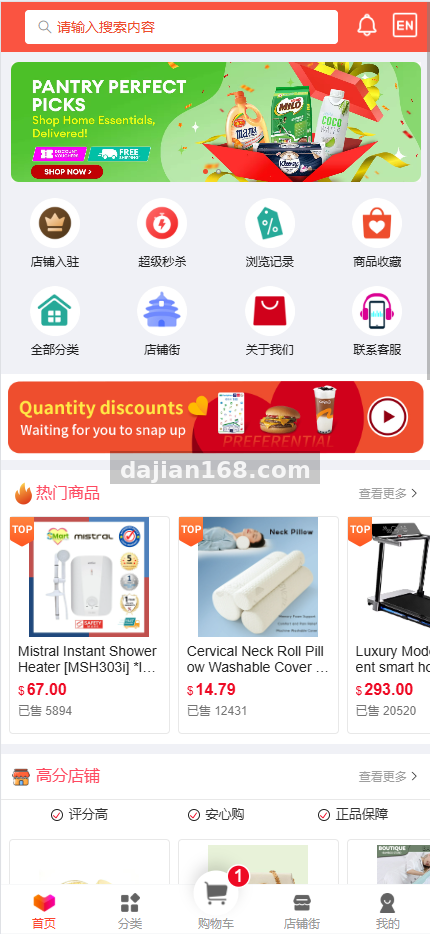
A: The source package includes an H5 adaptive frontend that can be directly wrapped into an App using Cordova or Capacitor. If you need a native experience, I recommend rewriting with Flutter while fully reusing the API layer.
Q3: What is the source code licensing model?
A: Fully open source with no licensing restrictions. The core framework uses the MIT license, so commercial use carries no risk. However, third-party plugins such as some payment SDKs require you to confirm their own licensing terms.
⚠️ Important Notice: Cross border e commerce involves multiple legal areas including tax compliance, intellectual property, and customs declaration. Please consult professional legal counsel before building. Some countries prohibit selling specific categories such as e-cigarettes and pharmaceuticals. Be sure to confirm the entry policies of your target market.
#Cross Border E Commerce #Overseas Mall Source #Multi Language Store Setup #E Commerce Custom Development #Mall System Modification
-
 Alipay QR Code Scan
-
 WeChat Scan Pay