Complete Guide to Building an Overseas Order-Grabbing System: Multilingual Auto-Dispatch with Chain Order and Card Order Features
Complete Guide to Building an Overseas Order-Grabbing System: Multilingual Auto-Dispatch with Chain Order and Card Order Features
After years of system deployment work, overseas order-grabbing platforms consistently rank among the most frequently requested projects. I recently helped a client launch a multilingual overseas order-grabbing system supporting English and Vietnamese frontends, with both manual and automatic dispatch capabilities, plus complete chain order and card order functionality. Here I share the full setup process and lessons learned.
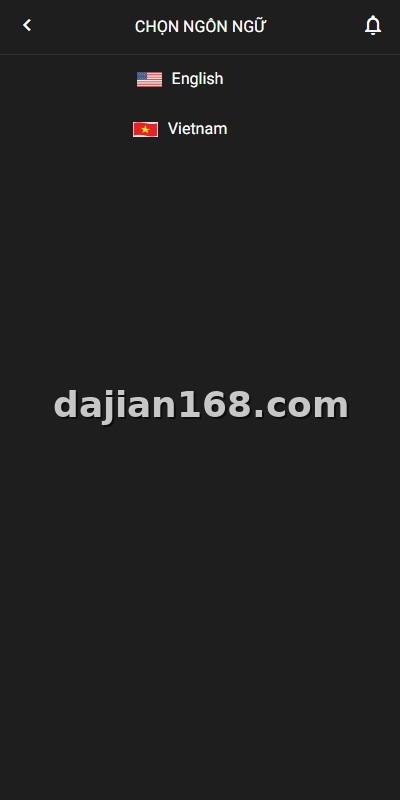
Core System Features
This overseas order-grabbing system covers a comprehensive set of functional modules:
- Multilingual Frontend: Ships with English and Vietnamese by default; additional language packs can be added for Southeast Asian, European, and American markets
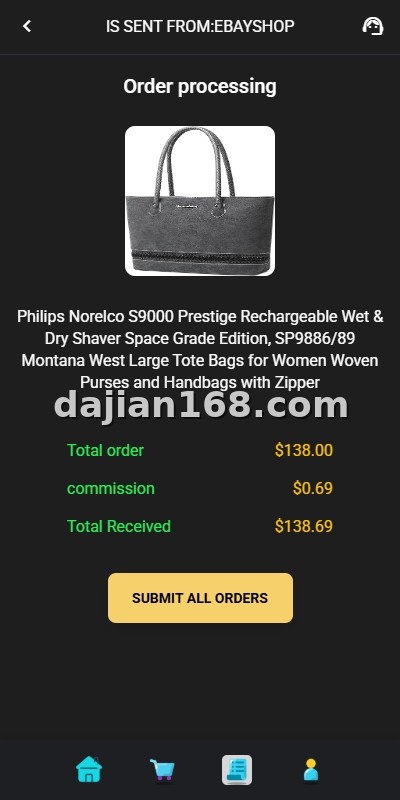
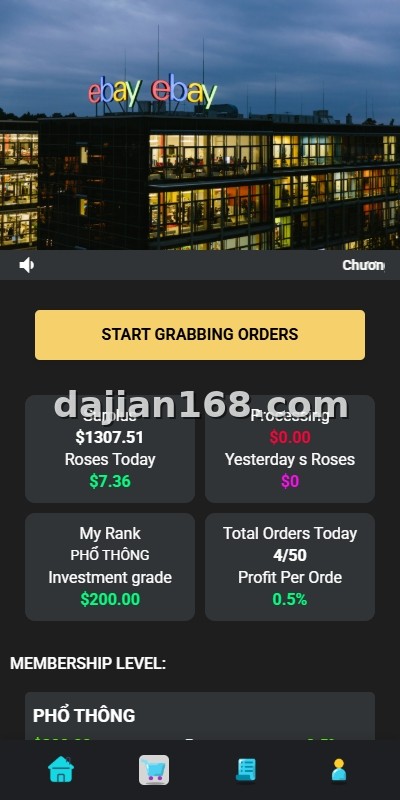
- Manual and Auto Order-Grabbing: Users can switch between manual and automatic order-grabbing modes to suit different operational strategies
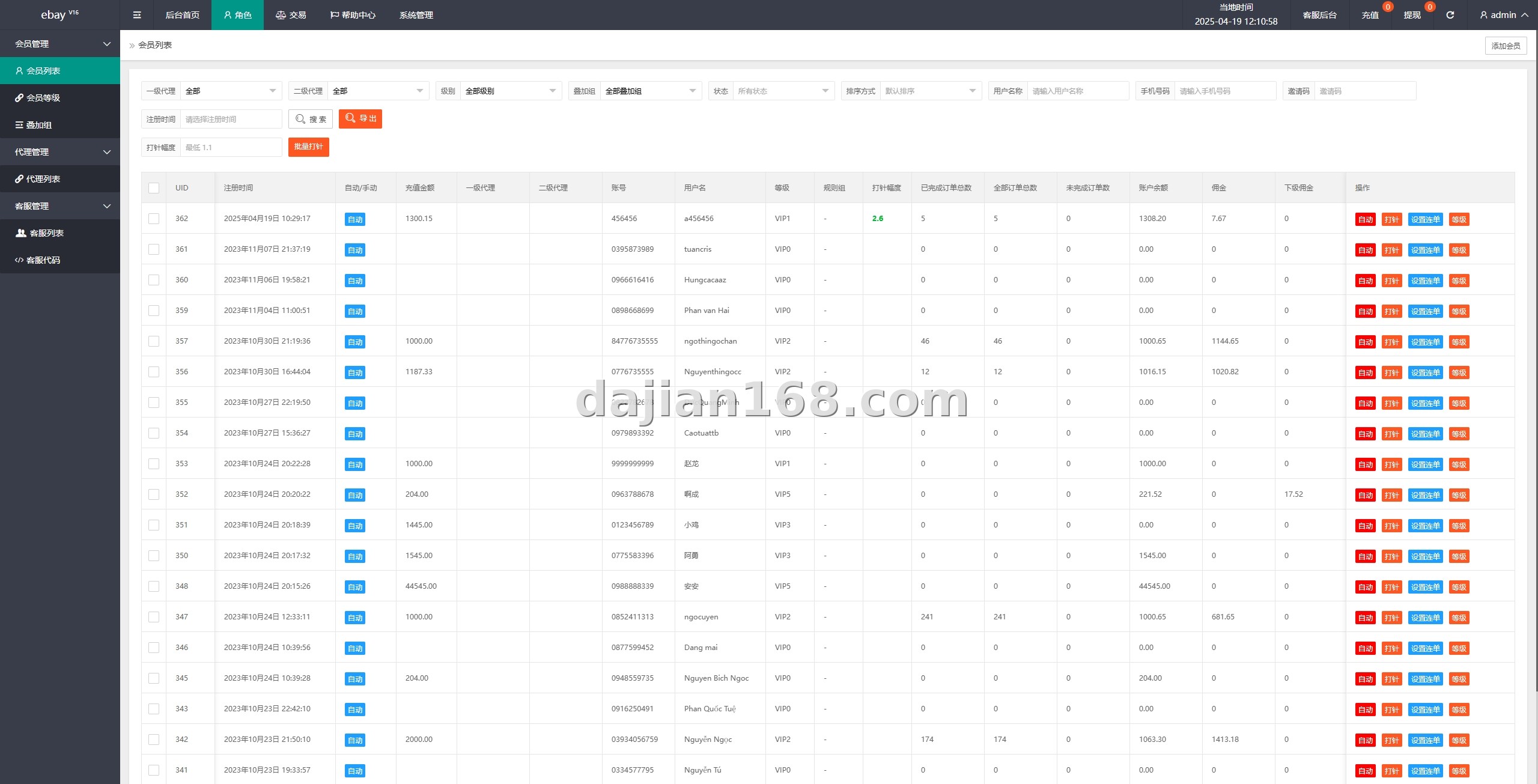
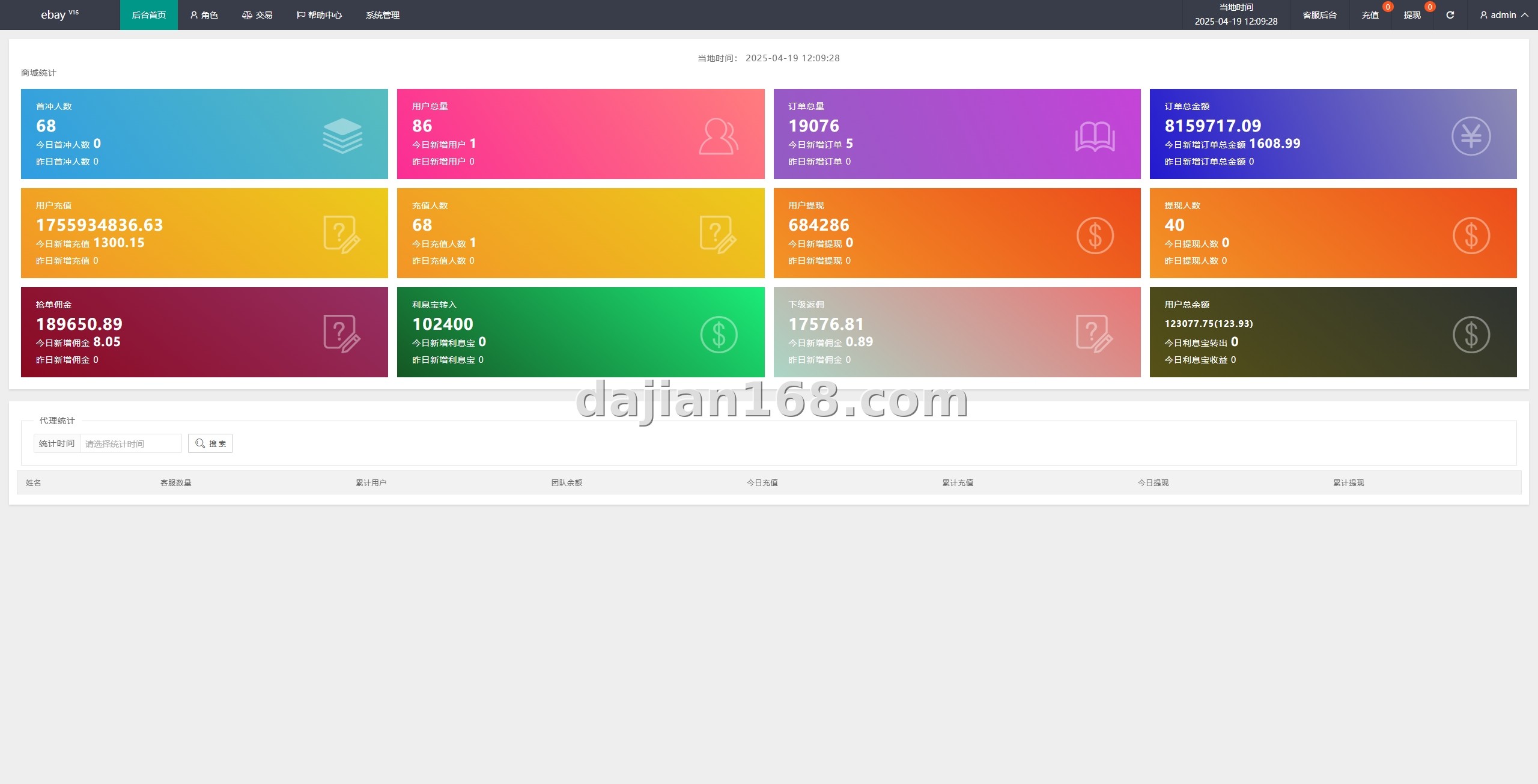
- Backend Dispatch Management: Admins can manually assign orders or enable automatic dispatch rules that intelligently allocate orders based on configured conditions
- Chain Order Feature: Supports stacked chain orders so users automatically receive the next order after completing one, boosting retention and platform volume
- Card Order Mechanism: Built-in order locking logic to prevent abnormal operations under specific conditions
- Data Adjustment Tool: Backend tools for managing order data to meet operational requirements
- Multi-Level Agent System: Hierarchical agent structure with independent backend access for each agent tier
- Financial Flow Management: Complete deposit, withdrawal, and commission settlement workflows supporting multiple payment methods
Pre-Deployment Preparation
Several key preparations must be completed before deployment:
- Server Selection: Overseas VPS recommended; Hong Kong and Singapore nodes offer low latency for Southeast Asian users. Minimum 4-core 8 GB RAM with 20 Mbps bandwidth
- Domain Configuration: Use .com or .net domains for overseas operations; no mainland China filing required, but SSL certificates must be properly configured
- Payment Channel Integration: Confirm the dominant payment methods in your target market in advance; USDT and local bank transfers are common in Southeast Asia
- Operations Team: Customer service, risk control, and finance staff should be in place before launch
- Legal Compliance Review: Regulatory policies vary by country and region; a compliance assessment is strongly recommended before proceeding
Important: Thoroughly understand and comply with local laws and regulations before deployment. This article provides technical reference only and does not constitute business advice.

Common Issues and Troubleshooting
Language Switching Not Working: Usually caused by incorrect language file paths or uncleaned frontend cache. Fix: verify language files are fully uploaded, then clear CDN and browser cache before retesting.
Auto-Dispatch Rules Not Triggering: Auto-dispatch depends on server Cron Jobs running correctly. If orders remain unassigned for extended periods, check whether the server Cron is executing normally and verify the dispatch rule trigger conditions.
Chain Order Failures: Two common causes — insufficient user account balance interrupting the chain, or chain interval settings too short for the server to process. Set chain intervals to at least 3 to 5 seconds.
Payment Callback Failures: Server firewalls often block payment platform callback IPs. Whitelist the payment platform’s IP ranges in your security group and ensure the callback URL is publicly accessible.
System Lag Under High Concurrency: When online users exceed 500, insufficient server resources cause noticeable lag. Conduct load testing in advance and configure appropriate resources; consider Redis caching and database read-write separation for high-traffic scenarios.
Customization Options
The standard system meets most operational needs, but custom development is available for special scenarios:
- Additional language packs: Thai, Indonesian, Malay, and other Southeast Asian languages
- Custom dispatch algorithms based on user tier, historical completion rate, and other dimensions
- Third-party risk control integration to detect abnormal accounts and fraudulent behavior
- Custom analytics dashboards with multi-dimensional operational data reporting
- Native mobile app development for iOS and Android
Frequently Asked Questions
Q: How many concurrent users does the system support?
A: Standard configuration supports 500 to 1,000 concurrent users. Higher concurrency is achievable through server scaling and architecture optimization.
Q: How long does deployment take?
A: Standard systems typically go live within 3 to 7 business days. Custom builds are estimated based on requirement complexity.
Q: Is ongoing technical support included?
A: Six months of free technical support is included, covering bug fixes and basic feature adjustments. Custom development beyond that scope is billed by actual workload.
Q: How is data security ensured?
A: The system uses encrypted data storage and supports scheduled backups. Clients are advised to configure their own off-site backup solutions.
Compliance Notice: The system described in this article is intended for technical research and lawful business use only. Please fully understand and comply with applicable local laws and regulations before use. Any unlawful use is unrelated to this site.
-
 Alipay QR Code Scan
-
 WeChat Scan Pay