Building a Micro Futures Trading System: K-Line Charts and Agent Dashboard
Building a Micro Futures Trading System: K-Line Charts and Agent Dashboard
In the second half of last year, I took on a futures micro-trading platform project. The client required smooth K-line charts and a complete risk control backend. After two months of work, it was finally delivered. Here is what I learned.
1. Core System Features
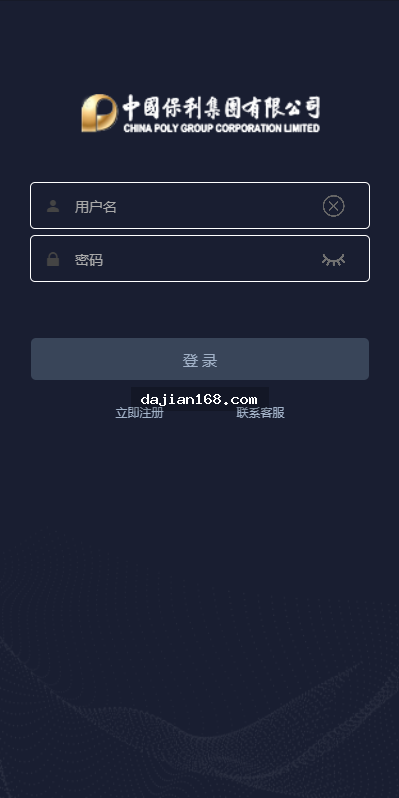
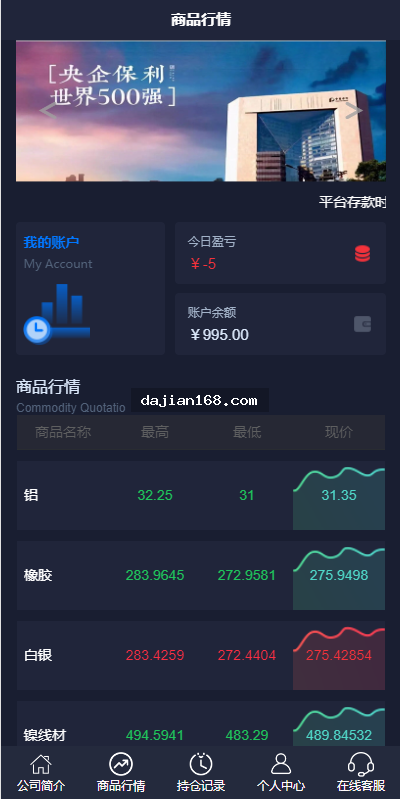
- Real-Time K-Line Charts: Connected to international futures data sources. Front-end uses TradingView or custom chart components supporting 1-minute to daily intervals.
- One-Click Trading: Users select a product, set amount and direction, and place orders instantly with second-level confirmation.
- Per-User Risk Control: Backend can set position limits, loss limits, and trading time restrictions for individual users.
- Agent Commission System: Multi-level agent model with configurable commission ratios per level and automatic settlement.
- Fund Flow Management: All transactions including deposits, withdrawals, profits, and commissions are logged with export support.
2. Pre-Deployment Checklist
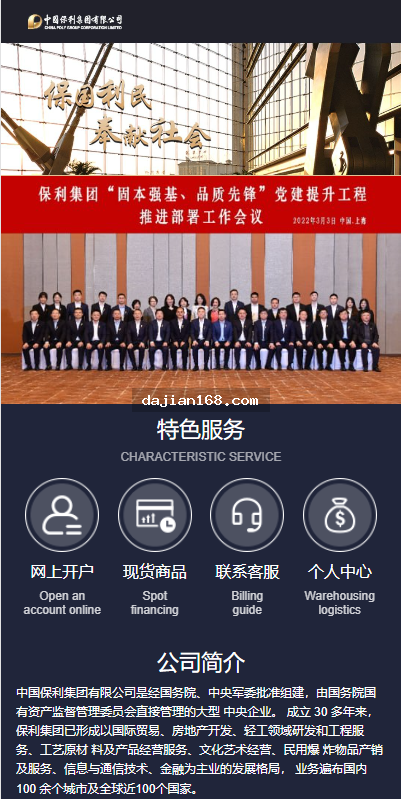
- Server: 4 cores, 8GB RAM minimum, 10M+ bandwidth, low latency
- Data Source: Futures market data API (e.g., Interactive Brokers, Futu), pay per usage
- Payment Channels: At least two of USDT, third-party payment, or bank transfer
- SSL certificate and domain ICP registration (for China operations)
- Risk control parameter table planned in advance
- Customer service system for deposit and withdrawal issues
3. Pitfalls We Encountered
3.1 K-Line Data Delay
Polling for K-line data had too much latency. Switching to WebSocket push reduced delay from 3 seconds to under 200ms.
3.2 Order Failures Under High Load
Database lock contention during peak activity caused failed orders. Using Redis as an order queue with async processing solved it.
3.3 Risk Control Bypass
Some users bypassed limits with multiple accounts. Adding device fingerprinting and IP correlation detection helped identify linked accounts.
4. Customization Options
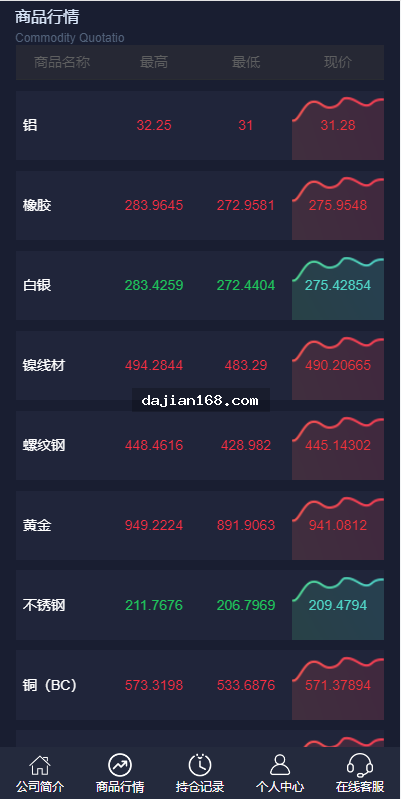
- More trading products: stock indices, forex, crypto contracts
- Copy trading: let users follow expert traders
- Demo mode: let beginners practice with virtual funds
- Native mobile apps for iOS and Android
Compliance Note: Financial trading platforms carry high risk. Operate within legal frameworks, apply for necessary licenses, and provide investor education.
5. FAQ
Q1: How much do data feeds cost?
A: Depending on the provider, data API fees range from hundreds to thousands of USD per month. Free feeds work for early stages.
Q2: How many concurrent users can it handle?
A: The current architecture handles 5,000 concurrent users on 4C8G. For larger scale, consider microservices and message queues.
Q3: How is agent commission designed?
A: Supports up to 3 levels with configurable ratios per level. Commissions settle T+1 with auto-distribution.
#Micro Trading System #Futures Trading Platform #Agent Dashboard #Risk Control #Trading Platform
-
 Alipay QR Code Scan
-
 WeChat Scan Pay