Douyin “Suixin Tuan” Rebrands to “Douyin Jisong”: What It Means for Local Delivery-Style Mall Systems
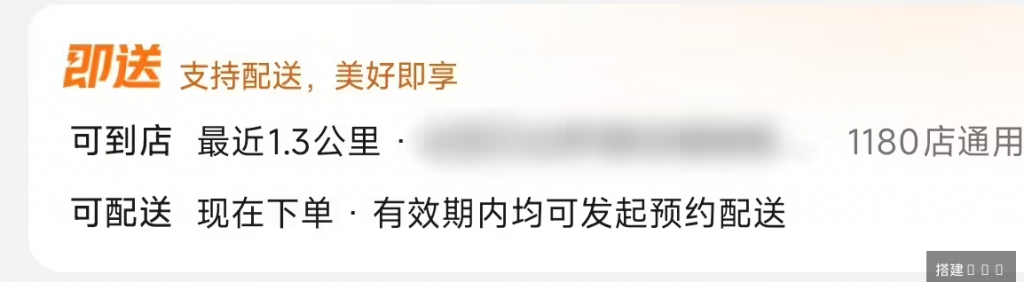
Douyin’s lifestyle service arm just renamed its “Suixin Tuan” group-buying feature to “Douyin Jisong,” shifting the focus toward higher-quality dine-in meals that can also be delivered to your door. This move signals a broader trend in the local services market: platforms are no longer satisfied with pure group-buying vouchers, they want a hybrid model that lets customers choose points simulationween in-store redemption and home delivery from the same package deal.
For developers, agencies, and small business owners tracking this shift, it’s a good moment to look at building or customizing a similar mall system yourself. On dajian168, our MallSystem source code library includes several projects modeled on this exact “dine-in plus delivery” logic — perfect if you’re planning a source code download for a local group-buying or takeout-style platform.
Core Features of the Delivery-Enabled Group-Buying Mall Source Code
The system we’re highlighting here mirrors the practical structure behind Douyin Jisong’s business logic, giving merchants flexibility while keeping the user experience simple.
Dual redemption mode: customers can pick “verify at store” or “deliver to home” for the same group-buying package, exactly like the model that drove Suixin Tuan’s original design.
Merchant invitation & qualification control: built-in admin panel supports directional invites, so platform operators can onboard only verified, high-quality dine-in restaurants — reducing quality complaints common in generic delivery apps.
Delivery dispatch module: integrates with third-party riders or self-built delivery teams, with real-time order tracking and status sync back to the storefront.
Group-buying package engine: supports combo pricing, limited-time deals, and coupon stacking, all manageable from a lightweight backend without heavy coding.
Multi-terminal compatibility: works across WeChat mini-program, H5, and native app shells, so the same MallSystem source code can serve multiple client channels at once.
Deployment Environment
This source code download package is built on a standard PHP + MySQL stack, compatible with Nginx or Apache. Recommended environment: PHP 7.4 or above, MySQL 5.7+, and at least 2GB RAM for small to mid-sized deployments. Redis caching is optional but recommended once order volume grows past a few thousand daily transactions.
Most agencies deploy it on a standard cloud VPS (Alibaba Cloud, Tencent Cloud, or similar), and initial setup usually takes under an hour if you’re already familiar with LAMP/LNMP environments. SSL is required for mini-program integration, so make sure your domain has a valid certificate before going live.
Typical Use Cases
This kind of system fits local platforms that want to replicate the “verify in-store or get it delivered” flexibility — think regional food delivery startups, community group-buying operators, or franchise restaurant chains building their own ordering channel instead of relying entirely on Douyin or Meituan.
It’s also a solid base for developers doing custom projects: rather than building a MallSystem from scratch, starting from this source code download saves weeks of backend work, letting you focus on UI branding and regional payment integrations instead.
A Few Notes Before You Deploy
Always test the delivery dispatch module with your actual rider network before launch — default settings assume a basic API structure that may need adjustment for local courier services. Also double check tax and invoice settings if you’re deploying in regions with different group-buying regulations than mainland China.
As always, source code downloaded from dajian168 comes as-is for learning and secondary development; production deployment should include your own security review, especially around payment gateway keys and admin authentication.
Original Reference
Original excerpt:
Original screenshots: