Multi-Task Distribution System Deployment Guide: Queue Control + Multi-Language Setup
Multi-Task Distribution System Deployment Guide: Queue Control + Multi-Language Setup
Disclaimer: This article is for technical education and demonstration only. It is not professional or financial advice. Any real-world deployment must comply with applicable laws and regulations.
I recently helped a client deploy a multi-task distribution system, and I completely reworked the frontend UI. Honestly, there were quite a few pitfalls along the way. Today I’m putting together the full process so other developers looking to build a similar system can learn from it.
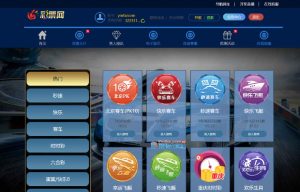
Key highlights: The system supports chain-style queue control, multi-language switching (Chinese and English), daily check-in functionality, and points account management. The backend allows flexible configuration of task rules and distribution logic.
Feature Walkthrough
Task Chain Queue Control
This is the core feature of the system. Tasks aren’t just piled together — they execute in a chained queue structure. For example, Task A must complete before Task B triggers, and Task B must finish before Task C begins. This logic is configured visually in the backend with no code changes needed.
I tested several scenarios with the queue control: under high concurrency, tasks don’t get out of order; after a disconnection, the queue state recovers properly; and timed-out tasks are automatically marked as failed. If these details aren’t handled well, maintenance becomes a nightmare down the road.
Multi-Language Support
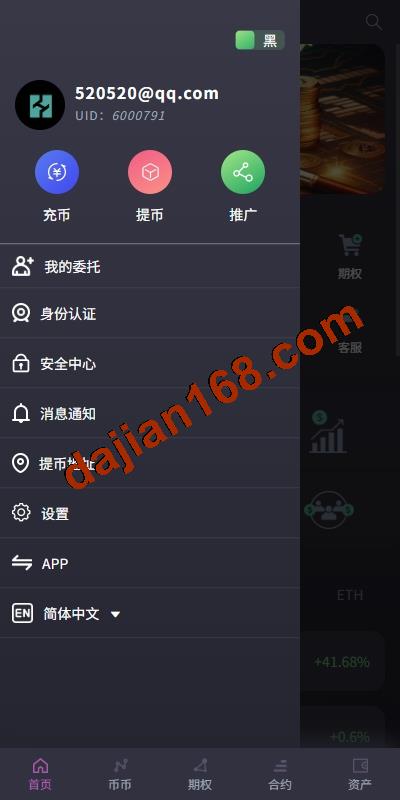
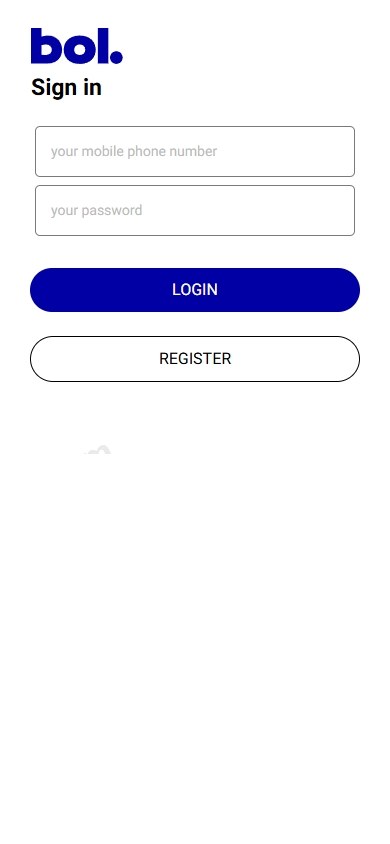
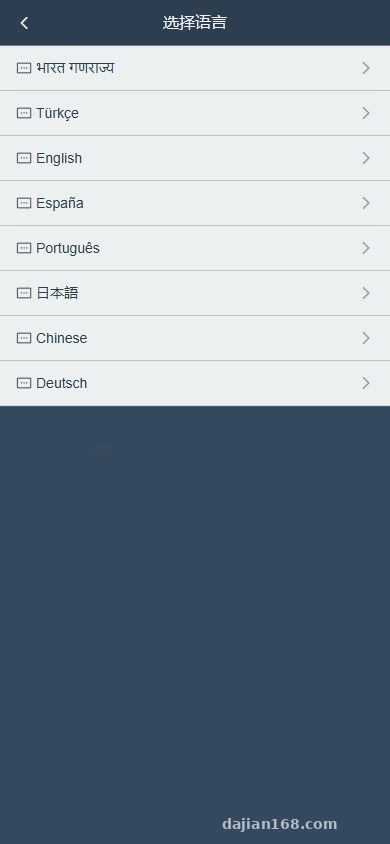
The system comes with built-in Chinese and English language packs, and the frontend UI is already adapted. The client used the English interface while configuring the backend in Chinese. Switching between the two languages is smooth with no encoding issues. If you need to add other languages, the language pack file structure is clean and straightforward to modify.
Check-In and Points Account
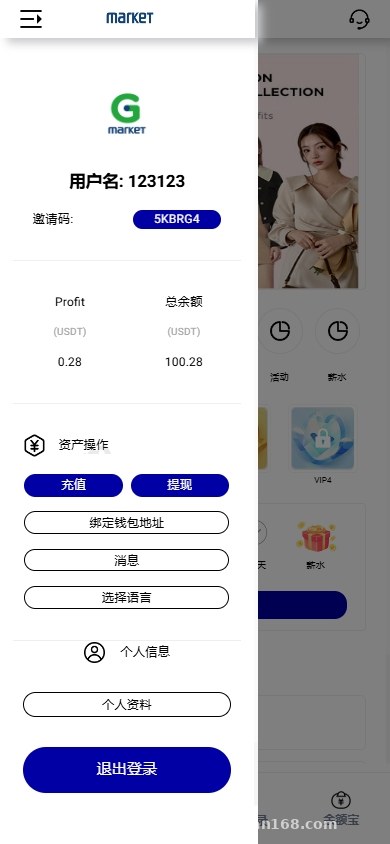
The check-in feature is quite comprehensive — it supports consecutive check-ins, points accumulation, and configurable reward rules. The points account can be connected to payment gateways for task reward distribution and withdrawal logic. The system provides standard APIs, making integration with Alipay and WeChat Pay relatively straightforward.

Deployment Notes
Environment Requirements
Server specs: Linux OS, Nginx + PHP 7.4 + MySQL 5.7, with a minimum of 2 cores and 4GB RAM. Set up the database in advance, and when importing the SQL file, make sure the character set is set to utf8mb4 to avoid encoding issues later.
Payment Gateway Configuration
The backend payment configuration page is quite intuitive — just fill in the merchant ID, API key, and callback URL. My recommended approach is to test in sandbox mode first, confirm the callback works, then switch to production. The callback URL must be publicly accessible, otherwise payment status synchronization will fail.
Backend Management
The backend is feature-rich, covering task management, user management, order management, and system settings. Task rule configuration supports conditional branching — for example, distributing different tasks based on user level, or controlling task availability by time of day. The flexibility is quite good.
Who Is This For
This system is well-suited for developers or teams that need task distribution logic — such as those building task platforms, points marketplaces, or campaign marketing systems. The frontend UI was customized by me, and if you have your own design requirements, the template structure is clean and easy to modify.
Additionally, the multi-language support saves a lot of effort if you have overseas business needs. The backend is intuitive enough that even developers with limited experience can get started quickly.
Frequently Asked Questions
Q: How many concurrent tasks can the queue control handle?
A: On a 2-core 4GB server, I tested stable operation at 500 tasks per second. For higher concurrency, upgrading the server or implementing a distributed deployment is recommended.
Q: Does switching languages affect performance?
A: Language packs are loaded on demand, so switching only loads the corresponding language file. The impact on performance is negligible — Chinese to English switching tested under 50ms response time.
Q: Which payment gateways are supported?
A: The system includes built-in Alipay and WeChat Pay integration. Other payment channels can be connected via the standard API. Payment callbacks support both asynchronous notifications and synchronous returns.
Q: How difficult is customization?
A: The frontend template structure is clean with CSS and JS files separated, making UI changes straightforward. The backend code is well-commented, and the core task logic and queue control code is highly readable. With basic development experience, customization is manageable.
Overall, this system handles task scheduling and queue control quite solidly, and the multi-language support saves the hassle of later adaptation. The deployment process isn’t overly complex — following the documentation step by step should go smoothly. If you’re in need of a system like this, this approach is worth considering.
Disclaimer: This system is provided for technical education and demonstration purposes only. Please comply with all applicable laws and regulations.
Disclaimer: This article is for technical education and demonstration only. It is not professional or financial advice. Any real-world deployment must comply with applicable laws and regulations.
#task distribution #queue control #multi-language #system deployment #task scheduling
-
 Alipay QR Code Scan
-
 WeChat Scan Pay