Cross-Border E-Commerce Mall System Source Code Setup Guide: Multi-Language, Payment Gateway & Logistics Integration
Cross-Border E-Commerce Mall System Source Code Setup Guide: Multi-Language, Payment Gateway & Logistics Integration
Disclaimer: This article is for technical education and demonstration only. It is not professional or financial advice. Any real-world deployment must comply with applicable laws and regulations.
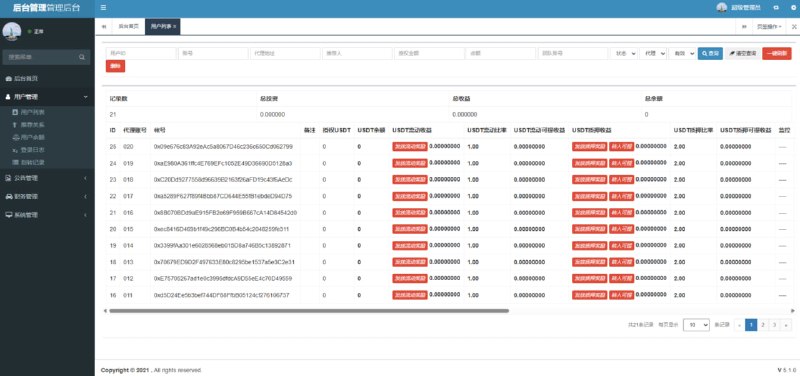
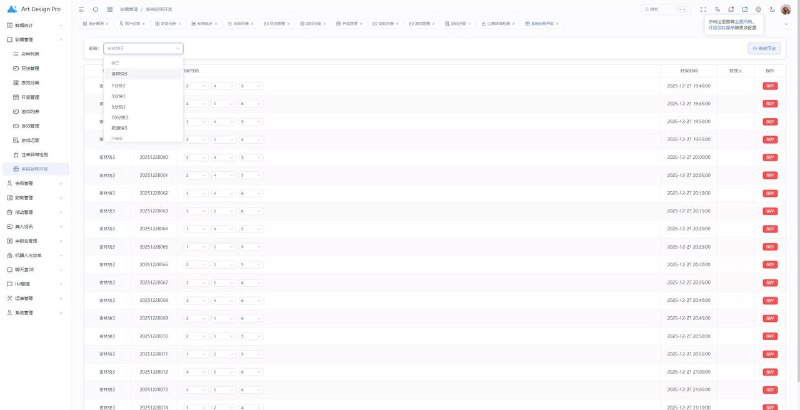
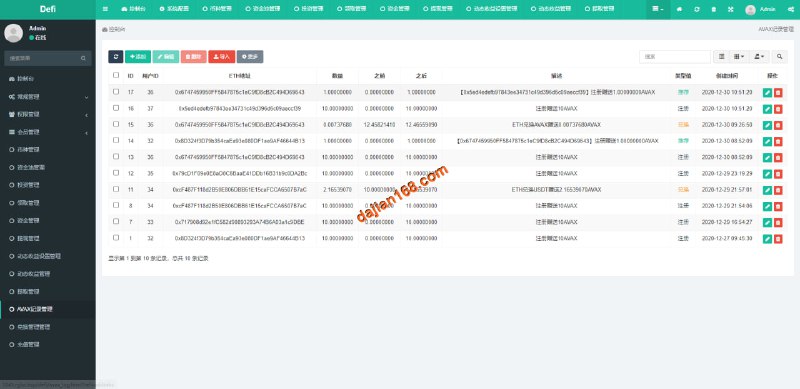
I recently helped a client deploy a cross-border e-commerce mall system from source code. It took about a week of tinkering, and I jotted down every pitfall along the way. The module layout of this system is quite interesting — the admin panel is split into three major business zones: product operations, order settlement, and logistics tracking. Architecturally it’s similar to many SaaS mall platforms, but since it’s delivered as source code, the freedom for secondary development is much higher. Let’s get straight into it.

Hands-On Testing: What the Admin Panel Can Actually Do
Product Operations Zone
The product management module supports a two-level SPU/SKU structure, with customizable attribute combinations — for example, color + size for apparel. The backend also includes a marketing toolkit: flash discounts, spend-and-save offers, coupons, and points-based activities distributed as tasks. I tested the coupon distribution logic, and it supports targeted pushes based on user tags, which is really practical for clients running cross-border community marketing.
Order Settlement Zone
Several mainstream payment gateway options come pre-installed, including international credit card channels and PayPal-style interfaces. The code implements a unified payment gateway abstraction layer, so adding a new channel only requires implementing one adapter class. While testing in the sandbox environment, I noticed the callback signature verification is written quite rigorously, and idempotency handling is in place — duplicate notifications won’t cause duplicate bookkeeping. That’s better than a lot of half-finished source code floating around online.

Logistics Tracking Zone
The logistics module integrates tracking number query APIs and supports pushing shipment status to buyers on a per-order basis. Multi-warehouse logic is included too — the system can automatically match a fulfillment warehouse based on destination. My client mainly sells to Southeast Asia, so I set up two demo warehouses, and the routing rules worked without a hitch.
The Multi-Language Implementation
The internationalization in this system is fairly detailed. Front-end language packs use JSON files, and translations can be edited online in the backend. Four languages are pre-installed: Chinese, English, Japanese, and Korean. The URL structure supports language-based separation, like /en/products/xxx, which is SEO-friendly. I hit one pitfall: the language pack cache didn’t refresh in time, so my translation edits weren’t showing on the front end. It turned out you need to manually clear the language cache in the backend — the docs don’t mention this, so consider that a landmine cleared for you.
Deployment Essentials and Pitfall Log
My environment was Nginx + PHP 8.1 + MySQL 5.7 + Redis, on a server with at least 4 cores and 8GB RAM. A few key points about the deployment process:
1. The installation wizard checks extensions — the fileinfo and redis extensions must be installed, or product image uploads and the queue will break.
2. Use supervisor to keep the queue daemon running. Order timeout closure and logistics status polling both depend on the queue process; if the process dies, order statuses stop updating.
3. Configure scheduled tasks properly — scripts for exchange rate sync and inventory reconciliation all hang off crontab.
4. HTTPS is mandatory — many payment channels require it for callbacks.
Highlight: this source code ships with a multi-merchant onboarding module. Sub-merchants can independently manage their own products and orders, and the platform commission rate is configurable in the backend. If you’re building a cross-border distribution or overseas warehouse drop-shipping model, pay close attention to this part.

Secondary Development Tips
The code follows a standard MVC layered structure, with clean separation between controllers, service layers, and models, and roughly 70% comment coverage. To add a new payment channel, just copy an adapter in the pay directory and modify it. To add a language, drop a JSON file into the lang directory and enable it in the backend. The front end is compiled Vue — if you’re only tweaking styles and copy, editing the compiled output is enough, but for major changes you’ll need the front-end source. Confirm the delivery scope with your vendor up front.
Who This Is For
This source code suits three types of people: sellers who want to build their own independent site for cross-border retail, teams offering overseas warehouse or logistics services who want to bundle a storefront, and technical studios taking on custom foreign trade website projects. If you have zero server experience, I’d suggest practicing on a local virtual machine first before going to production.
FAQ
Q: What’s the minimum server configuration?
A: 2 cores and 4GB RAM will run it, but once your product catalog grows and traffic picks up, start with 4 cores and 8GB. Be sure to reserve dedicated memory for Redis.
Q: How do I handle multi-language SEO without being flagged for duplicate content?
A: Use a separate URL path for each language version, configure hreflang tags properly, and don’t just dump machine translations in. Write titles and descriptions tailored to each region’s conventions.
Q: Do I need to apply for the payment interfaces myself?
A: The source code only provides the integration capability. Merchant accounts and channel credentials need to be applied for with the service providers yourself. You can run the full flow in the sandbox environment first, then switch to production keys.
Q: Can it connect to an overseas warehouse ERP?
A: The logistics module exposes a standard API callback endpoint. Just write a middleware layer to sync inventory and tracking data — the workload is small.
Disclaimer: This article is for technical education only, sharing deployment experience. System usage must comply with applicable laws and regulations, and any unlawful use is prohibited.
Disclaimer: This article is for technical education and demonstration only. It is not professional or financial advice. Any real-world deployment must comply with applicable laws and regulations.
#Cross-Border E-Commerce #Mall Source Code #Multi-Language Website #Payment Gateway Integration #Logistics System
-
 Alipay QR Code Scan
-
 WeChat Scan Pay