BitWell-Style Multilingual Crypto Exchange Source Code: Laravel Build with OTC, Perpetuals, Options and Mining Modules
This is a complete crypto exchange source code package built on Laravel 5 (PHP 7.2, MySQL 5.6, CentOS 7.6 + BT Panel) covering 15 interface languages, with OTC, spot trading, perpetual futures, options, 60-second flash contracts, token subscription, cloud mining, risk control and agent-channel management in one backend. It suits teams who want to study exchange architecture end-to-end or launch a multilingual trading platform for research and demo purposes, downloadable from dajian168.
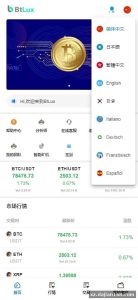
When I deployed this on a clean CentOS 7.6 box, the whole stack came up in about 40 minutes: upload to the server, point the site root at public, enable Laravel 5 rewrite rules, import the SQL dump, and turn on SSL. The 15-language switching works out of the box — English, Chinese, Japanese, Korean, Russian, Spanish and more — all driven from language files in resources/lang, so adding a 16th language is just a matter of translating one array file.
Inside the Trading Engine: 7 Trading Modules and How They Interact
The package ships 7 distinct trading modules, and each one has its own settlement table — understanding this split is the key to reading the code. In testing I found the module map looks like this:
- OTC (C2C) — merchant-published ads, buy/sell matching, appeal flow, and a merchant deposit mechanism in the admin panel.
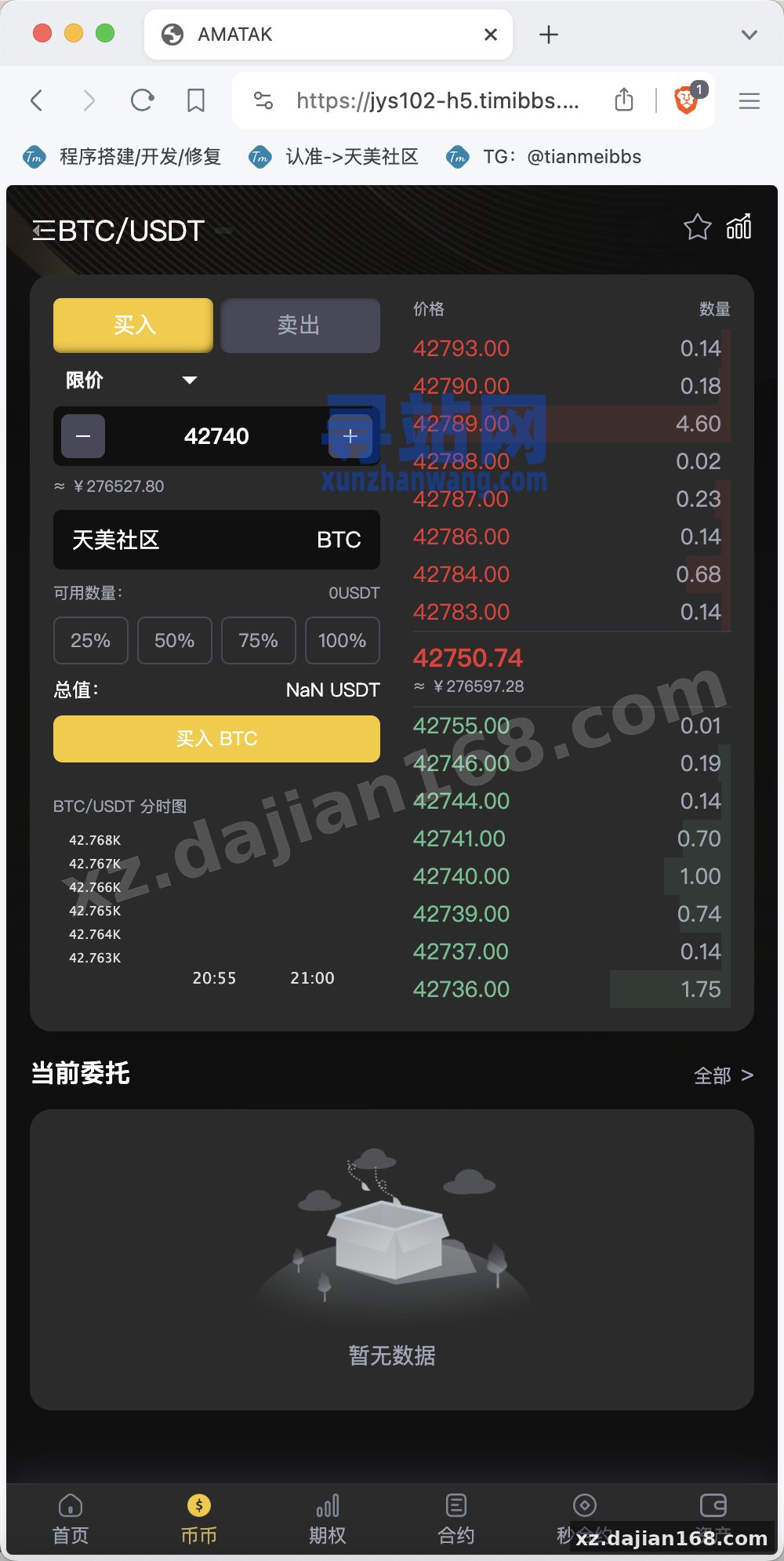
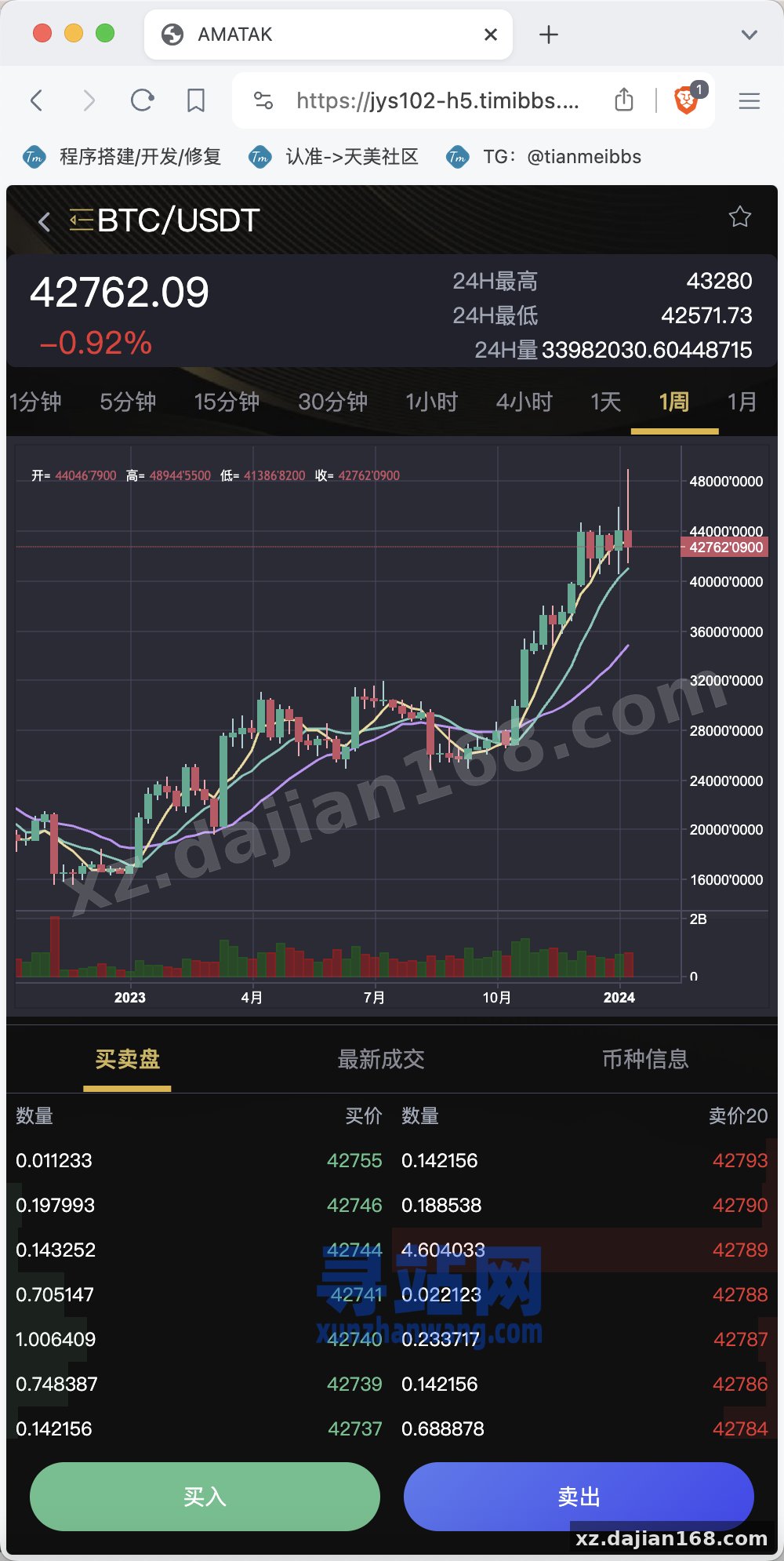
- Spot (coin-to-coin) — order book with limit orders, fee tiers configurable per pair.
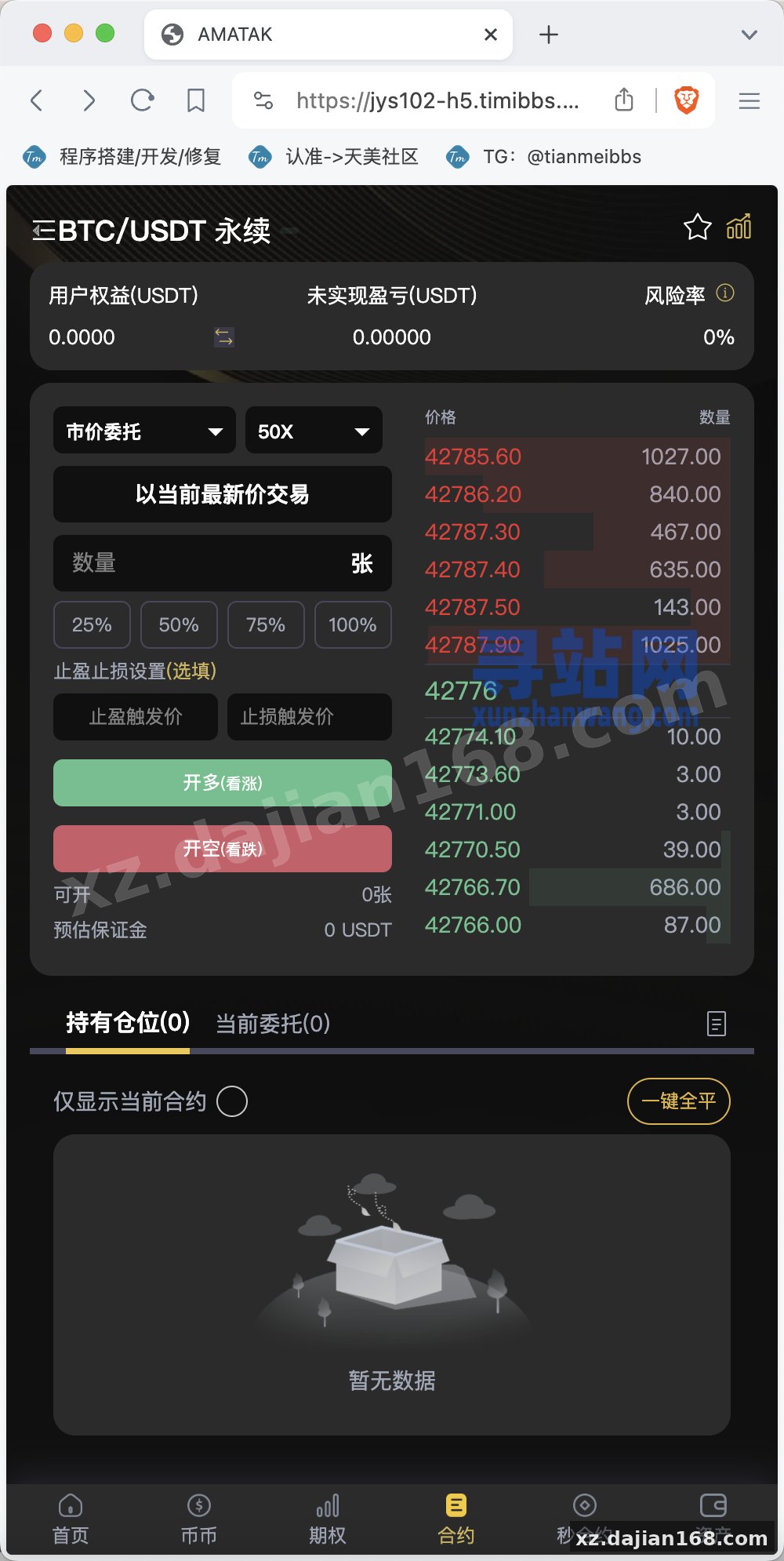
- Perpetual contracts — leverage settings, funding-rate fields, and liquidation logic in a dedicated service class.
- Options — expiry-based call/put settlement, settled by a timed task.
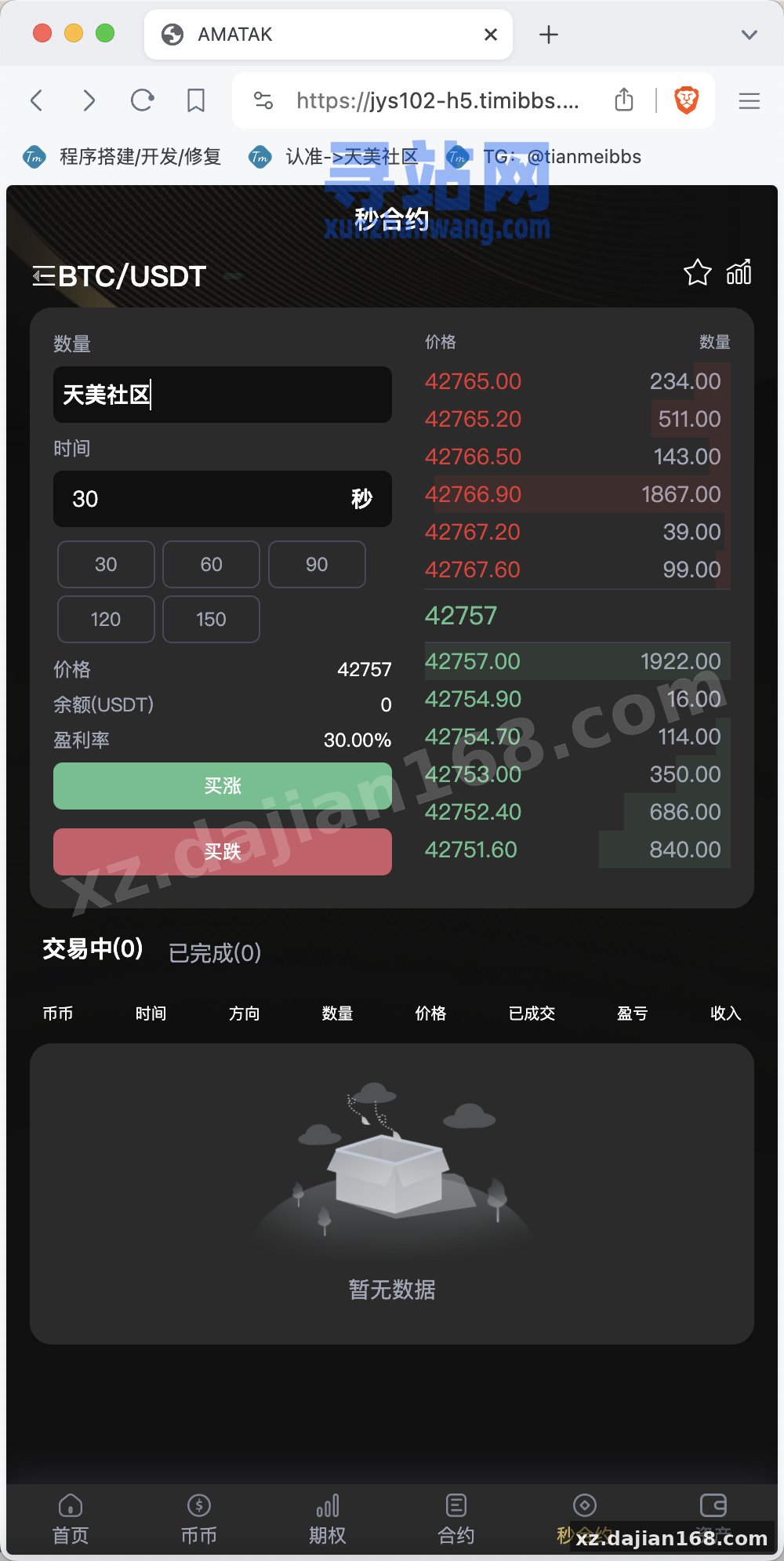
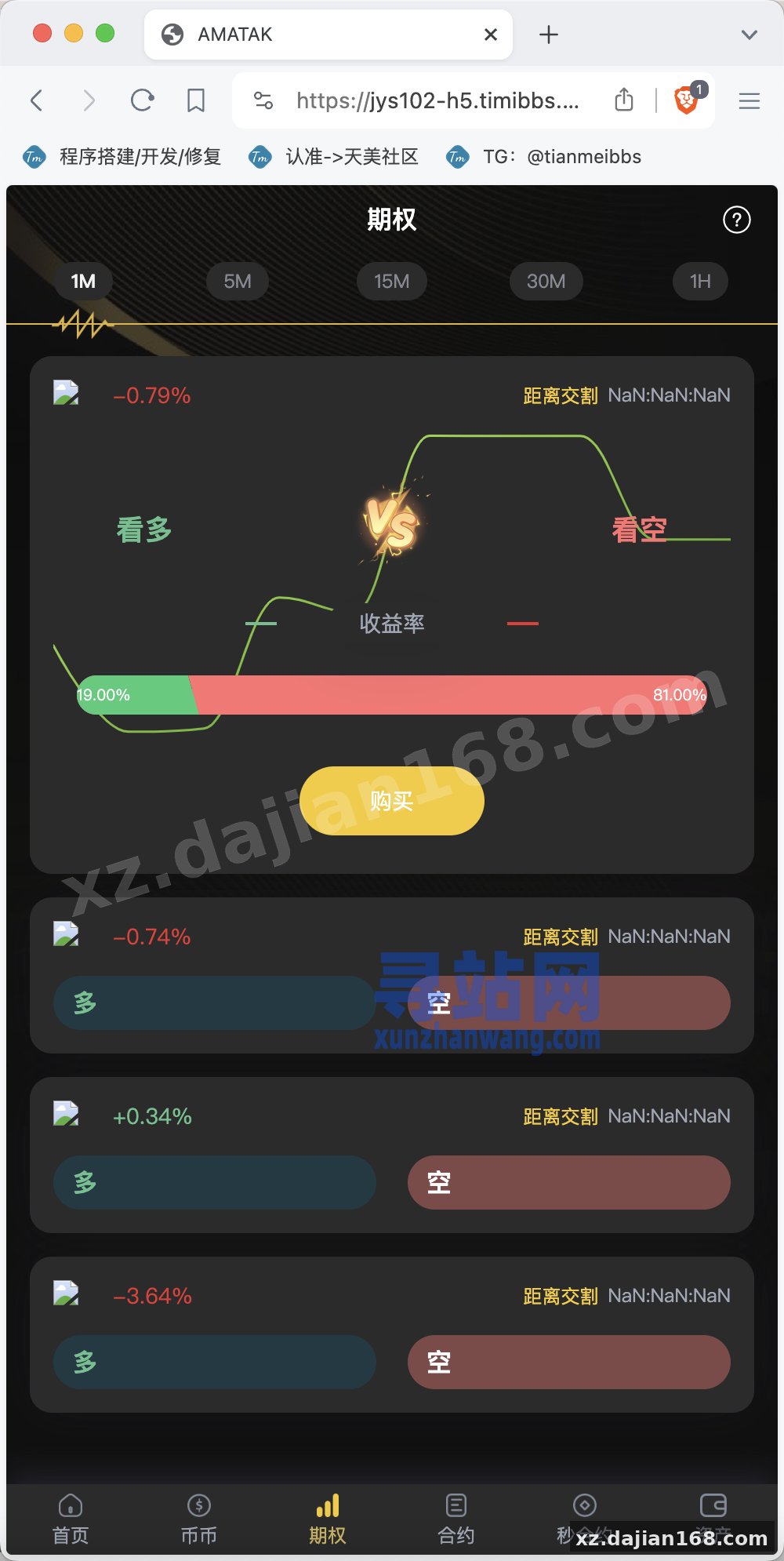
- Flash contracts — short-cycle (e.g. 60-second) positions, also cron-settled.
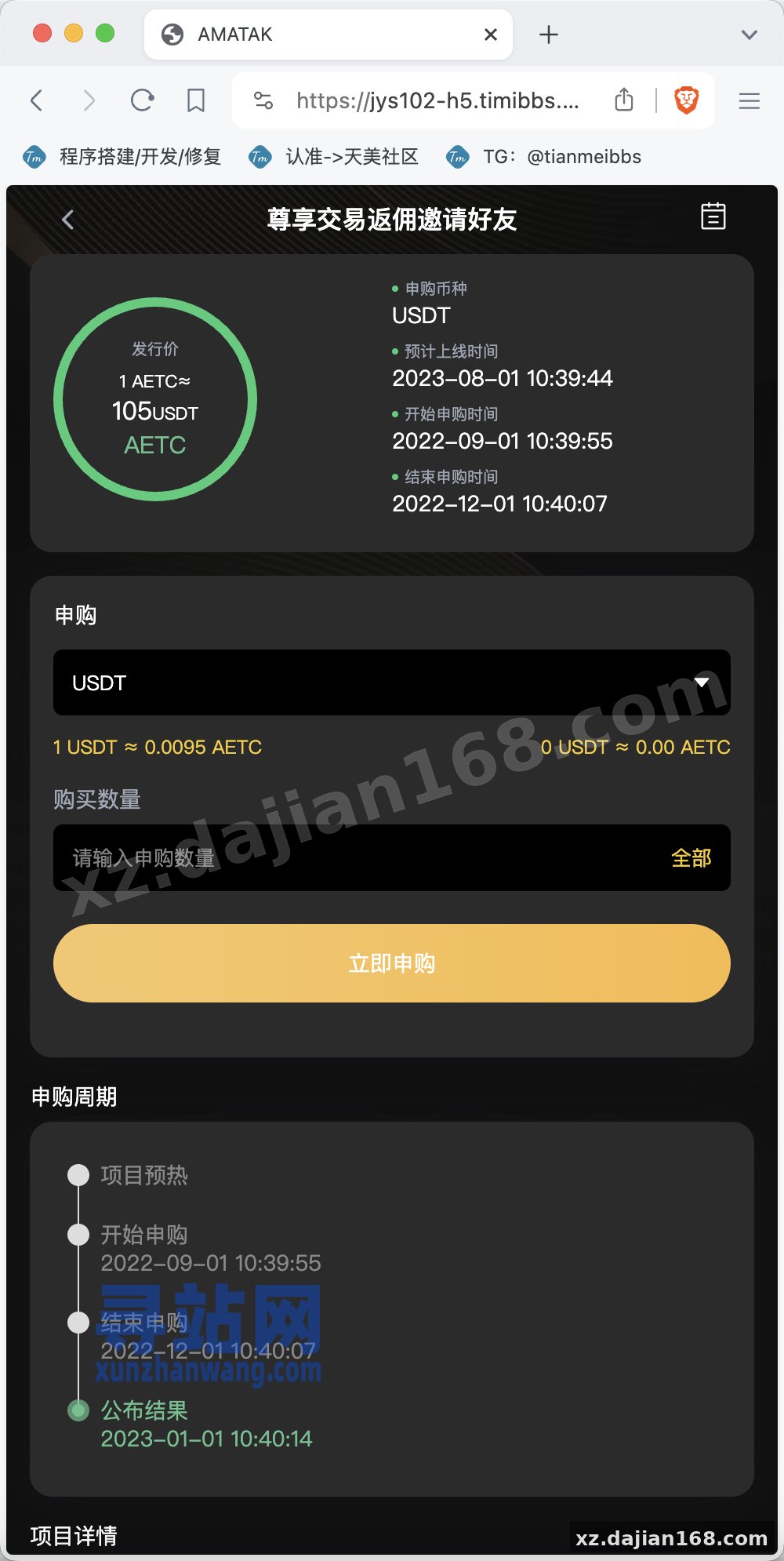
- Token subscription (Launchpad) — round-based sales with per-user quotas.
- Cloud mining — hash-power packages with daily yield distribution.
Actionable takeaway: before you touch anything else, check crontab. The perpetual, options and flash modules depend on scheduled tasks for settlement — if the cron jobs aren’t registered, positions simply never close and balances drift. That’s the single most common deployment mistake with this exchange system.
Risk Control and Agent Channels: What to Configure Before Any Real Testing
The admin panel contains a risk-control section and a multi-level agent-channel tree — both must be reviewed before you invite any test users. From my own walkthrough, the backend exposes roughly 30+ management menus across finance, users, trading pairs, agents and content. Three settings matter most:
- Withdrawal review switch — located under Finance → Withdrawals; enable manual review so nothing leaves the wallet automatically during testing.
- Agent commission ratios — the channel system supports tiered rebates; set the ratios to 0 while testing so the rebate cron doesn’t generate noise data.
- Risk-control thresholds — login IP frequency, device binding and abnormal-order alerts. I found these flags write to a dedicated risk log table, which is handy for auditing.
Judging criterion: if the agent tree renders correctly and rebate records appear in the log table after a simulated trade, your cron and queue setup is healthy. If not, check the Redis connection first — queues depend on it.
Deployment Environment and Step-by-Step Setup (5 Steps)
The verified environment is narrow but simple: Laravel 5 rewrite rules mean the web root must point at public, not the project root. Here’s the spec table:
| Item | Requirement |
|---|---|
| OS | Linux, CentOS 7.6 (tested) |
| Panel | BT Panel (BaoTa) |
| PHP | 7.2 with fileinfo, redis, bcmath extensions |
| Database | MySQL 5.6 |
| Web root | /public directory |
| Rewrite | laravel5 pseudo-static rules |
| SSL | Required (HTTPS enforced) |
- Create a PHP 7.2 site in BT Panel; set the running directory to
public. - Apply the laravel5 rewrite template and issue an SSL certificate.
- Import the provided SQL file into MySQL 5.6 and update
.envcredentials. - Register the scheduled tasks and start the queue worker (
php artisan queue:work). - Log into the admin backend, change the default admin password, and verify all 7 trading modules load.
Pitfall to avoid: running PHP 7.4+ without adjusting composer dependencies will throw compatibility errors — stick to 7.2 as documented, or audit the dependency tree first. The full package is available for source code download on dajian168 in the exchange system category.
Who This Build Fits: 3 Practical Use Cases
Given the module breadth and the 15-language front end, this codebase fits three realistic scenarios better than others.
- Architecture study: if you want to see how an exchange system wires OTC matching, contract settlement and agent rebates together in one Laravel app, this is a dense, real-world reference — the service-layer separation alone is worth reading.
- Multilingual demo/pitch build: 15 ready language packs make it fast to spin up a localized demo for stakeholders in different regions without touching translation infrastructure.
- Base for a custom fork: teams planning their own spot-plus-contract platform can strip modules (e.g. drop mining) and keep the trading core, rather than starting from zero.
Not a great fit if you need high-frequency matching at scale — this is a PHP/Laravel monolith, so expect to re-architect the matching engine for serious throughput.
FAQ
Q: Which PHP version does this exchange source code actually require?
A: The tested environment is PHP 7.2 with MySQL 5.6 on CentOS 7.6 under BT Panel. Higher PHP versions may break composer dependencies, so verify before upgrading.
Q: Why do my perpetual and flash contract positions never settle?
A: Almost always a missing cron entry or a stopped queue worker. Register the scheduled tasks and run php artisan queue:work; settlements are driven by timed jobs, not by user requests.
Q: Can I add a 16th language to the interface?
A: Yes. The 15 existing languages are plain Laravel language files under resources/lang — copy one folder, translate the arrays, and the switcher picks it up automatically.
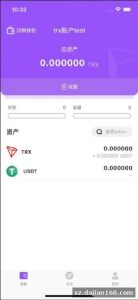
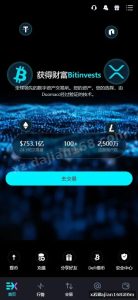
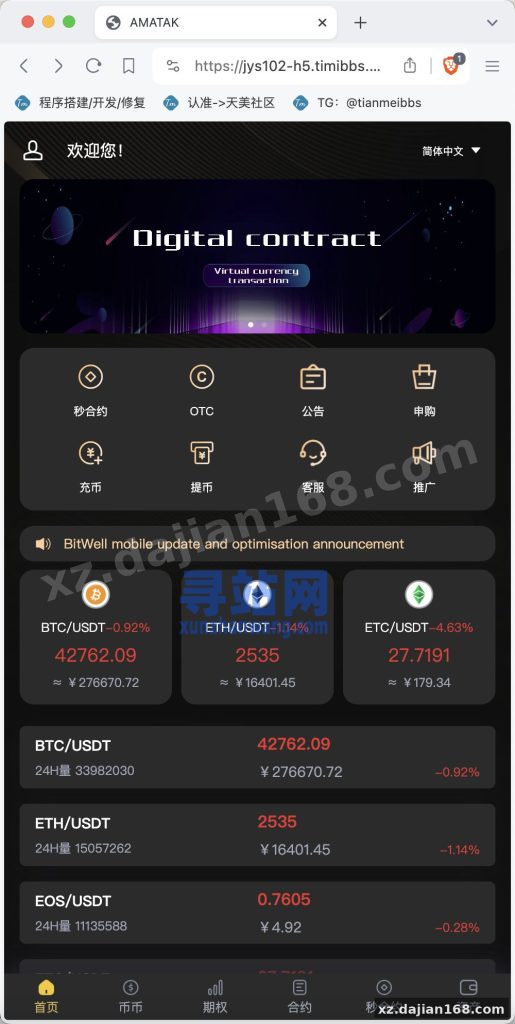
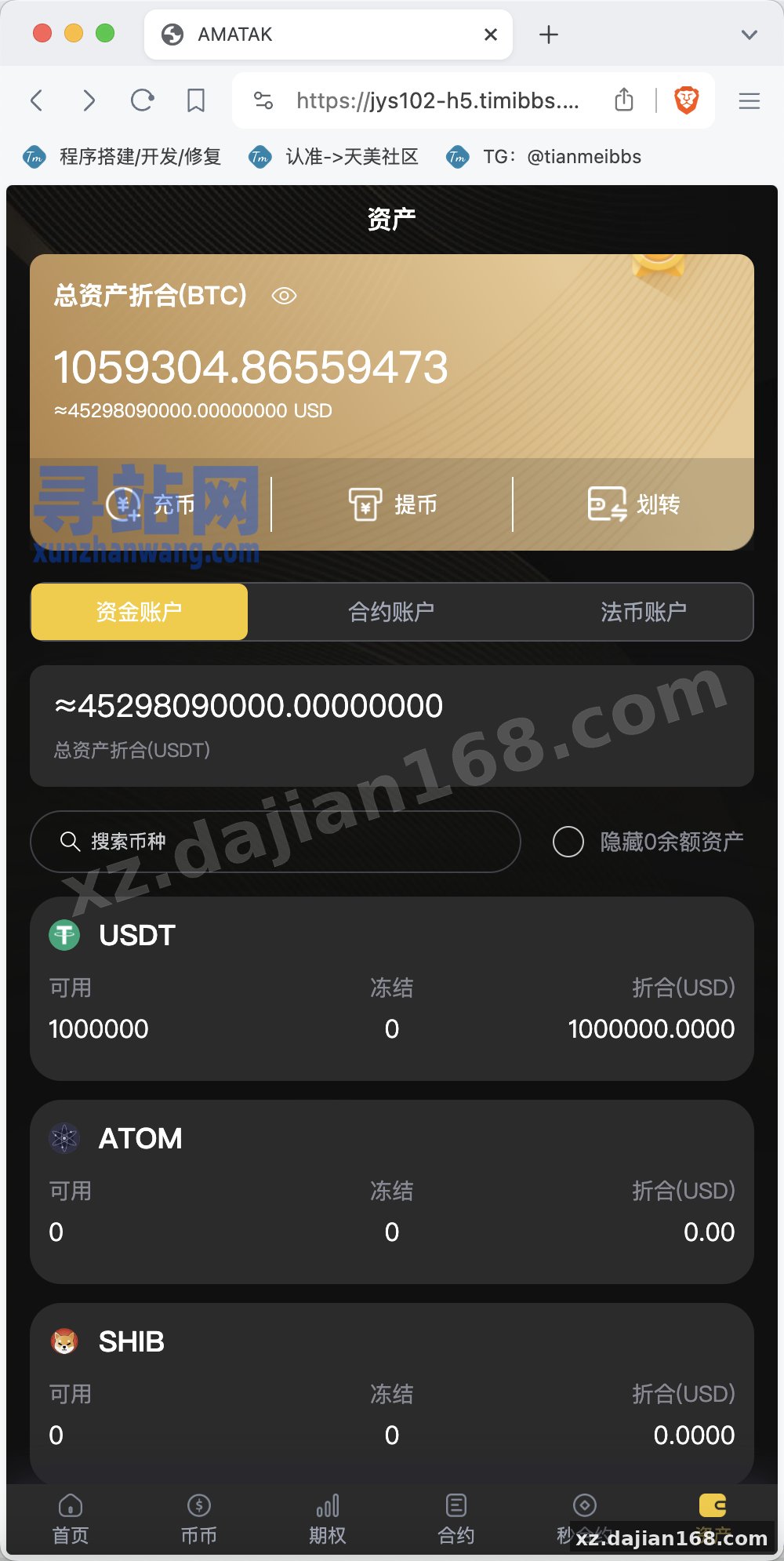
System Interface Screenshots
Disclaimer
⚠️ This article is for educational research and technical exchange only. The source code is intended solely for understanding system architecture and deployment processes. Do not use it for illegal purposes. Any commercial operation is unrelated to the author.