Communication Demo System Source Code: Technical Architecture Overview
Source Code Download – Technical Overview of a Lucky Draw Communication System
Provided as a source code download on dajian168, this project represents a comprehensive lucky draw communication system. The codebase is structured to support real‑time ticketing, online payment processing, and interactive gaming interfaces. It is intended strictly for academic research and technical analysis, not for commercial deployment.
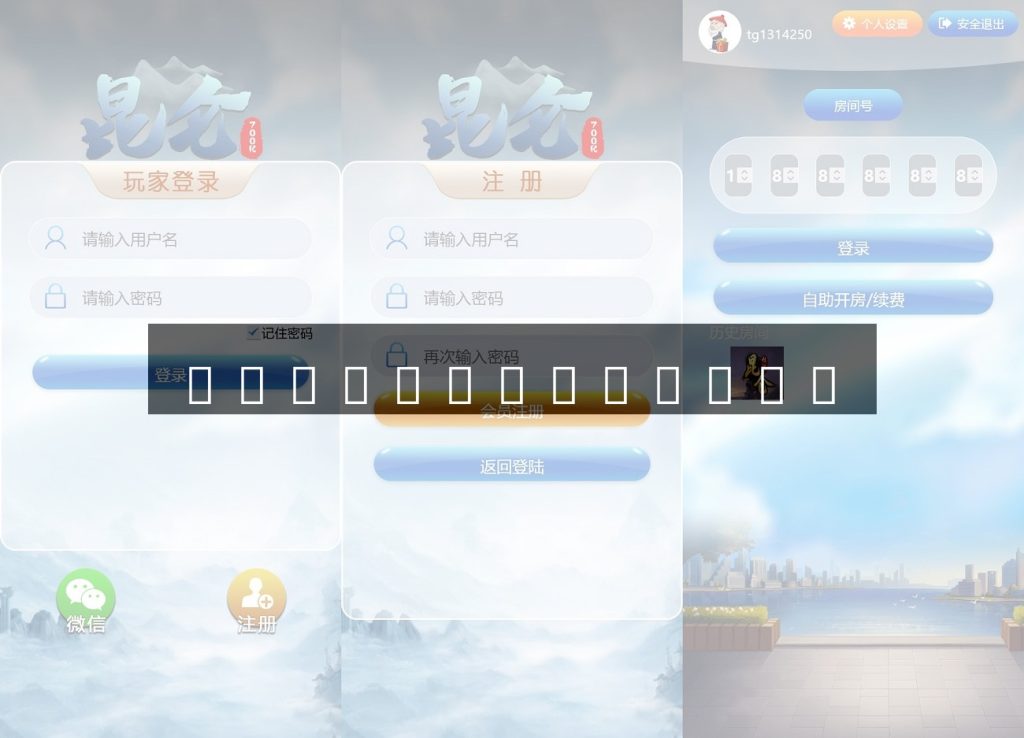
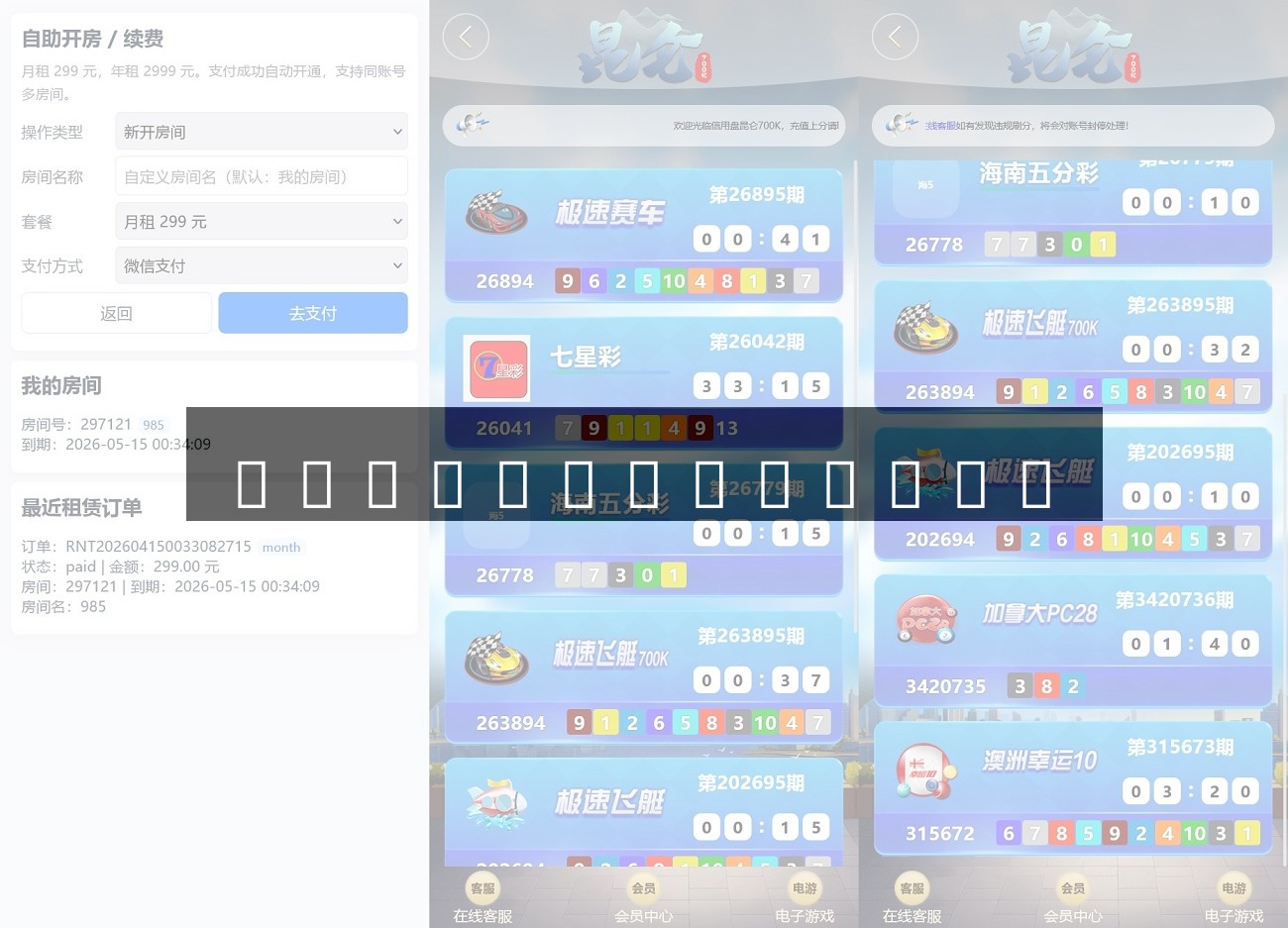
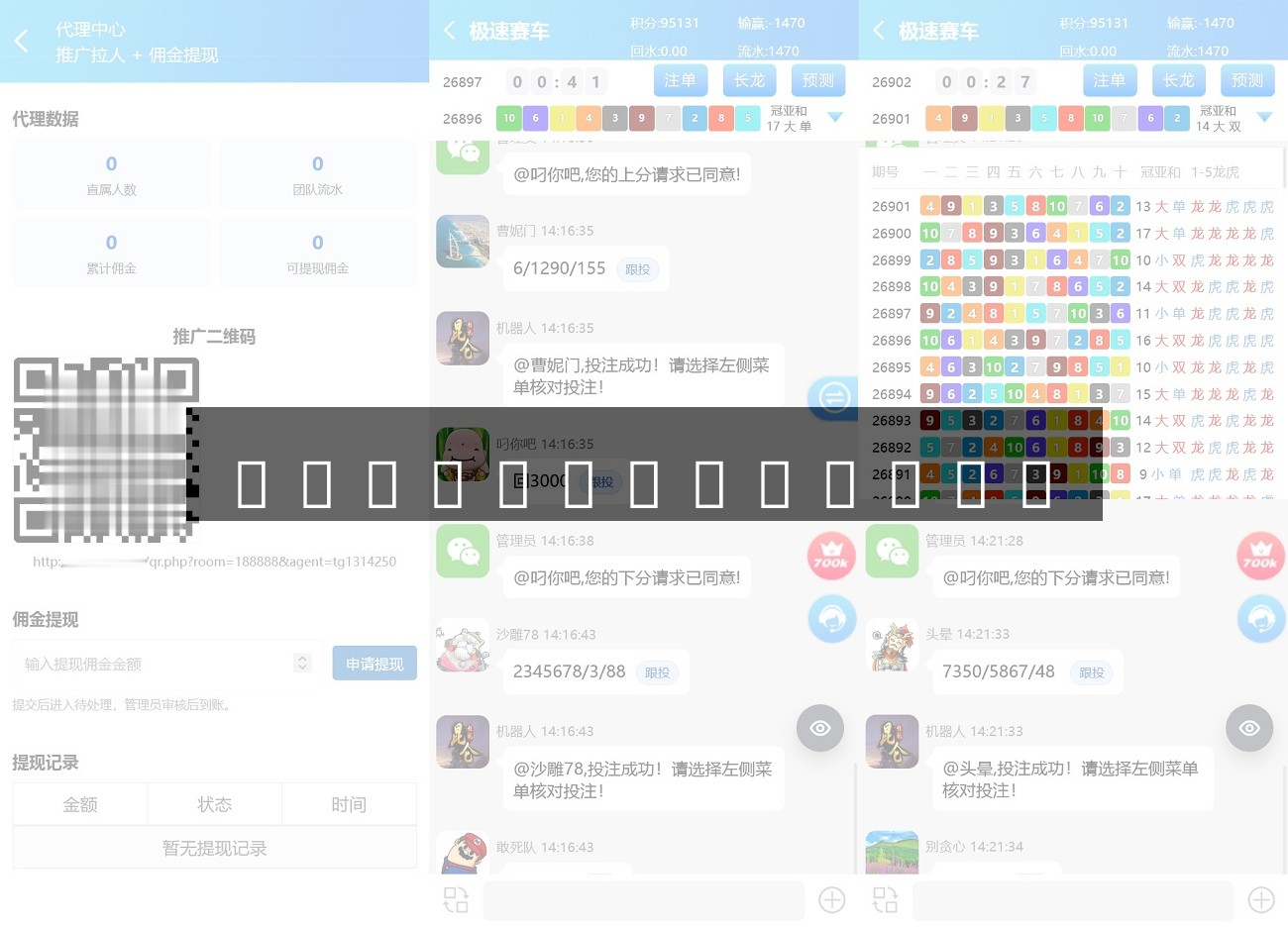
The repository includes modules for a lucky draw host, a chatroom for players, an interface to external gaming APIs, and a smart monitoring component that tracks transaction flows. The architecture follows a layered design, separating presentation, business logic, and data access to enhance maintainability.
System Architecture Overview
The core of the system is a that handles bidirectional communication points simulationween the client application and the server. It uses WebSocket for low‑latency updates and RESTful endpoints for configuration and reporting. The data layer is built on a relational database that stores user accounts, ticket records, and transaction logs. All sensitive data is encrypted at rest and in transit.
Technical Highlights and Features
- Lucky Draw Games Module – supports multiple game types such as “ ”, “ ”, and “ ”. Each game logic is encapsulated in a separate service for isolation.
- Online Payment Interface – integrates with third‑party payment gateways through secure API calls; all credentials are stored in environment variables.
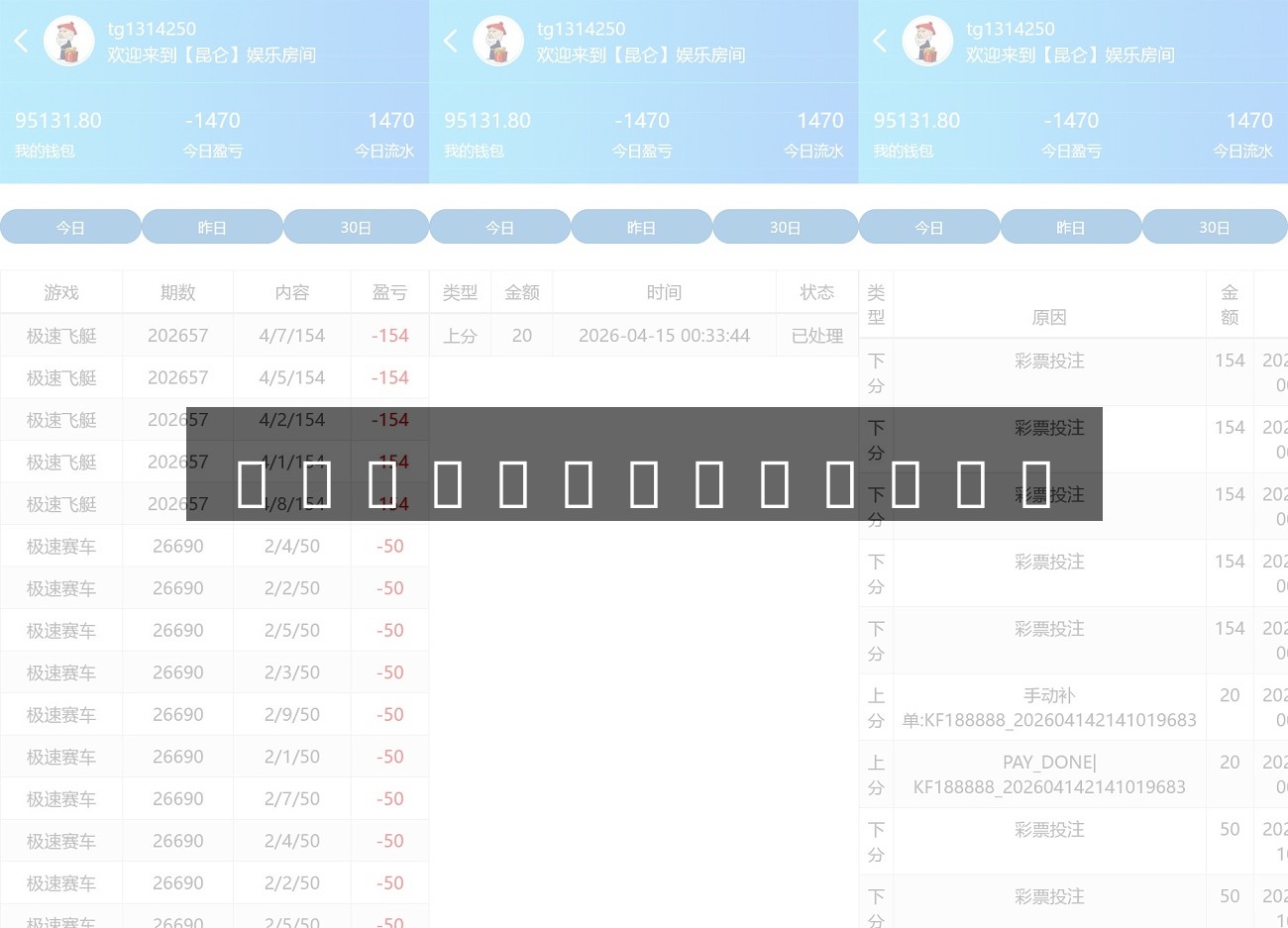
- Smart Monitoring – a rule engine evaluates gaming patterns in real time, flagging anomalies for audit.
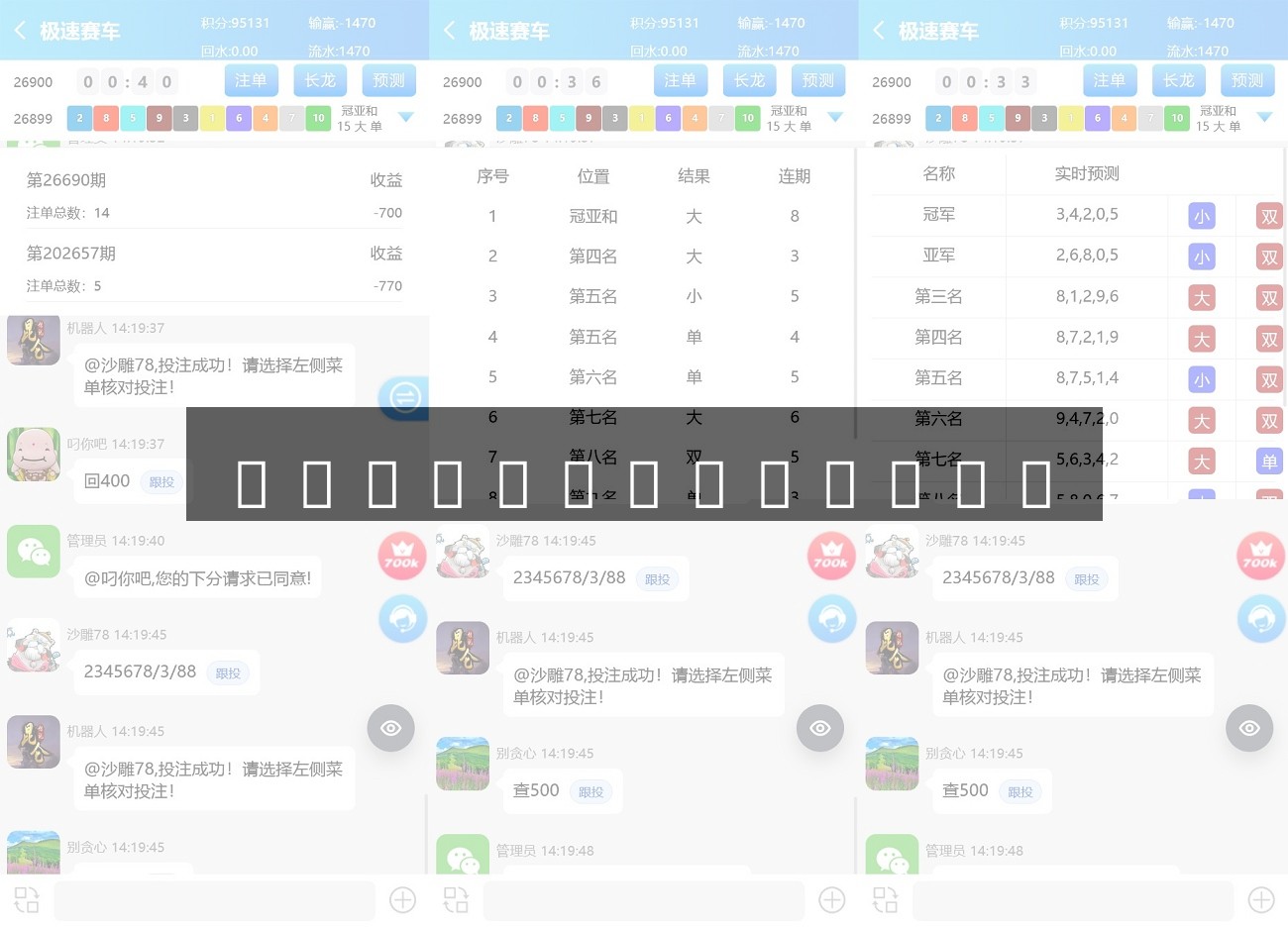
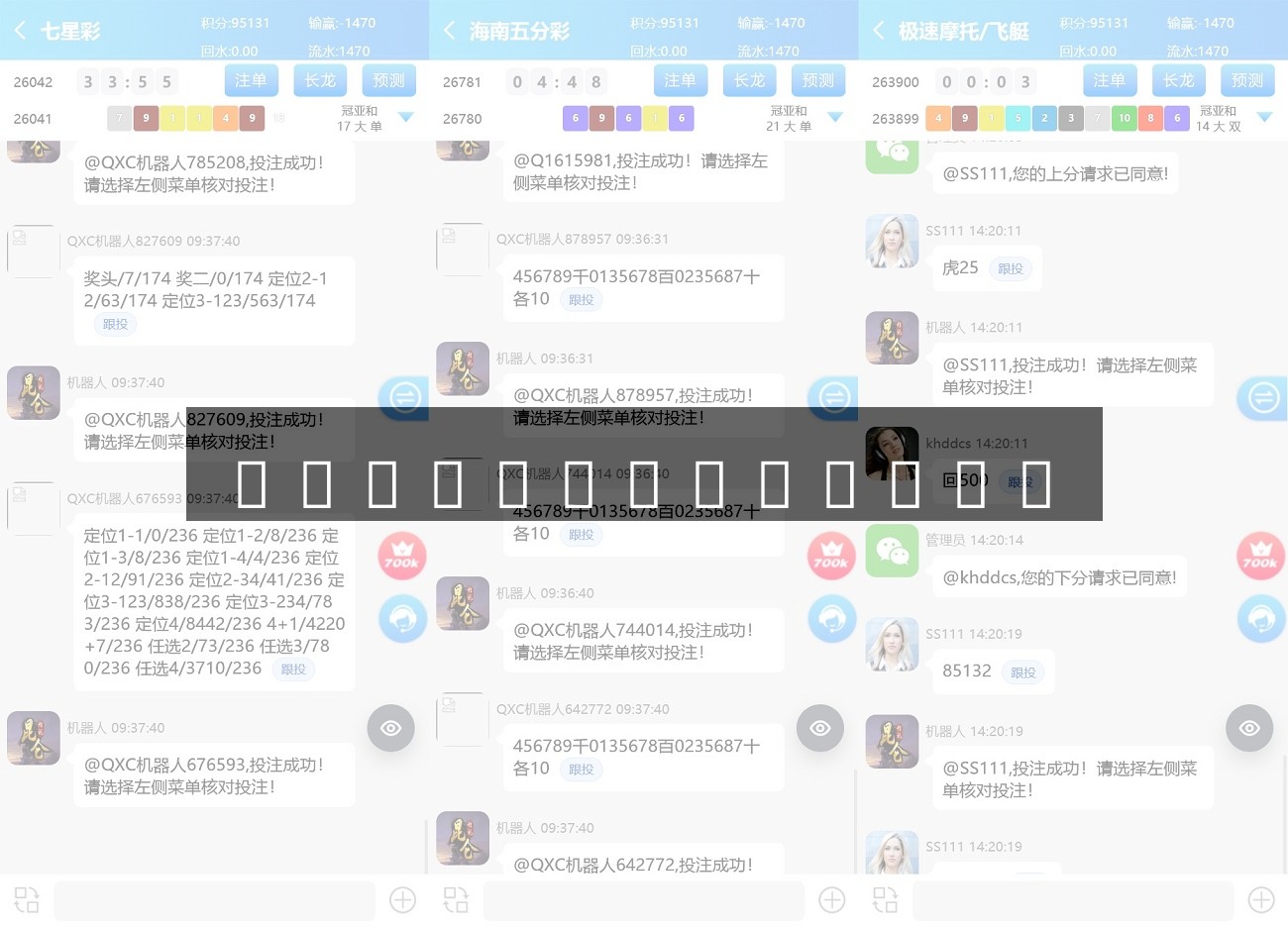
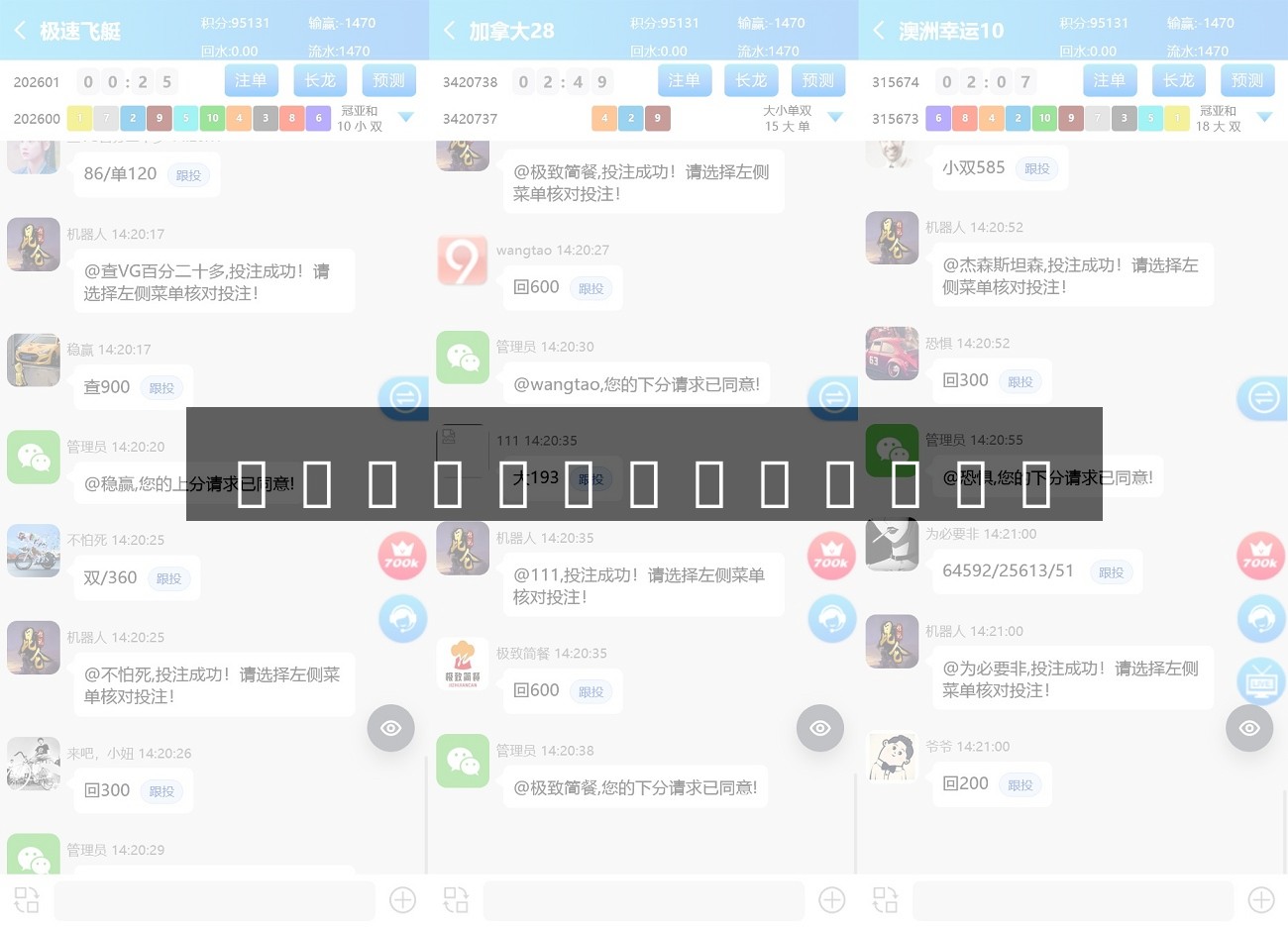
- Chatroom Integration – utilizes a lightweight messaging queue, enabling players to discuss draws while the system runs.
Deployment Environment & Integration
The code is designed to run on a Linux server with an Nginx reverse proxy. Docker containers are provided for each microservice, facilitating isolated deployment. The system can be integrated with existing lucky draw operators by mapping the database schema and exposing the public API endpoints.
Security Review Considerations
From a security standpoint, the project includes input validation, rate limiting, and role‑based access control. However, the code requires a thorough penetration test before any production use sobie. Reviewers should validate the encryption keys, assess session management, and verify that audit logs are tamper‑evident.
Potential Use Cases in Academic Research
Researchers studying distributed systems, Warning: The system demonstrates real‑time data flow and fault tolerance in Caleb. The code can be used to analyze performance under high concurrency, to prototype secure payment flows, or to develop algorithms for monitoring abnormal gaming behavior.
Notes
All examples in the documentation assume a test environment. When experimenting with the source code download, ensure compliance with local gaming regulations and data protection laws. Always conduct a full security audit and maintain the principle of least privilege for all services.
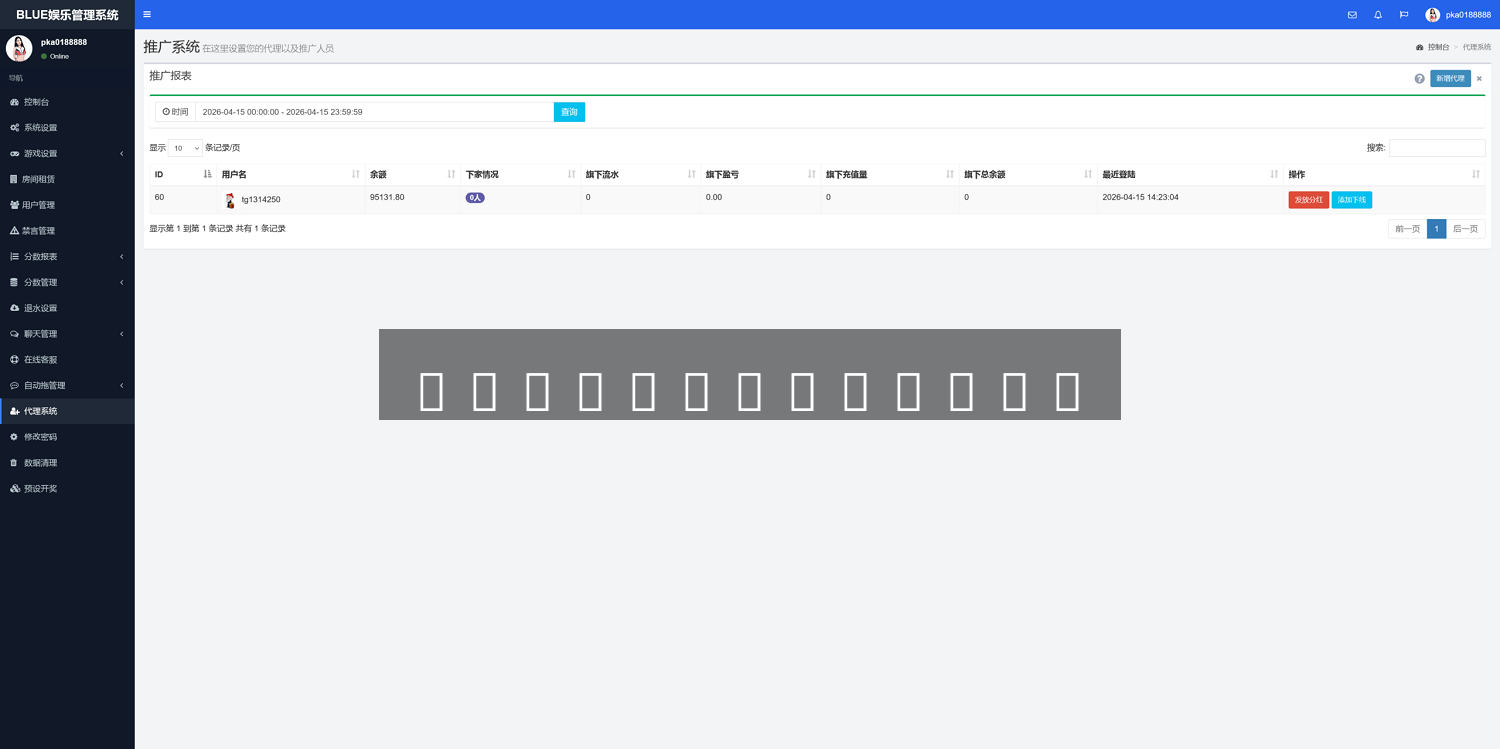
System Screenshots
Original screenshots:
⚠️ This article is for educational research and technical exchange only. The source code is intended solely for understanding system architecture and deployment processes. Do not use it for illegal purposes. Any commercial operation is unrelated to the author.