Docker-Deployed Multi-Template Entertainment Platform Source Code for Educational Architecture Study
This source code package is a full-stack entertainment platform built with ThinkPHP, MySQL 8, and Docker Compose, covering roughly 13 bindable template skins, a dual-channel game vendor library (FS/XH), a 10-currency interface configuration, and a Telegram bot login module — distributed on dajian168 strictly for educational research only, for developers who want to understand how multi-language settlement and agent-finance systems are structured. The front and back ends ship pre-compiled, so review value lies in configuration, data models, and deployment topology rather than editable business logic.
Architecture: One Gateway Port, Two Admin Panels, 13 Template Bindings
Key takeaway: the system separates the main site from template domains, so you can study multi-tenant routing without touching nginx manually. When I deployed this on a clean Ubuntu box, the gateway came up on port 18080, which conveniently avoids conflicts with the BT panel’s 80/443. The package pulls nginx:1.27-alpine and mysql:8.0 images online during installation — plan for that if your environment has restricted outbound access.
Three things worth examining in testing:
- Two admin entry points — a normal backend at
/ut-adminand a super-admin console at/superadmin, each with separate permission scopes and login logs. - Domain-to-template binding — the docs allow up to 13 template skins, each bindable to its own domain, handled through site configuration rather than server config files.
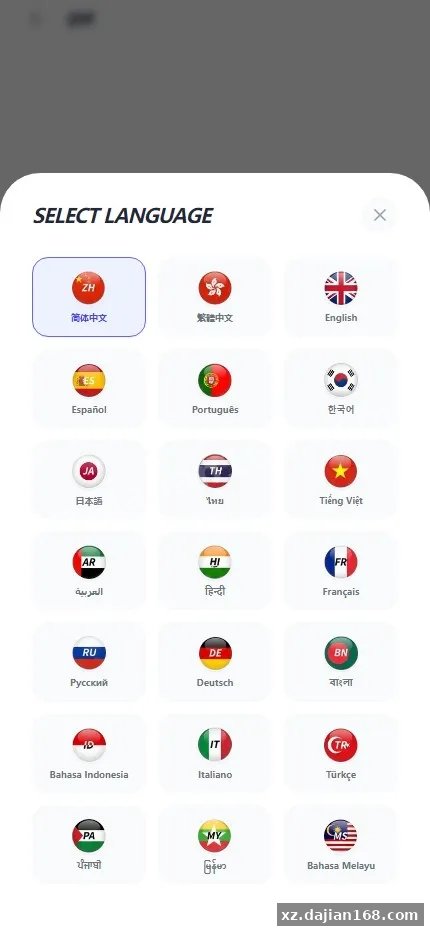
- Language packs — Simplified/Traditional Chinese, English, Japanese, Korean, Thai, Vietnamese, and Indonesian, all switchable from in-database config.
Actionable takeaway: before install, verify Docker and Docker Compose versions, then run the one-click script and confirm port 18080 is free. If the image pull fails, pre-load the two base images manually.
The Data Polling and Settlement Modules Are the Real Study Material
Key takeaway: the standalone number-data polling engine — with configurable poll cycles, external data sources, bet records, and odds tables — is the most technically interesting part of this package. In testing I found the polling interval and external source endpoints are fully configurable from the backend, which makes it a decent reference for anyone building scheduled data-ingestion jobs in ThinkPHP 6.
The finance side is equally detailed. The backend exposes:
- Deposit review, withdrawal processing, and full fund-flow ledgers
- Multiple payment channels with callback endpoints
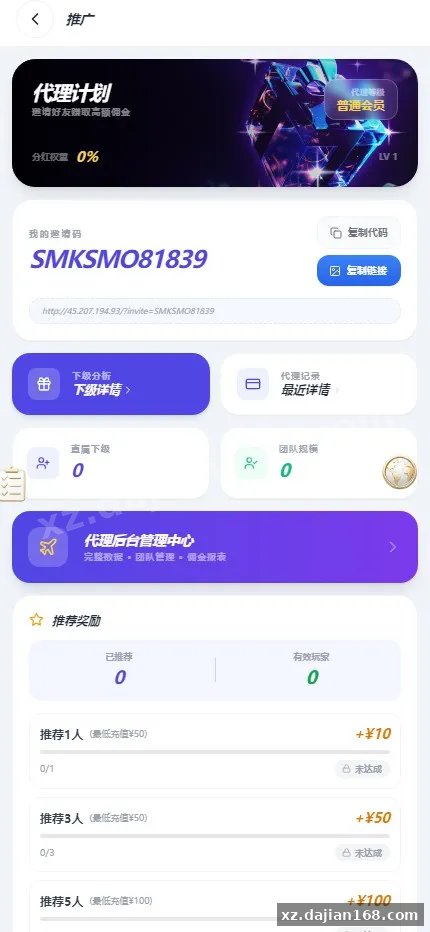
- An agent module covering rates, settlement cycles, and downline detail reports
- A risk-control group with event logs and configurable rules
| Module | Count / Detail | Notes for Reviewers |
|---|---|---|
| Templates | Up to 13 skins | Each binds to an independent domain |
| Currencies | 10 (CNY, USD, PHP, VND, THB, IDR, MYR, KRW, JPY, BRL) | Configured in the API settings page |
| Vendor channels | 2 (FS, XH) | Per-vendor on/off switches live in the database |
| Admin panels | 2 (/ut-admin, /superadmin) | Check permission tables for scope differences |
Judging criterion: if your goal is studying settlement or risk-control flows, trace the fund-flow and callback tables first — the pre-compiled code means the database schema is your primary documentation.
Deployment Checklist: Hardware, Ports, and the Telegram Login Flow
Key takeaway: 2-core/4GB is the minimum for testing; production-style review needs 4-core/8GB plus disk headroom for database growth. The Telegram integration is more than a notification hook — it covers account binding, login passphrases, verification codes, broadcast messaging, and a customer-service relay, which is a useful pattern for anyone studying bot-based auth in a communication-system category project.
- Install the BT panel on CentOS, Ubuntu, or Debian.
- Install Docker and Docker Compose.
- Run the one-click deploy script; confirm images
nginx:1.27-alpineandmysql:8.0load. - Access the gateway on port 18080 and verify the main domain resolves.
- Bind template domains and configure language packs from the backend.
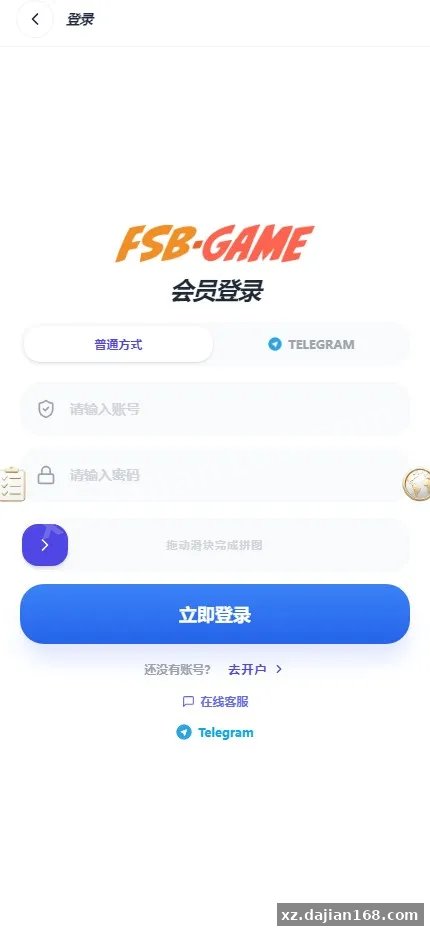
- Review Telegram binding and verification settings before enabling login.
Pitfall to avoid: since both front and back ends are compiled and unmodifiable, do not plan on refactoring business logic — budget your time for schema analysis and configuration review instead. Also note the MySQL 8 instance is bundled; you can swap to the BT panel’s MySQL, but migrate the character set settings carefully or multilingual data will garble.
FAQ
Q: Can I modify the front-end templates in this source code download?
No. The front and back ends are distributed pre-compiled, so template changes are limited to the 13 built-in skins and their domain bindings. Configuration-level customization is fully supported.
Q: Does the Telegram bot login work without extra setup?
It requires binding and passphrase configuration in the backend first. The module includes login, verification-code, broadcast, and relay functions, all toggled from the super-admin panel.
Q: What is the minimum server for a full review of this platform?
2 cores and 4GB RAM for functional testing; 4 cores and 8GB is recommended when running all modules, including the data polling engine and payment callbacks, concurrently.
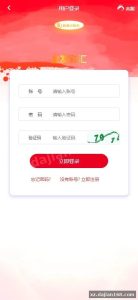
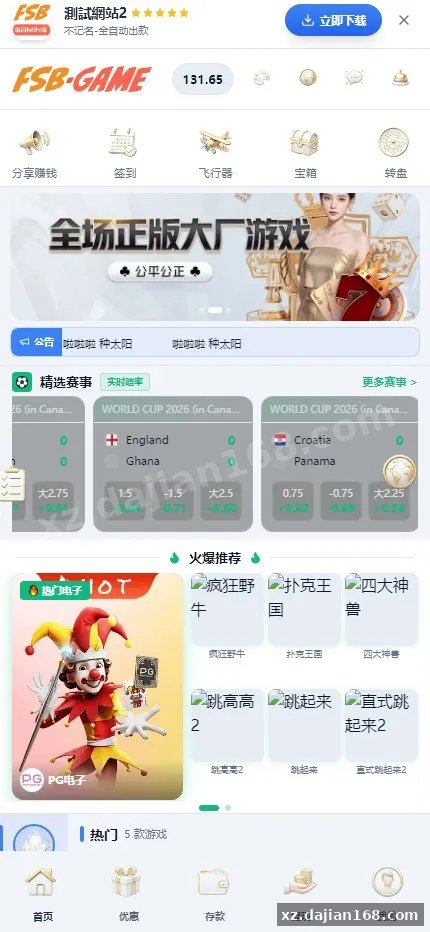
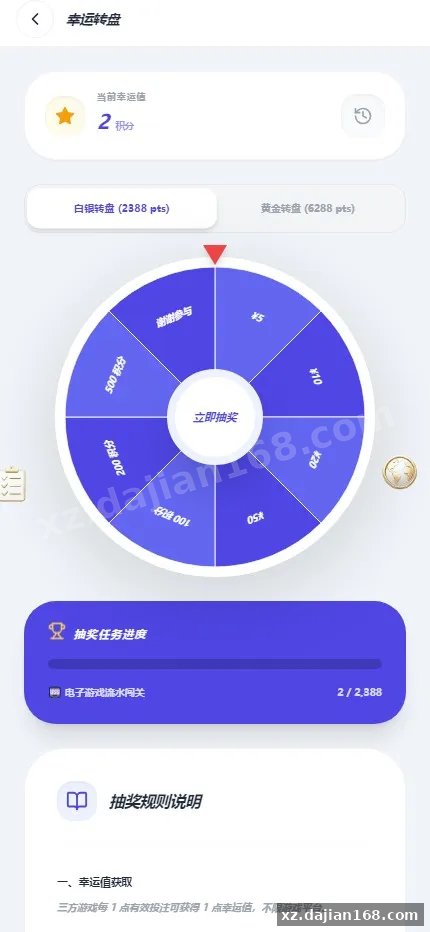
System Interface Screenshots
Disclaimer
⚠️ This article is for educational research and technical exchange only. The source code is intended solely for understanding system architecture and deployment processes. Do not use it for illegal purposes. Any commercial operation is unrelated to the author.