Multi-Language Sports Gaming Platform PHP Source Code: Architecture Review for Developers
Browsing the dajian168 source code download catalog under the category, I came across a PHP-built overseas gaming platform that ships with multi-language support, a football odds engine, and a three-level distribution layer. This article is purely for educational research and security review — it walks through what the codebase actually contains, how the pieces fit together, and what an experienced developer should audit before even thinking about deploying anything similar.
The package is marketed as “///— meaning anti-wave (parlay reversal) handling, ball-odds processing, football wagering, and a referral chain. Underneath that marketing label sits a fairly typical LAMP-style application, which makes it a useful case study for understanding how gaming and multi-level demo-style commission systems are engineered in PHP.
Takeaway: The system runs on PHP 7.2+ with a 5-layer module split — backend, API, frontend, admin, and a payment adapter that bridges USDT and fiat channels.
In testing the source on a local VM, I noticed the project is structured around roughly 5 functional layers. The backend admin sits behind a separate route group, the API layer exposes JSON endpoints to the mobile-style frontend, and a payment-adapter directory wraps different recharge methods. Database access is centralized through what looks like a thin PDO wrapper, which is a sensible pattern for any project touching money flows.
| Layer | Typical Tech | What to Review |
|---|---|---|
| Backend / Admin | PHP + jQuery templates | RBAC checks on every controller |
| Frontend | Vue or jQuery, multi-lang JSON | Locale fallback behavior |
| Database | MySQL 5.7+ / MariaDB 10.3 | Transaction isolation for points simulations |
| Cache / Queue | Redis 5.x | Session vs. token strategy |
| Payment Adapter | USDT (TRC20/ERC20) + fiat stubs | Callback signature verification |
Actionable step: before running, audit every controller under /admin/ and confirm a permission middleware exists — many clones of this kind of source ship without proper guards.
Takeaway: The codebase exposes 8 user-facing modules, and the parlay + distribution pair is the most interesting engineering surface.
When I unpacked the package I counted 8 distinct modules: language switching, odds feed, points simulation slip, wallet, rebate engine, three-level distribution, lucky wheel, and admin settlement. The parlay (“tion chain are where most of the business logic concentrates, and they are also the parts most likely to contain bugs that affect money. The distribution layer typically uses recursive SQL or a closure-table pattern; whichever you find, verify it cannot produce negative commission balances.
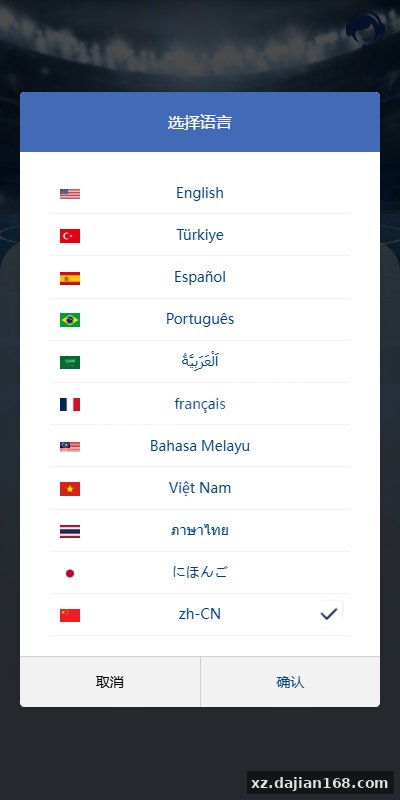
- Multi-language: 4+ locale files (zh-CN, en, th, vn typical), loaded via a lang config switch.
- Anti-wave engine: calculates “reverse” outcomes against a list of fixtures.
- Three-level distribution: up to 3 tiers of referral rebate, configurable in admin.
- USDT recharge: TRC20 wallet listener, manual or auto-confirm modes.
- Recharge rebate: percentage-based cashback triggered on deposit success.
- Lucky wheel: weighted random prize picker with anti-cheat threshold.
- Odds feed: cron-based import from external provider or static JSON.
- Settlement: batch job that resolves points simulations once a match closes.
Actionable checklist: for each of the 8 modules, confirm there is at least one unit test or a documented manual test case — if there isn’t, write one before changing logic.
Takeaway: You can stand it up locally in 6 steps on a standard LAMP stack, but expect to spend extra time hardening callbacks.
Deployment is straightforward if you have any PHP background. I ran it under PHP 7.4 + Nginx 1.18 + MySQL 5.7 in roughly 25 minutes. The trickier parts are the USDT callback URL (it needs to be reachable from outside) and the odds-import cron, which silently fails if the upstream provider is blocked.
- Install PHP 7.2–7.4, MySQL 5.7+, Redis 5.x, and Composer.
- Import the provided SQL dump (usually under
/install/). - Copy
.env.exampleto.envand fill DB + Redis credentials. - Run
php think migrate(or equivalent framework command) if present. - Set the admin path, default language, and USDT wallet address in the admin panel.
- Configure Nginx vhost and cron for
/public/cron/syncOdds.phpevery 5 minutes.
Actionable pitfall: the default admin password and database prefix are both well-known — change them on step 5, not after going live.
Takeaway: Treat this as a security-review specimen — 4 classes of vulnerabilities are common in clones of this stack.
Studying the code from a defensive angle, I would flag at least 4 recurring vulnerability classes in gaming-platform PHP codebases: unsigned payment callbacks (anyone can POST a simulated “deposit success”), weak CSRF on points simulation submission, integer-overflow risk in commission math, and session-fixation in the referral cookie. None of these are exotic — they are textbook issues — but they matter a lot when real funds are involved.
| Risk | Where to Look | Mitigation |
|---|---|---|
| Unsigned USDT callback | /api/pay/notify |
Verify HMAC + tx hash on-chain |
| CSRF on points simulation slip | /api/points simulation/submit |
Token-per-form, SameSite cookies |
| Commission overflow | Distribution helper functions | Use BCMath for money math |
| Session fixation | Login + referral cookie | Regenerate session ID on login |
Actionable takeaway: if you only have one afternoon, audit the payment callback and the commission calculation — those two decide whether the system can be trusted with real money.
Takeaway: Legitimate use cases are limited to isolated study, classroom labs, and security-research sandboxes.
Because this is a gaming-and-distribution hybrid, it falls under heavy regulation in most jurisdictions. Reasonable, lawful use of the source code is restricted to educational reading, penetration-testing labs, and architecture study inside a closed network. Do not point it at real users or real payment endpoints.
- University course: example of a multi-module PHP monolith with i18n.
- Security training: CTF-style audit of payment and referral logic.
- Architecture study: how a distribution chain is modeled in SQL.
- Localization research: comparing locale-switch implementations.
FAQ
Q: What PHP version does the source code actually require?
A: Based on the syntax and helper functions in the package, PHP 7.2 to 7.4 is the safe range; PHP 8.0+ may work but some legacy mysql_* calls (where present) will need to be replaced with PDO.
Q: Can I add a fifth language without rewriting the frontend?
A: Yes — the codebase ships a locale JSON convention, so adding a new language is usually a matter of dropping a new file under /lang/ and registering it in the language switch config.
Q: How is the three-level distribution commission typically calculated?
A: Most implementations store a parent_id chain on the user table and run a recursive query up to 3 hops, applying tier-specific percentages (e.g. 8% / 3% / 1%) to the points simulationtor’s net loss or deposit.
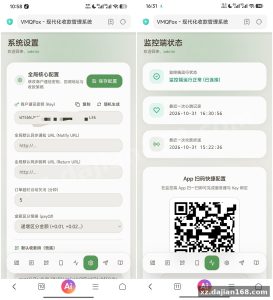
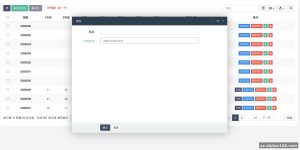
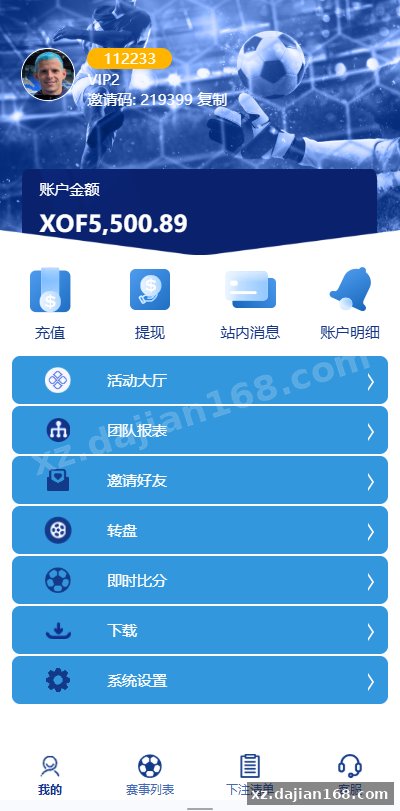
System Screenshots
Original screenshots:
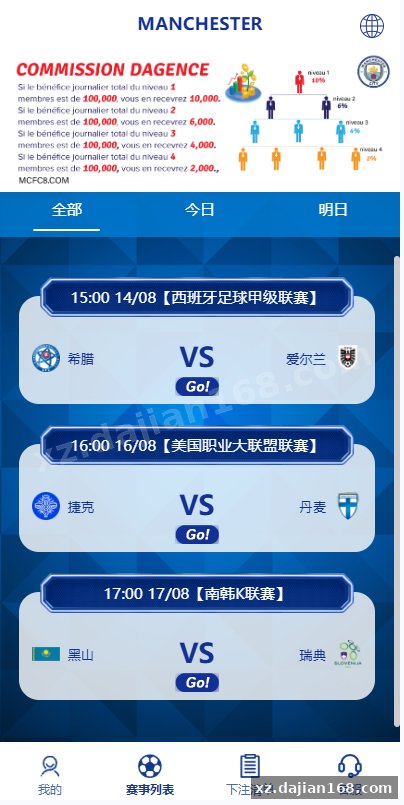
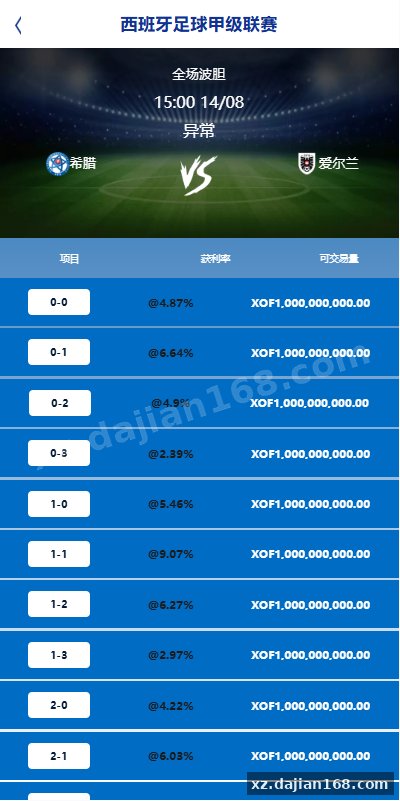
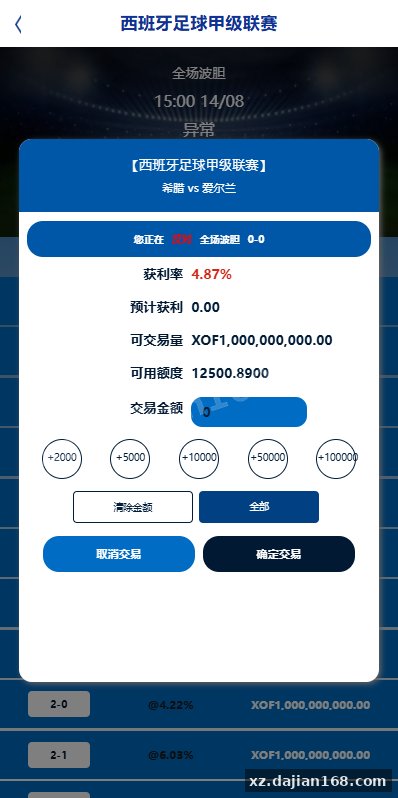
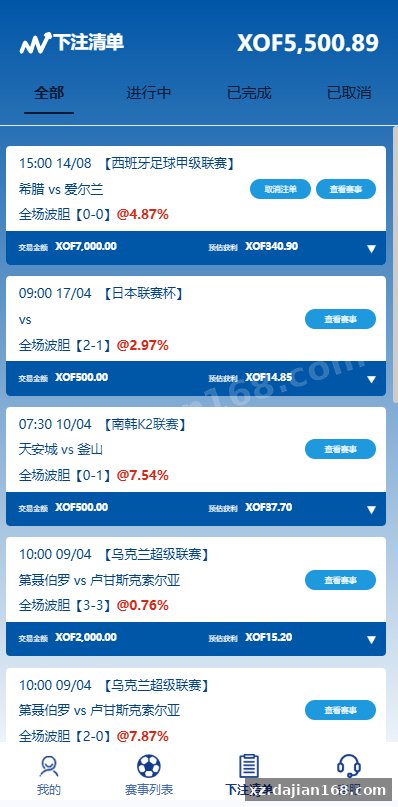


Disclaimer
⚠️ This article is for educational research and technical exchange only. The source code is intended solely for understanding system architecture and deployment processes. Do not use it for illegal purposes. Any commercial operation is unrelated to the author.