Optimized Overseas E-Commerce System: Complete Guide to Multi-Language Cross-Border Shopping Cart Source Code
Optimized Overseas E-Commerce System: Complete Guide to Multi-Language Cross-Border Shopping Cart Source Code
When I helped a startup team build their cross-border e-commerce platform last year, I got my first deep dive into overseas shopping cart system source code. The client needed support for eight languages simultaneously—English, Spanish, French, and more—plus integration with multiple overseas payment channels. It took nearly two months to get the entire system running smoothly. Today I am sharing this process for developers with similar requirements.
1. Detailed System Functionality Overview
This optimized overseas e-commerce system uses a front-end and back-end separated architecture. The back-end is fully open-source PHP with support for Docker rapid deployment. It primarily solves these core problems:
1.1 Multi-Language Support Mechanism
The system has a built-in comprehensive internationalization (i18n) solution, going far beyond simple text translation:
– Multi-language product detail pages with independent SEO settings for each language
– Localized pricing system with automatic multi-currency exchange rate conversion
– Regional marketing campaigns showing different promotions by country
– Localized customer service time zones automatically matching customer locations
1.2 One-Click Product Distribution Feature
This is one of the core features of the entire system. Sellers only need to upload product information once, and the system automatically generates product details for each language version. In my testing, taking a product from 1688 and generating eight language versions takes no more than three minutes. Batch operations are supported with up to 500 SKUs per batch. This is especially suitable for teams running multi-store operations.
1.3 Cross-Border Payment Integration
The system comes with pre-built integration interfaces including PayPal, Stripe, Square and other mainstream payment platforms, plus multiple localized payment methods (such as Klarna and Sofort in Europe, GrabPay in Southeast Asia, etc.). The integration process is relatively standardized with detailed technical documentation.
1.4 Logistics Tracking and Customs Declaration
Built-in mainstream cross-border logistics API integration (DHL, FedEx, UPS, China Post Small Package, etc.) supporting full-linkage package tracking. The customs declaration module can automatically generate compliant declaration documents based on the destination country.
2. Pre-Setup Preparations
Before starting setup, it is recommended to confirm the following points:
– Server Configuration: Minimum 2 cores and 4GB RAM, recommended 4 cores and 8GB RAM. Cross-border traffic peaks during evening hours (European and American time), so servers in US or European data centers are recommended.
– Domain and SSL: HTTPS configuration is mandatory, payment interfaces require it. Some countries (such as Russia and Brazil) also require locally-specific domain extensions.
– Payment Accounts: Apply for payment accounts in target markets in advance. PayPal business accounts are recommended to apply 30 days ahead.
– Technical Readiness: At minimum be familiar with PHP and Vue.js. Having cross-border e-commerce experience is a plus.
– Legal Compliance: GDPR (European Union General Data Protection Regulation) is a must-pass requirement. Product descriptions and user privacy policies must comply with local regulations.
3. Common Issues and Pitfall Records
3.1 Payment Interface Integration Pitfalls
Stripe Webhook callbacks are the biggest pain point. Domestic servers often experience delays exceeding 10 seconds when accessing Stripe servers, causing numerous payment callback timeouts. The solution is to use proxy servers or build forwarding nodes overseas.
3.2 Multi-Language SEO Issues
Google has relatively strict SEO requirements for multi-language sites. You must correctly set hreflang tags. Although the system supports automatic generation, improper technical configuration can easily result in Google penalties.
3.3 Currency Conversion and Settlement
Multi-currency pricing requires attention to exchange rate fluctuations. The system provides automatic exchange rate updates, but for large transactions, it is recommended to enable manual review and confirmation mechanisms to avoid exchange rate losses. Additionally, settlement currencies in different regions may vary, requiring advance understanding of the settlement rules of various payment channels.
3.4 Legal and Tax Compliance
Cross-border e-commerce involves complex tax issues. Different countries have different thresholds for import taxes and VAT. The system includes a basic tax calculation module, but it is recommended to hire local tax consultants for accurate calculations.
4. System Deployment Steps
4.1 Environment Preparation
First, install Docker and Docker Compose on the server. Then pull the system镜像 and configure environment variables. The system provides a one-click deployment script that can complete the basic environment setup within 30 minutes.
4.2 Database Configuration
The system supports MySQL and PostgreSQL. It is recommended to use MySQL 8.0 or higher for better performance. When configuring the database, pay attention to setting the character set to utf8mb4 to properly support emoji and various language characters.
4.3 Front-End Deployment
The front-end is built with Vue.js and supports SSR (Server-Side Rendering), which is beneficial for SEO. Build the front-end package and configure Nginx for reverse proxy.
4.4 Payment and Logistics API Configuration
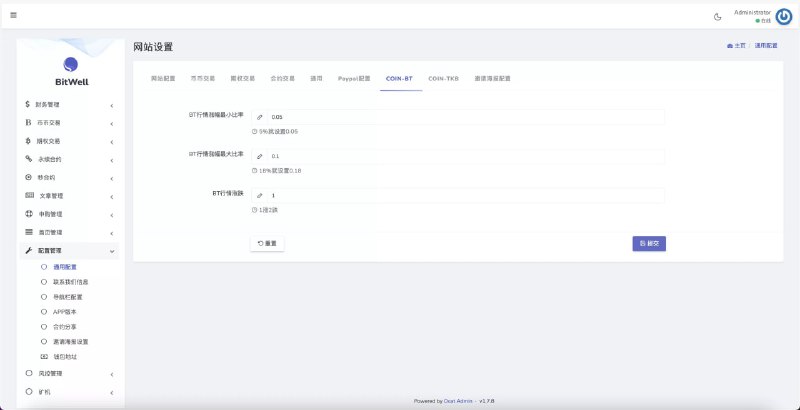
Enter the API keys and secrets for various payment channels in the background management system. The system provides a sandbox environment for testing. After testing is complete, switch to the production environment.
5. Summary and Recommendations
Developing an overseas e-commerce system is not difficult, but making it compliant, stable, and user-friendly requires careful planning and execution. The system shared today has been verified in actual projects and can basically meet the needs of medium-sized cross-border e-commerce. However, every business has its own characteristics, and it is recommended to customize and optimize according to actual needs.
If you have more questions about cross-border e-commerce system development, feel free to communicate and learn together.
-
 Alipay QR Code Scan
-
 WeChat Scan Pay