Optimized Overseas Mall System: Multi-Language Cross-Border E-Commerce Source Code Setup Guide
Optimized Overseas Mall System: Multi-Language Cross-Border E-Commerce Source Code Setup Guide
Last year when I helped a startup team build a cross-border e-commerce platform, I had my first in-depth exposure to overseas mall system source code. The client needed to support 8 languages including English, Spanish, and French, while also integrating multiple overseas payment channels. After nearly two months of work, the entire system was finally operational. Today I am sharing this process with developers who have similar requirements.
I. Detailed System Function Introduction
This optimized overseas mall system adopts a front-end and back-end separated architecture, with PHP backend fully open source, supporting Docker rapid deployment. It mainly addresses the following core issues:
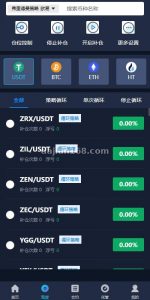
System Features
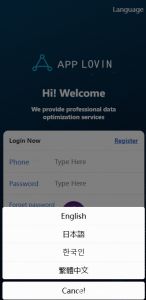
- Multi-language support (8 languages built-in)
- Multi-currency switching
- Multiple payment channel integration (PayPal, Stripe, etc.)
- Logistics tracking interface
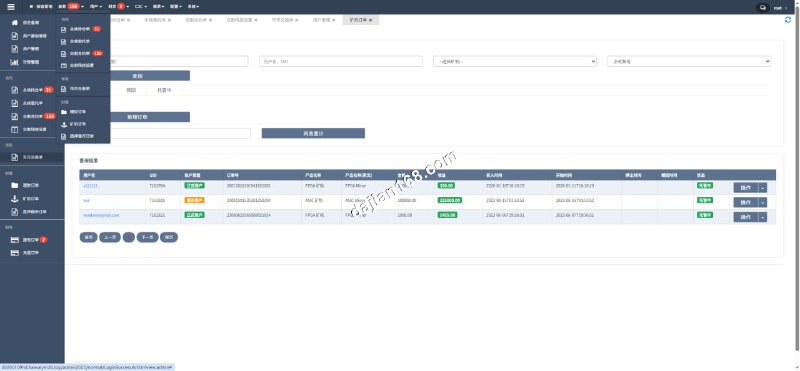
- Product management system
- Order processing workflow
Technical Stack
- Frontend: Vue.js + UniApp
- Backend: PHP (Laravel framework)
- Database: MySQL + Redis
- Search: Elasticsearch
II. Deployment Steps
2.1 Environment Preparation
- Server: CentOS 7+ or Ubuntu 20+
- PHP version 7.4+
- MySQL 5.7+
- Redis 6.0+
2.2 Source Code Deployment
- Clone source code from repository
- Install dependencies via Composer
- Configure .env environment variables
- Run database migrations
- Configure Nginx reverse proxy
III. Key Configuration Points
3.1 Language Pack Configuration
Configure multi-language packs in the language files directory, including translation files for all interface text and validation messages for each language.
3.2 Payment Channel Integration
Integrate mainstream overseas payment methods:
- PayPal: SDK integration
- Stripe: API key configuration
- Local payment methods by region
3.3 Logistics Interface Configuration
Connect logistics tracking APIs:
- 17track API
- AfterShip API
- Custom logistics provider interfaces
IV. Common Issues and Solutions
Performance Optimization
- Enable OPcache for PHP performance
- Use CDN for static resources
- Database query optimization
- Redis cache hot data
Security Hardening
- Enable HTTPS encryption
- Configure WAF rules
- Regular security vulnerability scanning
- Backup strategy implementation
V. Conclusion
This overseas mall system source code provides a solid foundation for cross-border e-commerce projects. With proper configuration and customization, it can support various overseas market scenarios. The key is to thoroughly understand the business requirements and properly configure the multi-language and payment aspects.
Source: https://dajian168.cc/5364.html
-
 Alipay QR Code Scan
-
 WeChat Scan Pay