Optimized Overseas Shopping Mall System: A Practical Guide to Building a Multi-language Cross-border E-commerce Demo
Disclaimer: This article is for technical education and demonstration only. It is not investment or business advice. Real-world operation requires compliance with local laws, regulations, and proper licensing. No revenue or profits are guaranteed.
Optimized Overseas Shopping Mall System: A Practical Guide to Building a Multi-language Cross-border E-commerce Demo
Last year, I worked with a startup team to build a cross-border e-commerce demo platform, and that was my first deep dive into overseas mall system source code. The goal was to support multiple languages, including English, Spanish, and French, and to connect with several overseas payment interfaces. It took about two months to get the demo stable enough to present. In this article, I’m walking through the technical setup for developers who want to build something similar.
1. System Features in Detail
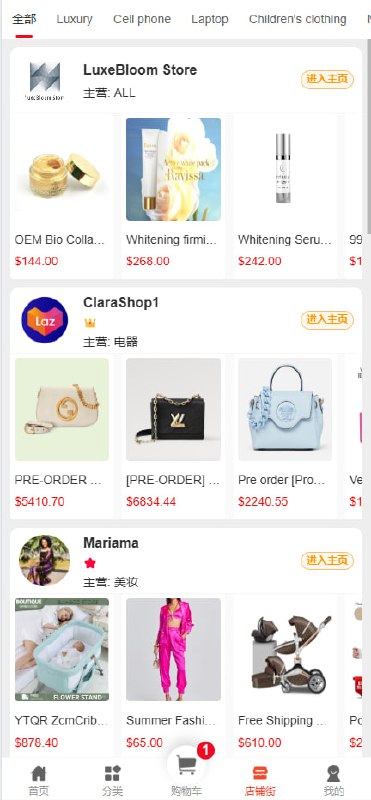
The overseas mall system uses a front-end and back-end separated architecture. The back end is open-source PHP and can be deployed quickly with Docker. It focuses on solving a few practical technical problems for multi-language e-commerce demos.
1.1 Multi-language Support Mechanism
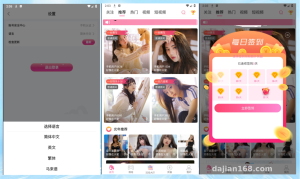
The system includes a full internationalization (i18n) solution, which goes beyond simple text translation:
- Multi-language product detail pages, with independent SEO settings for each language
- Localized pricing system with multi-currency exchange rate conversion
- Regional marketing campaigns, configured to show different promotions for different countries
- Localized customer service time zones, matched to the visitor’s region
1.2 Product Distribution Function
This is one of the core features of the demo. Sellers can upload product information once, and the system generates detail pages for each language version. In my test run, collecting product information from a sample source and generating detail pages across language versions took a few minutes for a small batch.
Batch product distribution is supported, handling up to 500 SKUs per operation in the demo environment. This is useful for teams that want to test operating multiple stores.
1.3 Cross-border Payment Integration
The demo includes pre-built integration interfaces for mainstream payment platforms such as PayPal, Stripe, and Square, plus examples of localized payment methods like Klarna and Sofort in Europe, and GrabPay in Southeast Asia. The integration process is documented, though live accounts and approval from each provider are required in production.
1.4 Logistics Tracking and Customs Declaration
The demo includes sample integrations for mainstream cross-border logistics APIs, including DHL, FedEx, UPS, and China Post Small Packet, supporting full-package tracking. The customs declaration module can generate declaration documents based on the destination country, though real-world documents must be verified with local customs requirements.
2. Pre-setup Preparation
Before starting the demo setup, it is worth confirming the following:
Server Configuration
- Minimum: 2 cores and 4GB RAM
- Recommended for production-like testing: 4 cores and 8GB RAM
- Servers in US or European data centers may reduce latency for visitors from those regions
Domain and SSL
- HTTPS is required for payment interface testing
- Some markets may prefer localized domain suffixes
Payment Accounts
- Apply for sandbox or test accounts with target payment providers in advance. For example, PayPal business verification can take time, so starting early is advisable.
Technical Skills
- At least basic PHP and Vue.js knowledge is helpful
- Experience with cross-border e-commerce workflows is useful but not required
Legal Compliance
- GDPR, CCPA, and other regional privacy rules must be reviewed before any live deployment. Product descriptions and privacy policies should comply with local regulations.
3. Common Issues and Pitfalls
3.1 Payment Interface Integration
Stripe Webhook callbacks can be tricky. If your server is located far from Stripe’s infrastructure, callbacks may time out. A common workaround is to use a proxy server or a relay node closer to the payment provider’s region.
3.2 Multi-language SEO
Google expects correct hreflang tags on multi-language sites. The system can auto-generate them, but misconfiguration can make a site look like duplicate or low-quality content. Use independent subdirectories or subdomains for each language version and verify the tags in Google Search Console.
3.3 Exchange Rate Auto-update
The demo updates exchange rates hourly by default. During high-volatility periods, such as Black Friday, rates can swing quickly. For demos or promotions, consider setting a fixed exchange rate during testing to reduce exposure to volatility.
4. Customization and Extension Directions
The base demo features are fairly complete, but special technical needs may require extensions:
ERP Integration
- Can integrate with ERP systems such as Dianxiaomi or Mabang for order synchronization, depending on the provider’s API availability
Smart Recommendations
- Can add a recommendation engine based on browsing history and purchase records
Social Login
- Can integrate Facebook, Google, or other social account logins to reduce registration friction
Live Streaming E-commerce Module
- Live streaming commerce is growing overseas; a demo module can be added if the use case fits
5. FAQ
Q1: How many languages does the demo support?
A1: By default, the demo supports around 20 languages, including English, Chinese, Japanese, Korean, Spanish, French, German, Italian, Portuguese, Russian, and Arabic. New language packs can be added manually if needed.
Q2: What is the minimum server configuration?
A2: For testing, 2 cores and 4GB RAM is enough. For production-like testing, 4 cores and 8GB RAM is recommended. If the product catalog exceeds 100,000 SKUs, 8 cores and 16GB RAM or more is advisable.
Q3: How do I integrate payment interfaces?
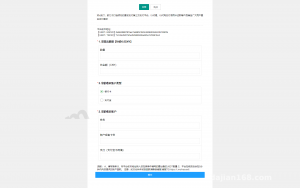
A3: The backend includes a payment interface configuration page. Enter the API key and credentials according to each provider’s documentation. Stripe and PayPal both provide detailed sandbox integration guides.
Q4: Does the demo support secondary development?
A4: Yes. The back-end PHP is open-source with a clear code structure and API documentation, making it easier to extend functions or build custom modules.
Q5: What legal compliance should be considered before launch?
A5: You should review GDPR for EU visitors, CCPA for California visitors, and any local consumer protection, tax, and customs rules for your target markets. Consult a local legal advisor before running any live transactions.
Disclaimer: This article is for technical education and demonstration only. It is not investment or business advice. Real-world operation requires compliance with local laws, regulations, and proper licensing. No revenue or profits are guaranteed.
-
 Alipay QR Code Scan
-
 WeChat Scan Pay