DAPP Exchange Deployment Notes: Multi-Language JAVA Backend, Second Contracts, USDT-Margined Trading and Staking Loans
DAPP Exchange Deployment Notes: Multi-Language JAVA Backend, Second Contracts, USDT-Margined Trading and Staking Loans
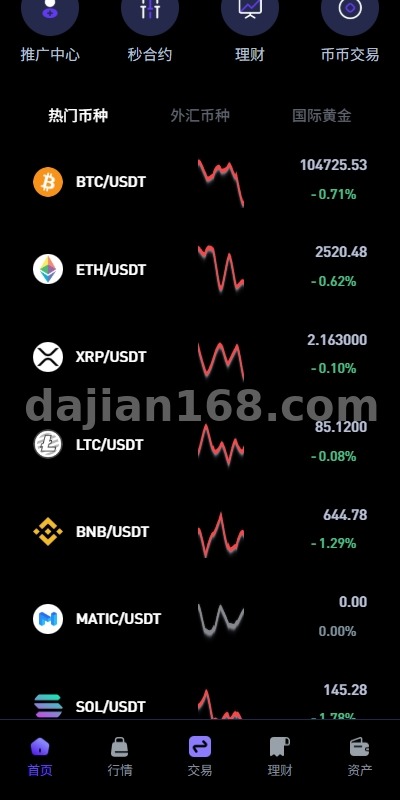
This DAPP exchange build also took me close to three weeks. The JAVA backend is heavier than the PHP packages I usually deploy, and the combination of wallet connectivity, language packs and contract settlement meant every layer had its own surprises. These notes reorganize the whole process into an English reference.
1. What the Package Includes
- Multi-language DAPP front end: the interface switches between Chinese, English and other languages, works in wallet browsers and normal mobile browsers.
- JAVA exchange backend: the service layer is built for longer-term operation and secondary development rather than quick demos.
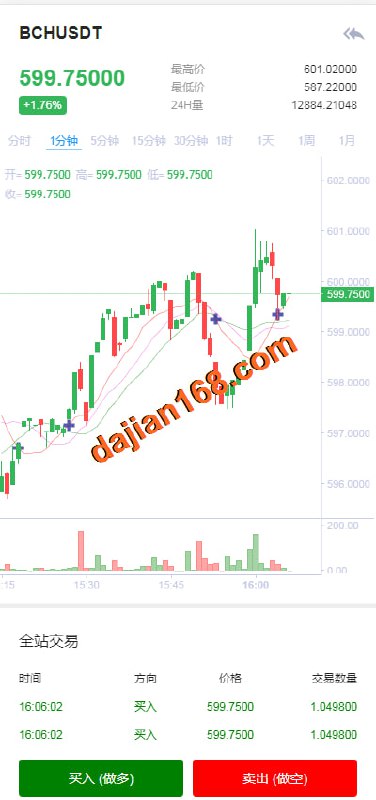
- Second-contract module: fast open/close contract play with per-period parameter control.
- USDT-margined positions: contracts are margined and settled in USDT, which keeps accounting simple for overseas users.
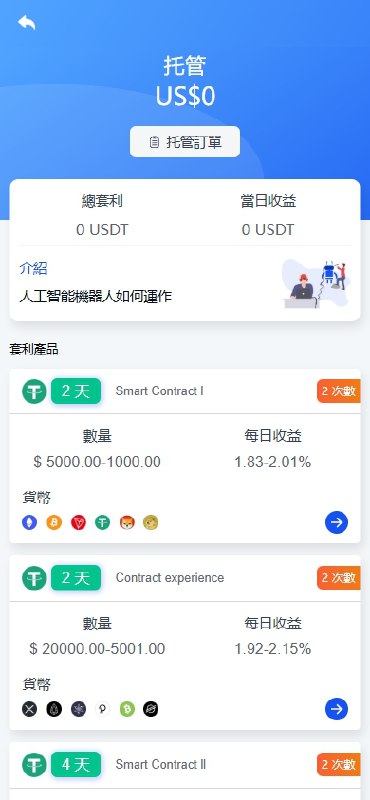
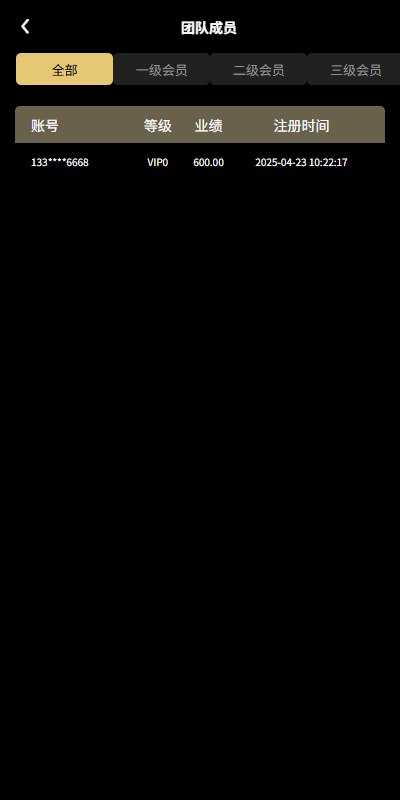
- Staking and lending: users can lock assets for yield or borrow against holdings, managed from the back office.
- Global order control: batch management of each period’s orders, including unified take-profit and stop-loss rules.
2. Environment Baseline
Plan for at least 2 cores and 4 GB RAM, CentOS 7+ or Ubuntu 20.04, and a route optimized for your user region. The stack needs a JDK, Nginx, MySQL 5.7+ and Redis for hot state. Force HTTPS everywhere. Prepare exchange market-data API credentials early (Binance, Huobi, OKX), and decide whether the wallet layer connects through a self-hosted node or a third-party service before launch day.
3. Problems I Actually Hit
3.1 Order control silently inactive
Same trap as other builds from this vendor: enabling global order control in the admin panel is not enough. Each contract product has its own control switch under product settings, and both must be on. If your control rules “do nothing”, check the product-level switch first.
3.2 DAPP browser rendering issues
The front end behaved differently inside wallet WebViews than in Chrome. Language switching occasionally left half-translated labels cached. Clearing the WebView cache fixed it for users, but the real fix was adding cache-busting version parameters to the language-pack requests.
3.3 Staking settlement time drift
Staking yields are settled by scheduled tasks. If the server time zone differs from the business time zone, users see yields arriving at odd hours. Align the server zone, the JVM zone and the business configuration, then verify one full settlement cycle.
4. Sensible Extensions
Typical follow-up work includes live price feeds from major exchanges, an OTC area for user-to-user transfers, copy trading, and KYC tiers. Keep each change small and test contract settlement after every modification, because settlement bugs are the most expensive kind.
Compliance note: exchange and lending products are regulated almost everywhere. This is a technical deployment note, not legal advice; verify licensing in your operating jurisdictions before opening to the public.
5. FAQ
Q1: Is the JAVA version harder to deploy than PHP?
Yes. You manage processes, logs and memory explicitly. In exchange you get a codebase that is easier to extend safely.
Q2: Why USDT-margined instead of coin-margined?
USDT margin keeps user PnL intuitive and avoids double exposure to the collateral asset’s price swings.
Q3: What should be tested before launch?
Registration, wallet connection, deposit, one full contract cycle, staking settlement, withdrawal and the admin order-control flow, in that order.
#DAPP Exchange #Overseas JAVA Exchange #Second Contracts #USDT-Margined Trading #Staking and Lending
-
 Alipay QR Code Scan
-
 WeChat Scan Pay