One-Stop Configuration Guide for a Multi-Language Crypto Trading System: Second Contracts, Demo Exchange and Time-Based Trading
One-Stop Configuration Guide for a Multi-Language Crypto Trading System: Second Contracts, Demo Exchange and Time-Based Trading
This system took me almost a month to get fully stable: three server reinstalls, two database migrations, and two full days lost to language-switching crashes alone. While the memory is still warm, here is the complete configuration walkthrough for teams deploying the same package.
1. Module Overview
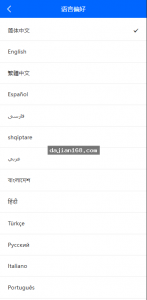
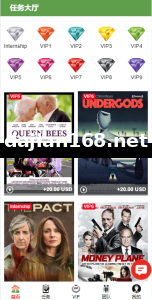
- Multi-language front end: Chinese, English, Vietnamese and more, switchable in real time, responsive on phone and desktop.
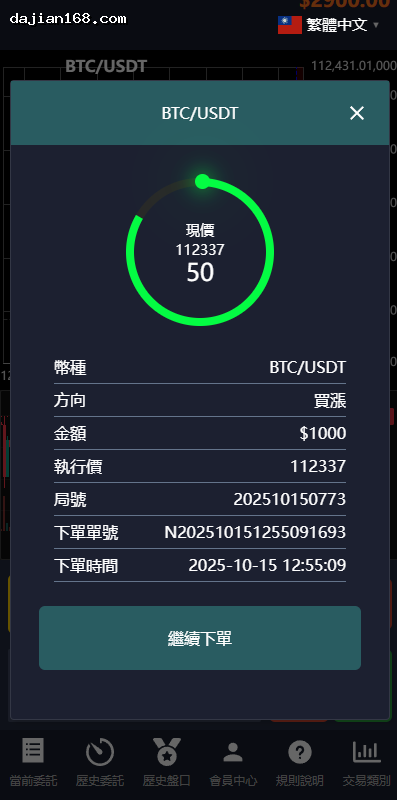
- Second-contract engine: second-level open/close with per-period global order control.
- Demo exchange simulation: a configurable simulated trading environment for demos, internal testing or training.
- Time-based micro trading: fixed-period settlement with flexible parameters per cycle.
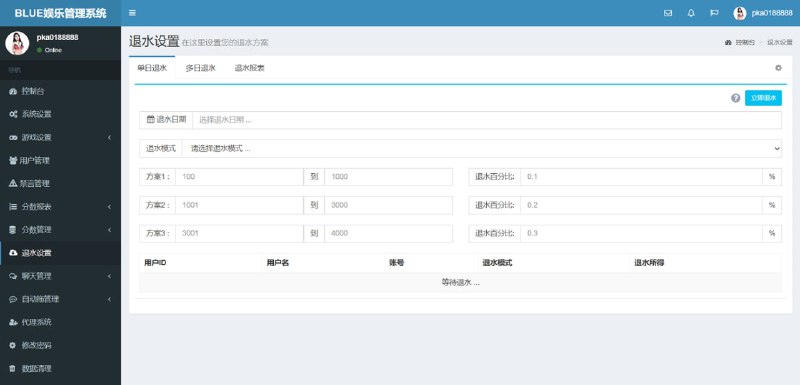
- Back-office order management: unified management of each period’s orders including batch stop-loss and take-profit.
2. Preparation Checklist
Before touching the code, prepare: a 2-core/4 GB or better server (CentOS 7+ or Ubuntu 20.04, CN2 route with BBR strongly recommended for overseas access), a domain with full-site HTTPS, Nginx + PHP 8.0+ + MySQL 5.7+ (Baota panel or OneinStack both work), exchange API credentials if you want real market data, and written confirmation of the source-code license scope.
3. Configuration Pitfalls and Fixes
3.1 Global order control not taking effect
After enabling global control in the back office, nothing changed. The reason: the control switch must also be enabled per product under Contract Product Settings. Both places must be configured. The design is hidden enough that most first-time deployers get stuck here.
3.2 Styling broke after switching languages
Some themes hit CSS conflicts on language switch, causing misaligned buttons and font glitches. Turn off every CSS optimization and cache plugin first, then use Chrome DevTools to find the conflict. In my case it was a third-party font library, not the theme itself.
3.3 Second-contract latency too high
Second contracts demand fast responses. Measured experience: keep same-region latency under 50 ms. A Hong Kong CN2 server helped most; adding BBR plus a TCP accelerator on top gave a further visible improvement.
4. Extension and Customization Options
The base package is already feature-complete for launch. Practical extensions include real exchange API integration (Binance, Huobi, OKX) for live pricing, an OTC C2C trading area, a copy-trading system where users follow profitable traders, and a KYC module matched to your operating region’s requirements.
Important: this guide is for technical reference only. Real-money trading platforms must satisfy local licensing, payment and advertising rules. Confirm them before launch, not after.
5. FAQ
Q1: Which server region is best for overseas users?
Hong Kong or Singapore CN2 routes gave the best balance of latency and stability in my tests.
Q2: Can demo mode and real mode run together?
Technically yes, but keep them clearly separated in configuration, and label the demo environment unmistakably to avoid user confusion.
Q3: How do I verify the time-based settlement works?
Create short test periods, place orders, wait for automatic settlement, then compare the front-end result, the order table and the wallet log. All three must agree.
#Crypto Trading System Configuration #Second Contracts #Demo Exchange #Time-Based Trading #Multi-Language Platform
-
 Alipay QR Code Scan
-
 WeChat Scan Pay