Overseas Crypto Quantitative Trading System Setup: Multi-Language Quant Platform with USDT Auto-Recharge Source Code Deployment
Overseas Crypto Quantitative Trading System Setup: Multi-Language Quant Platform with USDT Auto-Recharge Source Code Deployment
Last month I helped a friend who works in the Southeast Asian market deploy a crypto quantitative trading system. The whole process took about a week. This source code uses a four-tier separated architecture: UniApp frontend, Vue for the admin and agent panels, and ThinkPHP6 for the server side. The feature set is noticeably more complete than similar systems I have worked with before. Today I am organizing the deployment process and the pitfalls I ran into, as a reference for anyone researching quant trading system source code.
1. System Features and Technical Architecture
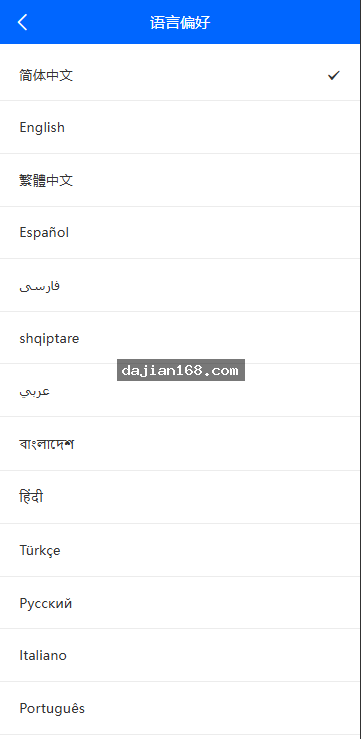
This quant system targets overseas markets, so multi-language support is standard. The build I deployed ships with 19 language packs, and the backend allows custom language extensions with adjustable ordering. The frontend displays languages based on that ordering on first visit. Here are the highlights:
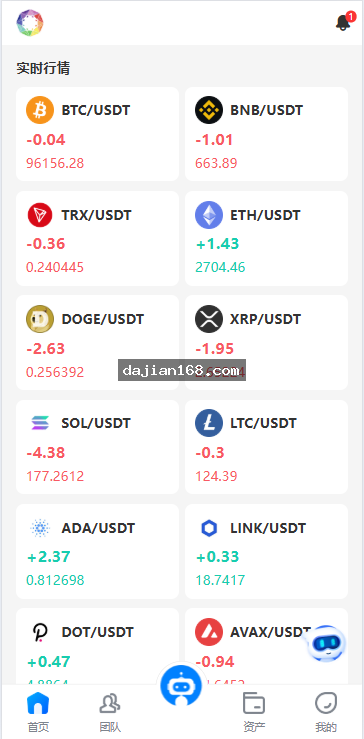
- Quant Trading Core: Market data connects to the Huobi-affiliated feed, with customizable currency pairs in the backend and real-time K-line and depth data push
- USDT Auto-Recharge: On-chain transfers are monitored and credited automatically, no manual review needed, paired with a withdrawal review workflow
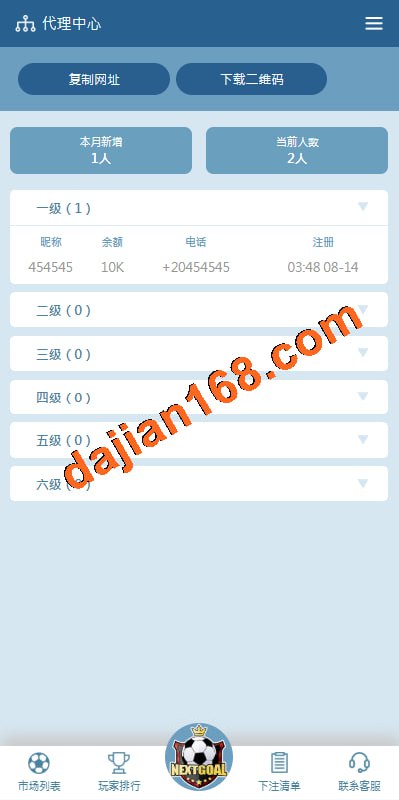
- Three-Level Distribution: For compliance reasons only three levels are supported; users earn percentage rewards from invites, adjustable in the backend
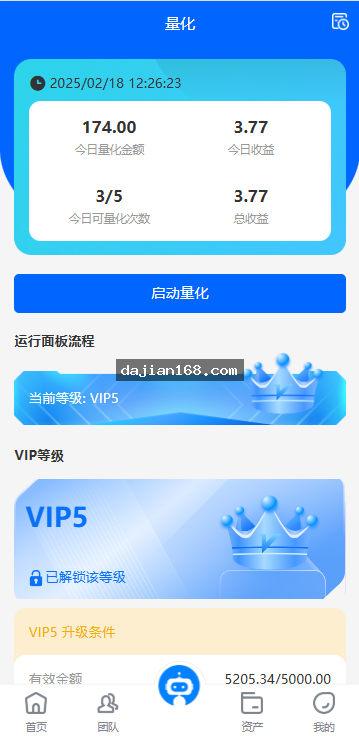
- VIP Tier System: Upgrade conditions combine user effective balance, first-generation referral count, and referrer tier
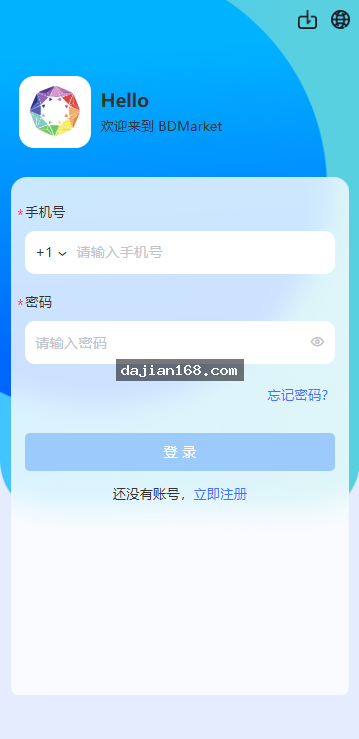
- Multi-Factor Authentication: Email verification, Google Authenticator, and KYC real-name verification, with optional Google login verification for admin and agent panels
- Anti-Abuse Risk Control: Per-IP registration limits, N-hour fund freezing for deposits or rewards, and automatic lockout after repeated wrong passwords
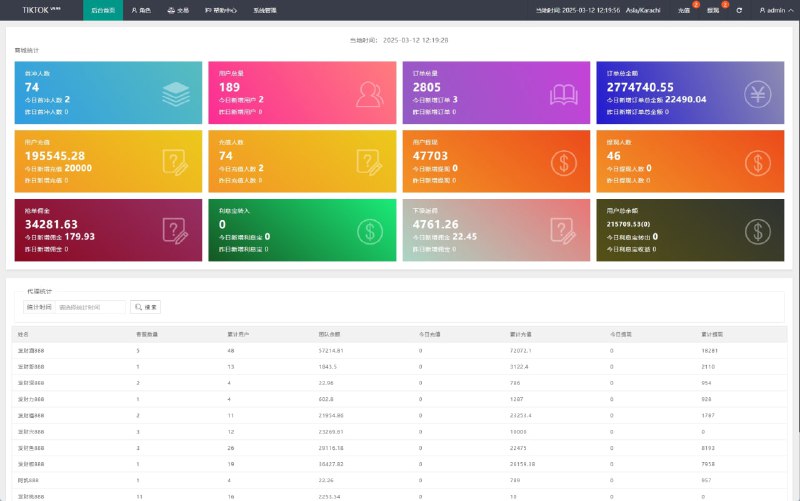
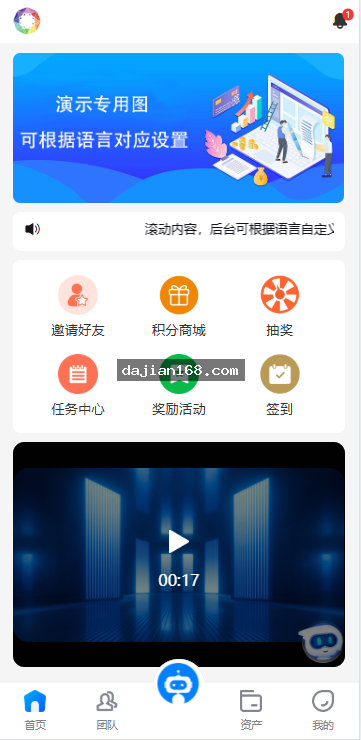
- Operations Toolkit: Points mall, lottery system, daily check-in, in-site messaging, and a material center, all visually configurable in the backend
On the tech stack, ThinkPHP6 powers the API service, the Vue-built admin and agent panels compile to pure static files, and UniApp produces both H5 and app builds from one codebase. A nice bonus is the built-in code generator, which speeds up secondary development significantly. The system also integrates Youdao translation, so backend content can be auto-translated per language, saving a lot of manual work.
2. Pre-Deployment Environment Checklist
I used a 4-core 8GB server running CentOS 7.9. During the first attempt I installed the wrong PHP version and ThinkPHP6 would not boot; upgrading to PHP 7.4 fixed it. Prepare according to this checklist:
- Server: minimum 2 cores 4GB; 4 cores 8GB recommended for production
- PHP 7.4+ (hard requirement for ThinkPHP6; remember the redis and fileinfo extensions)
- MySQL 5.7+ with utf8mb4 charset
- Redis 5.0+ (powers both market data caching and queues)
- Nginx plus an SSL certificate (the USDT recharge callback requires HTTPS)
- One domain; overseas servers work fine for overseas business
- SMTP mail configured, since registration and review flows send email
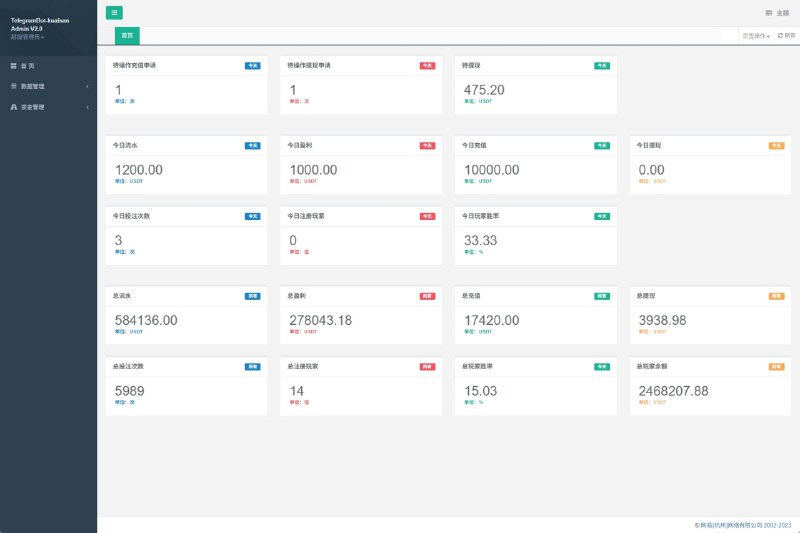
After importing the database, first update the database and Redis connection settings in the config file, then run a self-check on language packs and the market data feed in the admin panel. USDT recharge requires an API key for a node or third-party monitoring service. The documentation was thin on this step, so I traced the callback logic in the source code to figure it out.
3. Pitfalls Encountered During Setup
3.1 Incomplete Language Pack Loading
After deployment, switching to certain languages on the frontend showed blank content. Investigation revealed a file permission problem: some language pack JSON files had the wrong owner after upload, so PHP could not read them. A recursive chown to the web runtime user solved it. Also, when adding a new language there are roughly two thousand frontend terms; I recommend batch-translating with the built-in Youdao integration first, then manually proofreading key terminology.
3.2 USDT Auto-Recharge Not Crediting
The most common cause is that the monitoring service is not running. The recharge listener in this system is a persistent process and must be supervised with supervisor or systemd; if you run it directly from the command line it dies when your SSH session closes. Secondly, the callback URL must be HTTPS, since wallet gateways reject plain HTTP. I configured supervisor to auto-restart the process, and it has been stable ever since.
3.3 Market Data Lag
The user-side K-line occasionally froze. The cause was an overly short Redis cache TTL: every request went back to the upstream feed and hit rate limits. After caching 1-minute K-lines for 5 minutes and 5-minute K-lines for 30 minutes, API pressure dropped noticeably and the pages became smooth.
4. Secondary Development and Extension Suggestions
The source code is fully open, structured with standard TP6 layering: controllers, services, and models are cleanly separated, making customization friendly. My friend later added an agent-line feature: once a user is marked as an agent in the admin panel, they can log into the agent panel to view downline deposits and trading activity, which simplifies team management. If you want to accept deposits on other chains beyond TRC20, the recharge module exposes an interface; just clone the existing listener logic.
Important Notice: Quantitative trading and crypto-related businesses are regulated in many countries and regions. Confirm compliance requirements for your target market before deployment. Keep the three-level distribution ratios conservative, and enable all risk-control parameters (IP limits, fund freezing, password lockout), because these systems are prime targets for bonus abusers.
5. FAQ
Q1: Which languages does the system support, and can more be added?
It ships with 19 languages covering mainstream Southeast Asian and Western markets. The backend supports custom language extensions with adjustable ordering, and the frontend displays them accordingly. After adding a language, batch-generate terms with Youdao translation, then proofread manually.
Q2: Is USDT recharge fully automatic?
Yes. On-chain transfers are monitored and credited automatically without manual review. Withdrawals go through a review flow with daily limits, amount ranges, and KYC requirements. The recharge listener must run under a process supervisor, or credits will stop when the process dies.
Q3: Where are the distribution commission rates configured?
In the distribution settings of the admin panel, you can set level-one, level-two, and level-three commission percentages separately. Keep them reasonable; excessively high ratios create serious compliance risk.
Q4: Is the market data feed free?
The system uses a public market data interface and basic data is free. However, high-frequency requests get rate-limited, so a proper Redis caching strategy is essential; never fetch upstream on every request.
Q5: Can the app be packaged and published directly?
UniApp supports both Android and iOS packaging. Note that financial apps face strict store review; most operators distribute a standalone APK or TestFlight build, or simply wrap the H5 version.
Source Reference
This content is based on the demo system at yanshigw.top/17747.html, reorganized and rewritten for reference purposes.
#CryptoQuantSystem #QuantTradingSourceCode #USDTAutoRecharge #MultiLanguageTradingPlatform #ThinkPHPSourceCode
-
 Alipay QR Code Scan
-
 WeChat Scan Pay