JAVA Margin Trading Stock System Deployment Notes: SH/SZ/BJ/HK/US Stocks + Block Trading + Strategy Financing Source Code
JAVA Margin Trading Stock System Deployment Notes: SH/SZ/BJ/HK/US Stocks + Block Trading + Strategy Financing Source Code
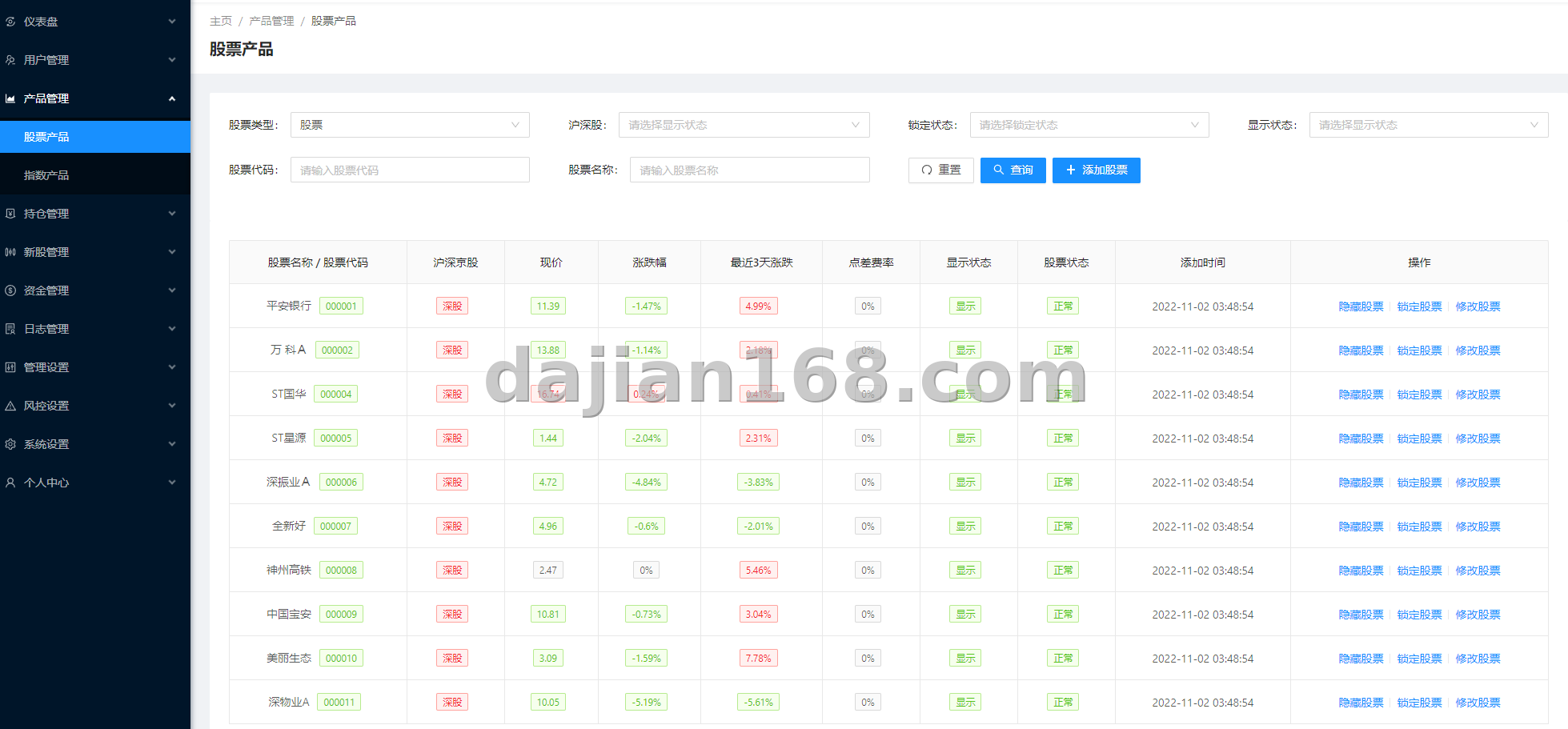
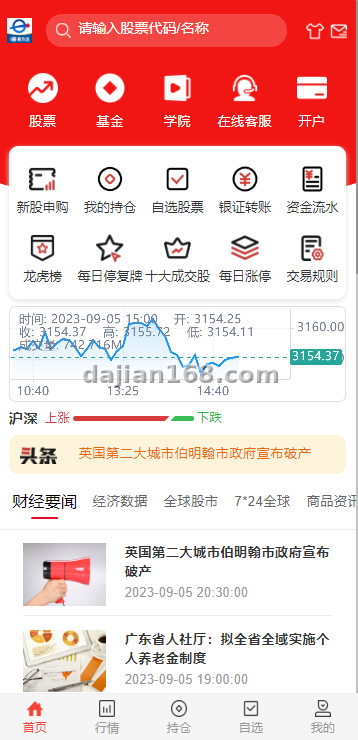
Last week I delivered a high-end JAVA-based margin trading stock system. The client required coverage of five markets — Shanghai, Shenzhen, Beijing, Hong Kong and US stocks — plus block trading, IPO subscription, pending orders and strategy-based financing. Among all the stock trading systems I have worked with over the past two years, this package has the highest level of completeness: a pure JAVA backend with a Vue frontend, delivering performance clearly above any PHP stock system. This article records the deployment process and hands-on findings for your reference.
1. System Feature Overview
The feature density of this system is remarkably high. The main modules are:
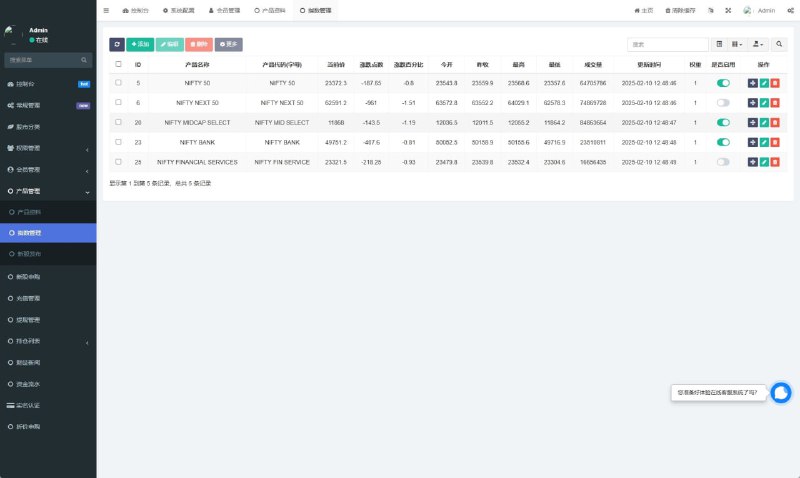
- Multi-market quotes: Shanghai/Shenzhen A-shares, Beijing exchange, Hong Kong and US stocks on one screen, with K-line, intraday charts and level-2 order book;
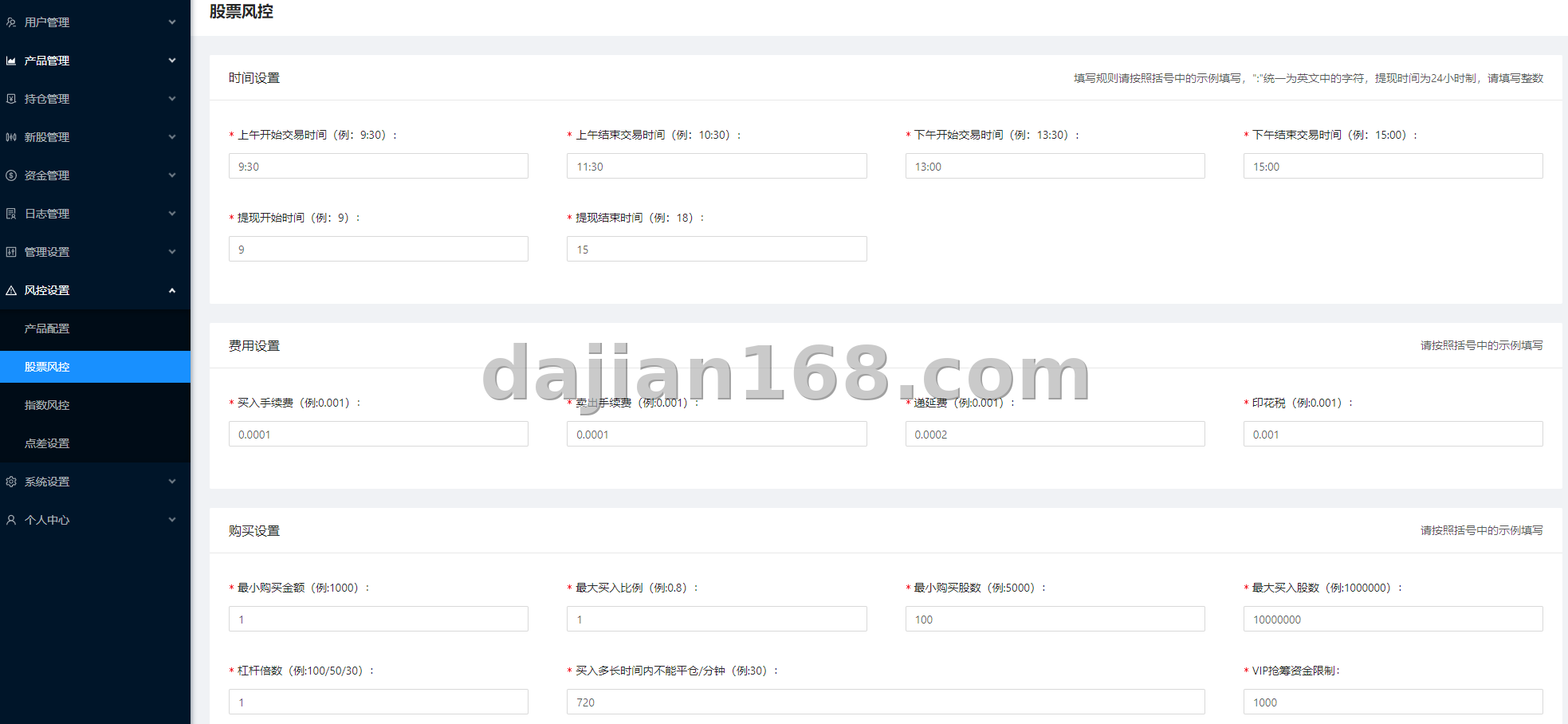
- Margin trading: complete financing-buy and securities-lending-sell workflows, configurable margin ratios, liquidation line alerts and forced liquidation logic;
- Block trading: a block deal matching module with configurable time windows and premium rules;
- IPO subscription: full simulated flow of new listings, allotment numbers and winning results;
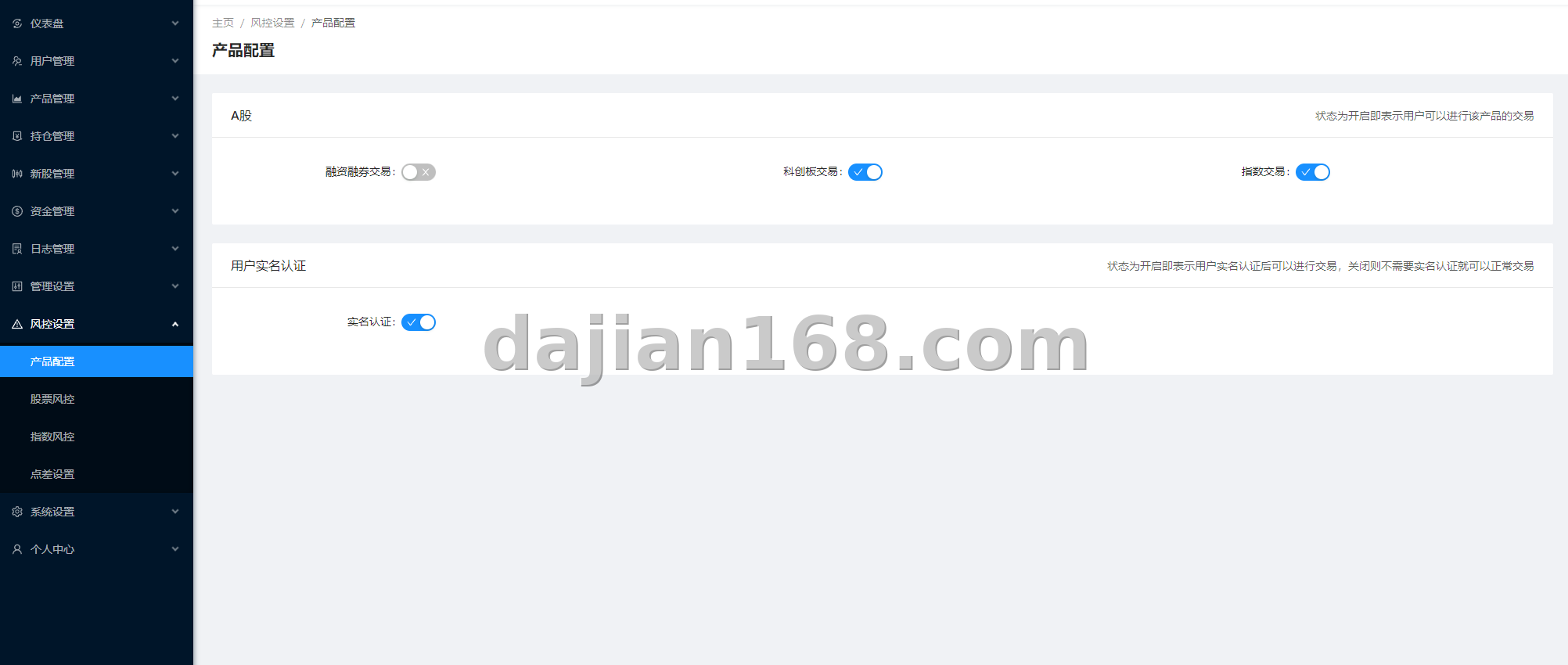
- Pending order system: limit, market and conditional orders, with admin-side order review;
- Strategy financing: automatic leverage allocation by strategy portfolio, with adjustable leverage multiples, fee rates and holding periods;
- Fund management: dual-channel deposits in USDT and fiat, withdrawal review and complete transaction reports.

2. Preparation and Deployment Notes
JAVA systems are far more demanding on the environment than PHP ones. Prepare the following before deployment:
- A server with at least 4 cores and 8 GB RAM (the JAVA service plus quote push consumes a lot of memory), running CentOS 7.9 or Ubuntu 20.04;
- JDK 1.8 + MySQL 5.7 + Redis + Nginx — all four are mandatory;
- Domain and SSL certificate configured in advance; the WebSocket quote push must run over wss;
- A market data source — the system reserves API configuration slots, but the data feed must be purchased separately;
- Open ports 8080 (backend) and 8090 (push service) in the security group.
The deployment took me a full day: environment setup in the morning, jar packages and the frontend dist build in the afternoon, and WebSocket push tuning in the evening. Compared with PHP systems that “just run once dropped into aaPanel”, the JAVA barrier is clearly higher.
3. Common Problems and Pitfalls
3.1 Quote push fails to connect
The frontend kept spinning without showing quotes. After half an hour of troubleshooting, it turned out Nginx lacked the WebSocket reverse proxy headers. You must add proxy_set_header Upgrade and Connection "upgrade" to the site config, otherwise the wss handshake fails outright.
3.2 Backend jar killed by OOM
On a 4 GB machine, a plain java -jar start gets killed by the system OOM killer. The fix is to cap heap memory with -Xms512m -Xmx2048m and reduce MySQL’s innodb_buffer_pool to 512M.
3.3 Forced liquidation job never runs
The liquidation logic relies on a scheduled task that the deployment docs fail to mention. You actually need a cron entry running the risk-control script every minute. Miss this and positions will never be force-liquidated even when underwater — always verify in a test environment first.
4. Customization Options
The source code is fully open with no encryption. Common customization directions include:
- Connecting real market data APIs (Sina, Tencent or paid quote vendors) to replace simulated data;
- Adding new instrument modules such as options or ETFs;
- Native app wrapping with Android/iOS builds for store release;
- Integrating third-party payment gateways or automatic USDT deposit callbacks;
- Multi-language expansion with an English interface for overseas users.
💡 Important: margin trading stock systems carry financial business attributes and are only suitable for demo, educational or compliant scenarios in jurisdictions where the law permits. Confirm local regulatory requirements before launch and never use them for illegal securities activities.
5. FAQ
Q1: JAVA version or PHP version — which should I choose?
A: For low concurrency and limited budgets, go with PHP. For large user bases and stable real-time quote push, the JAVA version is a must — the performance gap becomes obvious beyond 200 concurrent users.
Q2: Is the market data real?
A: The package ships with simulated quotes for demonstration. Live operation requires a separately purchased data feed; the system provides configuration slots for integration.
Q3: What skill level is needed to deploy this system?
A: At minimum you should be comfortable with Linux operations and Nginx configuration. JAVA service deployment, WebSocket reverse proxying and Redis tuning all have a learning curve — without experience, consider hiring a deployment service.
Q4: Does it support real trading connections for HK/US stocks?
A: The system itself is a simulated trading architecture and does not connect to real broker channels. Live trading integration counts as deep customization and requires compliance qualification review.
#JAVAStockSystem #MarginTradingSystem #StockSourceCode #BlockTrading #StrategyFinancing
-
 Alipay QR Code Scan
-
 WeChat Scan Pay