Southeast Asia Multi-Language Gaming Platform Deployment Guide | PHP Architecture Setup Notes
Southeast Asia Multi-Language Gaming Platform Deployment Guide | PHP Architecture Setup Notes
Disclaimer: This article is for technical education and demonstration only. It is not professional or financial advice. Any real-world deployment must comply with applicable laws and regulations.
Last month I took on a project from a Singapore client who needed a gaming entertainment platform system targeting the Southeast Asian market. They mainly focus on Vietnam, Thailand, and Malaysia, requiring multi-currency settlement, multi-language switching, and integration with local payment channels. The entire system uses PHP+MySQL architecture with responsive front-end design. After two weeks of testing post-deployment, it’s running quite stable now. I’m organizing the deployment process and issues encountered as a reference for anyone building similar systems.
System Functionality Testing Record
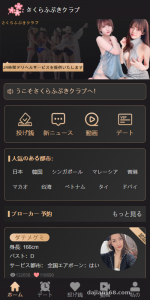
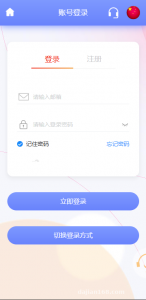
This source code has comprehensive functional modules. The backend management panel uses Chinese interface, while the front-end supports Vietnamese, Thai, and English switching. I tested several core functions in practice:
Game Modules and API Integration
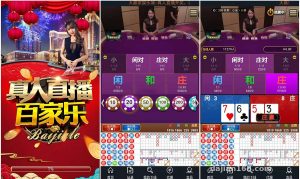
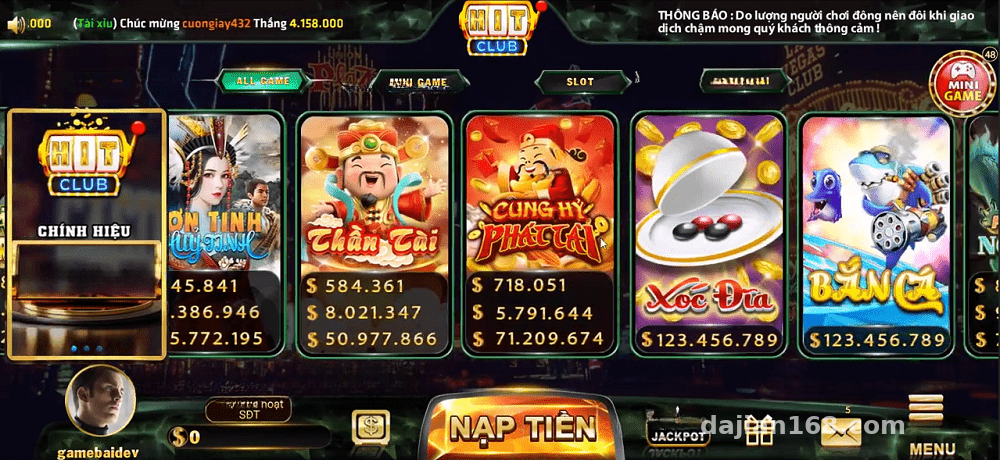
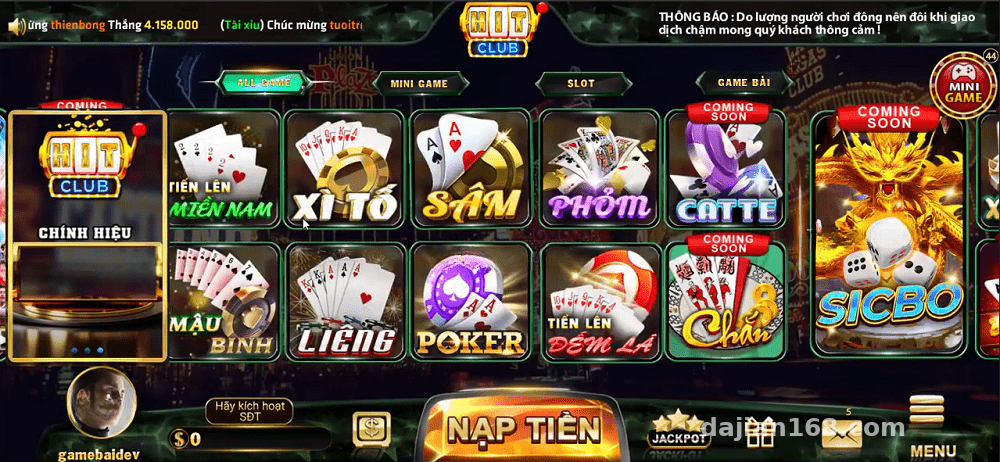
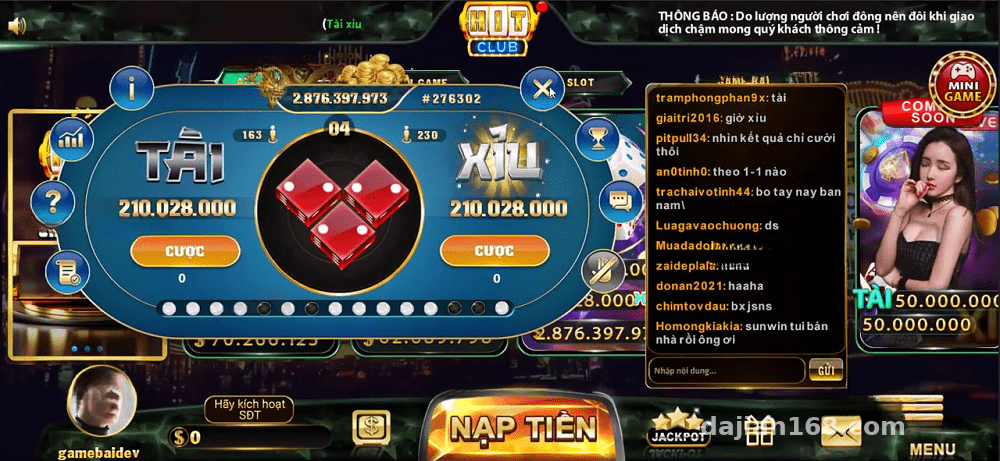
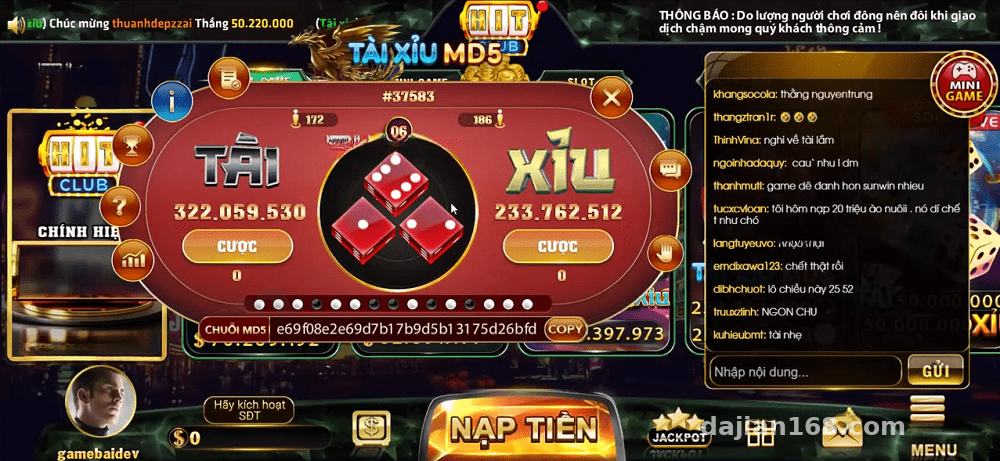
The system comes with over twenty casual games, including fishing games, board game simulations, reel simulation machine demos, and other entertainment types. Each game is an independent API interface. During deployment, you need to configure the corresponding game service provider keys in config.php. During testing, I found that several interfaces required VPN access to work properly. Later I switched to a Hong Kong server and everything worked normally.
Game loading speed is decent. With proper CDN configuration, games typically open within 3 seconds. The backend allows individual control of each game’s on/off status, odds parameters, and maintenance announcements.
Payment and Withdrawal Process
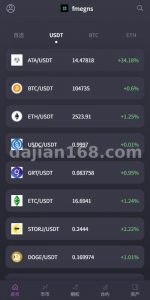
The payment interface supports several common Southeast Asian methods: bank card transfers, e-wallets (GrabPay, GCash, etc.), and USDT channels. I integrated with a third-party payment company that provided API documentation. You just need to modify the interface files in the payment directory according to their specs.
Withdrawal approval is semi-automatic. Small amounts can be set to auto-approve, while large amounts require manual backend review. The system records every transaction, and exporting Excel reports is very convenient.
Multi-Language and Localization
Language packs are in the /languages directory, with one JSON file per language. The Vietnamese translation quality is quite good, while Thai requires some manual proofreading. Currency symbols, time zones, and date formats can all be switched in the backend. This is really practical for the Southeast Asian market.
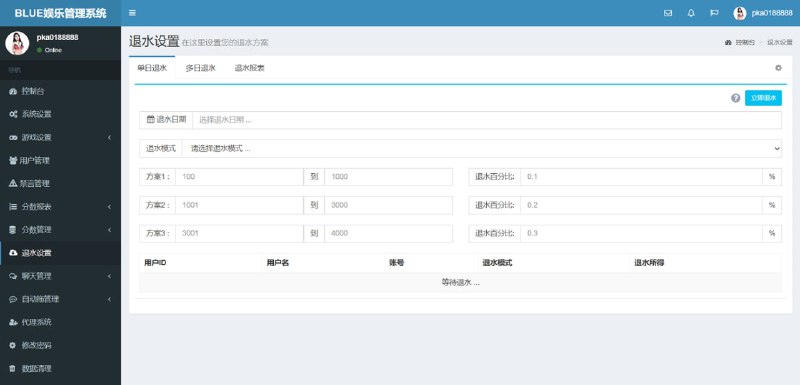
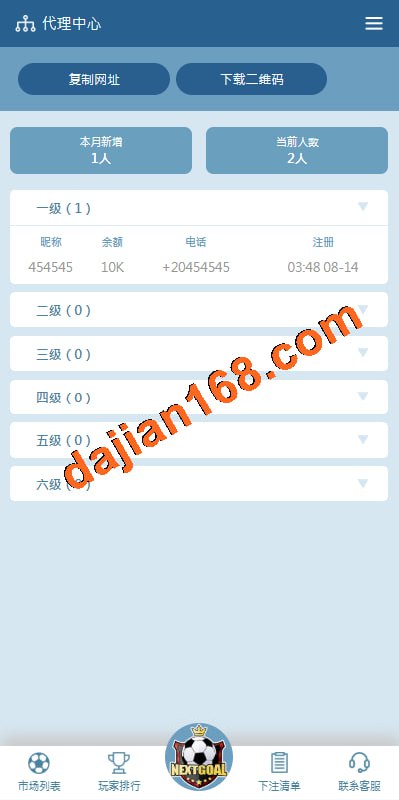
Highlight: The system supports hierarchical sub-agent management, allowing you to set different commission ratios for different levels. The backend displays real-time performance data and downstream numbers for each agent. This feature is very useful for promotions and saves a lot of manual statistics work.
Deployment Environment and Configuration Key Points
Server Selection
I used Alibaba Cloud ECS in Hong Kong, 4-core 8GB configuration, 5M bandwidth. The system requires PHP 7.2 or above, MySQL 5.7, and Redis for caching. For the Nginx configuration file, I directly used the one included in the source code package, just modified the domain name and SSL certificate path.
Important note: Remember to disable certain server security restrictions before deployment, otherwise the file upload function will throw errors. Both upload_max_filesize and post_max_size need to be set to 50M or above.
Database Import
The SQL file is in the install directory. I encountered a pitfall during import: the default character set is utf8mb4, which may throw errors if your MySQL version is too old. I changed it to utf8 and it worked normally, but some special Vietnamese characters might not display correctly. It’s better to upgrade your MySQL version.
Database connection information is modified in config/database.php. Remember to turn off debug mode, otherwise SQL error messages will display on the front end.
Secondary Development and Customization
The code structure is quite clear, using MVC architecture with template files in the views directory. I added a member tier system for the client that automatically upgrades based on recharge amount, with different tiers enjoying different benefits. The modification wasn’t complex, mainly adding a few fields and logic judgments in the user model.
The front end uses Bootstrap framework, making style modifications convenient. The client wanted a localized Vietnamese color scheme, so I changed the theme color from blue to golden yellow and replaced icons with locally popular styles.
Who Should Use This System
This system is suitable for teams with some technical foundation who want to quickly launch a Southeast Asian gaming entertainment platform. If you’re just an individual experimenting, the operational costs might be quite high because payment interfaces and game APIs all require paid integration.
In terms of code quality, it’s fairly standard without particularly complex architecture, but it has all the necessary features. The backend data statistics are quite good, showing real-time online users, daily new registrations, recharge and withdrawal reports, etc.
Also, for the Southeast Asian market, localized operations are very important. Language translations must be accurate, customer service response must be fast, and payment methods must be locally relevant. Technology is just the foundation. To really succeed, you need operations and marketing.
Frequently Asked Questions
Q: Why won’t games open after deployment?
A: First check if the game API interface configuration is correct and if the keys are filled in properly. Then check if the server can access the game service provider’s domain. Some require VPN access. Finally, confirm if Nginx has reverse proxy configured. Some games need proxy to load normally.
Q: Is payment interface integration difficult?
A: Medium difficulty, mainly depends on the quality of documentation provided by the payment company. The one I used provided PHP sample code, so I just modified it accordingly. The key is to properly verify callbacks to prevent simulated payment notifications. During testing, try several small-amount orders to ensure both recharges and callbacks work normally before going live.
Q: Can this system be adapted to other language versions?
A: Yes, language packs are independent JSON files. You can translate them and add them in. However, some hard-coded text needs manual modification in template files. If you want to add right-to-left languages (like Arabic), CSS layout direction also needs adjustment.
Q: How is the security? Will it be vulnerable to attacks?
A: The source code has basic protection, but I still recommend installing a firewall and WAF. Regularly update system patches and add access restrictions to sensitive directories. I usually change the admin backend path and add an IP whitelist, which significantly improves security.
Q: Are bandwidth requirements high?
A: Depends on concurrent users. If simultaneous online users don’t exceed 500, 5M bandwidth is sufficient. If over 1000 users, I recommend starting at 10M and using CDN acceleration. Game resource files should ideally be stored on OSS object storage, which can save a lot of bandwidth costs.
Overall, this Southeast Asian gaming platform system has complete functionality and relatively straightforward deployment, suitable for technical teams wanting to quickly enter the Southeast Asian market. During deployment, test thoroughly and backup frequently. When encountering problems, check logs first before finding solutions. For later operations, remember to comply with local laws and regulations, and properly handle user data protection and content moderation.
Disclaimer: This article is for technical education and demonstration only. It is not professional or financial advice. Any real-world deployment must comply with applicable laws and regulations.
#Southeast Asia System #PHP Source Code #Multi-Language Platform #Gaming Platform Deployment #Payment Gateway Integration
-
 Alipay QR Code Scan
-
 WeChat Scan Pay